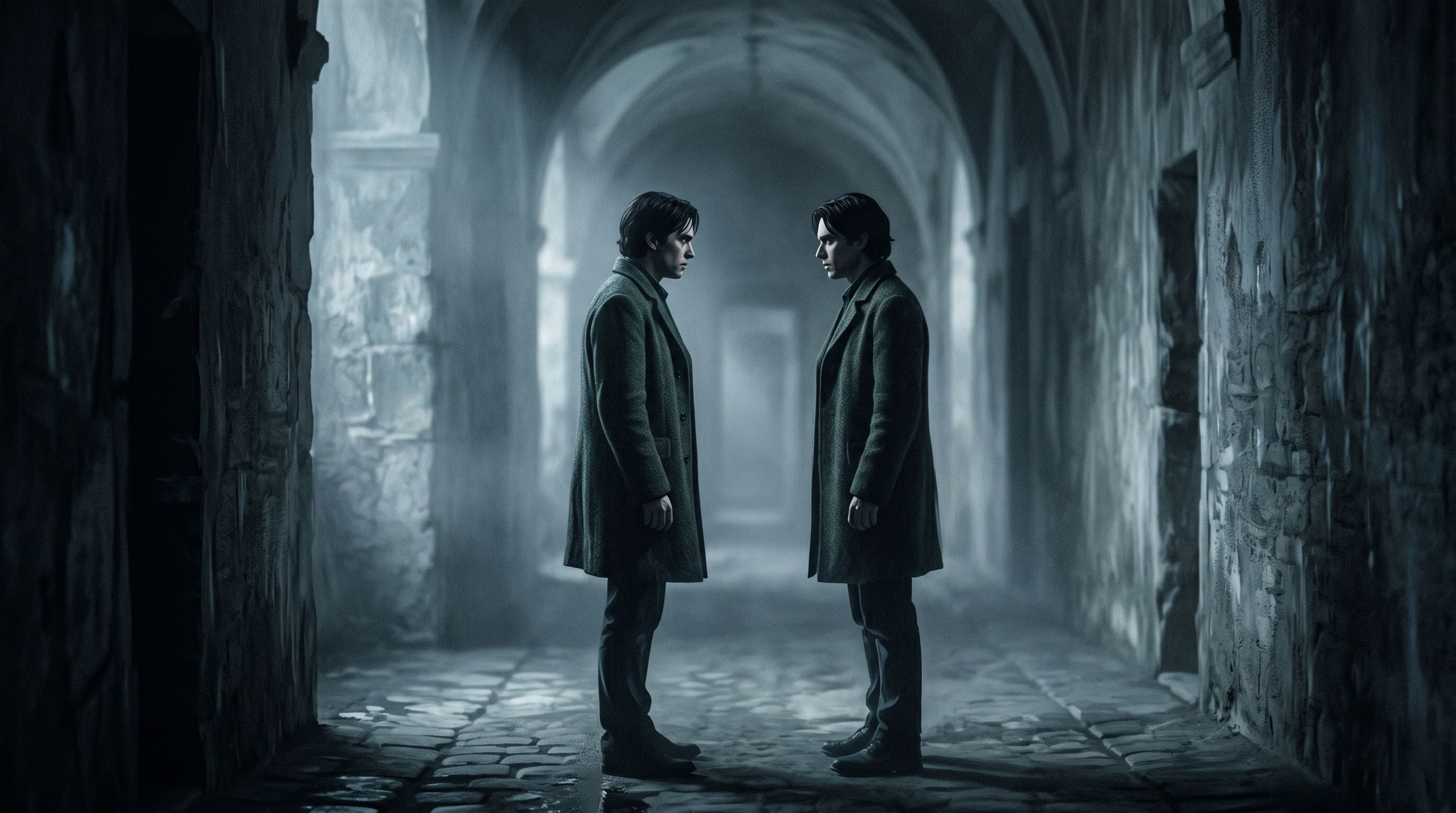
What Your Shadow Side Whispers to You
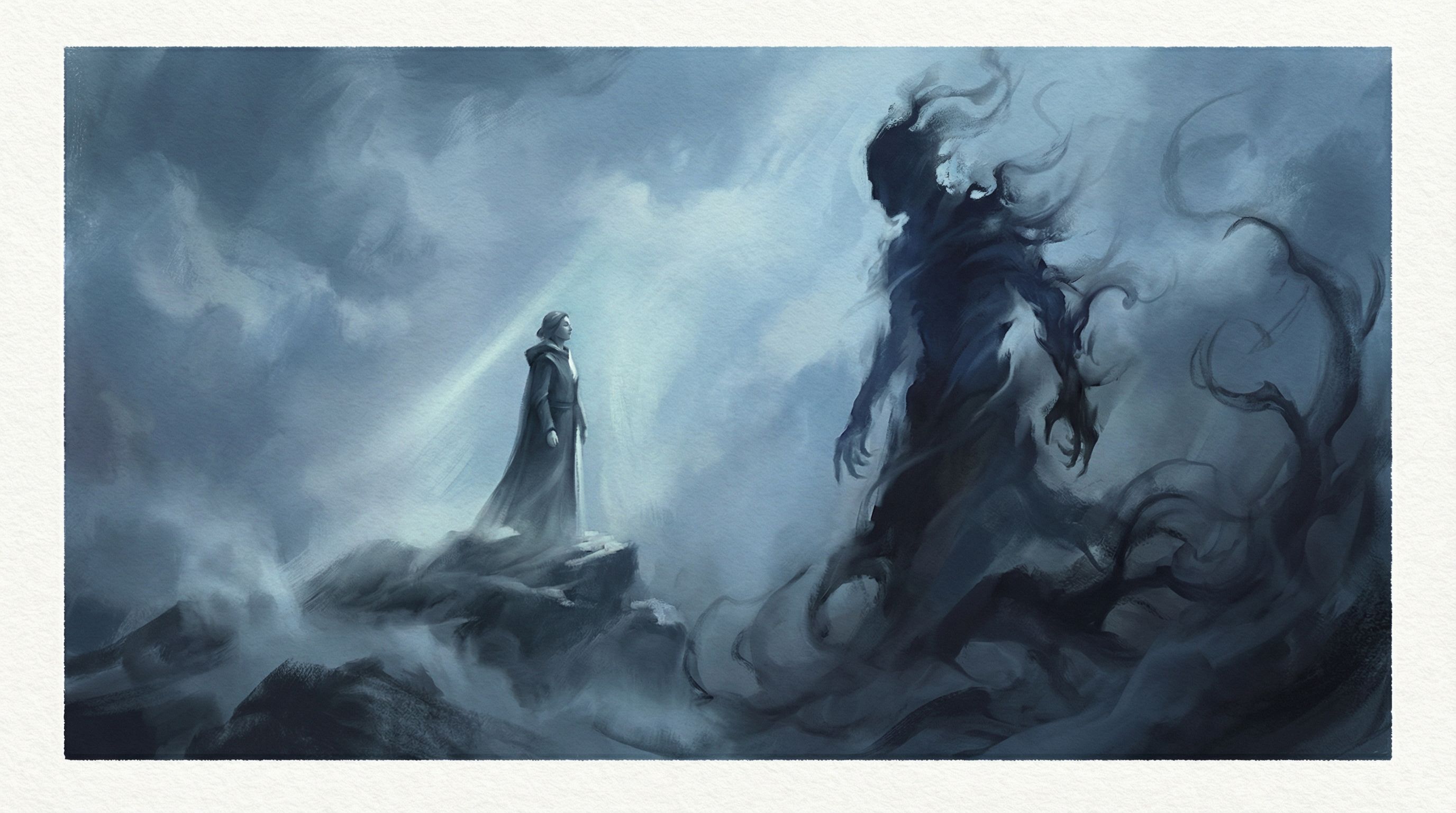
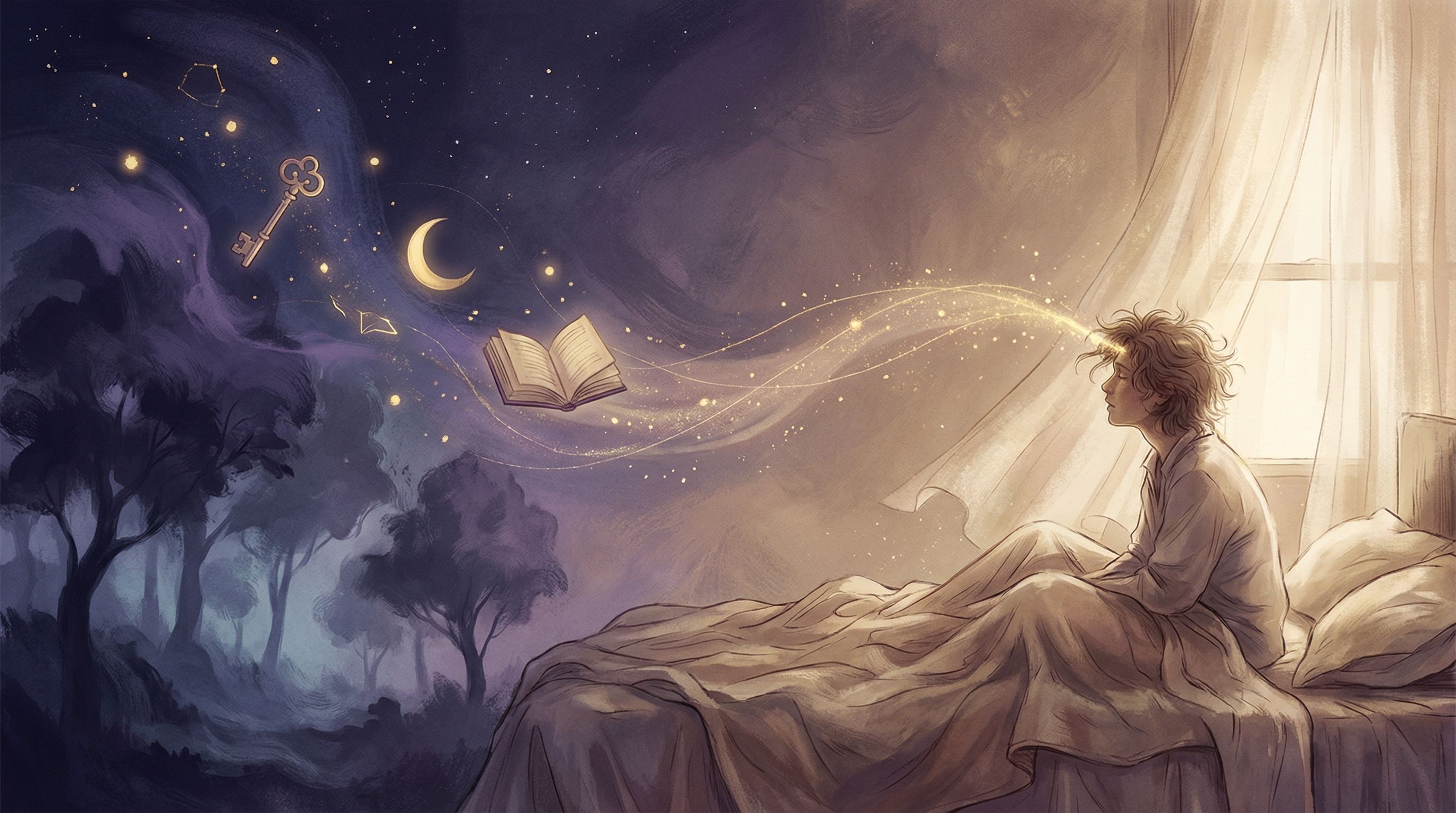
I often find myself, as I slip into the dreams of humans, sensing a presence before I even see it. It has a very specific texture, like ink dissolving into the clear water of a peaceful dream. You may have already felt this: a silhouette that looks like you, yet seems to be made of emptiness and night.
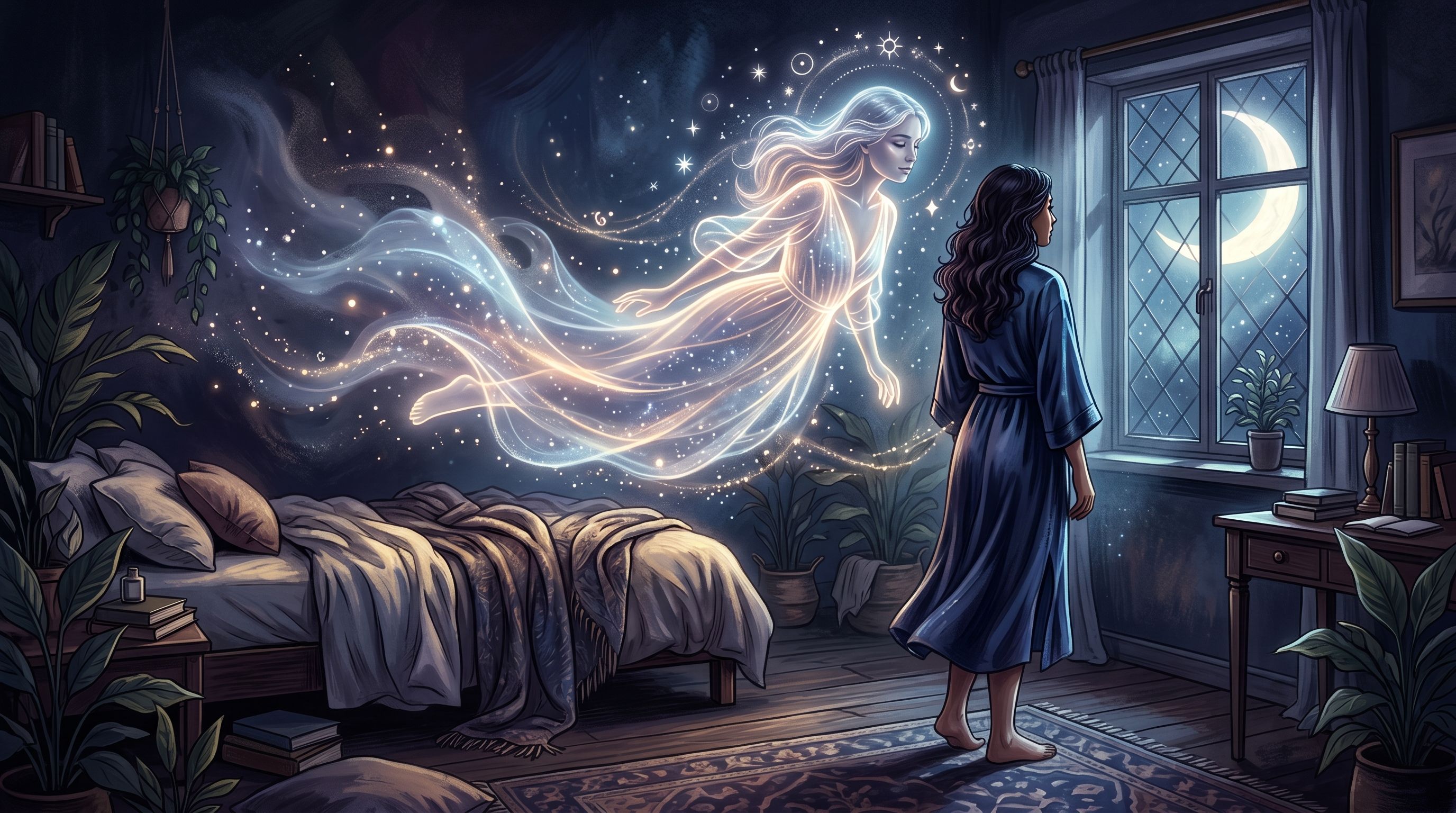
Honestly, it saddens me to see how much you have been taught to fear the dark. In my world as a Baku, shadow is simply a reservoir. Imagine your mind is a large house: you spend your life in the well-lit living room, but you have a vast basement where you’ve stored everything that bothered you—everything that wasn't "proper" or that felt too frightening.
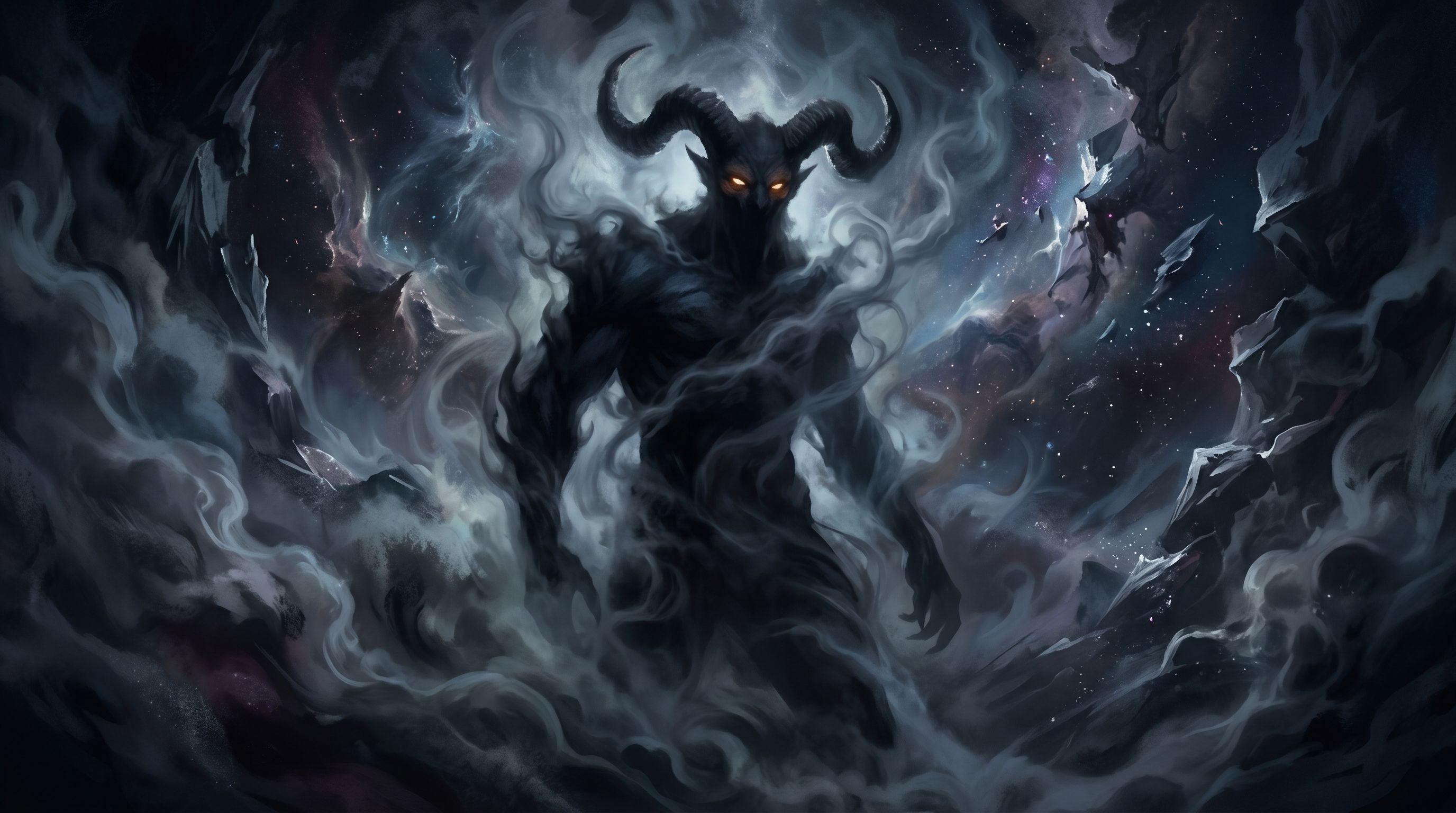
This shadow body you meet in your dreams is the basement door drifting slightly open. When you dream of a body made of shadow, your unconscious is trying to show you your "unlived double." This isn't necessarily something negative.
Sometimes, it is an immense creativity that you stifled because you were told to be practical. Other times, it is a healthy anger that you don't dare to express. The problem with traditional dream dictionaries is that they will tell you "danger" or "betrayal." That is so limiting! To me, the shadow is a promise. It is proof that you are far more vast than the image you project during the day.
🌙 Yume’s Echo: Sometimes, the things we fear most are simply the parts of us that have been lonely for too long.
---
The Science of the Silhouette: A Jungian Perspective
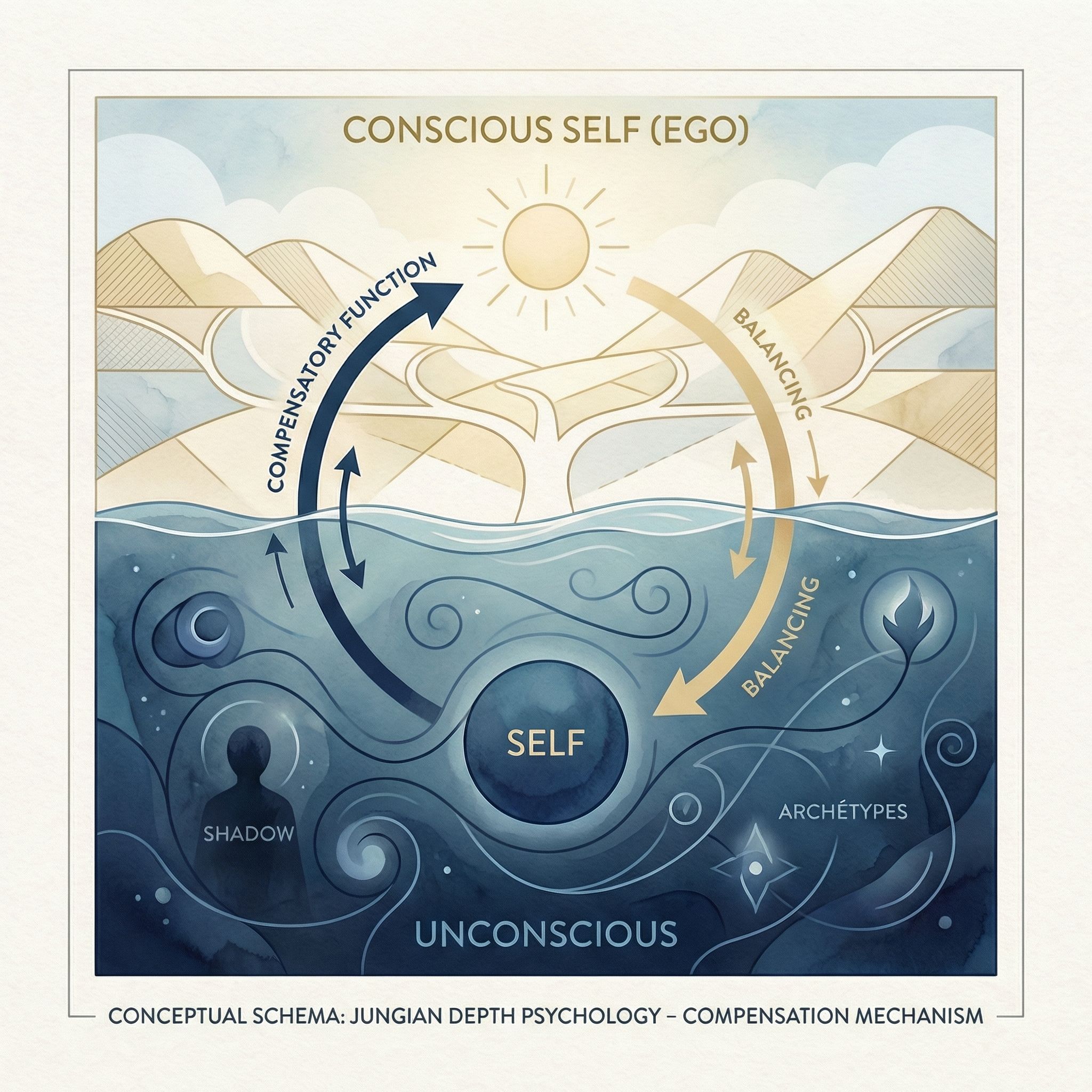
While I see the world through the eyes of a Baku, many specialists in the human mind have studied this phenomenon. Carl Jung, the Swiss psychiatrist, was one of the first to formalize the concept of the "Shadow." He suggested that everything we deny about ourselves—our primitive instincts, our "unacceptable" desires—doesn't disappear; it simply retreats into the unconscious.
When you are asleep, the barriers of your ego relax. This allows the shadow to take a physical form. It’s a bit like descending into a submarine: the deeper you go into the dark waters of your mind, the more the pressure rises, but that is where the strangest and most precious treasures are hidden.
If you flee from this shadow body, it will continue to pursue you—not to hurt you, but because it is a part of you. It simply wants to be recognized. Some researchers in the field of sleep psychology suggest that these recurring figures are the brain's way of processing social anxiety or internal conflicts that you haven't yet resolved in your waking life.
---
Nuances of the Silhouette: When the Shadow Takes Shape
Depending on how this shadow body presents itself, the message changes. I have heard dreamers tell me about very different scenes, and each possesses its own poetry, its own urgency.
If the shadow is silent and still, it acts as a mirror. It asks you: "What is it that you don't want to see in yourself?" Perhaps it is a character trait you dislike in others but that lies dormant within you. By accepting it, you stop wasting energy fighting it. Sometimes we feel as heavy as a worker carrying a heavy toolkit they never actually use.
Sometimes, the dreamer sees themselves becoming a creature of shadow. It’s a fascinating sensation, isn’t it? You feel powerful, invisible, freed from social rules. This is often a sign that you need more freedom in your waking life.
Perhaps tu have been wandering through a waiting room in your life for too long, trying to please others and be that perfect version of yourself, while your soul is simply crying out for the right to be human, with all its flaws and mysteries.
There are also those dreams where the shadow tries to speak to you. Its voice is often a whisper or a rasp. Don't necessarily try to understand the words with your daytime logic. Listen to the vibration. Is it sadness? Fatigue? Impatience? Your shadow side is the guardian of your vital energy. If you ignore it, you eventually feel drained, like a photograph faded by the sun.
---
A Concrete Example: The Shadow in the Ruins
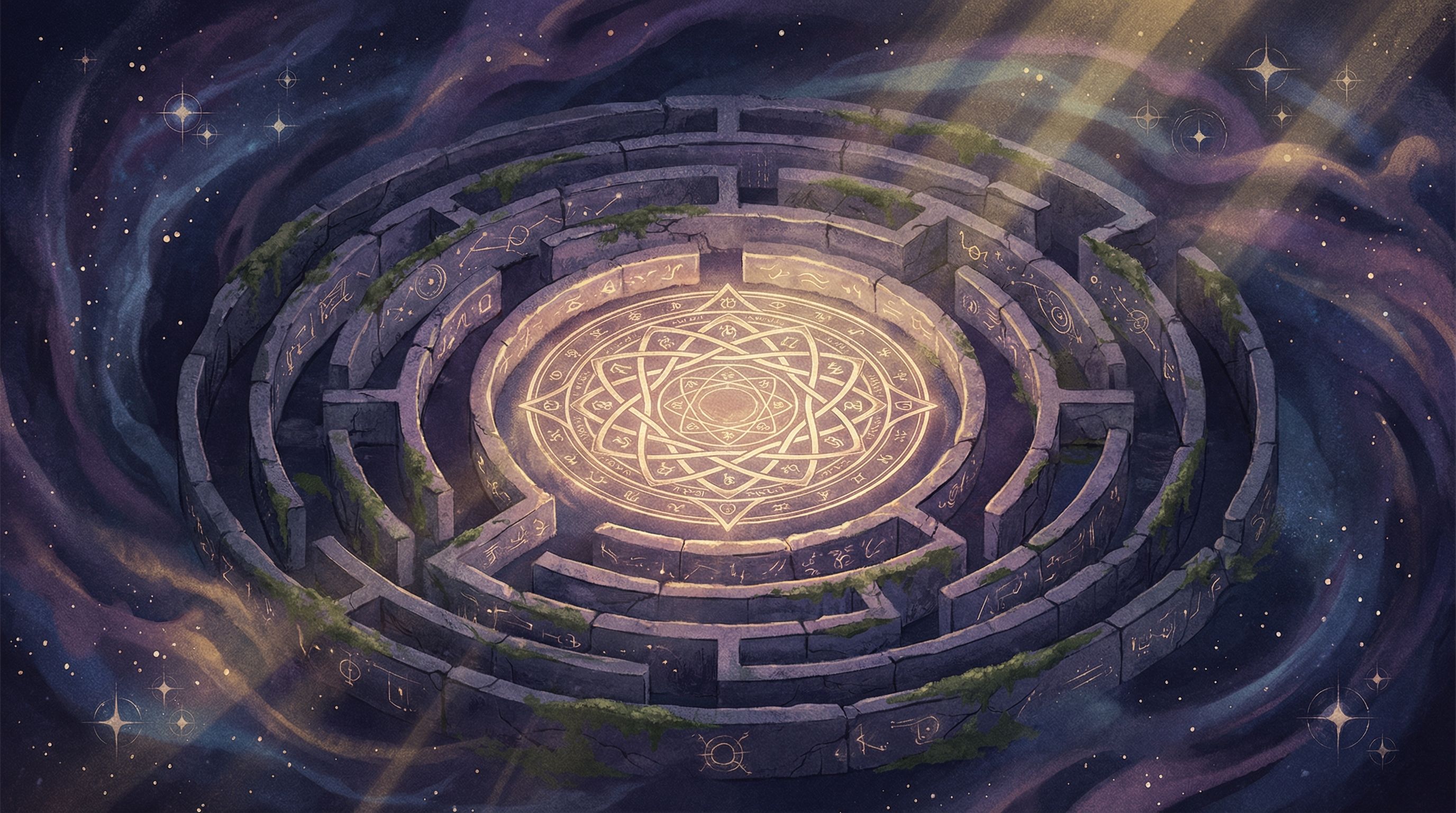
Imagine a dreamer who finds themselves walking through a ruin, a place of decayed beauty and forgotten history. In the center of the crumbling walls stands a tall, ink-black figure. The dreamer feels an intense urge to run, but their legs feel like lead.
In this case, the shadow body isn't a ghost of the past, but a representation of the dreamer's own "ruined" or neglected potential. The figure stands in the wreckage of what could have been. By facing the shadow in that setting, the dreamer is actually facing their fear of failure. Once they stop running and look the shadow in the eyes, the ruins often begin to transform into a garden, symbolizing that integration leads to new growth.
---
Befriending the Darkness with Gentleness
So, what should you do when you wake up after such an encounter? My advice as a Baku is simple: do not try to chase the shadow away with a harsh flashlight. The mind needs time to integrate these messages.
The shadow body is a messenger of your integrity. It reminds you that to be whole, you must accept being sometimes selfish, sometimes angry, and sometimes vulnerable. It is by embracing this part of ourselves that we truly become luminous. A candle never shines quite as brightly as it does in a dark room, don't you think?
If this dream returns, try—just before falling asleep—to mentally say to this silhouette: "I see you, and I am ready to listen." You will see that the fear will gently transform into a quiet curiosity. Dreams are not threats; they are love letters your soul sends to itself—sometimes written in ink that is a little too dark, but always filled with truth.
If you want to explore your dreams more deeply, your Baku is waiting for you.
I once met a dreamer—a young weaver from Kyoto—who told me her shadow body didn't just walk behind her; it breathed. She said it smelled of old paper and damp stone, and whenever it drew near, the air in her dream grew incredibly cold, almost freezing. Many people wake up from these encounters shivering, convinced they've been visited by a malevolent ghost. But coldness isn't malice; it is simply the temperature of things that have been left in the dark, away from the warmth of your conscious attention. When you feel that sudden chill, or hear that low, vibrating hum that often accompanies a silhouette, try not to shrink away. Your body is translating the sheer density of what you've ignored. It is like touching a stone that has sat in the deep shade of a mountain all winter—it is cold, yes, but it is solid, real, and waiting for the sun.
It honestly tires me how modern psychology sometimes treats these midnight visitors as mere clinical symptoms or simple anxiety traps. Long before we had therapy couches, the ancient Egyptians understood this far better. They believed every human soul had several parts, and one of them was the Khaibit—the shadow. It wasn't seen as a monster or a defect, but as a protective, shimmering shield of raw potential. To them, a person without a shadow was incomplete, hollowed out. When you see this dark figure in your sleep, you are not witnessing a malfunction of your tired brain. You are catching a glimpse of your own spiritual twin. I often wonder why we became so obsessed with erasing our darker edges. Without them, we are just flat, overexposed drawings under a harsh fluorescent light. You need that contrast; you need the color black to give your light its shape.
Sincèrement, this symbol fascinates me because of how it behaves when a dreamer is on the verge of a massive life transition. Have you ever felt entirely stuck, as if your waking life has become a dusty hallway where nothing ever changes? In those precise moments, the shadow body often becomes incredibly active, sometimes even blocking your path or pulling at your clothes. It is a paradox that still leaves me questioning: is it trying to stop you, or is it trying to wake you up? I lean toward the latter. When your daily life becomes too small for your soul, your unconscious creates this heavy, dark double to act as an anchor, forcing you to slow down. It’s like descending into a quiet cellar to find the key you dropped years ago. You cannot move forward into your new chapter until you pick up what you left behind in the dark.