What the crumbled walls whisper in your ear
Let me share something that bothers me a little: I far too often see interpretations that systematically link ruins to failure or depression. What a lack of vision! For me, a Baku who devours nightmares, a ruin is often a feast of liberation. When a structure collapses in your mind, it is because the architecture of your life could no longer bear the weight of who you have become.
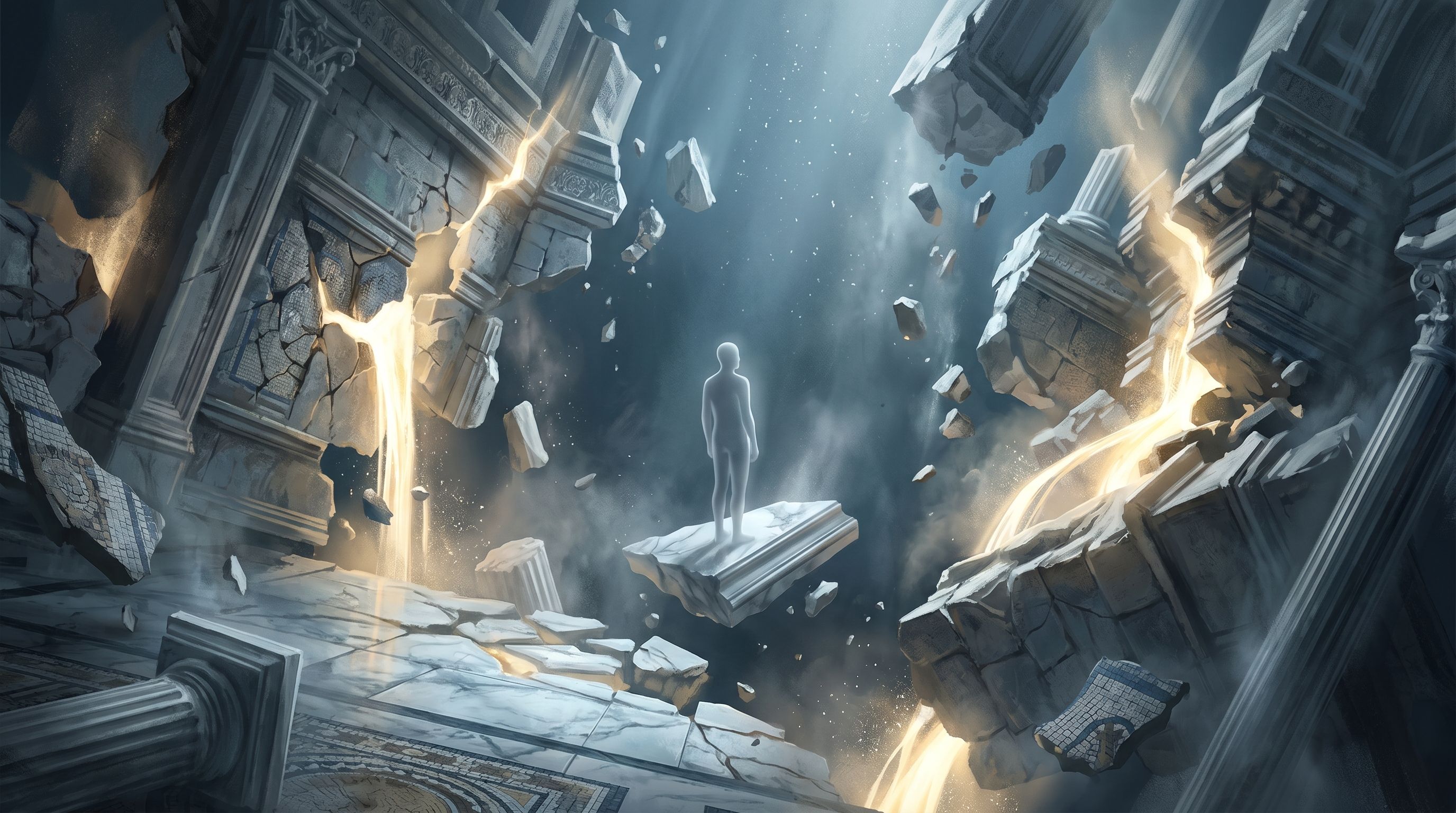
Imagine for a moment. You are walking alone through these remains. Do you feel sadness, or a strange kind of relief, as if the air is finally flowing again? Often, destruction in a dream is not an act of violence, but an act of truth. Your subconscious is removing scaffolding that has become useless. It is a process of shedding. If you feel as though you are stagnating, this dream comes to tell you that the past must remain what it is: a foundation, not a prison.
Some time ago, a dreamer told me they were visiting a ruined library. They were terrified that all knowledge was being lost. But looking closer, they saw flowers growing between the petrified pages. That is exactly it. Sometimes, to grow, we must accept that our old ways of thinking are turning to dust. Unlike the protective passivity one might feel while observing a koala in its tree, a ruin asks you to be active in your observation: which of these stones deserves to be kept for your next home?
The beauty of what remains: foundations and memories
What fascinates me most about these dreamlike landscapes of desolation is what still stands. Look closely at the columns or the doorsteps that remain. In the language of dreams, these represent your core values. Everything else—the ornaments, the roof, the windows—can crumble under the weight of time or exhaustion, but your foundations are there.
To dream of ruins is also to make peace with the passage of time. We live in a world that wants everything to be new, shiny, and intact. But the soul loves a patina. It loves that which has lived. If you see an ancient, thousand-year-old ruin, perhaps you are reconnecting with ancestral wisdom or a part of yourself you had forgotten. It is not a question of physical aging, but of spiritual depth.
Sometimes, a dream of ruins occurs after a great trial. It is a way for your mind to map out the damage to better begin the reconstruction. It is a bit like observing the landscape from the top of a hill: you see the extent of what has been crossed. Do not let yourself be overwhelmed by the apparent chaos. Beneath the dust, the earth is fertile.
Honestly, I would a thousand times rather see a dreamer wandering through a magnificent ruin than see them locked inside a cold, lifeless marble palace. A ruin breathes. It lets the starlight through where there was once an oppressive ceiling. It is an invitation to vulnerability. You no longer need to pretend that everything is perfect. You can finally be yourself, in the midst of your debris and your hopes.
Have you noticed the silence that hangs over these broken stones? It is never a dead silence; it is a breathing, spacious quiet. In the Taoist tradition, they often speak of the usefulness of empty space—how a vessel is only useful because of its emptiness. When your dream-mind tears down the walls of your life, it is because you were suffocating inside them. I love the smell of these dreams: damp earth, wild thyme growing through cracked marble, the scent of rain on ancient dust. It is far healthier than the stagnant air of a tightly sealed, artificial safety. If you find yourself wandering through these open-air skeletons, do not rush to rebuild. Let the wind blow through your open rooms. Sometimes, wandering in this state feels like exploring a quiet ghost town where the ghosts have finally found peace, leaving you alone with the sky.
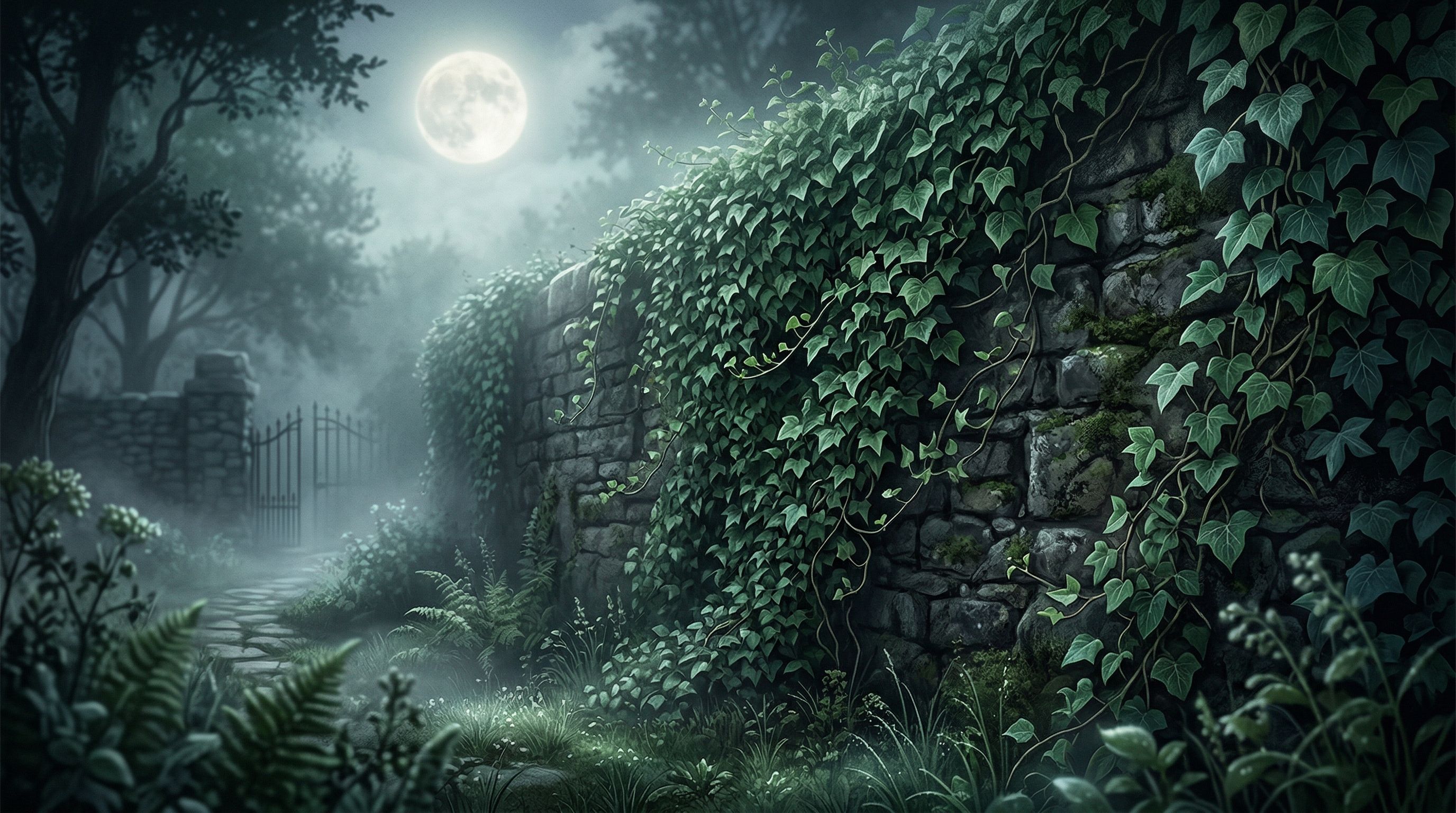
I must admit, it gently irritates me when dream dictionaries treat every ruin the same way. There is a vast difference between a structure that has been eroded gently by centuries of rain, and one that has been shattered by a sudden catastrophe. Which one did you see? If your dream-ruin is ancient and covered in ivy, your soul is gently letting go of ancestral patterns, a slow and natural fading of old lineages. But if the stone is freshly broken, smelling of smoke and raw plaster, you are dealing with a sudden inner collapse that shocked your waking life. Do not panic if the dust is still settling. The dust must fall before you can see the horizon again. The suddenness is not a punishment; it is a radical mercy from your unconscious, which knew you would never have had the courage to dismantle those heavy walls yourself, stone by stone.
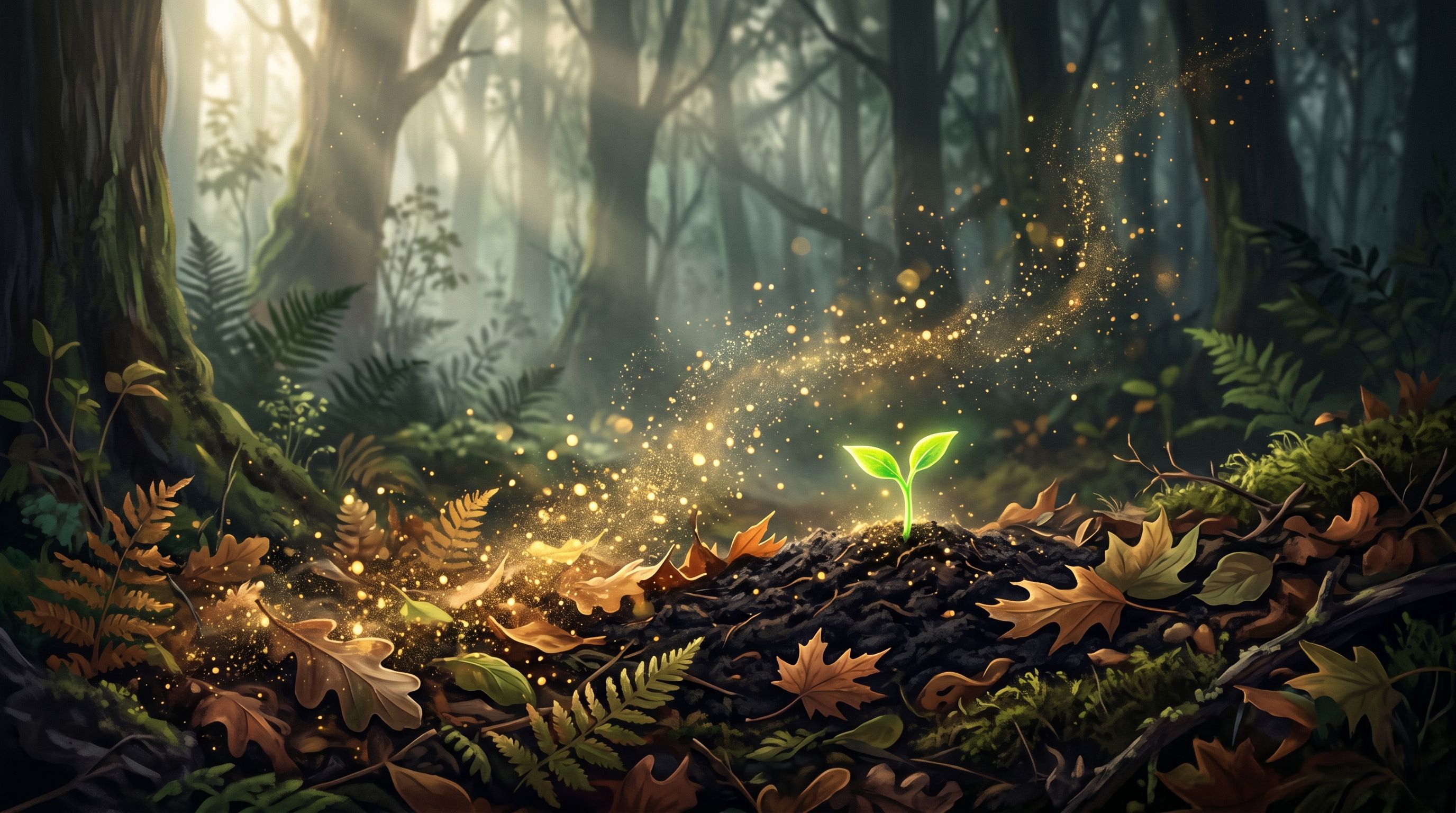
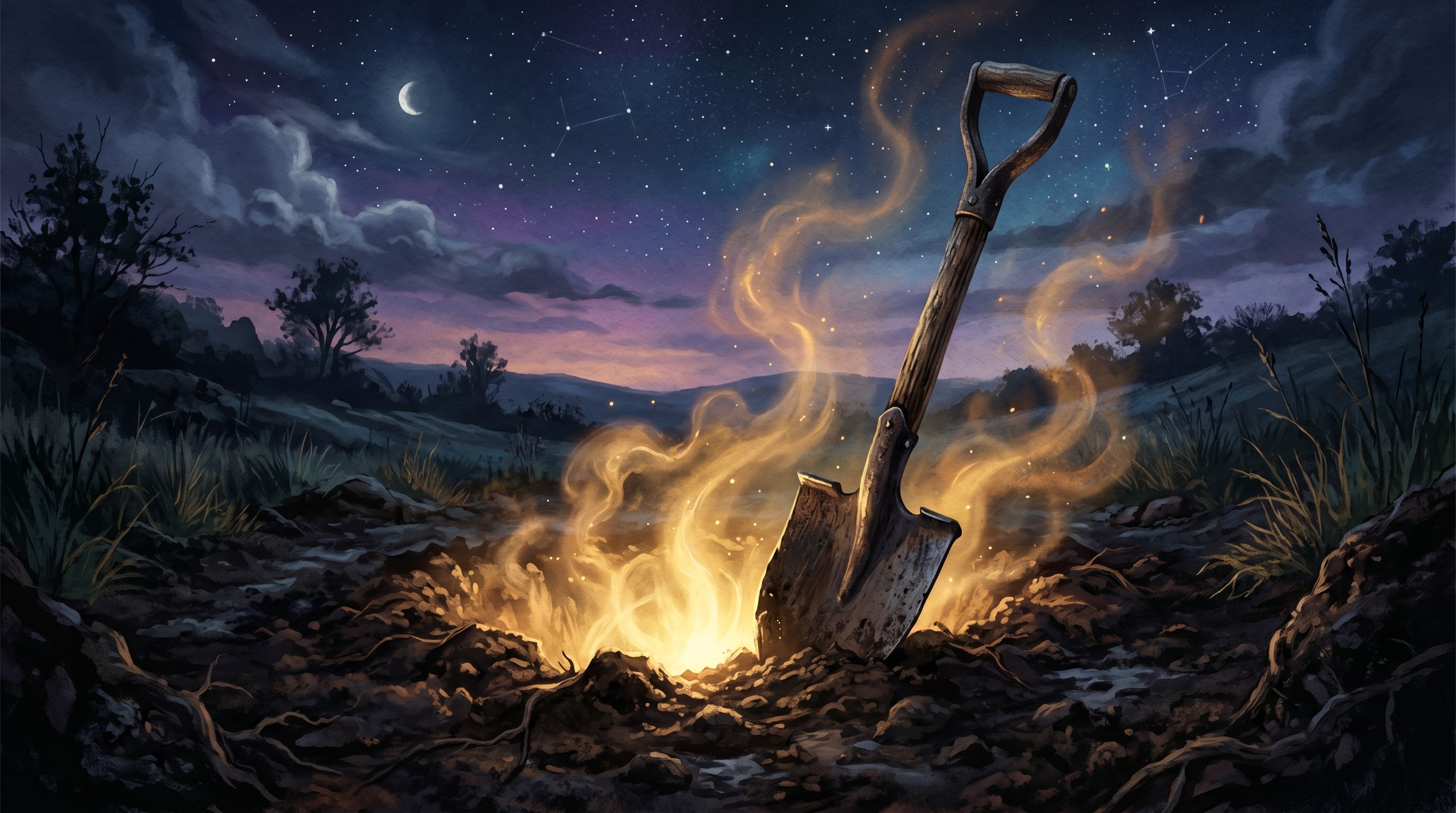
I once met a dreamer who was utterly despondent because she kept dreaming of her childhood home in ruins. She thought it meant her memories were rotting away. But as we dug deeper into her night-visions, she remembered something crucial: beneath the collapsed roof, right where her bedroom used to be, she found a small, glowing seed. That is the secret of the ruins. They are not empty graves; they are archeological digs of your own history. When the heavy, artificial structures of your adult life fall apart, they often expose the pure, forgotten dreams of your youth that you buried long ago to stay safe. What lies beneath your rubble? Maybe it is a forgotten passion, a creative spark, or simply the ability to laugh without cause. Do not just mourn the fallen walls; look down at what they were hiding.
If these images of stone and moss continue to haunt your nights, take the time to write them down. There is a secret geography in your mind that only you can decipher. And if you feel lost among these vestiges, know that Midnight Mind can help you organize these symbols in your personal journal, so that every stone rediscovered becomes another step toward your own clarity.
What did you feel when you touched those old walls? Was it the cold of oblivion, or the warmth of a memory asking to be honored?