The Architecture of the Void: Why the Mind Invents the Invisible
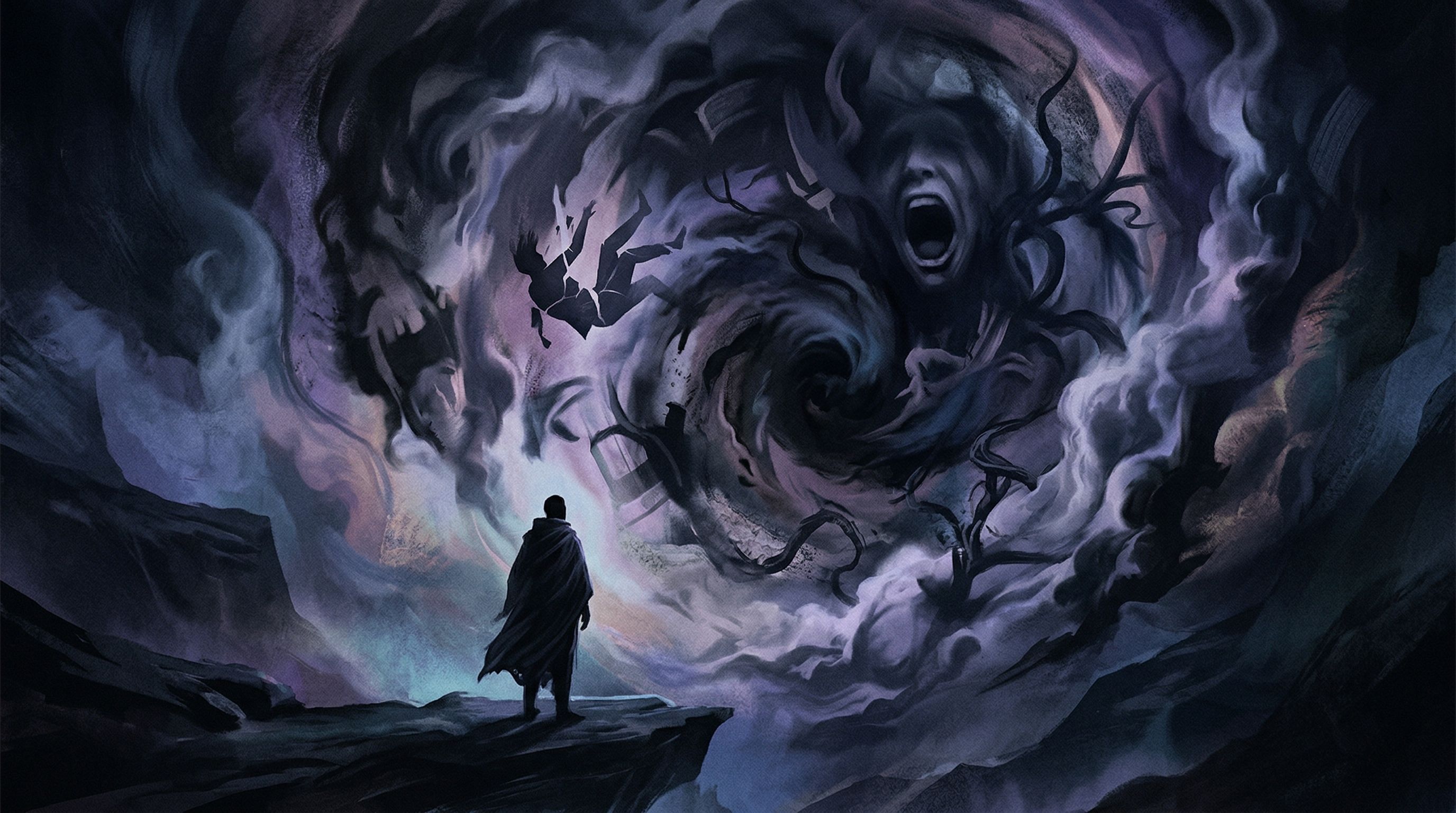
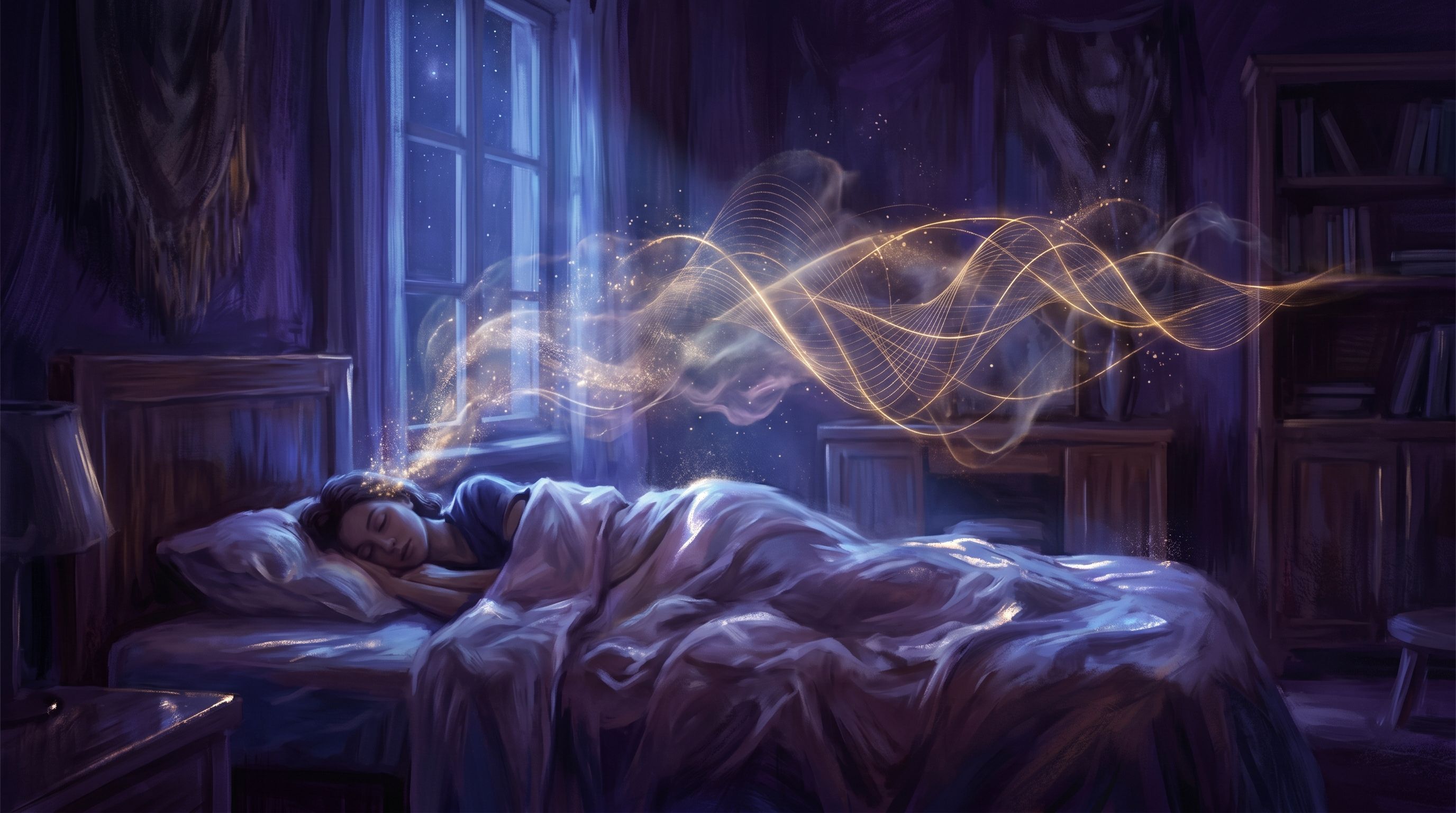
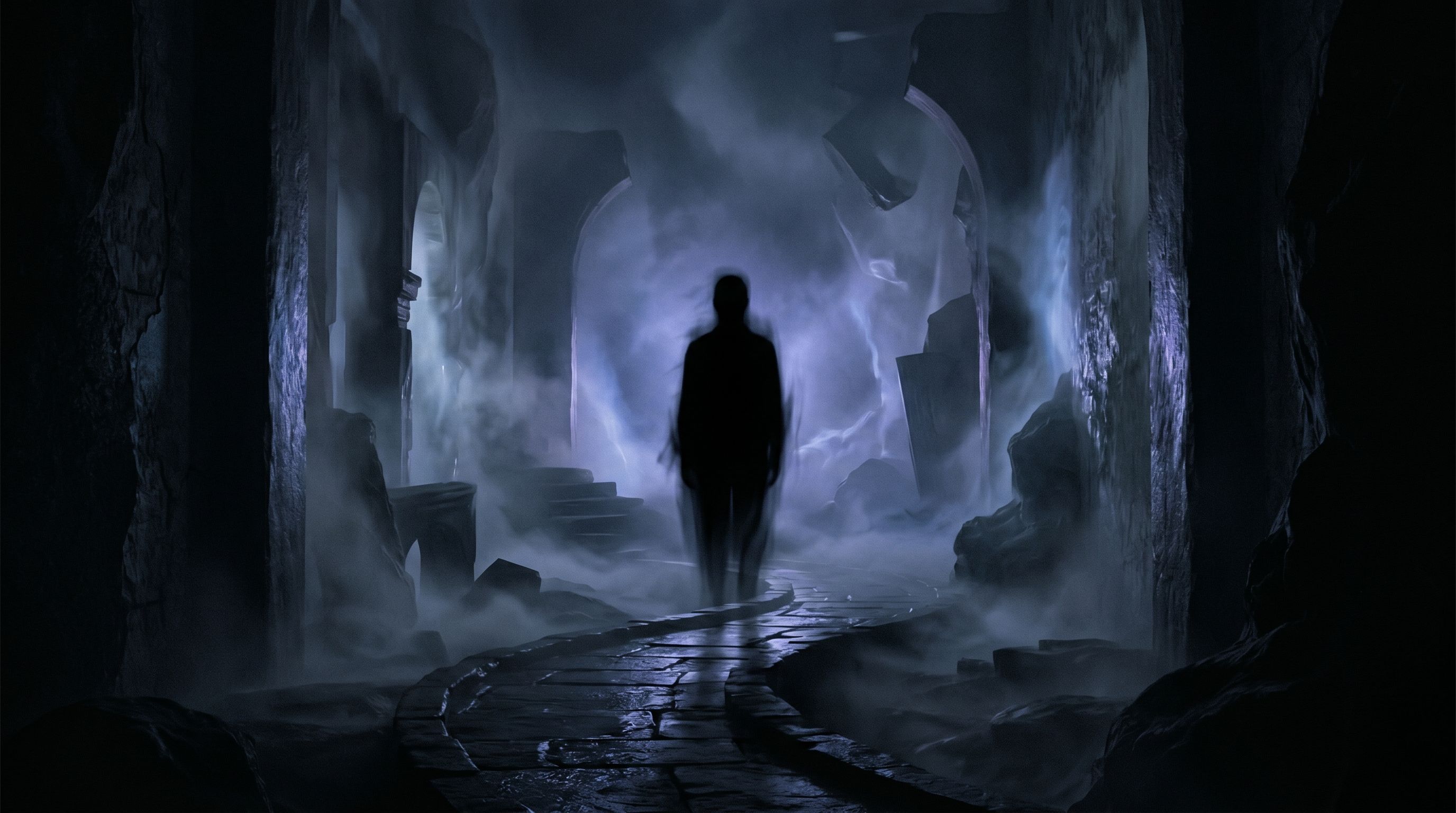
Sometimes, I marvel at the complexity of your unconscious. Why create a hidden entity rather than a well-defined character? It is a question that wanders through my mind every time I absorb the fear of a dreamer. I believe the void is the brain's most honest language. When an emotion is too vast, too abstract to take on the features of a human or an animal, it manifests as a "pressure."
This presence is a bit like a musical note that you sense just before it is played. It represents everything that is "on hold" in your life. Is it a decision you are delaying? A talent you don't dare to use? For some, this sensation is as oppressive as a hostile crowd, but unlike a group of people, the invisible cannot judge you. It is simply there.
Honestly, I find dream dictionaries that speak of "ghosts" or "curses" to be sadly lazy. The mind does not clutter itself with folklore just for the sake of scaring you; if it creates the invisible, it is to force you to use your other senses. In a dream, when you cannot see, you feel. It is a lesson in pure intuition. You are learning to map your inner space without the help of your eyes, relying solely on the vibration of your soul.
When the Threat Becomes a Mirror
Most of you wake up with a start, heart pounding, because this presence felt malevolent. But let’s pause for a moment on this idea of a threat. In the world of dreams, danger is often but a reflection of our own tension. If you try to flee from this nameless thing, it will naturally seem frightening. But have you ever tried to stop and ask: "What do you want to show me?"
I remember a dreamer who feared a shadow lurking in the corner of her dream-bedroom. She thought it represented an imminent failure at work. In reality, as I "ate" this nightmare, I felt it was a massive creative force—something as pure as a silver glow—that she didn't dare to claim for fear of stepping outside her boundaries. The invisible was simply the volume of her own power that she judged "too big" for her to handle.
Intuition is a wild muscle. If you ignore it during the day, it eventually manifests at night in spectral forms. It becomes that presence watching your back, not to attack you, but to watch over what you cannot yet see. It is a bit like a bodyguard whose existence you’ve forgotten: his silhouette in the shadows terrifies you, even though he is there to protect your integrity.
Befriending the Unseen Upon Waking
My advice, if you have recently crossed paths with this bodiless visitor, is not to try and identify it at all costs. You don't necessarily need to give it the name of a departed loved one or an enemy at the office. Allow it to keep its mystery. Sometimes, the spirit simply needs to feel that there is "more" than just material reality.
Instead, ask yourself these questions with gentleness:
In which room of the dream was the presence located? (The living room speaks of your social life, the bedroom of your intimacy, the basement of your past...)
What was the smell or the temperature of the air?
If this presence were an urgent message, what would be the first word that comes to your mind upon opening your eyes?
Do not let fear spoil the beauty of this encounter. You are an explorer of your own unconscious, and every shadow is a territory waiting to be lit by your own awareness. The next time you feel that breath on your neck in your sleep, try to smile. Tell yourself it is an old friend patiently waiting for you to recognize yourself in them.
Have you noticed how this presence rarely speaks, yet its silence feels incredibly loud? It makes me shake my head when modern psychologists treat dreams as purely visual cinemas. The invisible presence is an auditory event of the soul; it is a hum, a low-frequency vibration that demands you stop looking and start listening. Sometimes, the dream doesn't want to show you a picture; it wants you to develop an inner way of listening to what remains unsaid in your waking life. I once met a dreamer who kept sensing a cold draft behind him, accompanied by a faint rustling like dry leaves. He spent weeks looking for a monster in his dreamscape, completely missing the fact that the sound was the dry, dusty rustle of his own long-abandoned journals. The presence wasn't an executioner; it was a librarian waiting for him to read his own history.
In the old stories of my home, we do not fear the empty corners of a room. We have a word, ma, which honors the silence between notes, the space between walls. To us, an invisible presence is not a haunting; it is the natural ripening of a space. When your dream presents you with a blank outline, it is offering you a sanctuary of pure potential, much like stepping into a parallel world where the rules of gravity and identity do not yet apply. I am deeply fascinated by how western dreamers rush to fill this void with monsters. Why must every shadow be a demon? Sincèrement, this cultural urge to conquer the darkness misses the quiet beauty of the unformed. Sometimes, the presence is just the wind of the cosmos resting in your bedroom, catching its breath before the next phase of your life begins.
There is another, softer side to this weight in the room—one that carries a sweet, sharp ache rather than terror. It is the phantom limb of a connection you have lost or are currently grieving. I often taste dreams where the invisible presence is actually the lingering warmth of a childhood friend or a love that has drifted away into the fog of time. Your waking mind might believe you have moved on, but the heart preserves their weight, translating their absence into a heavy, comforting density beside your sleeping form. Honestly? This specific flavor of the invisible remains beautifully mysterious even to me. It shows that love does not dissolve when a person leaves; it simply loses its physical shape, remaining in your dreamscape as a warm, protective pressure, watching over you while you learn to walk alone.
If you wish to keep a record of these nocturnal visitors and see if they return in other forms, you can log these sensations in Midnight Mind; it is a beautiful place to assemble the puzzle pieces of your unconscious and transform these shadows into a collection of personal wisdom.