The Weight of the Soul: Distinguishing the Ordinary from the Extraordinary
Most nights, your mind is a busy janitor, sweeping up the debris of your waking hours. You dream of missed trains, forgotten passwords, or awkward conversations at the grocery store. These are what Carl Jung called "little dreams"—subjective, personal, and largely concerned with your daily ego. They are necessary for processing emotion, but they rarely leave a permanent mark on your spirit.
Then, there is the other kind. The dream that hits you like a physical blow.
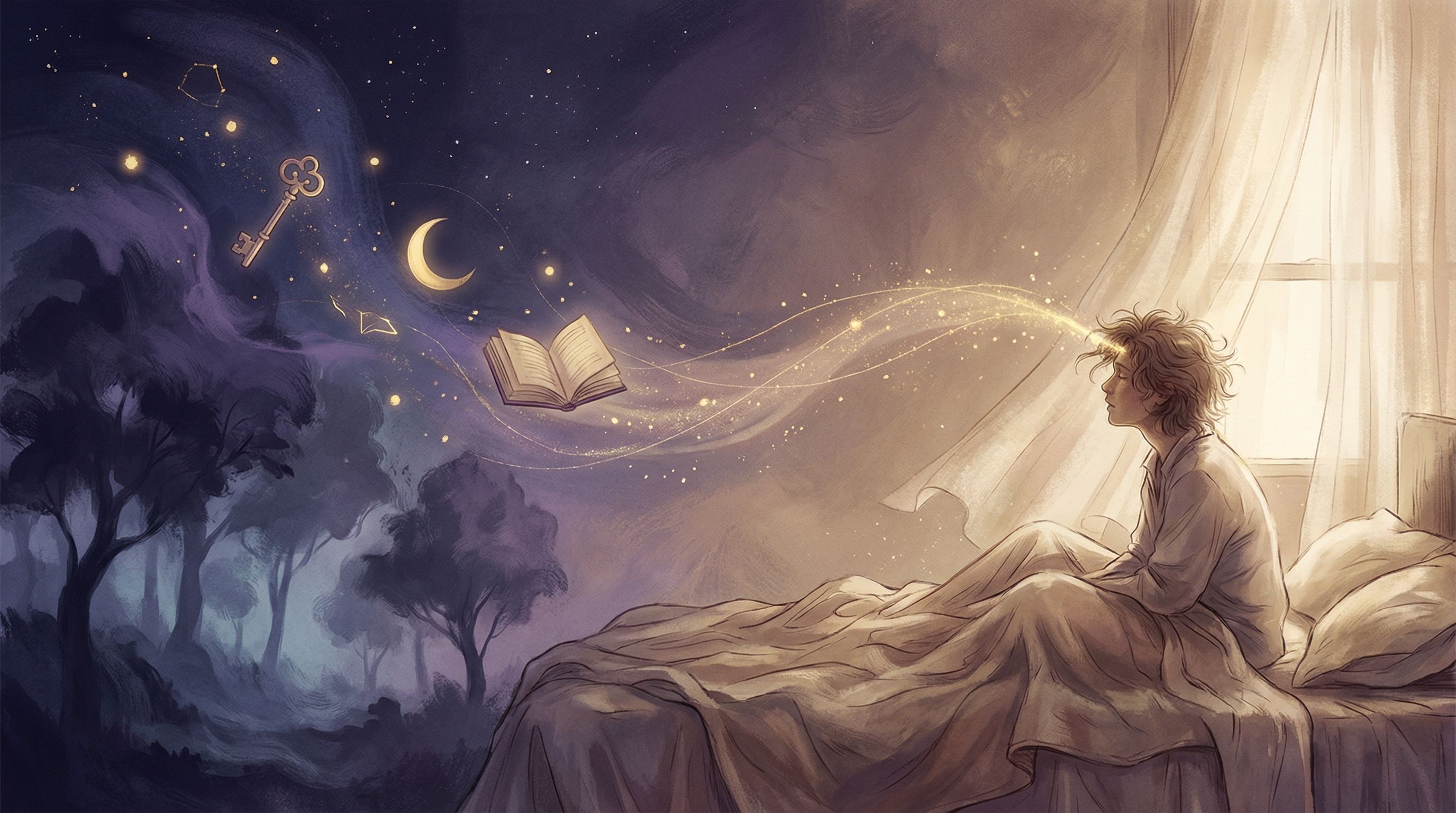
A "Big Dream" doesn't feel like a movie you are watching; it feels like a reality you are inhabiting. It carries a quality of "numinosity"—a term used to describe a sense of spiritual or supernatural power that commands your attention. When you experience one, you don't wake up and wonder, "What was that about?" You wake up knowing that something significant has just occurred, even if you cannot yet put it into words.
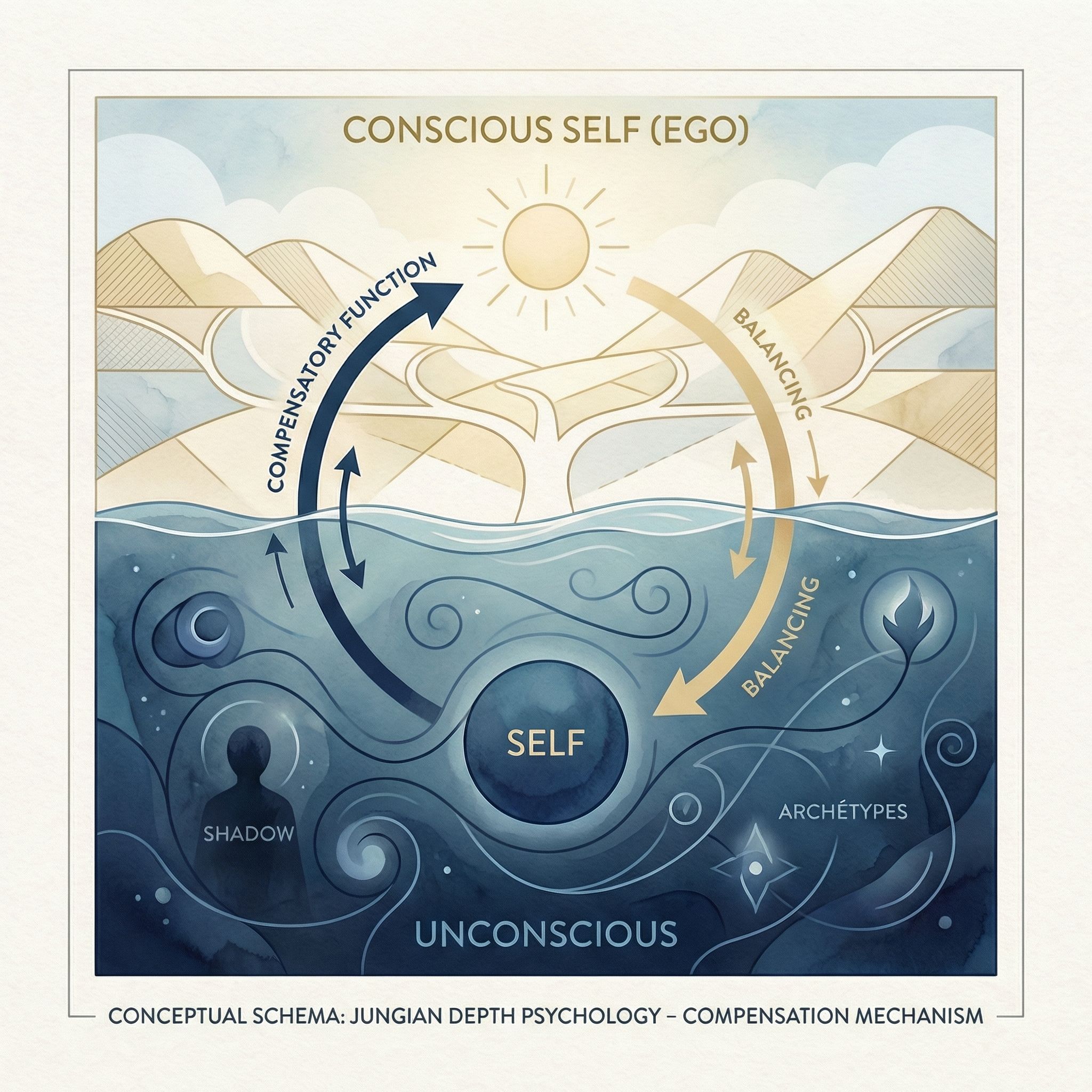
These experiences often emerge during times of great transition: adolescence, mid-life, periods of grief, or moments of profound creative block. They are the unconscious mind's way of course-correcting when the conscious ego has lost its way. They draw from the collective unconscious, using a library of symbols that belong to all of humanity, transcending your personal history.
"Sometimes I wonder if we are the ones dreaming, or if the dream is dreaming us into existence for a few hours each night."
---
The Anatomy of a Revelation: How to Identify Your Big Dreams
How can you be certain that what you experienced was a Big Dream? It isn't always about the scale of the imagery. You don't need to see galaxies colliding to have a Big Dream. Sometimes, a single, silent look from a stranger in a dream can carry more weight than a thousand explosions.
The first clue is the emotional resonance. In an ordinary dream, you might feel annoyed or slightly anxious. In a Big Dream, the emotions are primordial. You might feel a terror that is older than your own life, or a joy so radiant it feels divine. These emotions linger. They color your entire day, making the "real" world seem thin and pale by comparison.
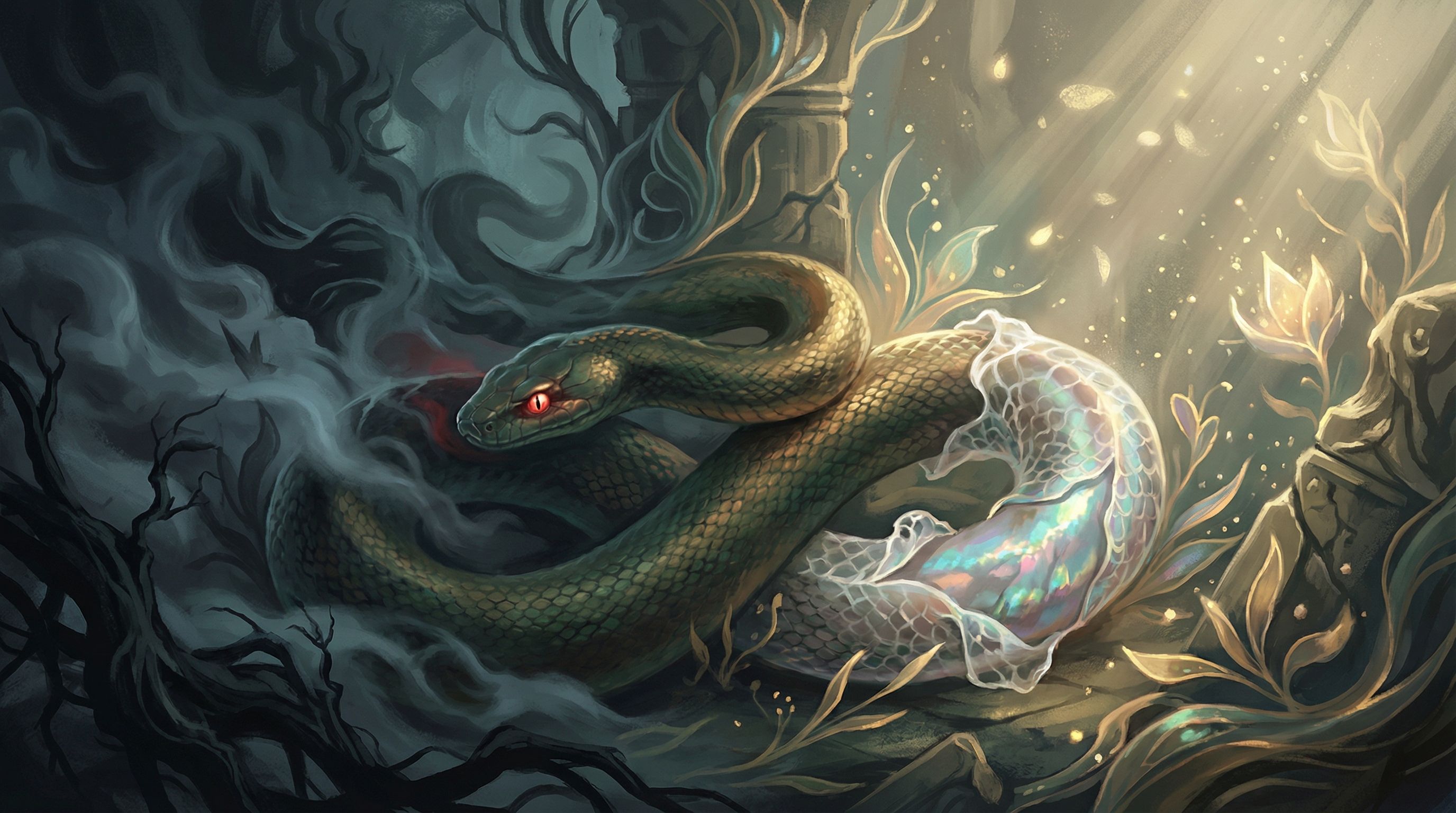
The second clue lies in the archetypal nature of the symbols. You might encounter the Shadow, the Wise Old Man, the Great Mother, or the Eternal Child. These aren't just people you know; they are figures that feel "larger than life." They represent universal human patterns. When you see a serpent, a golden key, or a vast ocean, your mind isn't just thinking of biology or geography; it is touching a reductive view of the complexity of the unconscious that connects you to every human who has ever lived.
Finally, there is the sense of calling. A Big Dream often feels like an invitation or a command. It leaves you with a feeling of "ought"—that you ought to change something, move somewhere, or finally face a truth you have been avoiding. It is a milestone on the path of individuation, the process of becoming who you truly are.
---
A Concrete Example: The Golden Compass
Imagine a young woman, Sarah, who feels stuck in a corporate job that drains her spirit. She has an ordinary dream about her boss being a dragon—a simple compensatory function of dreaming reflecting her daily frustration.
But one night, she has a Big Dream. She is standing on a vast, frozen tundra under a sky filled with three suns. An old woman with eyes like stars hands her a compass made of solid gold. The compass doesn't point North; it points toward a distant, singing mountain.
Sarah wakes up weeping. The dream doesn't tell her "quit your job," but the feeling of the golden compass stays with her for months. It gives her the internal "orientation" she lacked. She realizes the compass represents her own intuition, which she had frozen out of her life. This is the power of a Big Dream: it provides a symbolic map for a territory that words cannot describe.
---
The Art of Listening: Beyond the Dictionary
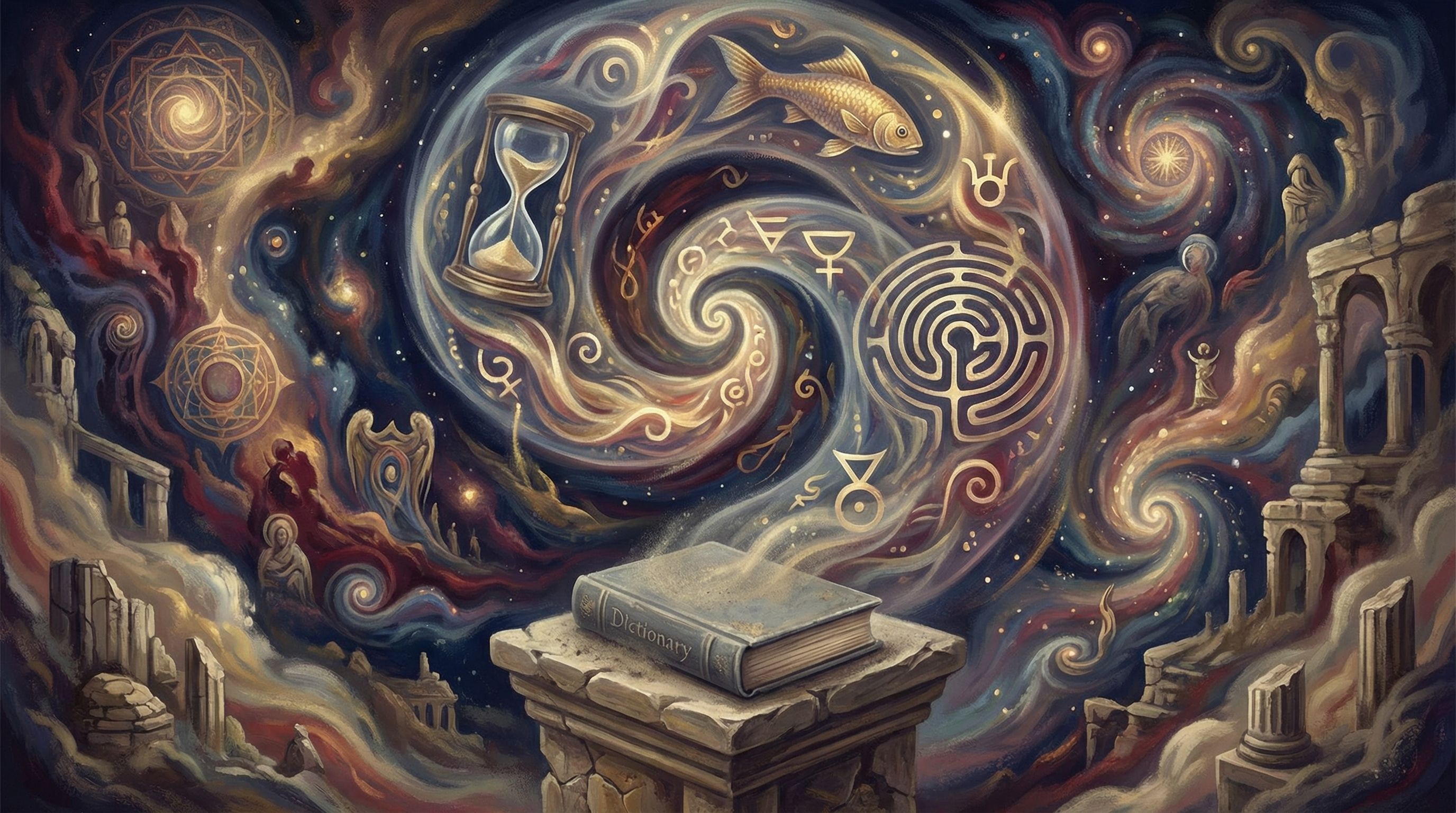
When you have a dream this powerful, your first instinct might be to reach for a book or a website to tell you what it means. I must warn you: be careful. Most dream dictionaries are far too simplistic. They tell you that a "dog" means a loyal friend or a "house" means your body.
But your unconscious is more poetic and nuanced than a glossary. To interpret a Big Dream, you must become an explorer of your own associations.
1. Amplification: Instead of looking for a definition, look for the quality of the symbol. If you dreamed of a lion, don't just think "courage." Think about this specific lion. Was it wounded? Was it made of stone? Was it speaking a language you almost understood? 2. Active Imagination: Jung suggested a technique where you return to the dream state while awake. Close your eyes, visualize a character from the dream, and ask them: "Why are you here? What do you want from me?" 3. The Somatic Check: When you think of a certain interpretation, how does your body react? If your chest tightens or you feel a sudden "click" of recognition, you are likely close to the truth. If you feel nothing, the interpretation is probably just a mental construct.
I often find that the most profound dreams are the ones that refuse to be fully "solved." They are meant to be lived with, like a piece of music that reveals new layers every time you hear it.
---
Integration: Bringing the Dream into the Light
A Big Dream is a gift, but if you don't open it, it remains just a beautiful box on your shelf. Integration is the process of taking the energy of the dream and manifesting it in your waking life.
This doesn't always mean making a radical change. Sometimes, integration is as simple as painting an image from the dream, or carrying a small stone in your pocket to remind you of a symbol you saw. It is an act of honoring the unconscious. By acknowledging the dream, you tell your deeper self: "I am listening. I value what you have shown me."
Some researchers suggest that the act of recalling and reflecting on vivid dreams can improve emotional regulation and self-awareness. While we are still mapping the exact neurobiology of how these "Aha!" moments work, the subjective benefit is undeniable. You move from being a passive victim of your circumstances to being an active participant in your own evolution.
"We spend a third of our lives in the dark. It would be a pity to treat that time as if it were empty."
---
I once met a dreamer who swore she could still smell the wet, metallic tang of ancient rain on her skin for three days after waking from a Big Dream. Honestly, who am I to doubt her? These visitations don't just happen behind your closed eyelids; they reverberate in your chest, altering your heart rate and leaving a strange, heavy warmth in your limbs. It is as if the dream-world temporarily breaks the physical barrier to leave a tangible fingerprint on your waking flesh. When you experience this, don't rush to analyze it with your sharp, logical mind. Sit with the physical sensation first. Let the coldness of that tundra or the heat of that divine fire settle into your bones before you try to translate it into human words. Some symbols are meant to be felt, not deciphered.
It mildly irritates me when modern guides treat these sacred visitations as mere psychological data to be categorized and filed away. In the older traditions I guard, we do not view a Big Dream as a product of your brain, but as a literal landscape you visit—a threshold where the thin veil between your solitary life and the vast, whispering cosmos dissolves. You are stepping into a temple that existed long before you were born. This is why preparation matters; you cannot stumble into such deep waters with a cluttered, noisy mind. By cultivating a quiet night sanctuary, you signal to these ancient forces that you are ready to receive them. They do not visit noisy rooms. They require a certain stillness, a reverent hollow in your day-to-day life where their heavy, golden keys can actually turn.