AT A GLANCE
TL;DR
Tracking dreams over a long period reveals seasonal emotional cycles and recurring themes.
Structured data allows you to identify stress triggers before they manifest in your waking life.
Consistency in recording fragments is more important than detailed narratives for trend analysis.
Quantifying the "invisible" helps bridge the gap between scientific observation and personal intuition.
How to Track and Analyze Your Dream Patterns Over a Year for Deep Self-Discovery
The Seasonal Rhythm of Your Unconscious
Have you ever noticed how your mood shifts with the light of the seasons? Your dreams do the same. We often think of our inner world as a static place, but it breathes in sync with the world around us.
Some research suggests that the time of year can influence the "flavor" of our dreams. For instance, a study published in Frontiers in Neuroscience (2022) observed that dreams reported during the winter months tended to carry a heavier emotional load, often leaning toward anxiety, compared to the lighter themes of summer.
This isn't just about the weather. It’s about how your brain processes the environment, the length of the days, and your own biological rhythms. When you look at your dreams over 365 days, you stop seeing isolated stories and start seeing a climate.
"Je vois souvent les rêves comme des marées. Parfois, l'eau est haute et agitée ; d'autres fois, elle se retire pour laisser apparaître des trésors enfouis dans le sable de ton esprit."
---
Turning Nightly Visions into Actionable Data
We live in the era of the "Quantified Self." You probably already track your steps, your heart rate, or your screen time. But why stop at the edge of consciousness? Your nights contain massive, personalized data that is far more intimate than any step counter.
To truly understand your trends, you need to move beyond the traditional diary. You need a structured, searchable, analyzable record. Imagine being able to filter your year by emotion or symbol.
Think about what you could discover if you tracked:
- Thematic Tags: Are you dealing with recurring nightmares every time you have a deadline at work?
- Emotional Intensity: Is your "baseline" dream state one of curiosity or one of fear?
- Social Presence: Who appears in your dreams most often, and does that correlate with your real-life social energy?
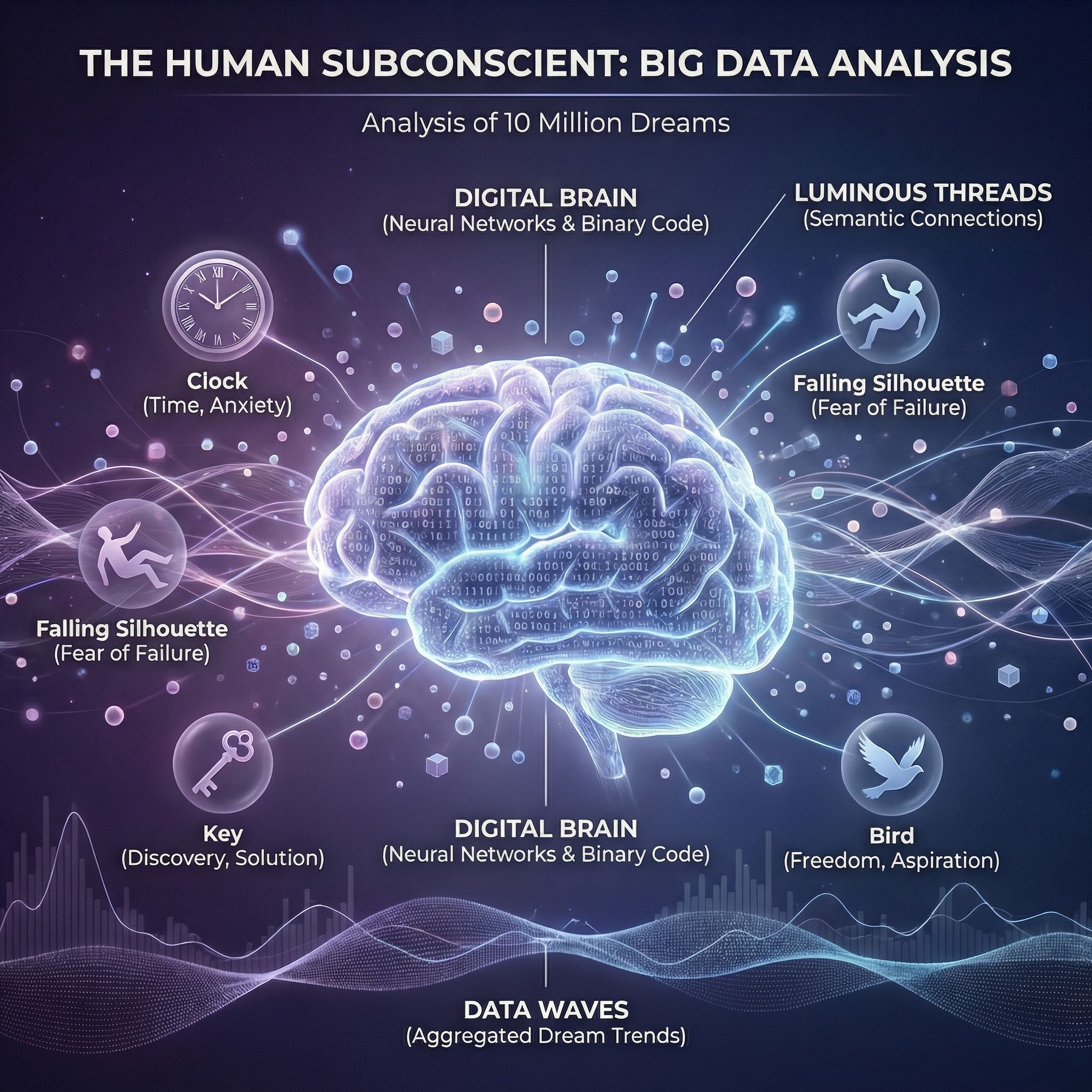
By quantifying these elements, you transform a fleeting mist into a solid architecture. You begin to see the "Big Data" of your own soul.
---
Why Your Future Self Needs Your Past Dreams
You might wonder if this is just a hobby for data enthusiasts. It is much more than that. Analyzing your long-term dream trends is a form of preventative self-care.
When you identify that your dreams become more fragmented or anxious three weeks before you actually feel "burnt out," you gain a superpower. You can anticipate periods of high stress. You can implement rituels or meditation before the storm hits.
Furthermore, this practice is a goldmine for your creative life. Many artists and thinkers have used their dream history to find recurring symbols that define their work.
A Concrete Example: Imagine an architect who feels stuck on a project. By looking back at a year of dream logs, they notice a recurring motif of "impossible staircases" that appears whenever they feel a lack of freedom. Instead of ignoring it, they use that visual language in their designs. By recognizing the pattern, they turn a subconscious frustration into a conscious creative breakthrough. This isn't magic; it's the result of having the data to see the connection.
---
The Art of Consistency: How to Start Your Map
If you want to build this map, you don't need to write a novel every morning. In fact, over-complicating it is the fastest way to quit.
First, focus on Emotional Granularity. Instead of just saying a dream was "bad," try to name the specific feeling. Was it helplessness? Was it embarrassment? Was it a strange, nostalgic longing?
Second, be kind to yourself. You will have "dry spells" where you remember nothing. That is also data. A week of no dreams might suggest you are in a deep, perhaps exhausted, sleep state, or that your mind is preoccupied with survival rather than reflection.
Try to note:
- The primary emotion upon waking.
- One "Anchor Symbol" (the most vivid object or person).
- A simple intensity score from 1 to 10.
Over months, these small data points will weave together into a tapestry that tells the story of your year in a way no photo album ever could.
---
Measuring the Invisible: A Scientific Perspective
Is it truly possible to measure something as subjective as a dream? Scientists struggle with this every day. Because dreams happen in the privacy of your own skull, we rely on "self-reporting," which is inherently biased.
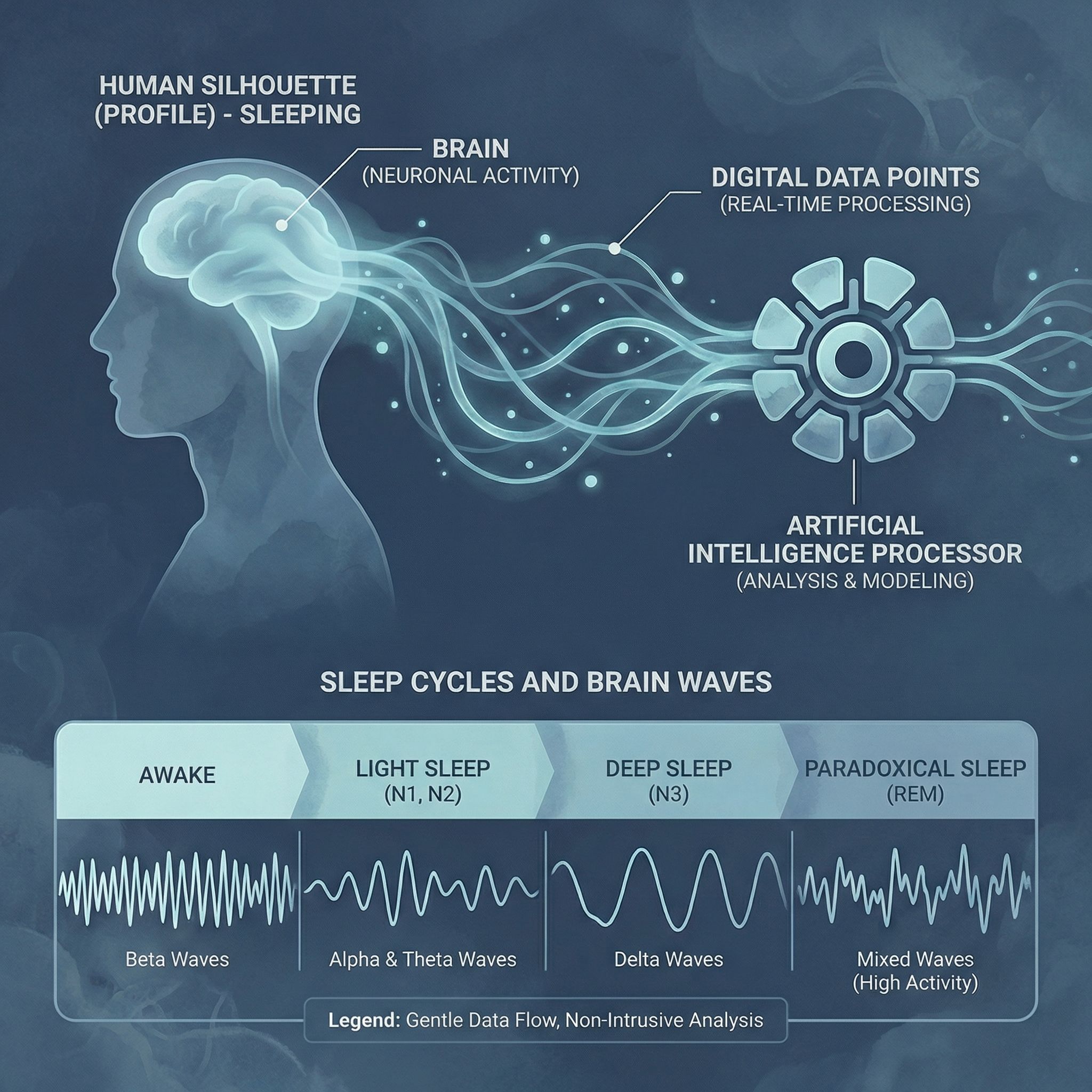
However, specialists in sleep science emphasize that while the content of a dream is subjective, the patterns are measurable. We know that REM sleep—the stage where most vivid dreaming occurs—is crucial for emotional regulation.
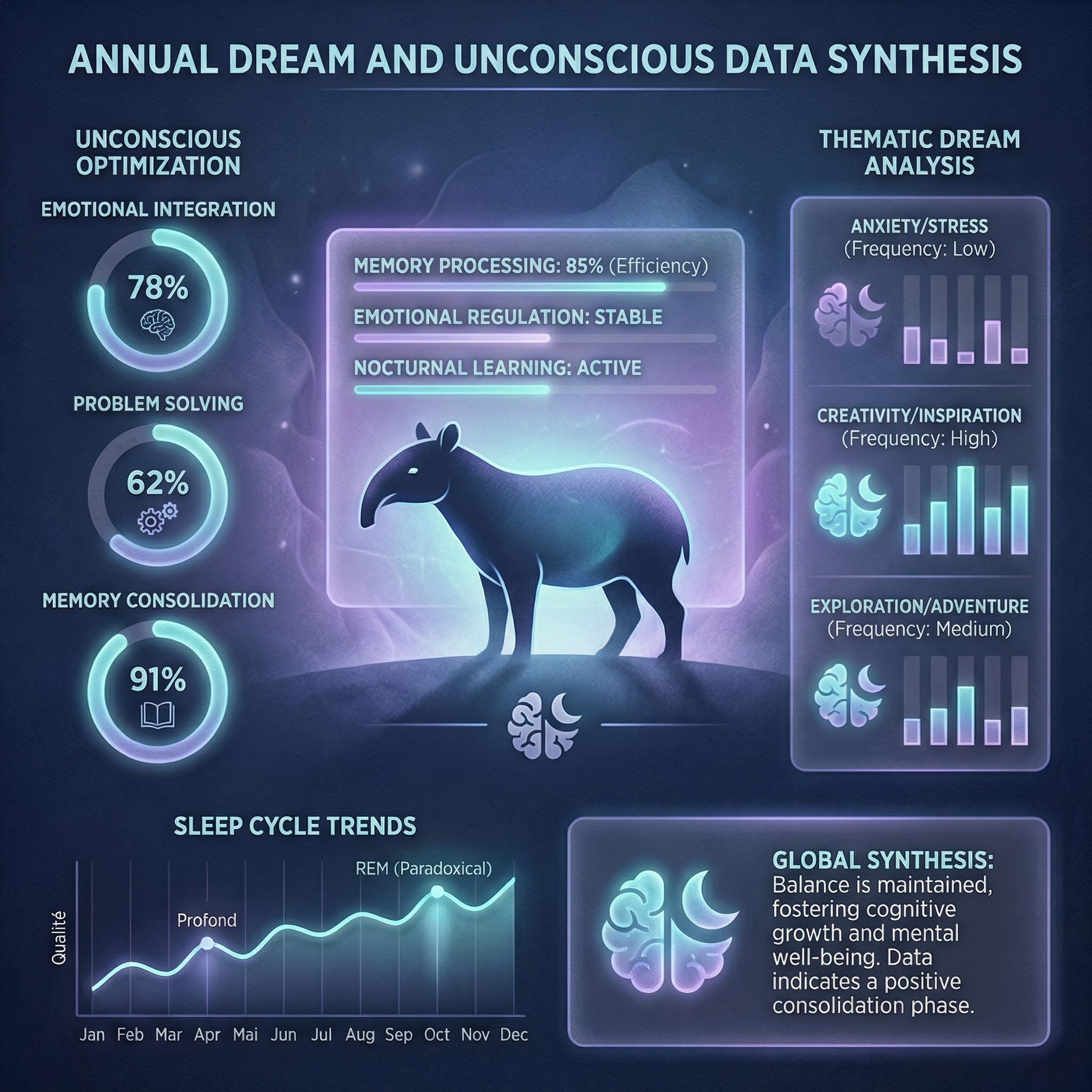
By tracking your dreams, you are essentially monitoring your brain's emotional processing unit. You aren't just "telling stories"; you are observing your mind as it attempts to heal, categorize, and solve the problems of your waking life.
"Ne cherche pas toujours une vérité absolue dans un seul rêve. La vérité se cache dans la répétition, comme un murmure qui finit par devenir un chant."
---