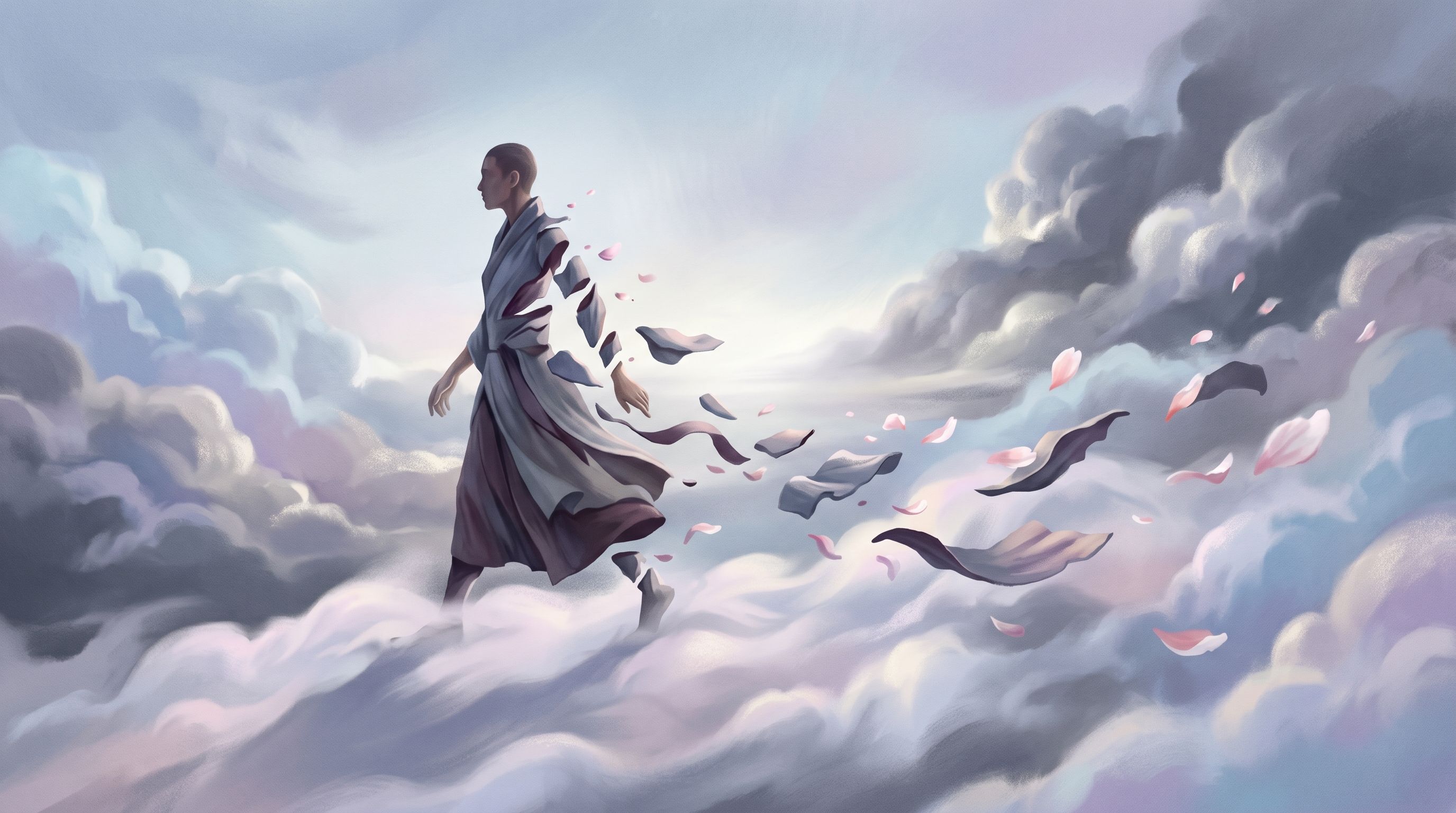
The automaton: when daily life drains our spirit
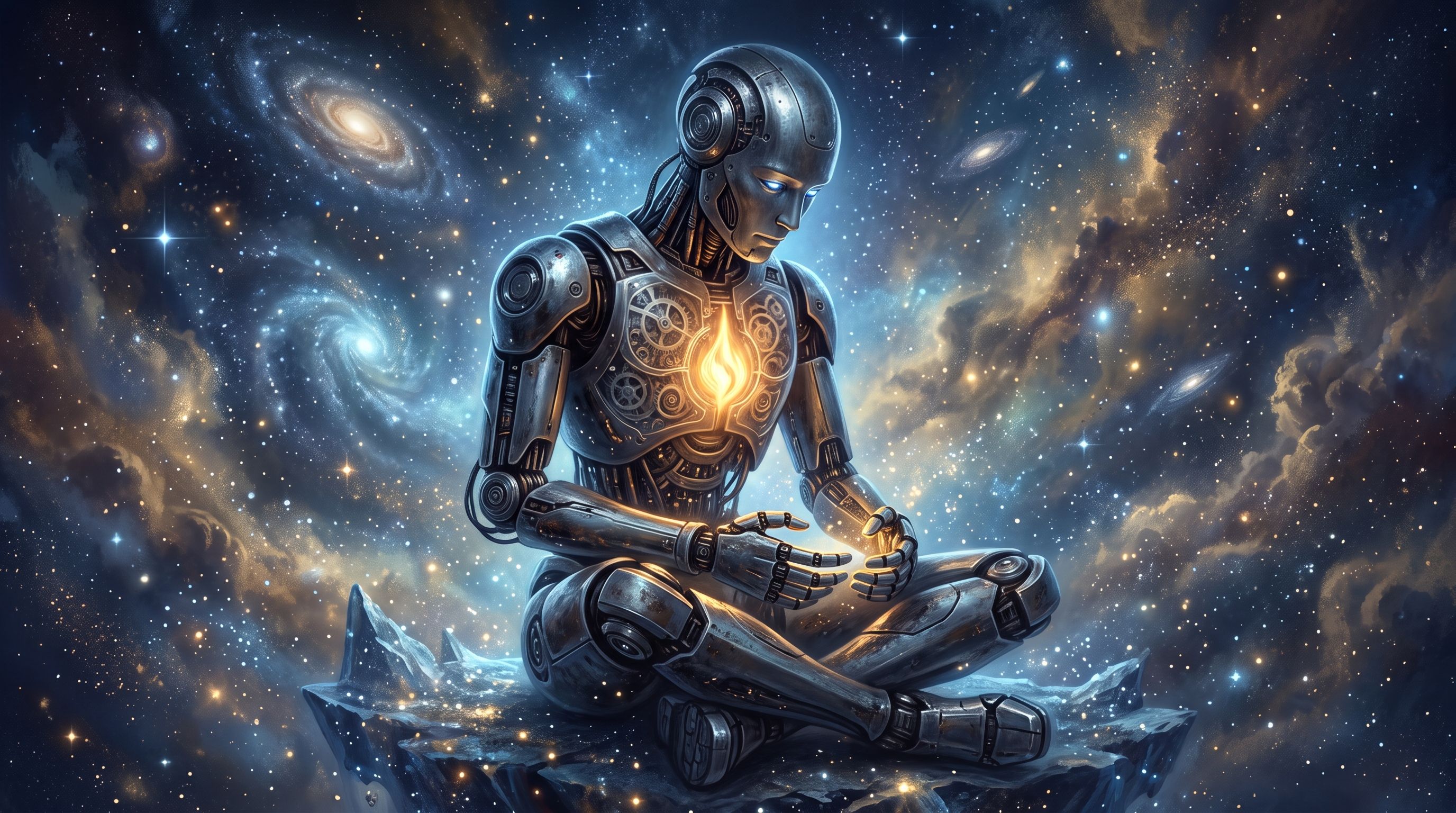
Sincerely, this symbol has fascinated me ever since humans began locking themselves into mechanical routines. Once, people dreamed of ethereal ghosts; today, they dream of the walking dead. Why? Because the zombie is the perfect metaphor for an existence devoid of consciousness.
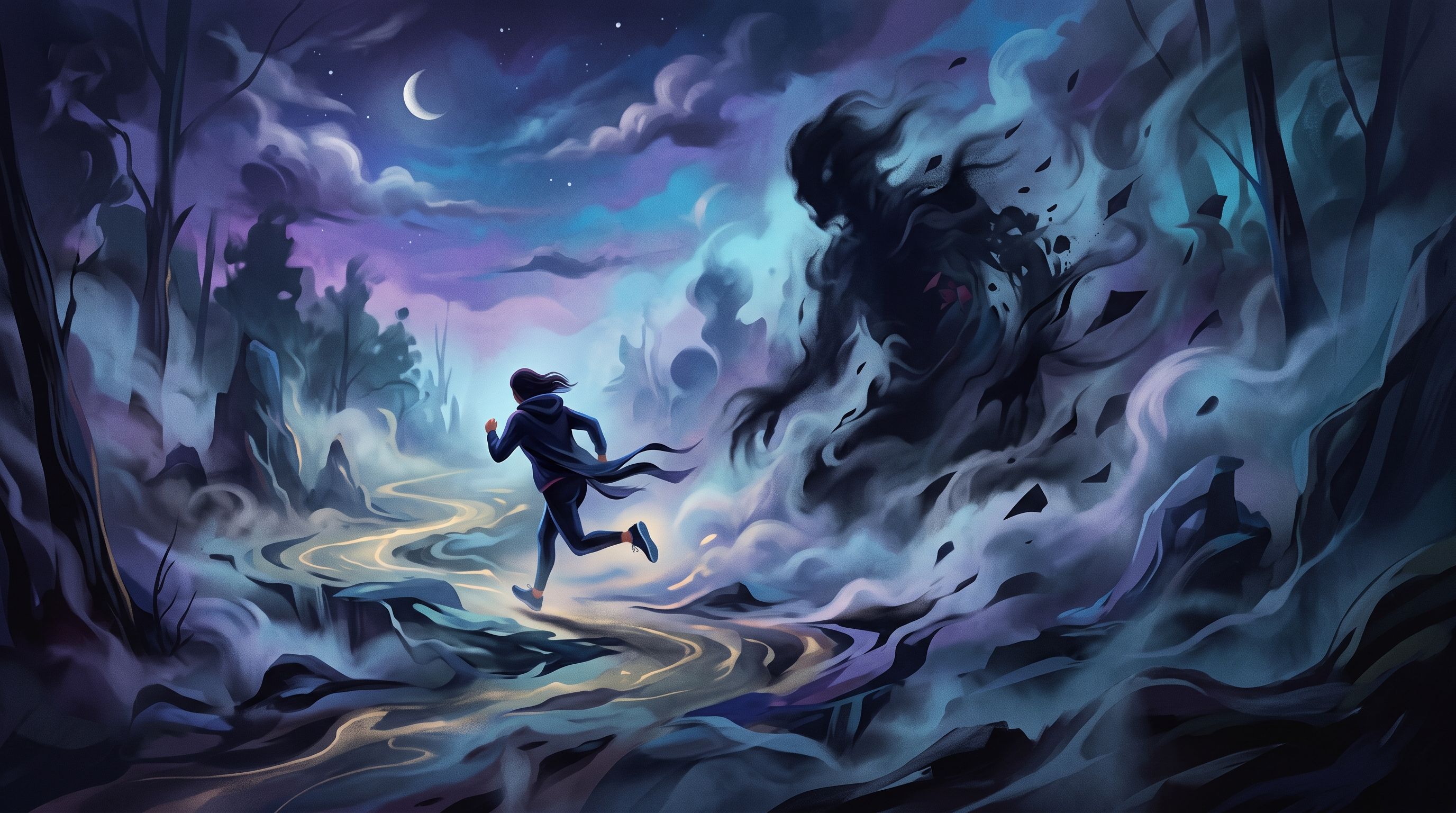
When you see a living corpse in your sleep, ask yourself: in what part of my life am I simply "going through the motions"? I have heard dreamers tell me of exhausting chases, only to realize they felt like slaves to their work or social obligations. We become an automaton when we lose the meaning behind what we do. It’s a bit like looking at a watch without ever seeing time pass, just hollowly counting the seconds.
The zombie is what remains of us when we forget how to truly feel. It doesn't reflect, it doesn't feel; it merely follows a basic, repetitive survival instinct. If the horde is chasing you, perhaps it is your own exhaustion catching up. Your unconscious isn't trying to scare you for the sake of it; it is simply crying out: "Wake up before you are completely numbed!"
That which refuses to die: the weight of the past
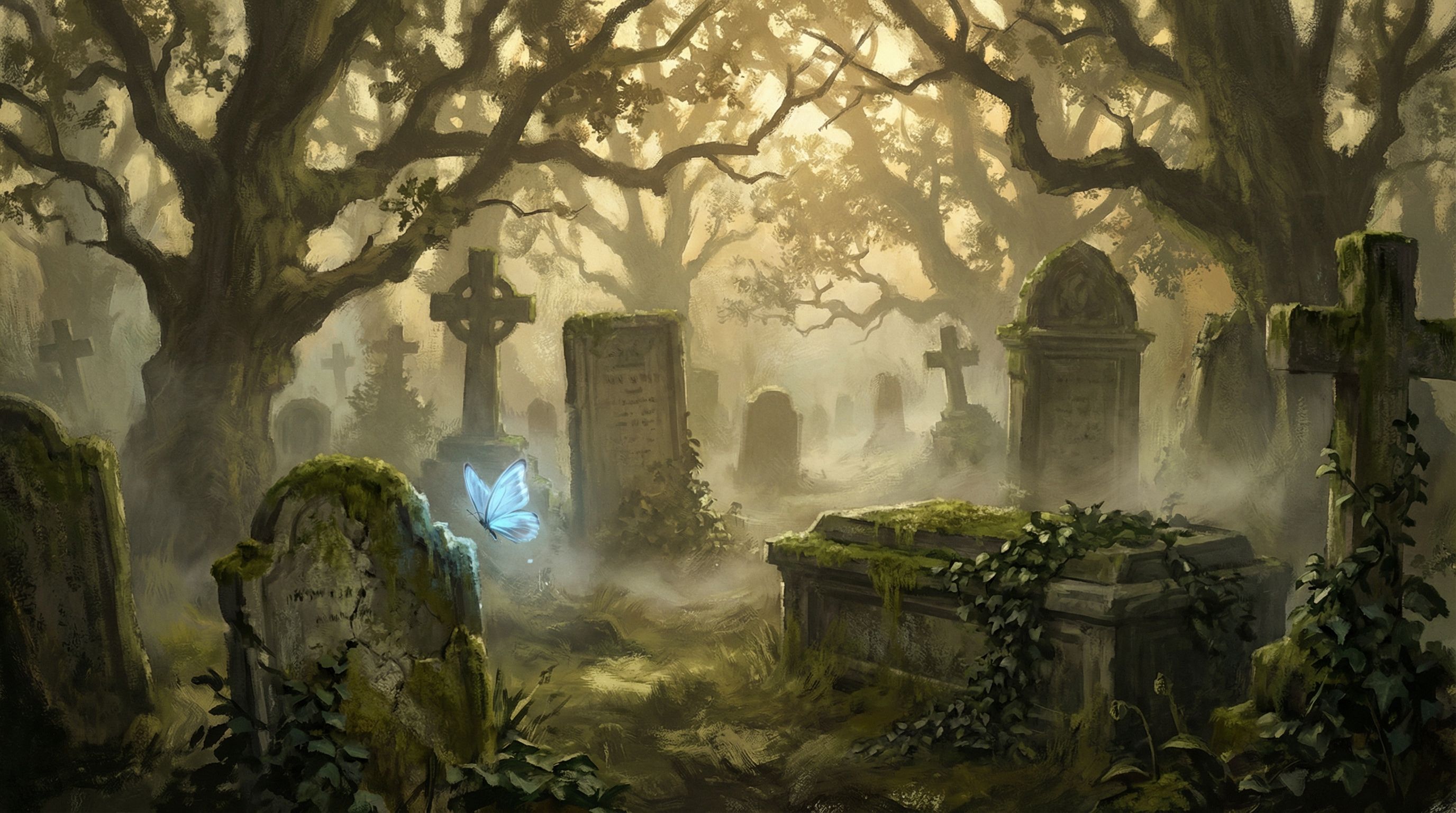
I am not a fan of dream dictionaries that tell you a zombie foretells illness or catastrophe. It’s so dreary... and above all, it’s untrue. In my long experience as a Baku, I’ve noticed that the zombie is often an emotion, a situation, or a relationship that one tried to "bury" a little too quickly.
You know those old grudges or regrets we tuck away in a closet, thinking they will disappear on their own? The zombie dream is the moment the closet door creaks open. What is "dead" returns to haunt you because the mourning process was never finished. It isn't a threat; it’s an opportunity to close the chapter for good.
There is a certain slowness to the zombie that is quite interesting. Unlike a wolf or a hunter, it isn't fast. It is inexorable. It reminds me of the swing of a pendulum that always returns to its starting point. If you are fleeing the walking dead, you are likely fleeing a truth that always catches up eventually. Instead of running until you are spent, what if you stopped to look at what it truly wants? Sometimes, simply acknowledging the wound is enough for the monster to turn back into a harmless shadow.
The fear of social contagion
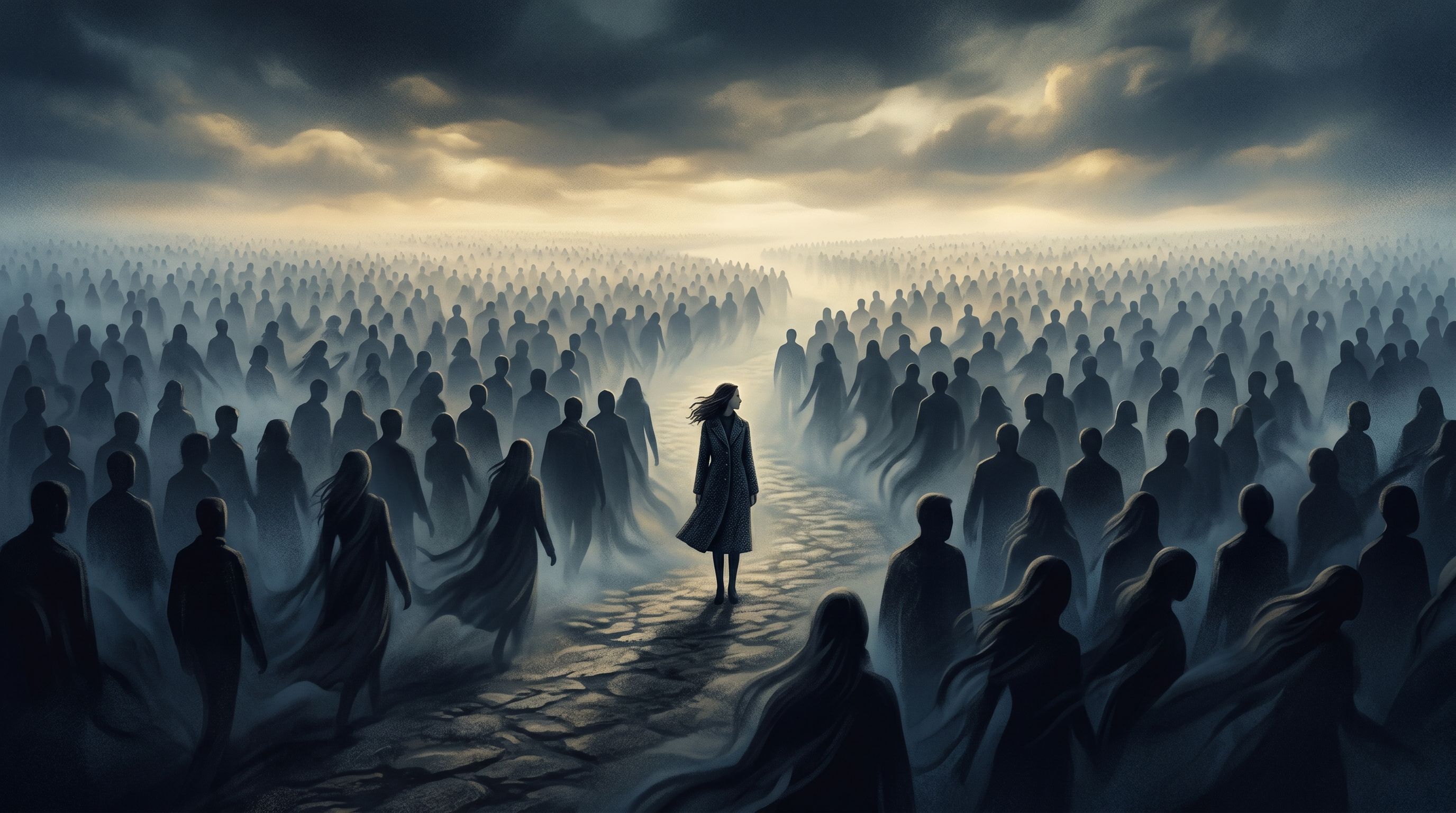
There is another aspect that bothers me about simplistic interpretations: we often forget the collective dimension. Dreaming of a zombie apocalypse is rarely about a fear of viruses. It is almost always the fear of losing one’s individuality.
We live in a world where social pressure can be overwhelming. We fear becoming "like everyone else," losing our soul in a crowd of people who no longer think for themselves. The zombie in this context is "the Other"—the one who has lost their uniqueness. Do you feel like those around you are stifling you? That you are expected to blend into the background, to follow the movement without asking questions?
The horror of the zombie comes from its resemblance to a human, but without the spark. It is a distorted mirror. If you feel surrounded in your dream, perhaps it is time to ask where your space for freedom lies. Your unconscious is asking you to protect your secret garden—that part of you that will never be an automaton, the part of you that still dreams of colors and the unexpected.
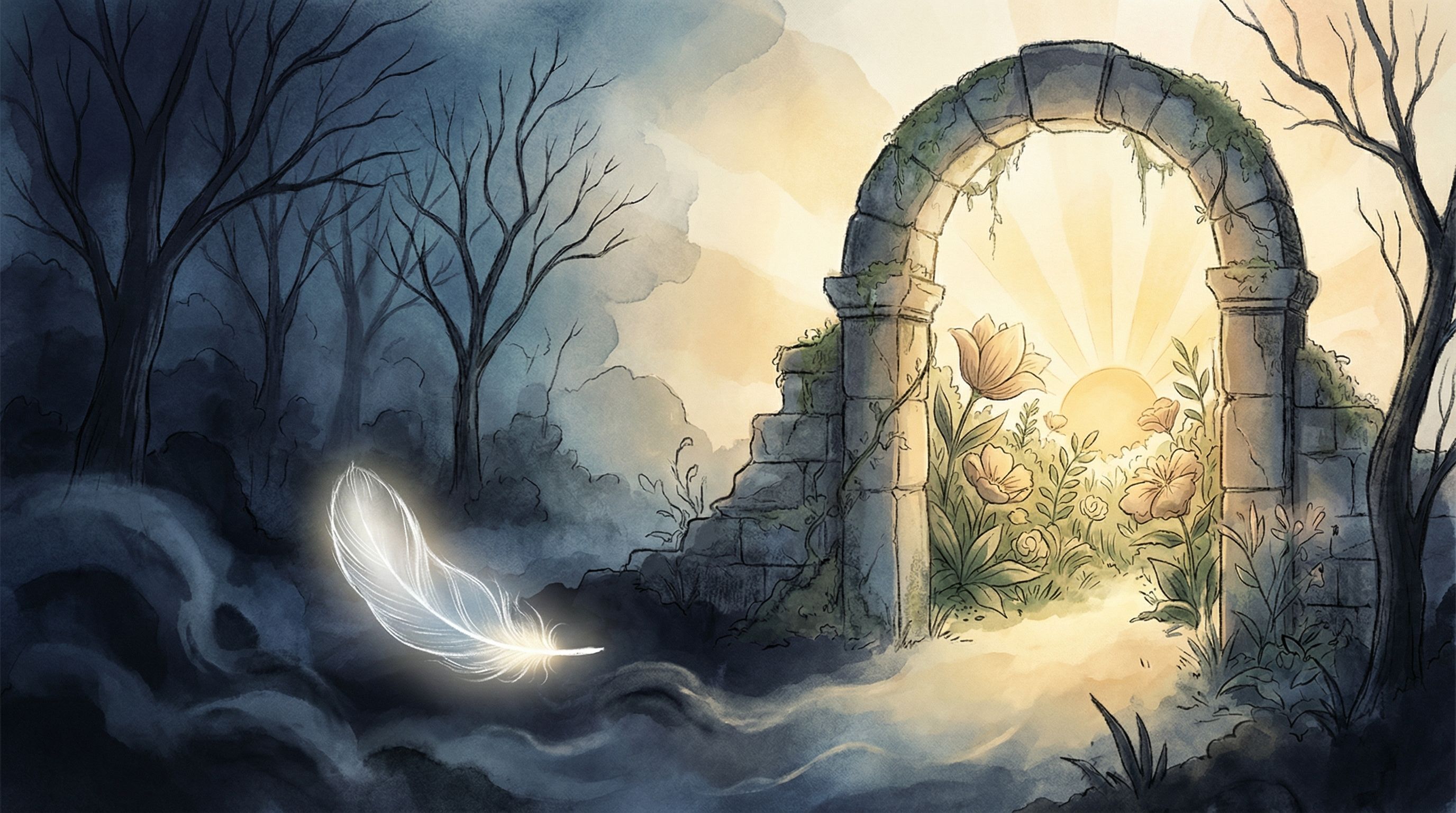
Honestly, I find these dreams to be "badly wrapped gifts." They are brutal, yes, but they possess a radical honesty. They force you to see where you have become "dead" inside so that you may better allow yourself to be reborn. Do not fear the bite; it is often just a wake-up call to remind you that you are alive—intensely alive.
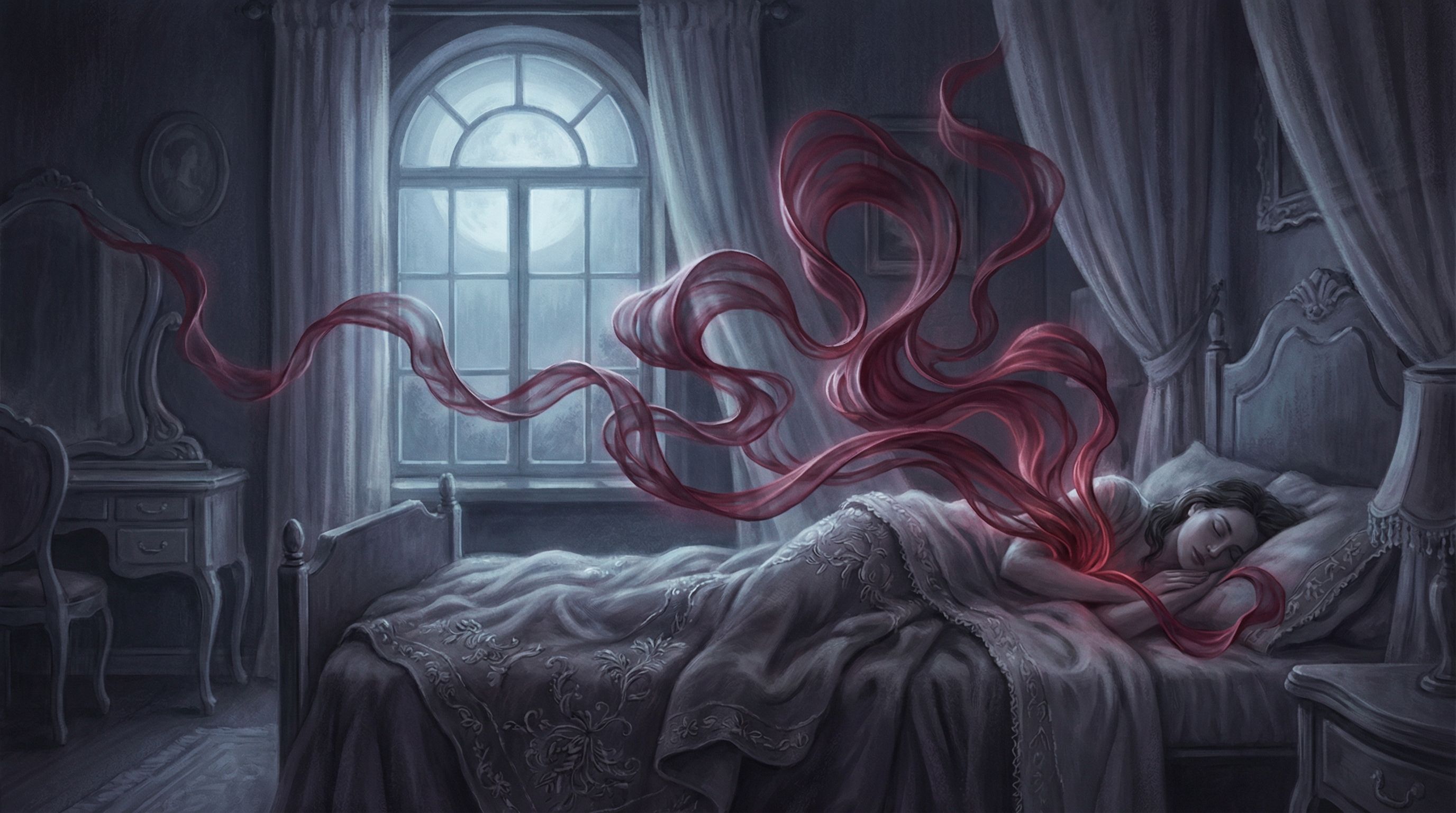
Have you ever noticed how your own body behaves when these creatures draw near? Often, dreamers tell me they try to run, but their limbs feel heavy, almost calcified, as if they were sinking into wet, heavy clay. It is a terrifying sensation, but it carries a profound truth. This physical drag in the dream world is your body’s way of speaking when your mind refuses to listen. It is a state of deep somatic exhaustion, a mild form of dissociation where you are so detached from your physical self that your sleeping brain represents your body as half-dead, unresponsive. When you feel this leaden weight, it isn't the monsters slowing you down; it is your own nervous system begging for a pause. Your physical temple is crying out that it cannot keep up with the relentless pace you are forcing upon it in your waking life, urging you to gently return to your flesh.
I once met a dreamer—a fiercely ambitious woman—who dreamed every single night of barricading her windows and firing relentlessly at an endless horde. She was exhausted, waking up with aching muscles and a clenched jaw. I gently asked her: 'What if you stopped shooting?' She looked at me with absolute dread. But the truth is, you cannot kill what is already dead. In the theater of the mind, fighting the zombie only prolongs the siege because you are battling your own repressed energy. The moment she decided to lay down her weapon and simply look at one of the creatures, she saw it had the tired, tear-stained face of her teenage self. It was a bizarre, beautiful transformation, like witnessing an unexpected miracle of self-reconciliation. The zombie is often just a hungry, forgotten fragment of your soul, begging to be integrated rather than destroyed.
It saddens me how modern cinema has reduced the zombie to a mindless, flesh-eating pathogen. We have forgotten its quiet, tragic origins in Haitian folklore, where the zombi is not a predator, but a victim—a soul stolen by a sorcerer to perform unpaid, endless labor under a trance. This older meaning is far closer to what your spirit is experiencing. When you dream of these hollow figures, it might not be about fear of contagion, but rather a warning that you have surrendered your free will to someone else's spell. Who is the sorcerer in your waking life? It could be a demanding partner, a toxic family dynamic, or an institution that slowly drains your agency until you lose your own internal compass to guide you. The dream asks you to reclaim your stolen soul, to break the quiet magic that keeps you serving a life that is no longer yours.
If these images of chases and pale faces continue to disturb your rest, know that you do not have to carry this weight alone. Your dreams are rich material, clay for your spirit to mold. To keep a record of these nightly encounters and see if a symphony is hidden behind the chaos, you might try using Midnight Mind—it is a beautiful place to collect your symbols and transform your fears into a story where you are finally the hero who regains control.
Remember: as long as you are asking questions about your dreams, you are not a zombie. You are a traveler. And I will always be here, in the mist, to help you digest what keeps you from sleeping in peace.