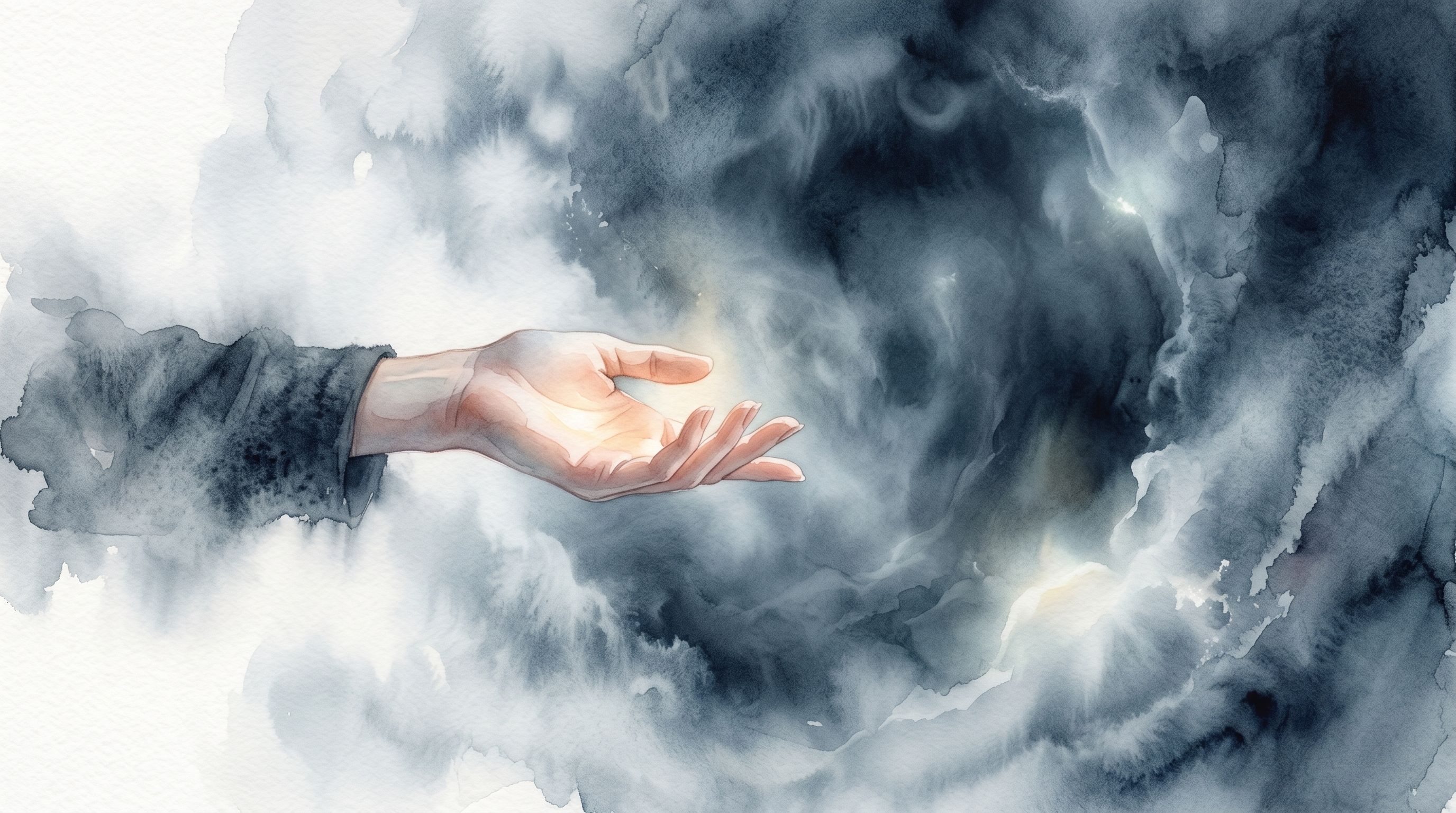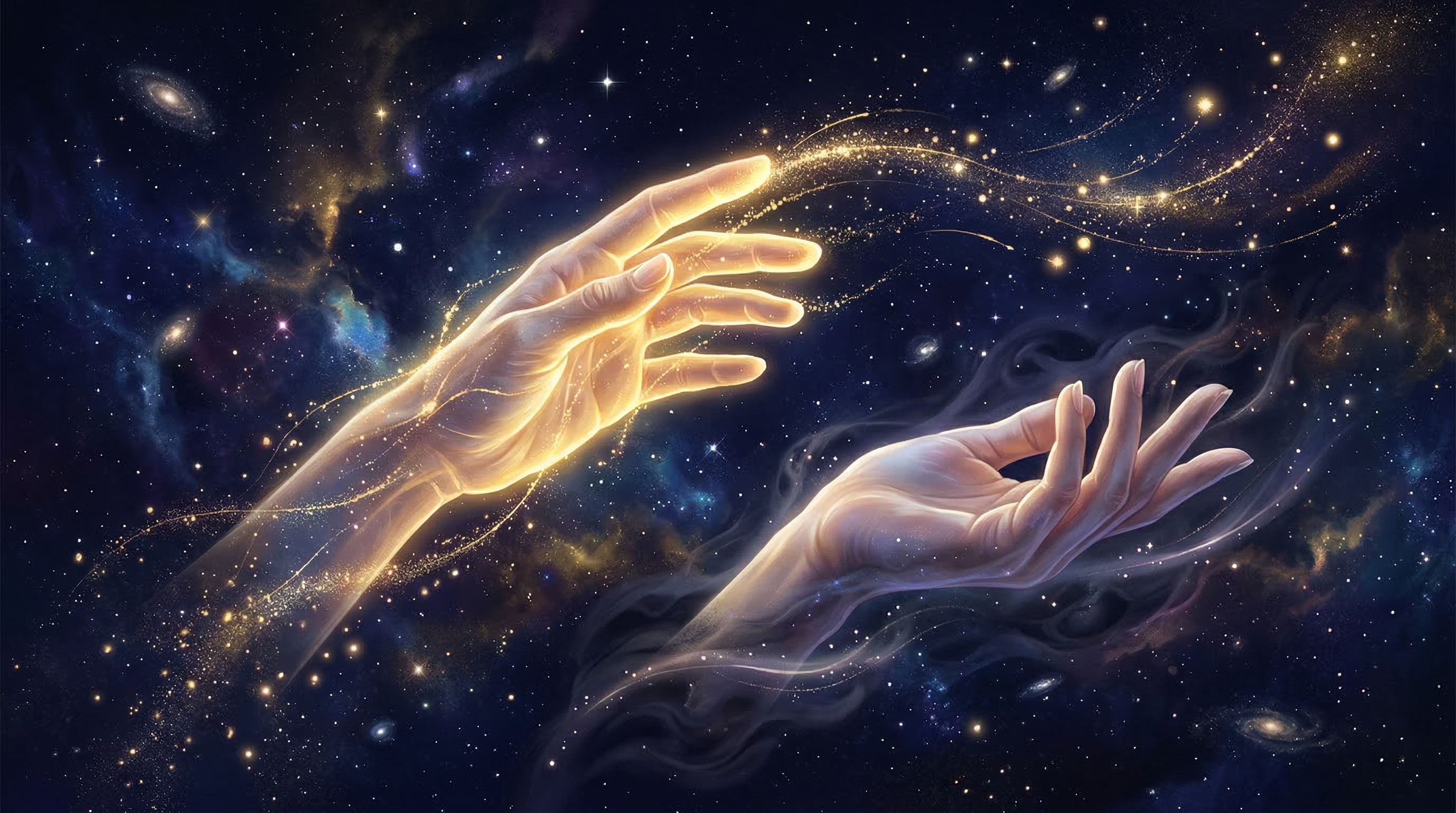
Have you ever woken up with your heart racing, still feeling the phantom grip of a hand that pulled you from the abyss? You might feel a strange mix of relief and vulnerability, wondering why you couldn't save yourself in your own dream. This article will help you decode these powerful symbols of rescue, showing you that being saved isn't a sign of weakness, but a profound message of inner resilience and emotional rebalancing that your mind orchestrates when you need it most.
---
When Your Spirit Calls for Help: The Meaning of Being Saved
I must confess, I find it fascinating to see how hard you can be on yourself. Many dreamers wake up with a sense of shame after a rescue dream, asking me in the stillness of their room: "Why couldn't I get out of it on my own?" But for me, the Baku who feeds on your fears, I see it differently. A rescue is not proof of vulnerability; it is proof of survival.
In the grand theater of your subconscious, the backdrops
I once met a dreamer who kept returning to the same dark, freezing ocean night after night. He was drowning, numb to the bone, until a faceless figure pulled him onto a wooden deck. What stayed with him wasn't the terror, but the sudden, shocking heat of the rescuer's hand on his wrist—it felt like liquid gold. When you experience these intense physical sensations in your sleep, your body is speaking. The cold is the emotional isolation you have frozen yourself into; the warmth of the rescue is your nervous system finally remembering how to thaw. It is a somatic sigh of relief. We often ignore how deeply our muscles hold onto loneliness, but the dream doesn't lie. It forces a sensory confrontation, breaking the numbness of your waking life with a sudden, beautiful burst of warmth.
It mildly annoys me when traditional dream books claim that being saved means you are passive or waiting for a knight in shining armor. What nonsense. In the waking world, you might look outward for a savior, but in the dreamscape, there is no one else there but you. The person pulling you from the burning building or the crumbling ledge is simply another mask of your own psyche. If you are saved by a courageous firefighter, your sleeping mind has merely conjured your own dormant courage to rescue your overwhelmed, waking ego. It is a split-screen projection of your survival instinct. You are both the helpless victim sinking into the depths and the powerful force pulling yourself back to the surface. You have always been your own sanctuary; the dream is just reminding you of the strength you forgot you possessed.
This need to be carried becomes particularly urgent during quiet, heavy life transitions—like the slow ending of a long relationship or the quiet grief of leaving a career that once defined you. You carry the weight of the world, pretending you are made of stone, until your dream world breaks the illusion. Sometimes, the rescue is quiet, almost somber, like embarking on a slow boat steered by a silent ferryman. It is not a dramatic, heroic rescue, but an acceptance of transition. Eastern traditions often view these moments of surrender not as defeats, but as sacred pauses where the ego yields to the flow of the universe. When you let yourself be saved in the dark hours of the night, you are practicing the hardest art of all: the art of letting go and trusting that the current will not drown you.
But what if the rescue feels wrong? Honestly, this is where the symbols become delightfully tangled, and even I must pause to wonder. I have listened to dreamers who felt suffocated by their rescuers, or who fought back against the hands pulling them from the dark. If you resist the salvation, perhaps you aren't ready to leave your abyss just yet. There is a strange comfort in our basements and dark valleys; sometimes, we need to sit in our ruins a little longer to understand them before we are dragged back into the light. If your dream rescue felt invasive, it is worth asking yourself if you are rushing a healing process that actually requires time and patience. Healing cannot be forced, not even by the most well-meaning parts of your own mind.