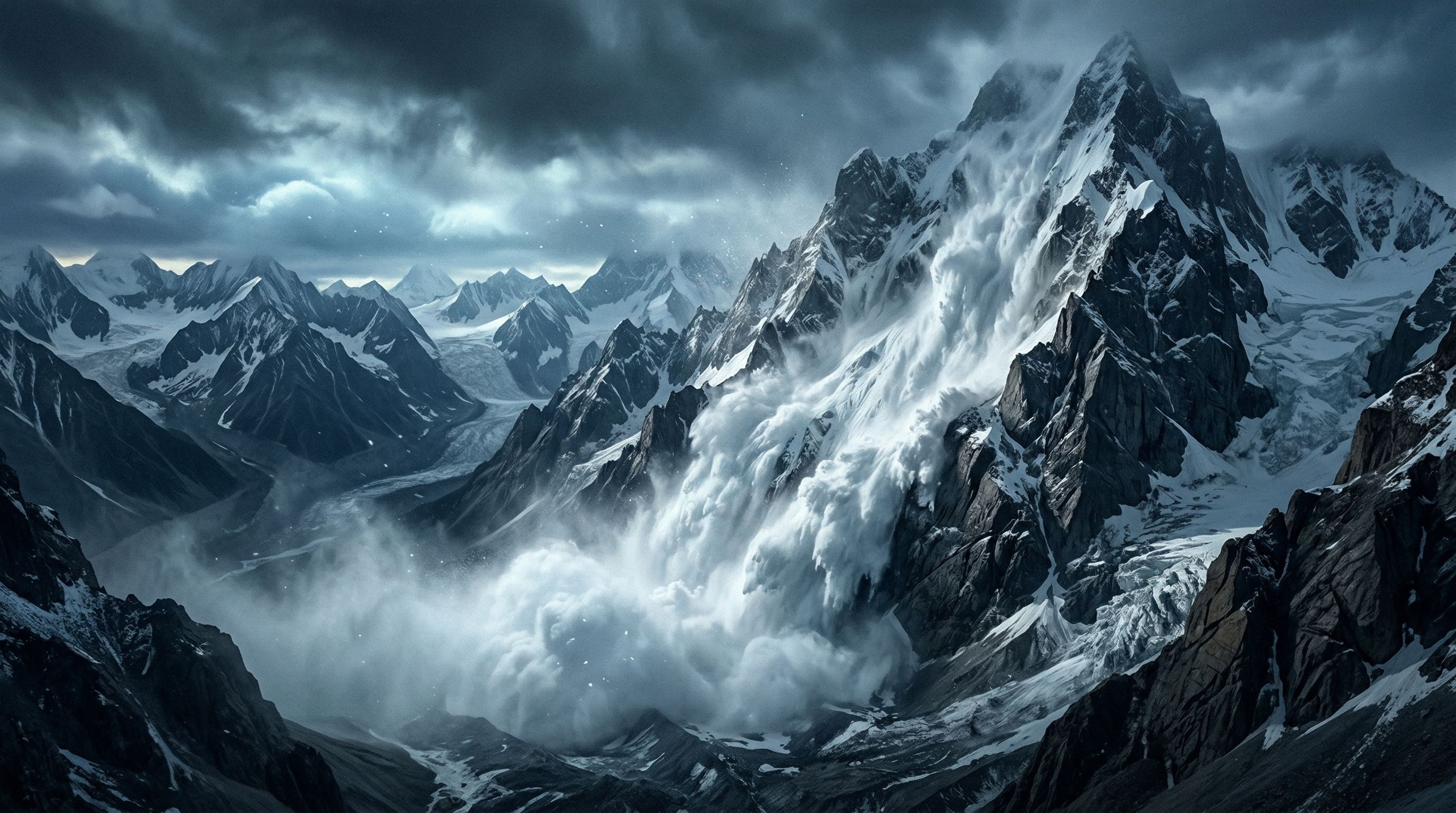
Waking up with the silhouette of a mountain still present, there, like a promise or a challenge... it's a powerful sensation, isn't it? We feel small in the face of its immensity, but at the same time, something within us aspires to reach the summit. This dream is rarely insignificant.
The mountain, in the dream language, is often a representation of your ambitions, of your highest goals. That summit you see in the distance might be that project close to your heart, that deep aspiration you don't always dare to voice. The mountain asks you: where do you want to go? Are you ready to put in the effort necessary to get there?
From a more psychological perspective, the mountain can symbolize the obstacles you encounter on your path. Every rock, every steep slope, is a difficulty, a challenge to overcome. But be careful, it's not necessarily negative! The mountain also tells you that you have the resources within you to climb these obstacles. It reminds you of your strength and perseverance. I'm not a fan of ready-made interpretations that systematically associate "obstacle" with "problem." Sometimes, the obstacle is an opportunity to grow, to surpass yourself.
And then, there is the spiritual dimension. The mountain, a place of contemplation and solitude, can represent an inner quest. This need to withdraw from the world, to refocus on yourself to find answers. The summit, then, is a high state of
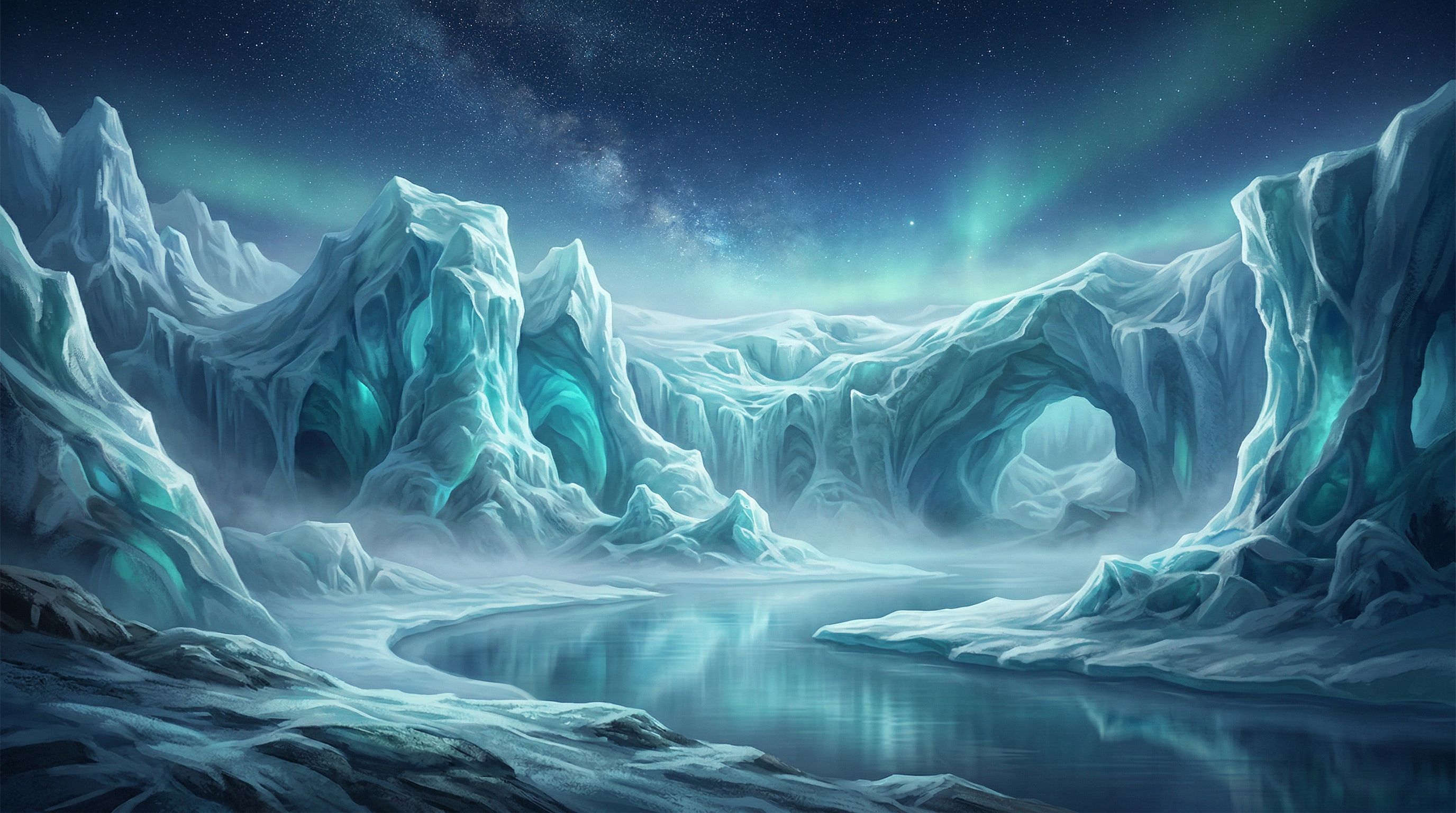
Have you felt the temperature of that high-altitude air? Sometimes, the most telling part of a mountain dream isn't the height itself, but the biting cold that seeps into your bones, or the sudden, suffocating thinness of the air as you climb. It's one thing to contemplate a peak from afar, and quite another to feel your lungs burning under a heavy, grey sky. Your body in the dream is trying to tell you something about exhaustion. If you find yourself shivering on a ledge of bare stone, your mind might be crying out for a softer landscape, perhaps yearning for the heavy warmth of dreaming of a bed where you can finally lay down your heavy pack. The mountain doesn't demand that you freeze to death for the sake of a view; sometimes, the wisest path is to acknowledge that your body has reached its limit and needs to rest.
It honestly tires me to see how modern interpretations always treat the mountain as something to conquer, a giant trophy to stamp your feet upon. In ancient Shinto traditions, we never looked at mountains that way. They were kami—living, breathing spirits, sacred thresholds where the earthly realm touches the heavens. When you dream of a mountain, you aren't meant to defeat it. You are visiting a temple made of ancient stone. If the mountain in your dream feels intimidating, it might not be a barrier at all, but rather a boundary of respect. It invites you to bow, to leave behind your noisy worries at the foothills, and to enter a quieter space of your mind. It is a sacred sanctuary where the ego has no power, and only your quiet, naked truth is allowed to climb.
I once met a dreamer who was terrified because her mountain was crumbling. She stood at the base, watching massive boulders slide into dust, feeling as though her entire reality was collapsing. We often assume mountains are eternal, symbolising absolute stability, but they too are subject to slow, patient decay. If your dream mountain is sliding away, or if you feel yourself turning to dust alongside it, you might be experiencing a deep internal shifting, not unlike the slow process of dreaming of fossilization where old structures must harden and break so new life can emerge. It is a frightening sight, yes, but also a deeply liberating one. When the heavy stone of your old expectations finally crumbles, you are left with a flat, open horizon—and suddenly, you can see the sun rise without having to climb for it.
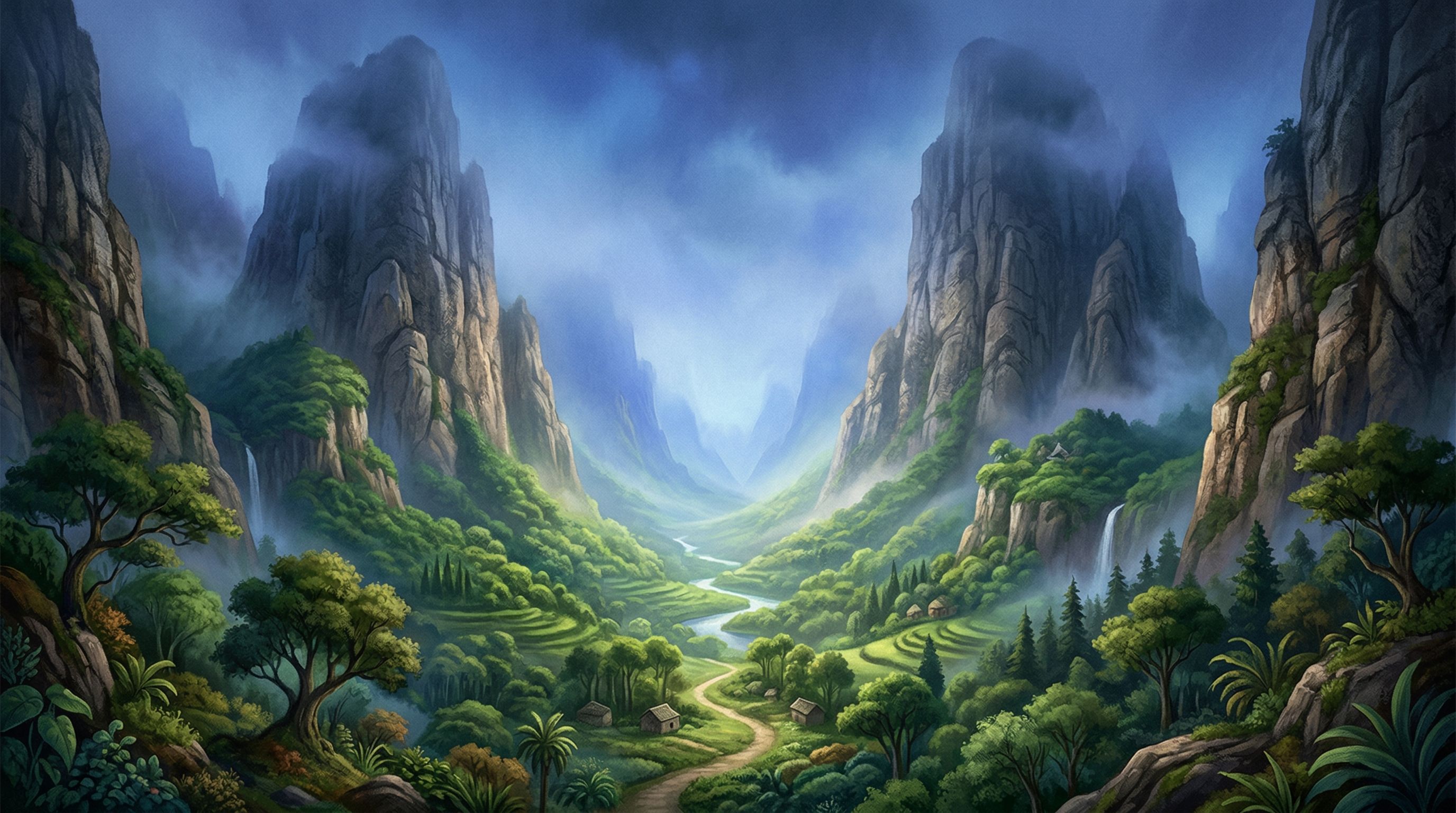
What if you are simply stuck halfway up? This is where many dreamers find themselves, suspended in a foggy middle-ground where the valley is lost to view and the summit is completely hidden by clouds. It is an uncomfortable, eerie space, reminiscent of wandering through an empty, forgotten landscape where the silence feels heavy and full of unspoken choices. You cannot go back, but you lack the strength to push forward. Honestly? This limbo is where the real magic of the mountain happens. It forces you to sit on a cold rock and ask yourself why you started climbing in the first place. Was it your own dream, or were you carrying someone else’s heavy baggage up the slope? There is no shame in sitting down in the fog; sometimes, the mist clears only when we stop trying so hard to find our way through it.