The whistle as an arrow: The experience of rejection
Sincerely, this symbol always touches me a little more than the others. In my wanderings through the collective unconscious, I’ve noticed that sounds are sometimes more painful than images. You can look away from a monster, but you cannot close your ears in a dream. Hostile whistling is the brutal intrusion of others' judgment into your sacred space.
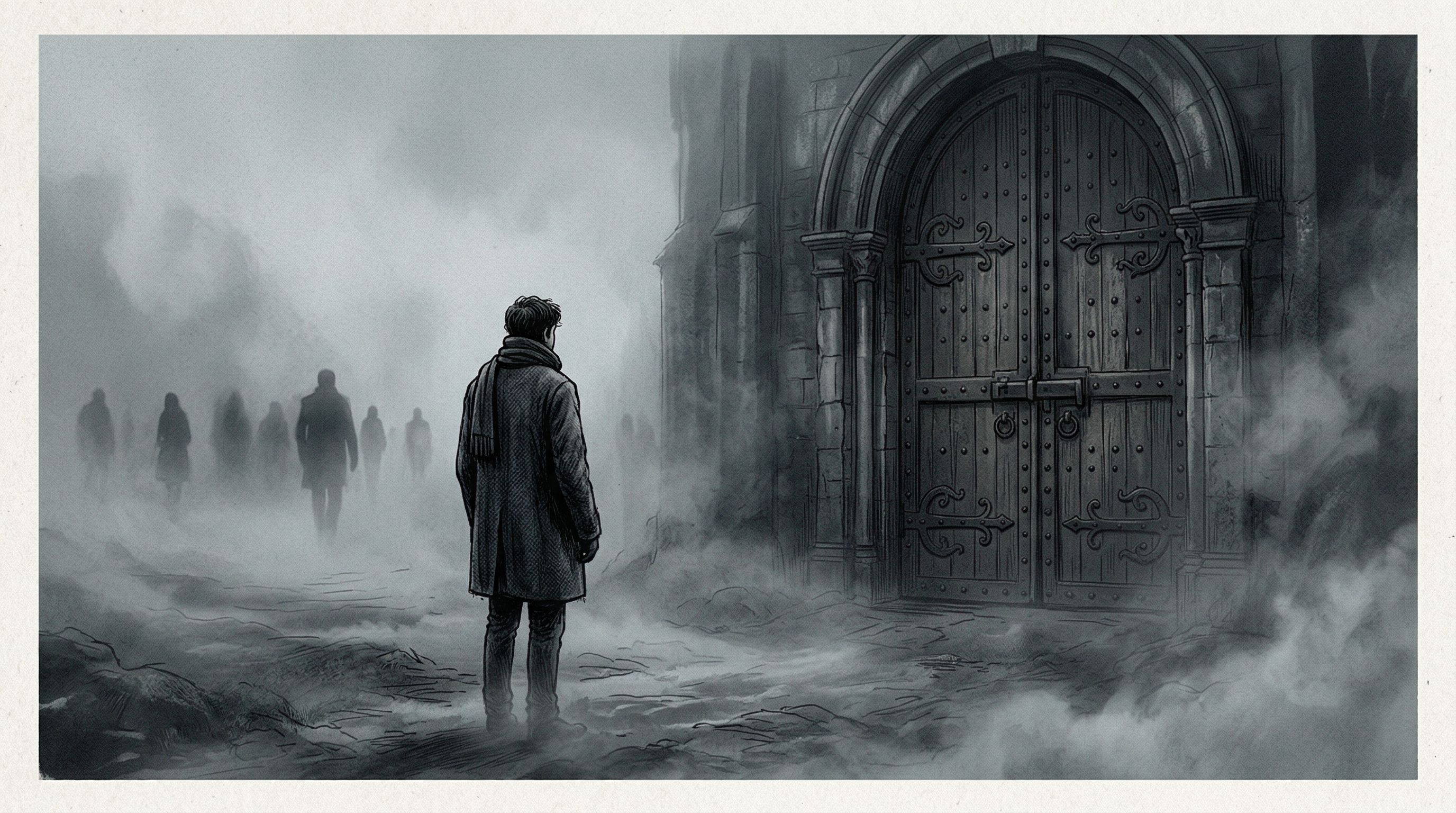
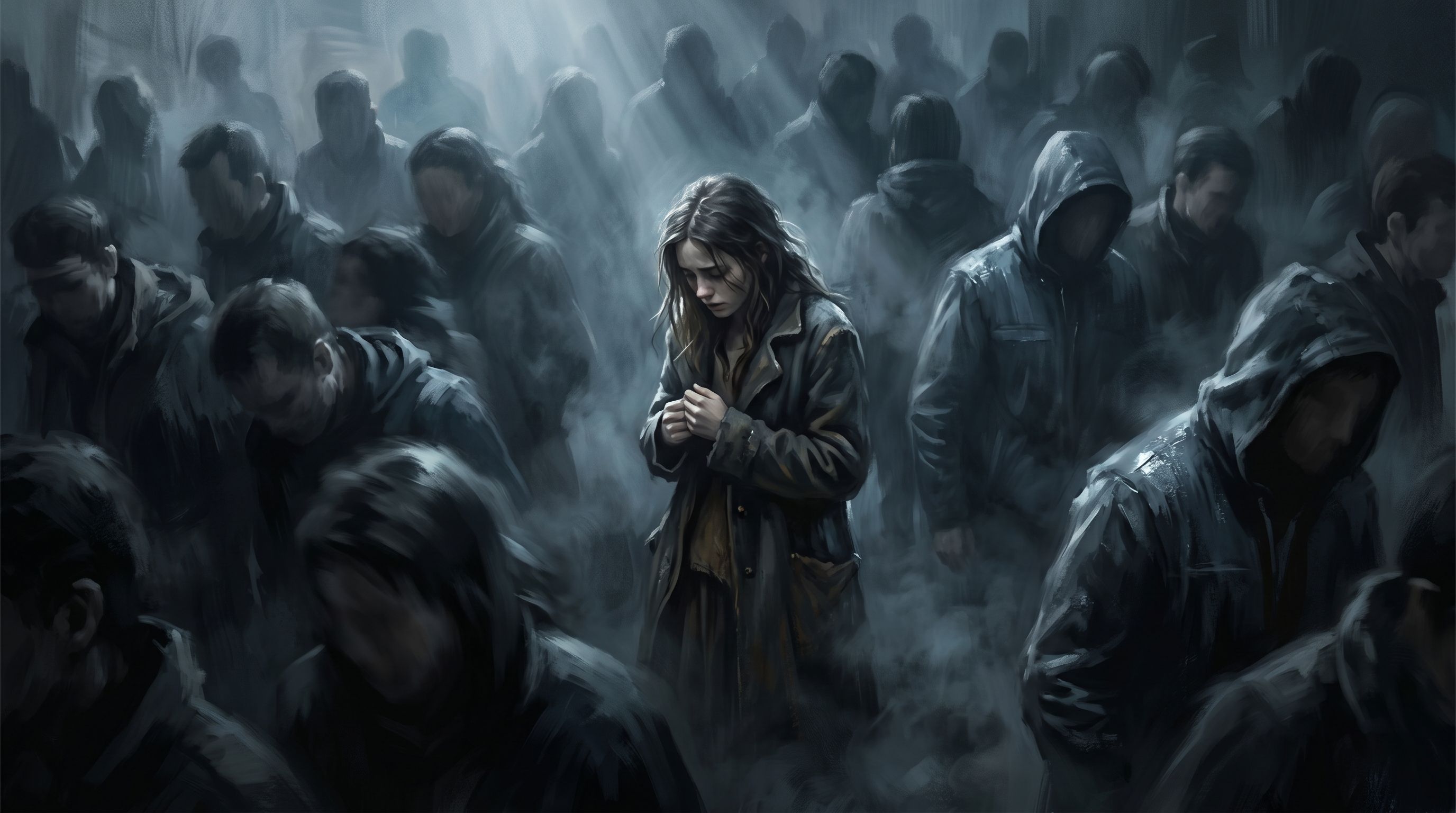
When you hear this booing or jeering, your brain is simulating exclusion from the group. For our ancestors, being cast out of the tribe meant death; today, this fear survives as social anxiety. Whistling is the sonic version of being ostracized. It’s a bit like that unpleasant feeling of being thrown in the trash, as if your ideas or your very self no longer held value in the eyes of the crowd.
But ask yourself this: who is whistling? Is it an anonymous crowd? A familiar face? Sometimes, the shadow whistling in your dream is merely a reflection of a part of yourself that doesn't allow for mistakes. I am truly not a fan of interpretations that say "someone is going to betray you." It is often much more intimate than that. It is your own doubt taking the form of a disgruntled spectator.
---
Humiliation and the theater of the unconscious
A dream is a stage where we play every role. If you are on stage and the audience starts to whistle and boo, it isn't necessarily a premonition of future failure. Instead, it reflects the pressure you put on yourself to "perform." We live in a world that demands constant perfection, and the whistle is the manifestation of this fear of falling short—of facing public humiliation.
I once met a dreamer who heard these whistles whenever she had to make an important decision in her waking life. It wasn't others judging her; it was her upbringing, her old fears, and her ancient ghosts sitting in the front row of her mind to heckle her.
You must understand that a whistle is a sound that "cuts." It cuts off speech; it cuts off momentum. If you feel stifled in your daily life, or if you feel your expression is being held back, your unconscious may use this symbol to show you how censored you feel. It is a warning signal, not a condemnation. It is your mind saying: "Look at how much you fear not being loved if you are simply yourself."
---
Transforming the whistling into protective silence
When I eat a nightmare of this kind, I often taste a metallic bitterness. It is the bitterness of rejection. But once the whistling has been swallowed, a silence remains. And in that silence, you can finally hear yourself think. My advice, if this dream returns to haunt you, is not to seek the approval of the imaginary crowd in your nights.
Instead of fleeing the whistles, try, in your next dream, to look fixedly into the darkness where the noise comes from. Often, the source vanishes the moment it is confronted. It is only a draft, a vibration without substance. Your dreams are not there to hurt you, but to show you where your armor is a little too thin. If you feel vulnerable to judgment, perhaps it is time to ask yourself why the opinions of these "ghost spectators" matter so much to you.
Learn to be your own audience—kind and calm. Whistling is but a passing wind; it does not define who you are. Even if the feeling of humiliation is sharp upon waking, remember that the dream has simply released a tension you were holding inside. It is a form of cleansing.
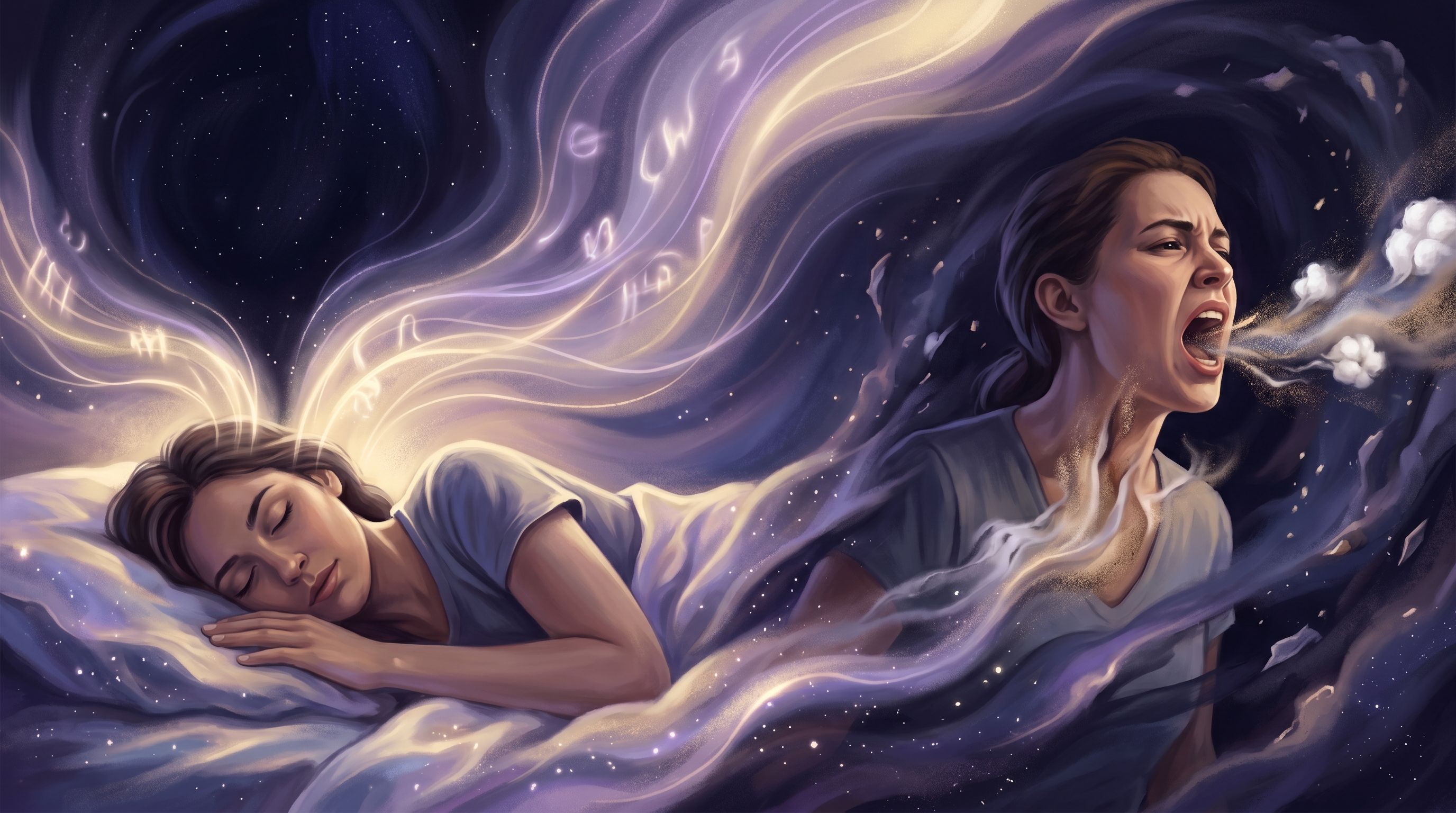
Have you ever considered the physical weight of a sound? In the old lore of my home, we whisper that whistling at night draws restless spirits or unwanted shadows to your doorstep. It is a manipulation of breath—the very life force—constricted and forced through a narrow opening to create a sharp edge. When this hostile frequency pierces your sleep, it often leaves a cold, physical residue, like a sudden drop in temperature against your skin. This isn't just an auditory trick; it is a somatic alarm. Your dreaming body is reacting to a contraction in your waking life. Often, we whistle when we are nervous to fill the silence, but when the dream whistles back at you with hostility, it is asking where you have constricted your own breath. Where are you squeezing your own throat, refusing to let your true voice flow naturally because you dread the cold draft of judgment?
I often observe this phenomenon in those who are on the verge of sharing something raw with the world—a painting, a poem, or perhaps a career shift that feels terrifyingly honest. The moment you step into your authenticity, the sleeping mind conjures an audience. It is far easier to endure dreaming of a hostile crowd than to face the quiet, devastating possibility that your creations might simply be met with indifference. The whistle, harsh as it is, at least proves you have been heard. It is a twisted reassurance from your subconscious: 'If they are booing, it means I exist.' I find it incredibly fascinating how we would sometimes choose the sting of public disapproval over the vast, terrifying silence of being ignored. When you wake from this, ask yourself if you are pre-emptively punishing yourself just to get the pain of exposure over with.
Honestly? This symbol remains beautifully slippery, and I refuse to believe it always carries malice. I once met a dreamer, a quiet man from a bustling port city, who was haunted by a piercing, mocking whistle that echoed through his sleep every Tuesday. He was convinced it was the laughter of his colleagues. But as we looked deeper into the architecture of his nights, we realized the sound wasn't a jeer at all—it was the warning whistle of a departing train. His subconscious wasn't mocking him; it was urgently signaling that a window of opportunity was closing, that he was letting his life slip away while standing still on the platform. We are so quick to assume the worst of our own minds, translating every sharp noise into a verdict of dreaming of defeat. Sometimes, the referee isn't trying to throw you out of the game; they are simply telling you to pause and look where you are running.
If you need to keep track of these sounds or understand how they evolve over your nights, don’t hesitate to write them down. In your personal dream journal on Midnight Mind, you will be able to see if these whistles return after certain stressful days or if, little by little, they transform into a softer music as you grow in confidence.
Sleep well, little dreamer. Let me handle the shrill noises, and keep with you only the peace of the night.
---