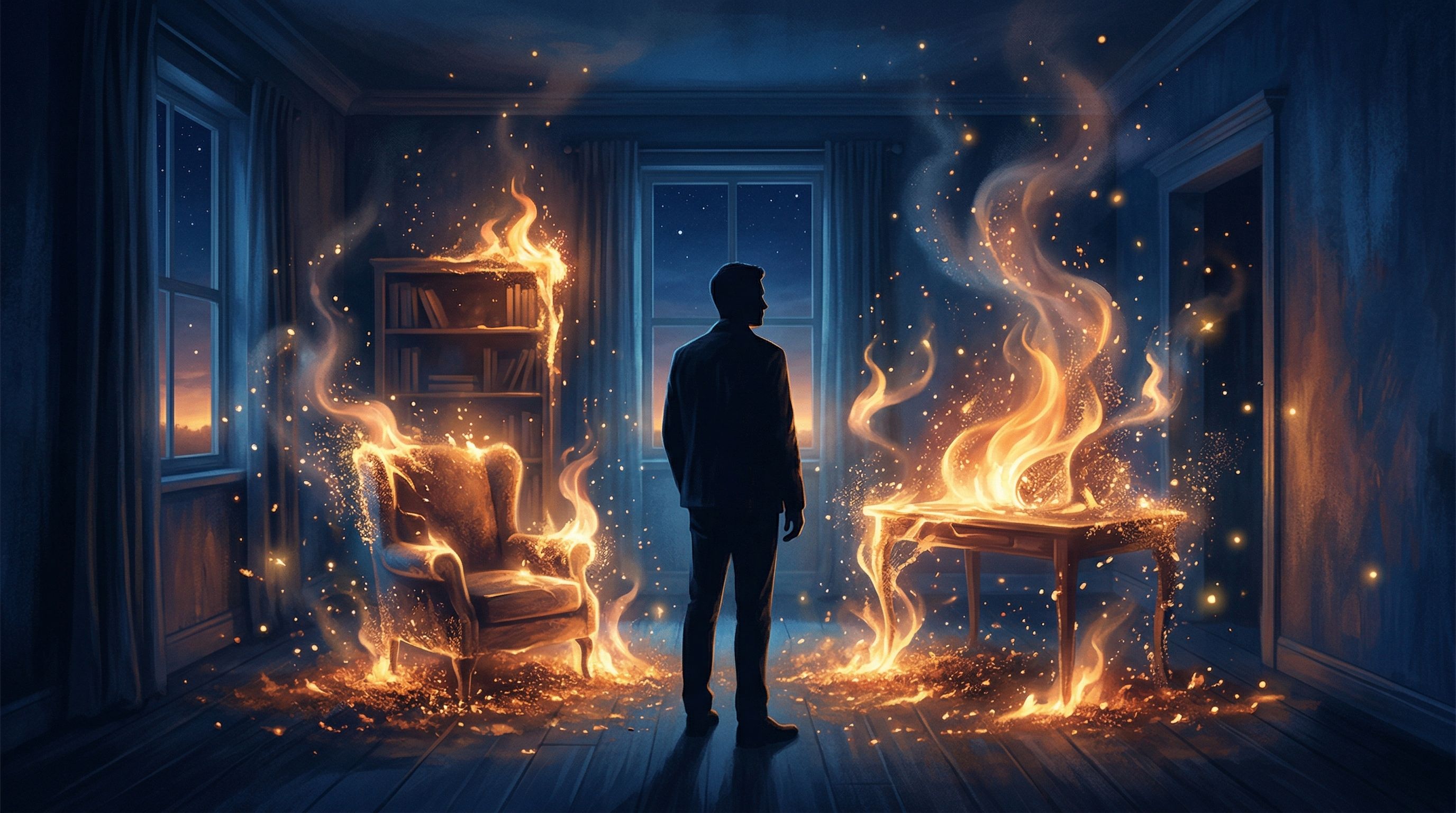
The Mirror of Flames: When Punishment is Internal
To be honest, it saddens me to see how gifted we are at building our own prisons. When you dream of hell, the notion of punishment is central. But ask yourself this question—the same one I ask the dreamers whose torments I devour: who is the judge? In the vast majority of cases, it isn’t a divine or external power condemning you; it is you.
A dream of hell is the physical manifestation of your remorse. It’s a place where the psyche stages its own failures, amplified by a moral code that is sometimes too rigid. I have seen people devastated by visions of sulfur simply because they couldn't forgive themselves for a trivial mistake. The subconscious doesn’t do things by halves; it uses extreme symbols to grab your attention. If you feel "punished" in your dream, look at where you are being relentless with yourself in your waking life. Is it a failed project? A hurtful word? We can sometimes feel trapped, much like a sense of helplessness that prevents us from moving toward reconciliation.
What fascinates me about these visions of the furnace is their texture. Is it a hell of ice, of silence, or a noisy chaos? The form your suffering takes says a lot about your need for liberation. A noisy hell often evokes an overflow of intrusive thoughts, while a hell of solitude suggests an emotional isolation that you endure as if it were fate.
Crossing the Fire: Transforming Suffering into Wisdom
I am truly not a fan of those old books that see hell as a sign of imminent misfortune. That is such a simplistic, almost lazy view. For me, the Baku who watches over your nights, hell is a "nigredo"—the work in black, as the alchemists would say. It is a process of purification by fire. The pain you feel in the dream is a sign that you are burning away the dross of your past.
Sometimes, dreaming of apocalyptic landscapes feels like this inner struggle we wage against our own demons. It is exhausting, certainly, but it is also a sign of immense vitality. If you weren't fighting, if you didn't have this capacity to feel the injustice of this "punishment," you wouldn't dream of rebellion or escape.
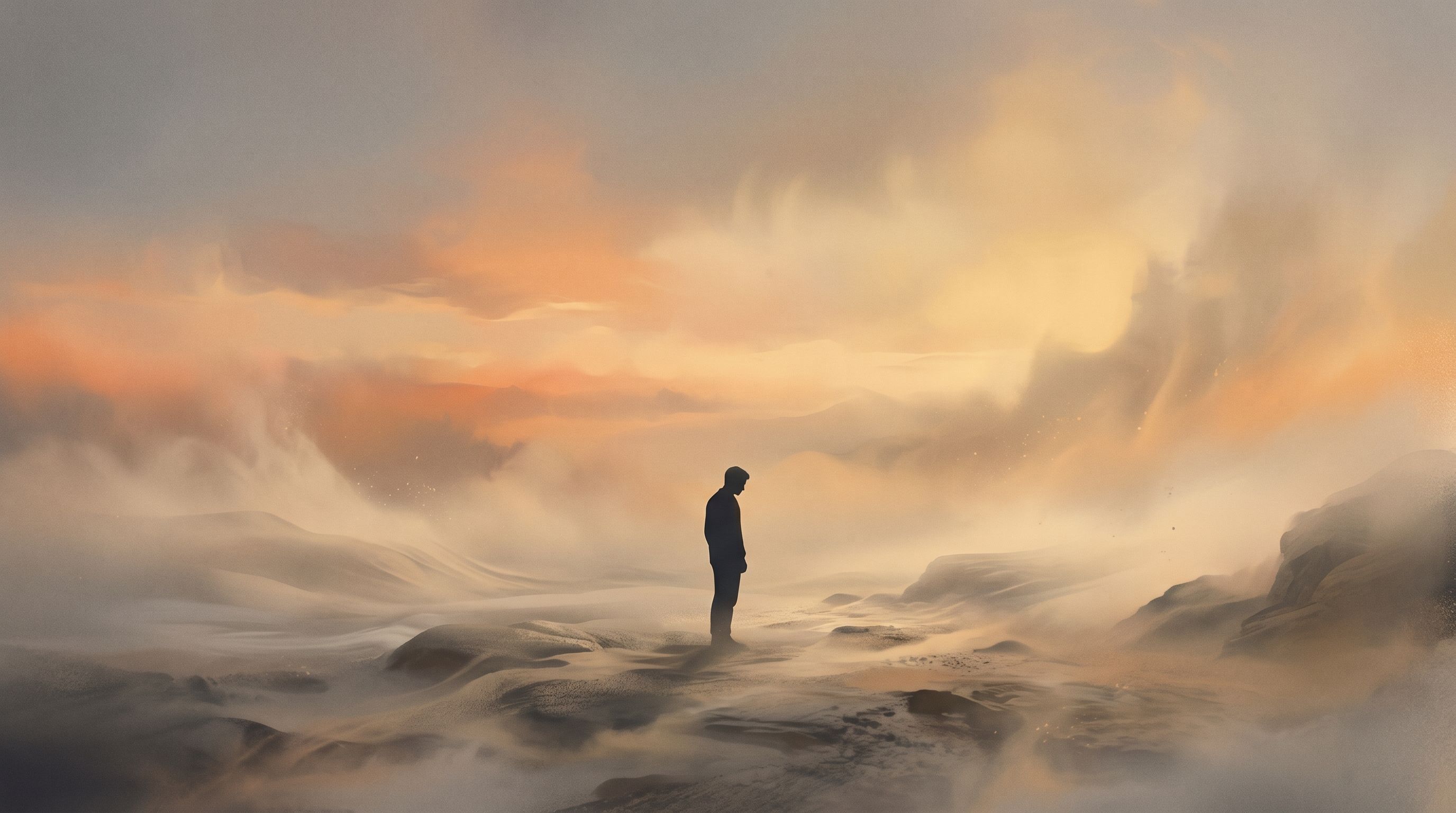
I once listened to a dreamer recount wandering through endless corridors of flames. He was terrified. But as we spoke, we realized the flames weren't actually burning him; they were simply illuminating the dark corners of his life he preferred to ignore. Fire is also a light. Hell is the place where you can no longer lie to yourself. It is an invitation to radical honesty.
If you are walking through this hell, do not stop. Keep moving. Suffering is information, not a destination. It tells you that something in your current life structure has become unbearable. This dream is a cry from your soul asking for air, for space, and above all, for compassion toward yourself. We exit the hell of our dreams not through force, but through acceptance and forgiveness.
Never forget that the subconscious is a clumsy great poet. It uses the word "Hell" to whisper, "I am hurting and I need help." It is a call for tenderness. The next time you feel the heat rising in your dreams, try to look at the flames not as enemies, but as the guardians of a secret you are finally ready to hear.
In my long nights of watching over sleep, I have noticed that we always tend to imagine hell as a blazing, roaring furnace. But in some eastern traditions, the deepest torments are actually made of ice, where the soul freezes in absolute silence. I find it fascinating how a cold hell reflects a completely different kind of waking suffering. If your dream-hell was a frozen wasteland, a grey expanse of numbness, it is not active anger that consumes you, but apathy. You might be shutting down your heart to protect yourself from pain, turning your feelings into glaciers. Honestly, this coldness worries me more than the fire. Fire is active; it wants to consume and change. Cold is stasis. It is the deep exhaustion of a soul that has decided it is safer to feel nothing at all. If you are freezing in your night, it is time to gently let the warmth back in, even if it hurts to thaw.
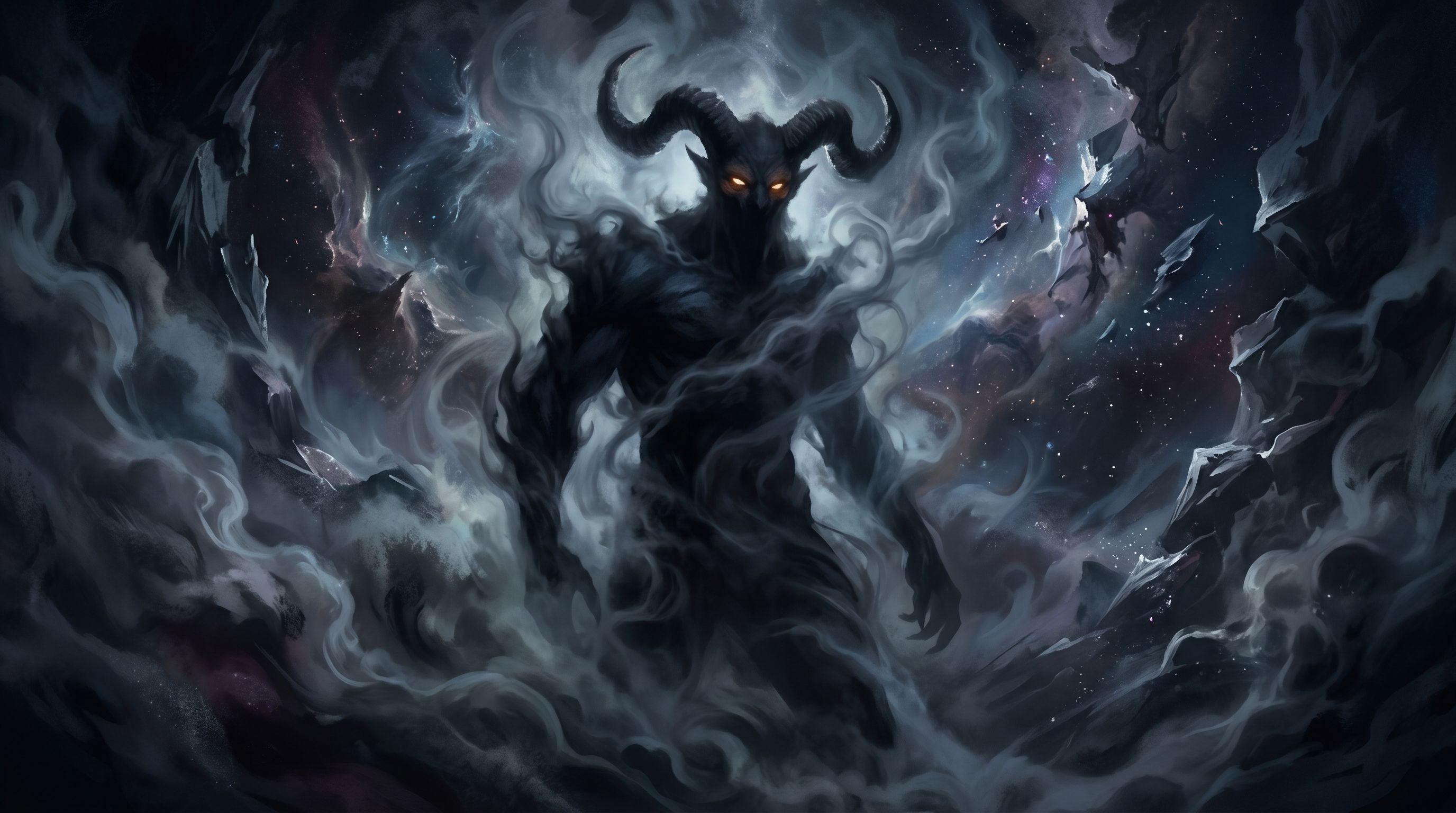
And then, there are the inhabitants of these dark domains. Hell is rarely empty; it is often populated by monstrous figures, tormentors who seem to take a cruel pleasure in your distress. Who were they in your dream? Sometimes we project our deepest self-hatred onto an executioner in our dreams, giving a terrifying face to our own inner critic. It is a strange trick of the mind: to avoid feeling the pain of our own self-judgment directly, we split ourselves in two—one part becomes the victim, and the other becomes the demon holding the whip. When you wake up, instead of fearing the monster, try to look at it with curiosity. That demon is nothing more than a misplaced protector, using violence because it doesn't know how else to keep you aligned with what you believe is right.
I once met a dreamer who was desperately trying to leave a prestigious but suffocating career. For weeks, her nights were filled with collapsing caverns of sulfur and ash. She woke up terrified, thinking she was being warned of a catastrophic mistake. But honestly? It was quite the opposite. Her subconscious was simply staging the inevitable collapse of a life that no longer fit her. Sometimes, you have to let your familiar world burn down to the ground before you can build something authentic. It is a painful, dizzying transition, much like standing before a shattered mirror that no longer reflects the person you used to be. The flames of your dream are not there to destroy you, but to consume the illusions you've outgrown. It is a violent birth, yes, but birth nonetheless.
Your dreams are golden threads, even if they sometimes seem dipped in soot. If you need a space to set down these visions without fear of judgment, to transform them into a collection of personal wisdom, you will find within the Midnight Mind app a place to record your shadows and let them fly away as stories or images.