The shiver of surprise: when the shadows pounce
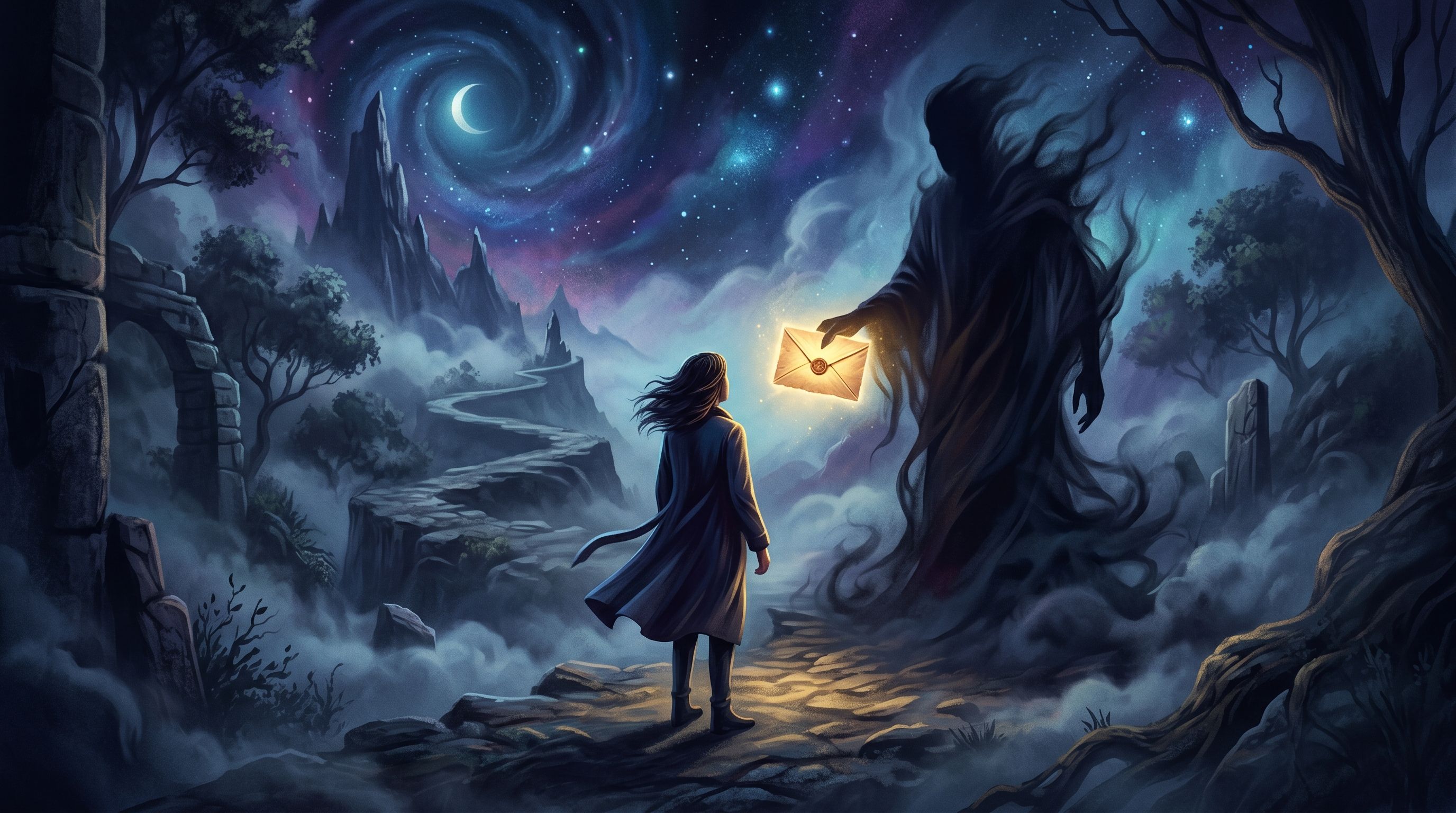
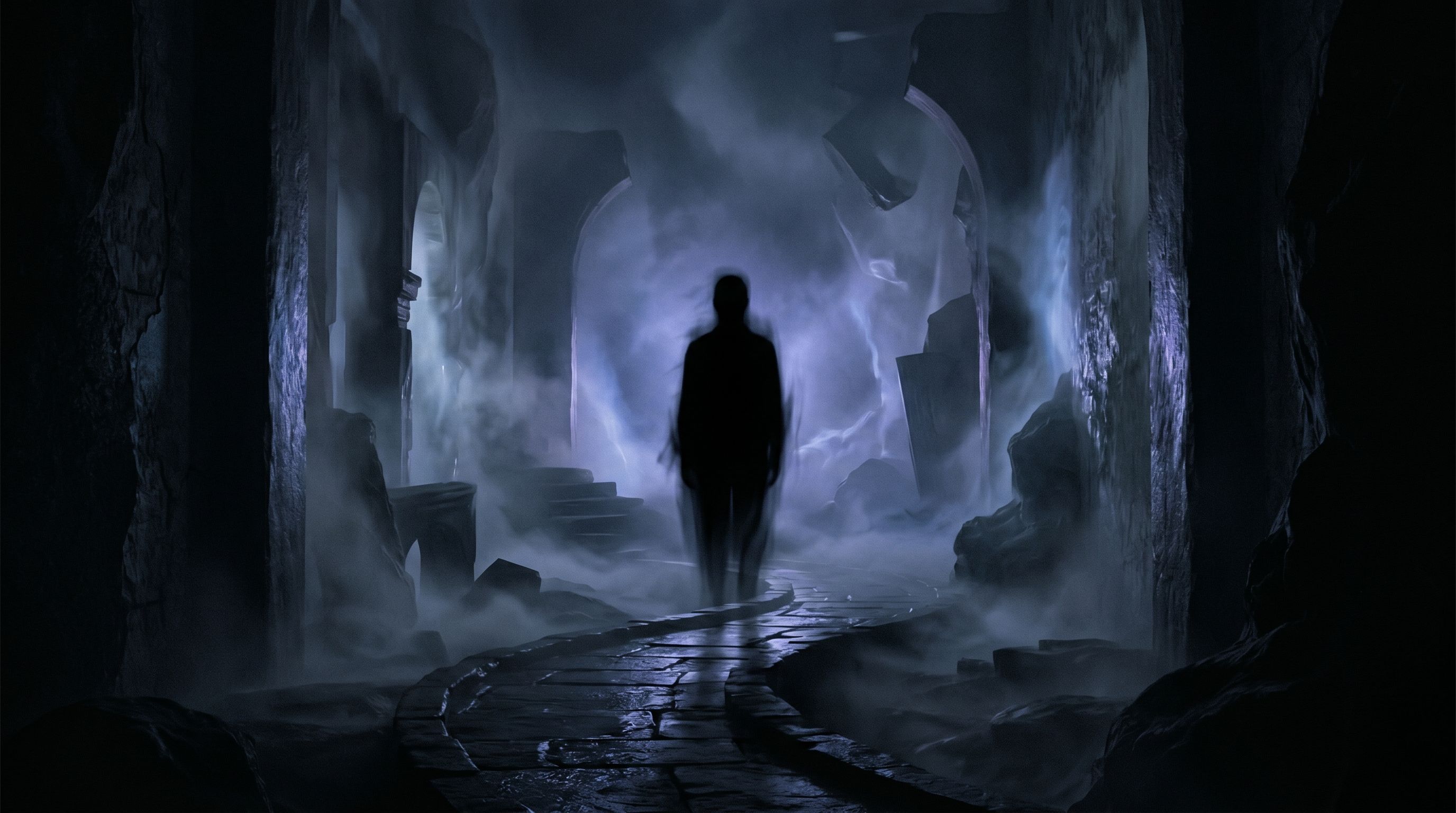
I find it fascinating—and a bit sad, I must admit—to see how much we fear surprise. In the world of dreams, an ambush is the purest expression of this fear. We walk along a familiar path, everything seems peaceful, and suddenly, the scenery shifts. It is the very symbol of losing control. I once met a dreamer who had this dream every time he had to make a significant decision at work. For him, the ambush wasn't a malicious colleague, but his own fear of failure waiting for him just around the bend.
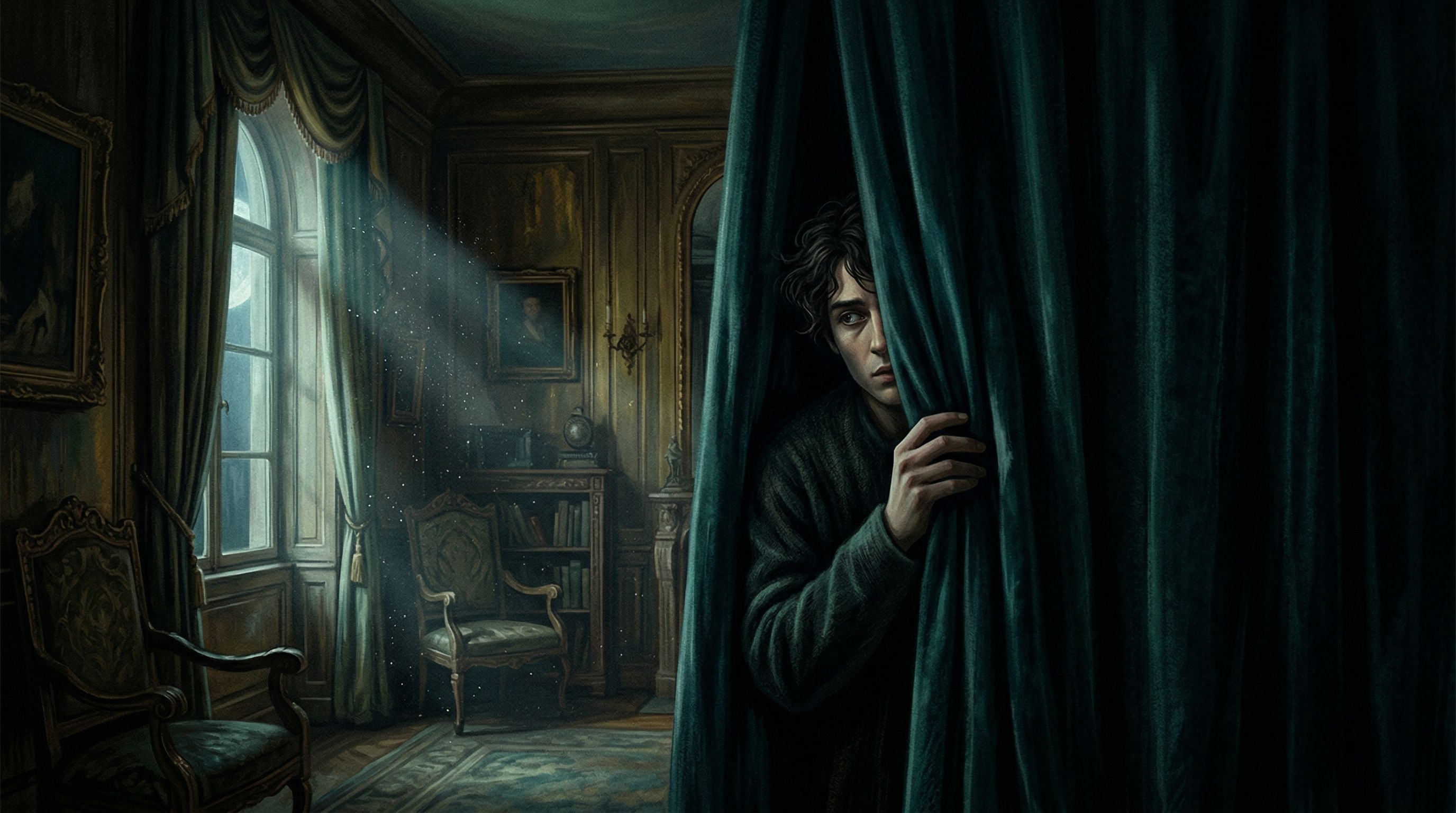
An ambush is a metaphor for what we don't see coming because we have closed our eyes. It is a bit like ignoring the potential sting of venom: we prefer to believe everything is under control until reality catches up with us. If you find yourself caught off guard in your sleep, ask yourself: "What am I refusing to look at directly in my life right now?" Is it a relationship that is crumbling? A project built on unstable foundations? The surprise in the dream is there to break your denial, not to humiliate you. It forces you to react, to find your reflexes, and to remember that you are capable of defending yourself.
Betrayal, that distorting mirror
What hurts most in a dream ambush isn't so much the attack itself as the feeling of betrayal. We feel betrayed by the setting, by the apparent calm, and sometimes by familiar faces emerging from the shadows. Many dream dictionaries will coldly tell you that an ambush means someone is going to deceive you in reality. I dislike these fatalistic interpretations. They forget that a dream is a theater where you are the sole director.
If you feel betrayed in your dream, perhaps it is because you feel you are betraying yourself. Are you sacrificing your values to please someone else? Are you ignoring that little voice telling you that something isn't right? The subconscious is a great dramatic poet: it uses betrayal to show you how lonely you feel facing your responsibilities. Sometimes, the contrast is striking compared to other types of surprises, such as receiving an unexpected gift. In both cases, it is the intrusion of the "Other" into your personal space. But where a gift is an opening, an ambush is a closure—a defense that was activated too late.
Honestly, I often wonder if we aren't too hard on our own nightmares. We see the ambush as an enemy, when it is actually an instructor. It shows you your blind spots. In the silence of the night, I eat these fears so that only the wisdom they contain remains. For once you have survived the ambush in your dream, you wake up with a sharper awareness of your environment. You are no longer the prey; you are the one who knows how to look behind the veil of appearances.
There is no fate set in stone within these dark images. Your mind is simply seeking to arm you. If you feel hunted or surprised, it is time to slow down, breathe, and look at your daily life with the quiet vigilance of a cat in the twilight. Do not fear the shadows that pounce; they are merely messengers of your own strength, waiting for the chance to express itself in the face of adversity.
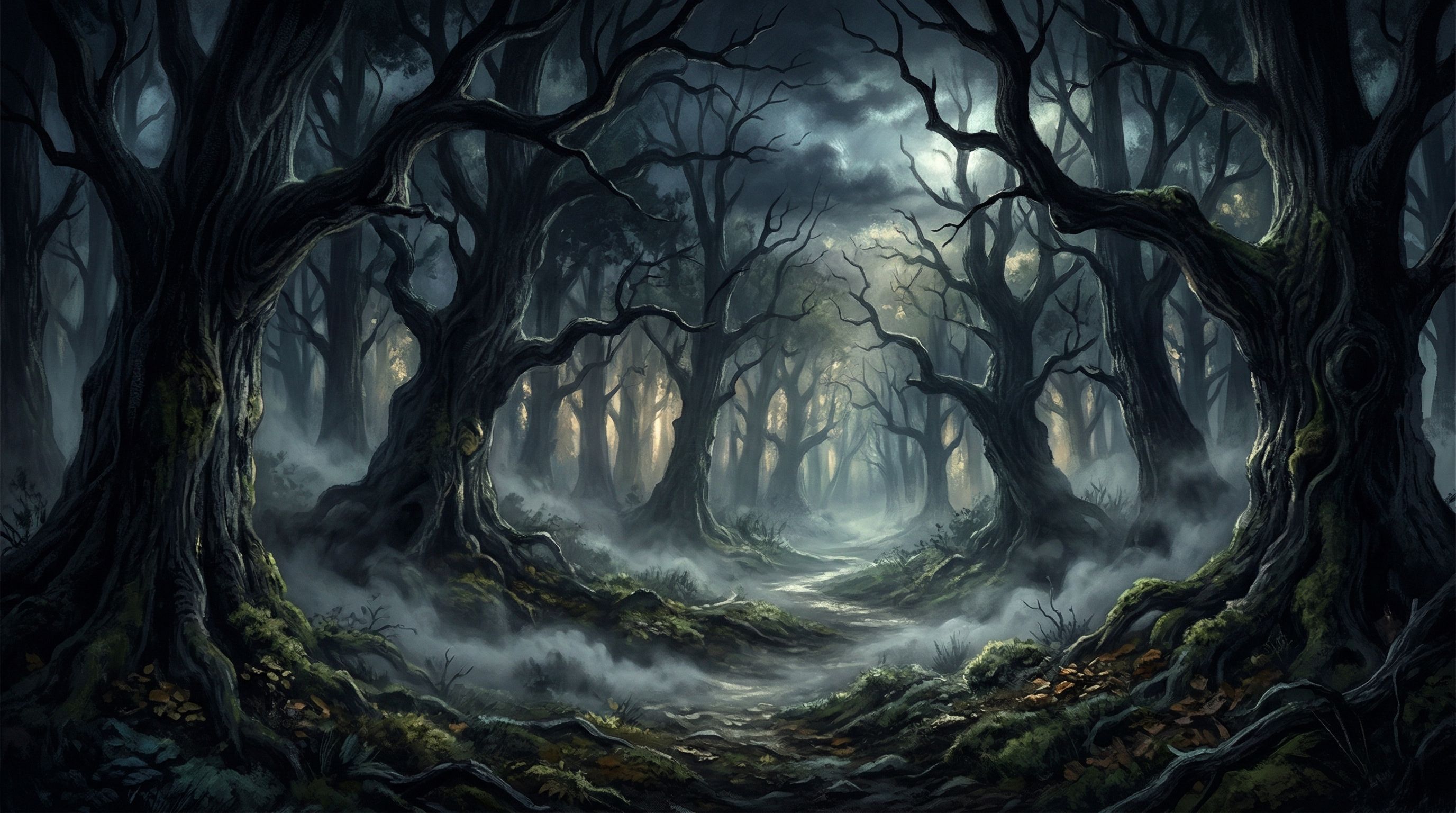
Have you ever noticed the quality of the silence just before the trap is sprung? It is not the peaceful quiet of a sleeping forest, but a heavy, suffocating stillness where even the wind seems to hold its breath. I find this sensory suspension deeply telling. Your dreaming body often senses the threat before your conscious mind can name it, translating this visceral tension into a complete absence of sound. It is a protective paralysis, a brief pause in the theater of your mind where your instincts are desperately trying to catch up with a reality you have ignored. If you woke up with your heart drumming against your ribs, it is because your body remembered how to survive long before your waking thoughts did. This silence is a threshold, a quiet plea from your nervous system to stop rushing through your life and listen to the subtle shifts in your atmosphere.
I once met a dreamer who dreamt of being ambushed by highwaymen every time her creative projects gained traction. She was a painter, brilliant and fragile, and her mind staged these violent interruptions just as she was about to showcase her work. It baffled her, but to me, the mechanism was clear: we often experience an inner ambush when we are on the verge of a major life transition. When you step out of the comfortable fog of anonymity, your fears materialize as bandits waiting in the brush to strip you of your confidence. It is a paradox of our nature that we sometimes fear our own blooming more than our decay. If you are currently standing on the precipice of a new career, a new love, or a sudden rise in visibility, do not mistake this dream for a bad omen. It is simply your old, defensive self-doubt trying to pull you back into the safety of the shadows.
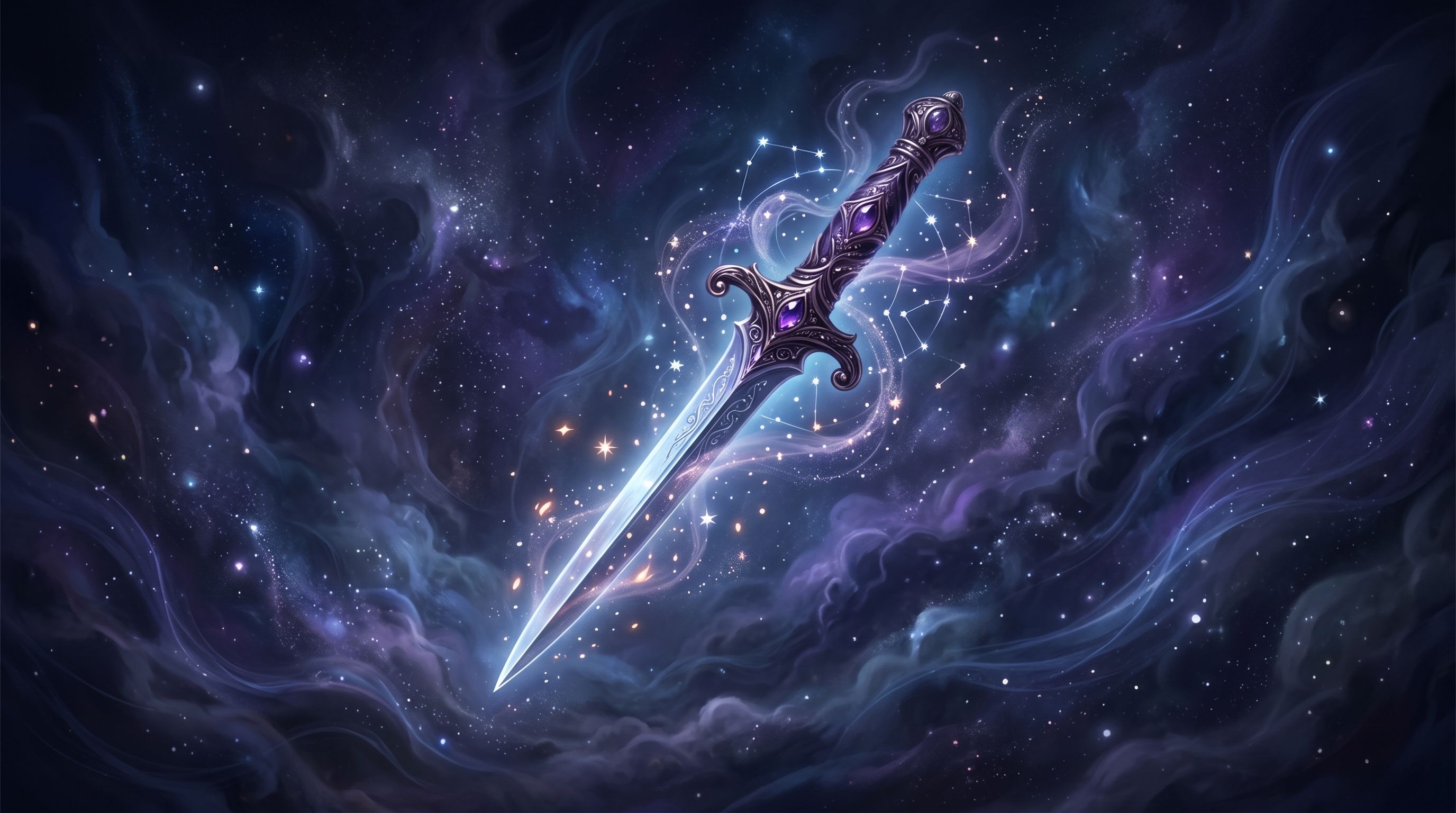
Honestly, what we truly fear when the assailant leaps from the dark is not the physical blow, but the raw, unbridled energy they represent. We live in a world that demands we be polite, civilized, and perpetually accommodating, so we banish our wilder instincts to the basement of the soul. But those exiled parts do not disappear; they simply wait in the dark. The figure holding a sharp dagger in your dream might not be an external enemy at all, but your own suppressed aggression, your boundary-enforcing anger, or your fierce survival instinct demanding to be integrated. By treating the attacker purely as a threat, you miss the deeper medicine of the nightmare. Sometimes, you need to turn around, face the shadow, and ask what power it holds that you have denied yourself for far too long.
If these scenes of tension return to haunt your nights, it can be soothing to put them into words or images. On Midnight Mind, you can record these moments of surprise in your symbol journal and perhaps, little by little, transform these ambushes into simple side paths that you have finally mastered.