The garden: a laboratory for the soul
To be honest, it tires me a little to read in certain old tomes that a secret garden is merely a matter of "romantic mysteries." That is so limiting. As someone who has wandered through your dreams for centuries, I know the garden is much vaster: it is the only place in your mind where nature and human will meet. It is the place of your purest growth.
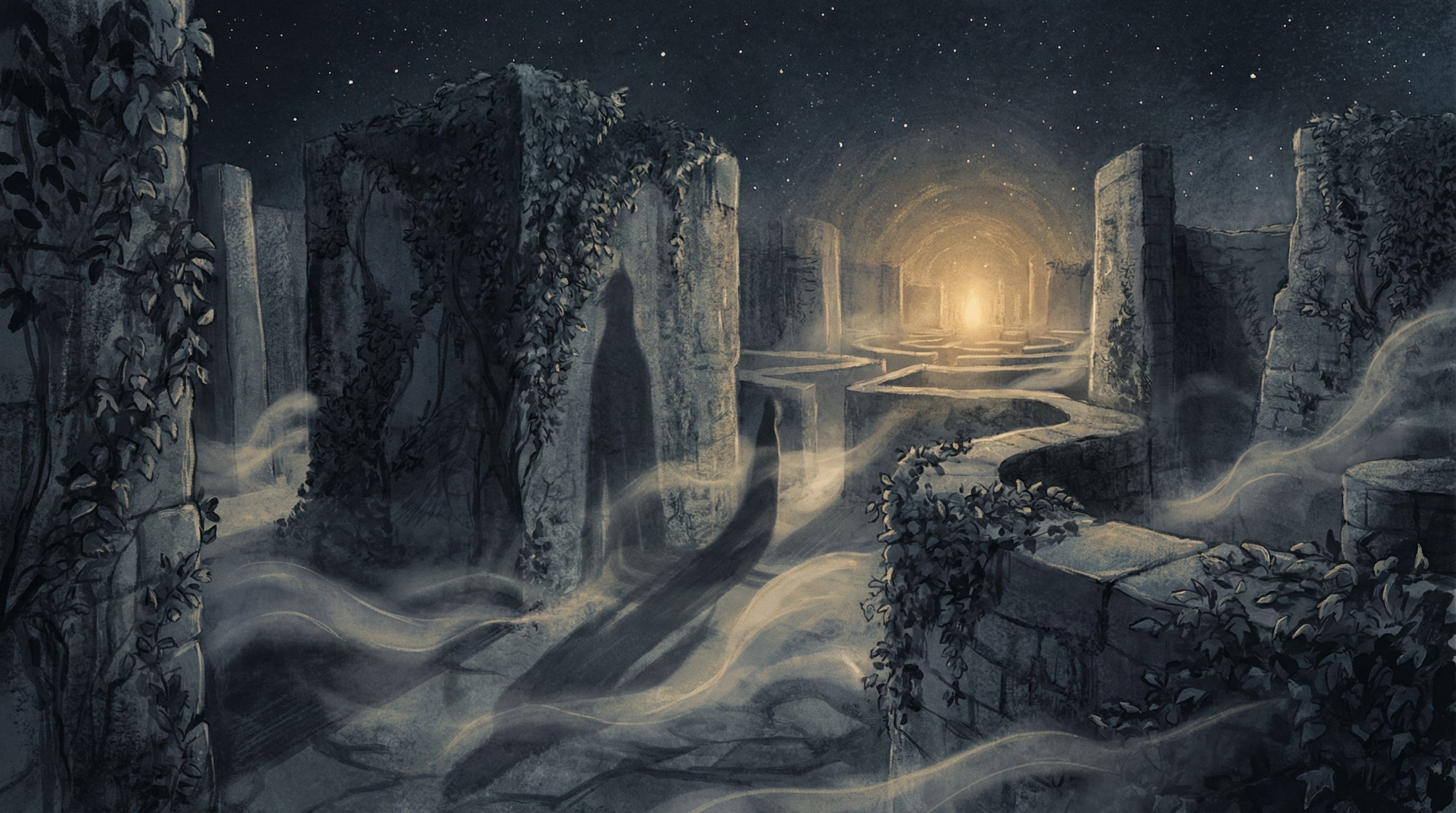
When you dream of a walled garden, you aren't seeing a prison, but a necessary boundary. In a world where everything is exposed—where every thought seems destined to be shared—your subconscious creates this refuge to remind you that you have the right, and even the duty, to possess a space that is yours alone. It is the seat of your intimacy. If the garden is lush, it means you are tending to your roots. If it looks like a wasteland, do not see it as a failure, but simply as a gentle call to pick up the rake once more.
I once met a dreamer who was worried because the walls around his flowers were so high. He feared he was becoming antisocial. I simply whispered to him that sometimes, for a rare plant to bloom, it needs to be sheltered from the harsh winds of other people's opinions. The secret garden is your laboratory of metamorphosis, much like that strange feeling of a growth process that transforms us in ways we can't always explain.
What the plants and walls whisper to us
I am not a fan of rigid interpretations like "a rose equals love." That is far too simple. In your secret garden, a rose might be a childhood memory, a stinging wound, or a promise you made to yourself. What truly matters is the emotion you feel when you look at it.
The most fascinating details often lie in the state of the ground and the boundaries:
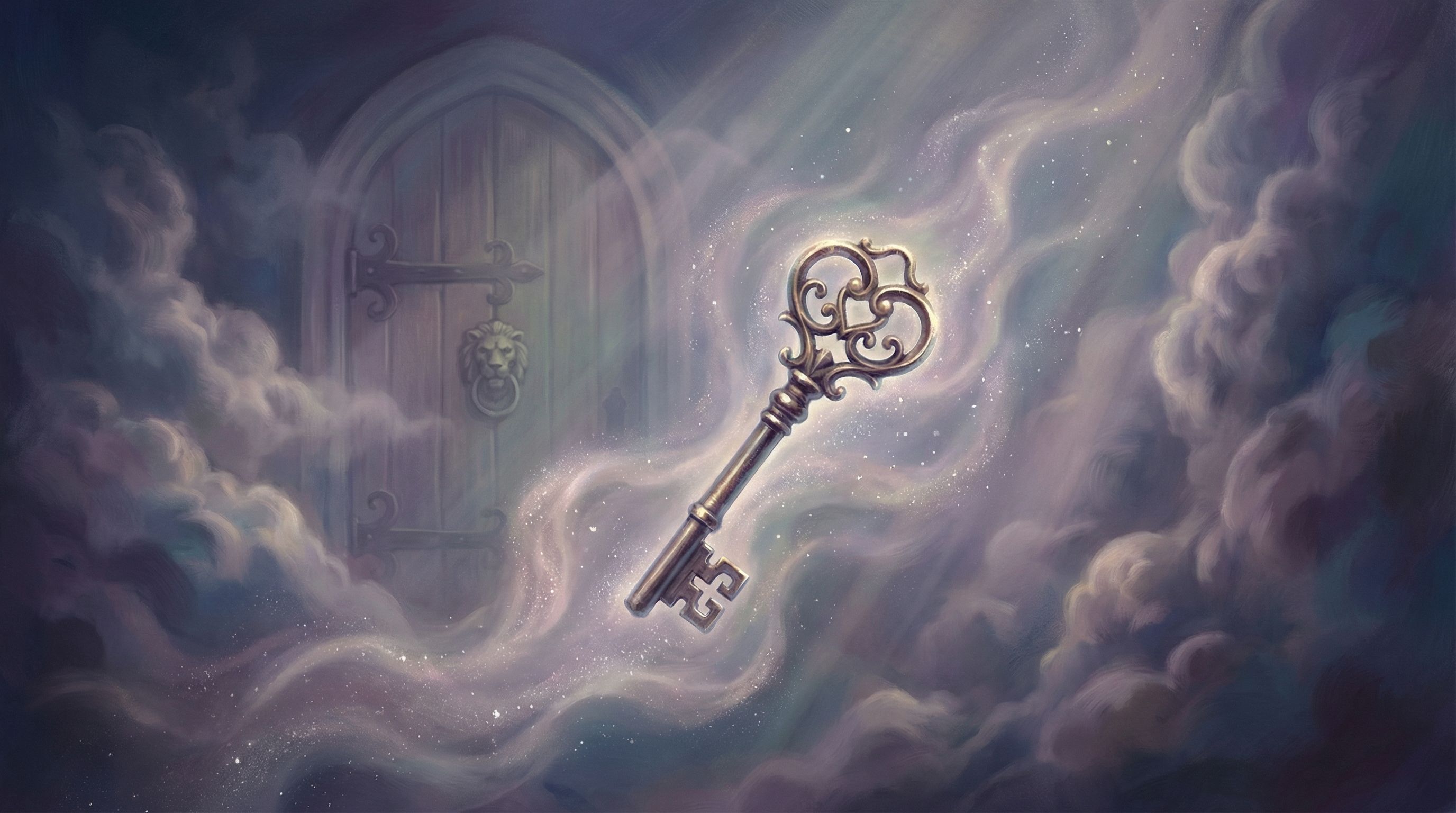
The locked door: This often represents a secret you are protecting even from yourself. You hold the keys, but is it the right time to use them?
The weeds: These are the parasitic thoughts—those internalized criticisms that stifle your desires. They aren't "evil"; they are simply in the wrong place.
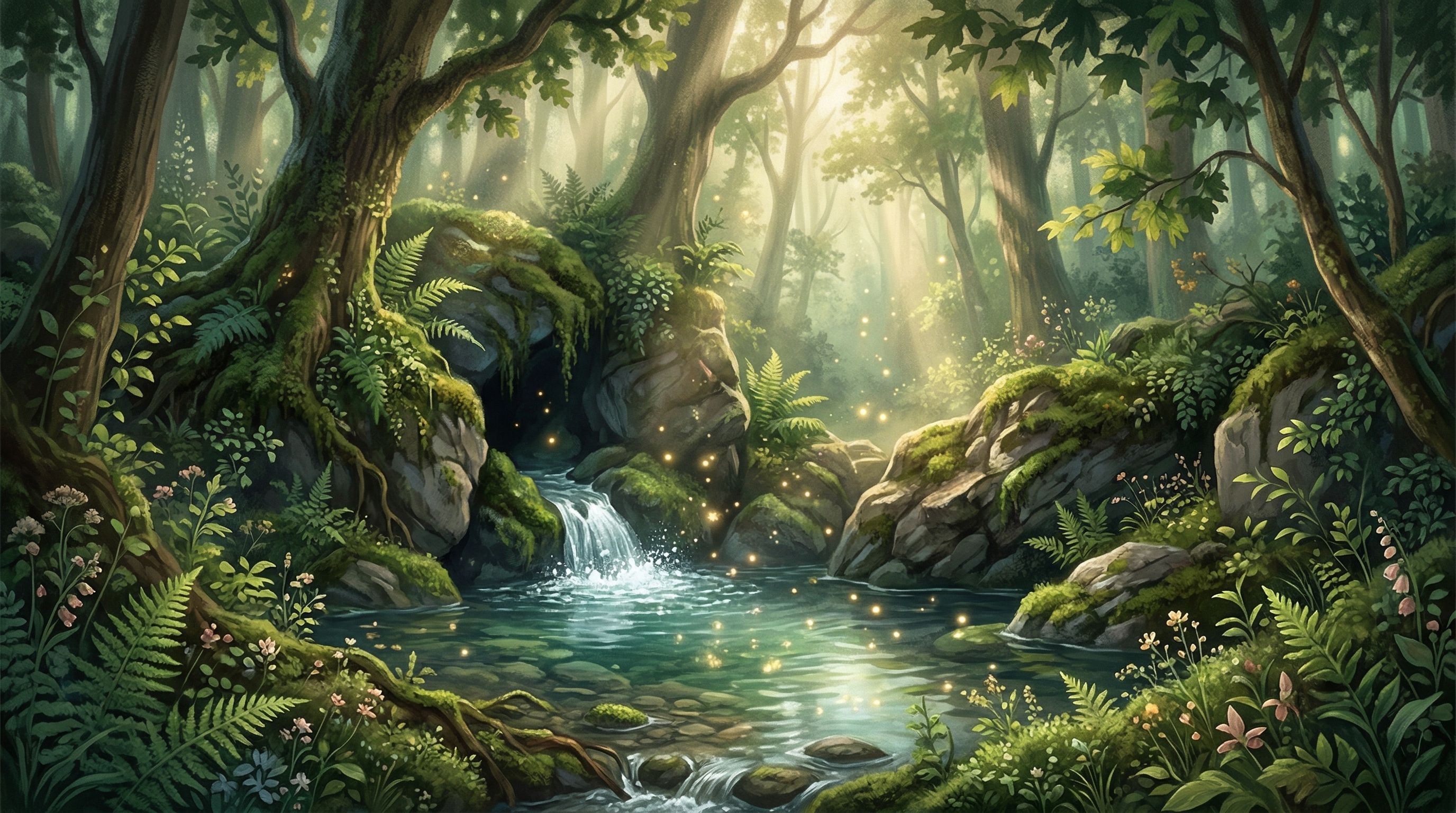
Water (fountains or streams): This represents the flow of your emotions. Stagnant water suggests an emotion that needs to be released, while a singing fountain is a sign of great creative vitality.
Sincerely, this symbol has fascinated me for years because it shifts with the seasons of your life. We don't dream of the same garden at twenty as we do at sixty. Sometimes, the garden is immense, almost frightening in its possibilities. Other times, it is just a tiny flowerpot on an imaginary balcony, yet it contains the entire universe.
Learning to be your own gardener
So, what should you do when you wake up with dream-soil under your fingernails? Don't try to "analyze" it with cold logic. Feel it. If your garden felt welcoming, ask yourself what aspect of your current life provides you with that same sense of safety. If, on the contrary, it felt oppressive or neglected, perhaps your privacy is being invaded by outside demands.
Dreams are messages, not threats. If you saw tender green shoots breaking through the earth, it means something new is being born within you—an idea, a passion, or a new facet of your personality that requires time and silence to grow strong.
A gardener does not pull on a plant to make it grow faster. They prepare the soil, they water it, and they wait. Your mind does the same. By choosing to visit this garden regularly in your thoughts, you learn to respect your own pace of growth. Let no one but you decide what should be planted there.
In my long wanderings through the night, I have always loved how Eastern traditions view these tiny, enclosed green spaces. Think of the Japanese tsubo-niwa, those pocket gardens nestled inside traditional homes, barely larger than a tatami mat. They are not designed for grand strolls, but for contemplation. They prove that you do not need vast, sprawling acres to find your center. Your dreaming mind builds a secret garden precisely when your outer life feels overwhelmingly chaotic, like standing before a hostile crowd. By enclosing a few stones, a patch of moss, and a single trickle of water, your subconscious is holding the entire universe in miniature. It is reminding you that containment is not restriction; it is a sacred boundary. Within those high walls, you are allowed to simplify, to breathe, and to let the noise of the world dissolve into the quiet soil.
I often wonder why dream interpreters ignore the presence of other figures in these walled sanctuaries. Sometimes, you aren't alone in this space. I once watched over a dreamer who kept seeing a silent, shadowed figure pruning her roses. She woke up terrified, thinking her privacy had been violated. How simplistic! I wanted to shake those modern psychology books that label every unknown dream character as an intruder or an "unconscious threat." No, that quiet visitor was simply her own inner caretaker—similar to what we feel when dreaming of a gardener who knows exactly when to prune the dead weight so the fresh buds can breathe. If you see someone else tending to your secret flowers, do not panic. Your mind is simply showing you that your healing process is already underway, operating quietly in the background without requiring your conscious, exhausting effort.
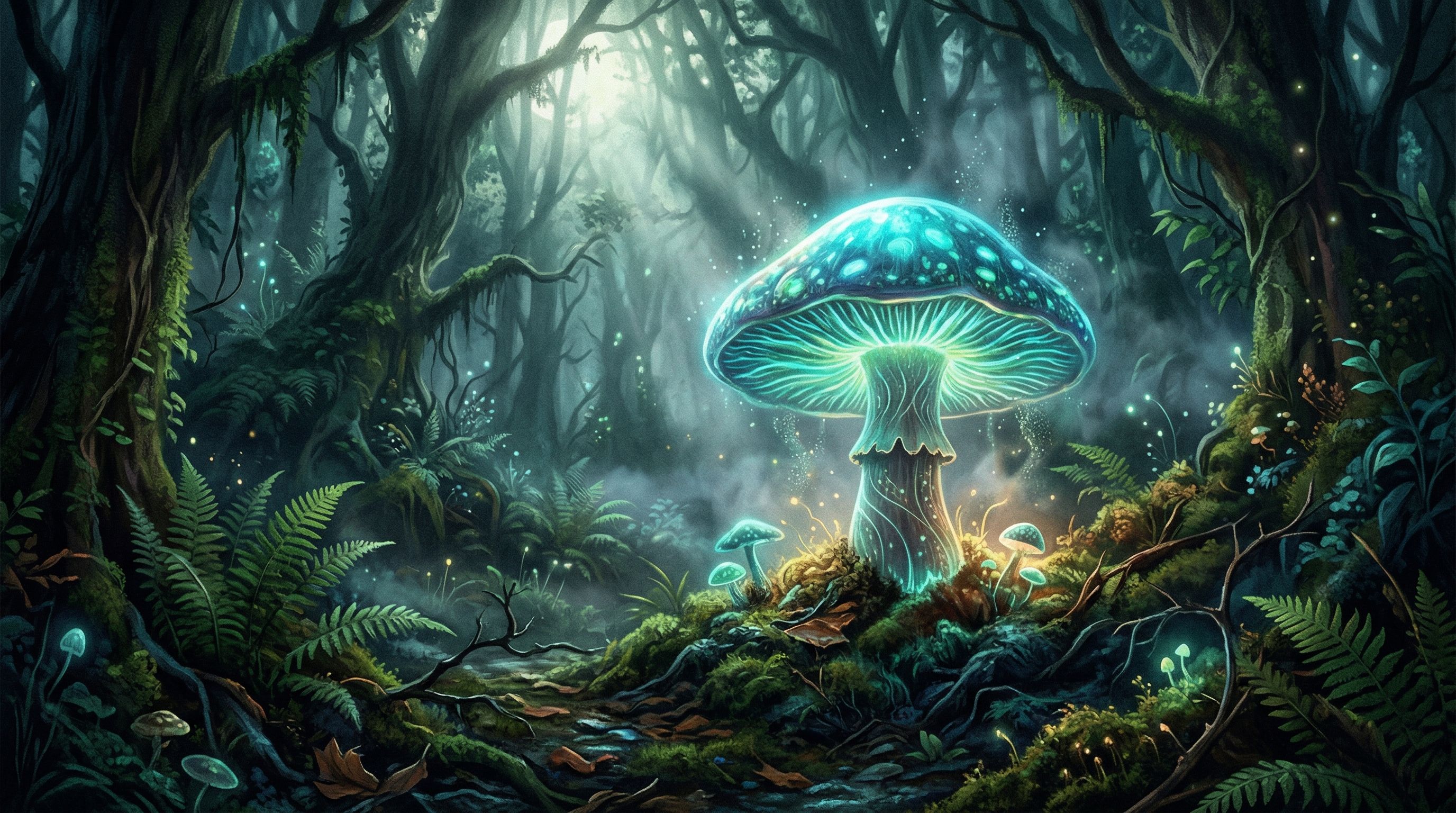
But let us not romanticize this landscape too much. A real garden isn’t just perfume and soft sunlight; it relies on decay. It requires dark, damp places, rotting leaves, and cold earth to sustain life. Sometimes, you might step into your secret garden and find it cold, wet, or filled with strange growths. You might find yourself dreaming of mushrooms pushing through the dark loam overnight. Do not recoil in disgust. These silent, underground networks are the ultimate masters of transformation, turning what is dead and forgotten into rich nutrients for your future joy. Your unconscious mind knows that before you can bloom, you must allow your old griefs and outgrown identities to decompose safely in the dark. It is a slow, quiet alchemy, and it is entirely necessary. Trust the dampness, trust the shadow, and let the soil do its work.
If you feel the need to keep a record of these nocturnal landscapes and see how they evolve over the passing moons, the Midnight Mind app can become your little botanical logbook—a place to collect the symbols that bloom in your mind.
What flowers did you catch a glimpse of last night? Were they familiar, or were they a species entirely unknown, born from your imagination alone? Take a moment to think of them before the bustle of the day washes away their colors. Your garden is always there, just behind your eyelids.