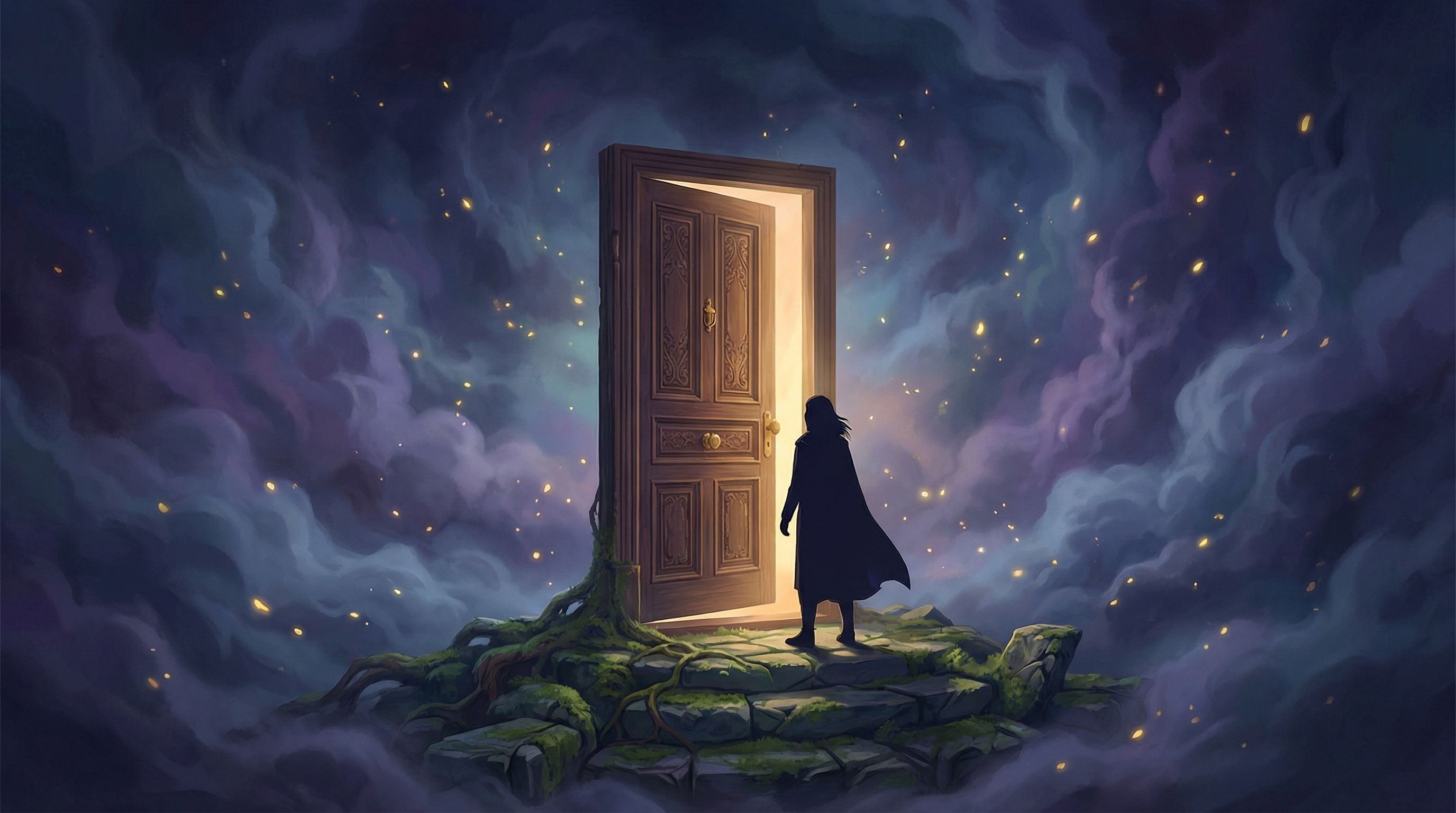
The Messenger at the Gates of Your Mind
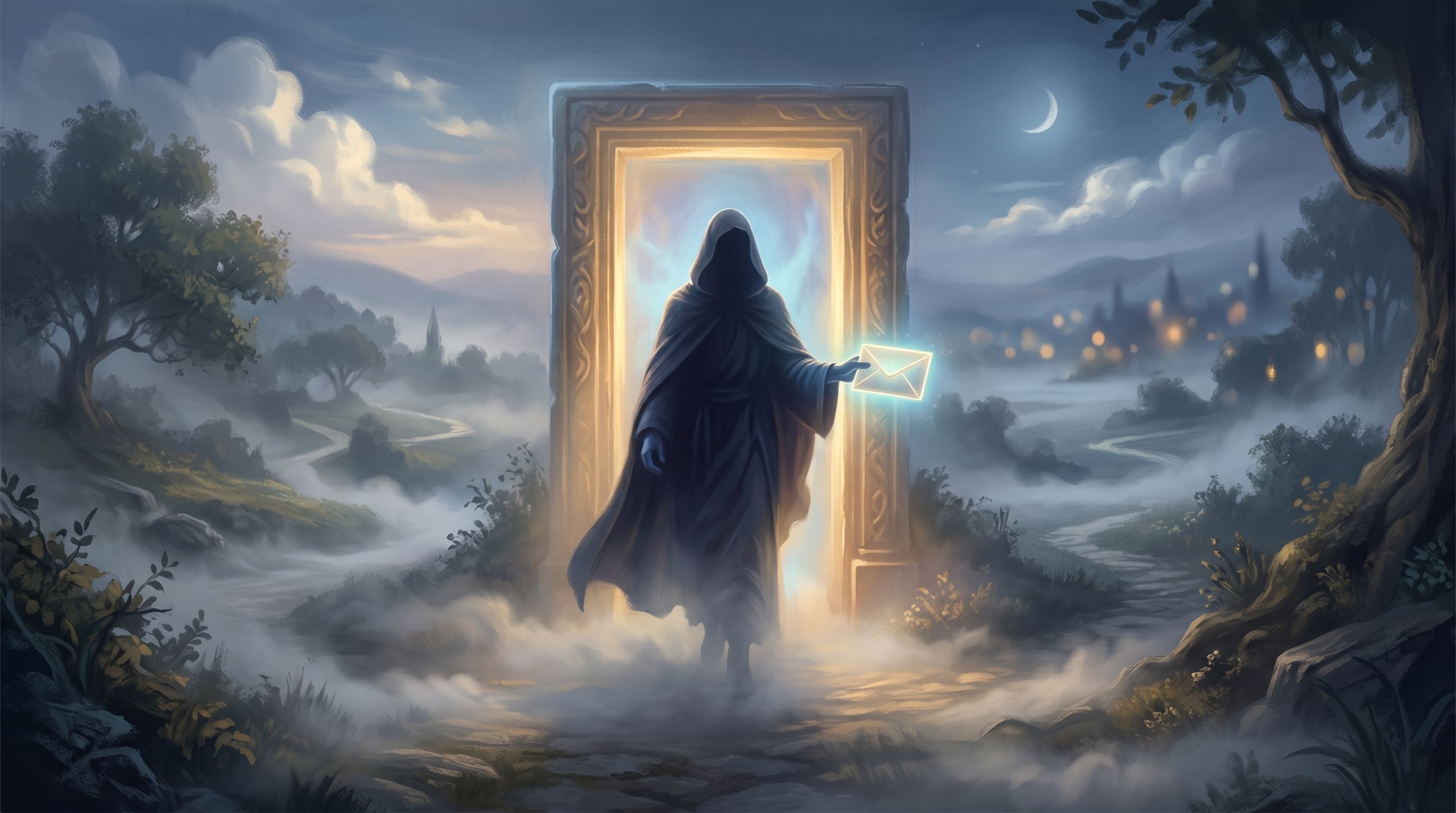
In the quiet theater of your subconscious, the mail carrier is a fascinating archetype. Unlike the primal fear of a predator or the ethereal pull of a siren, the mail carrier is grounded, human, and bureaucratic. They represent the "official" delivery of information.
When this figure appears, it suggests that a piece of information has finished its journey through your unconscious and is now knocking at the door of your conscious mind. You are no longer just "feeling" something vague; you are about to "read" it clearly.
Some specialists in dream psychology suggest that the mail carrier represents the "social self." While a dream about a soldier might deal with internal conflict and defense, the mail carrier deals with your connection to the outside world. They bring news from "elsewhere"—from the people you love, the jobs you hold, or the past you thought you had filed away.
---
Decoding the Contents of the Dreamer’s Bag
The interpretation of your dream changes drastically depending on the "parcel" being delivered. Your mind uses these objects as metaphors for your mental load and your expectations.
If the mail carrier hands you a heavy package, you might be feeling the weight of a new responsibility in your waking life. You aren't just receiving news; you are receiving a task. How you feel when holding that box—whether you feel curious or exhausted—tells you everything you need to know about your current capacity to handle more "weight."
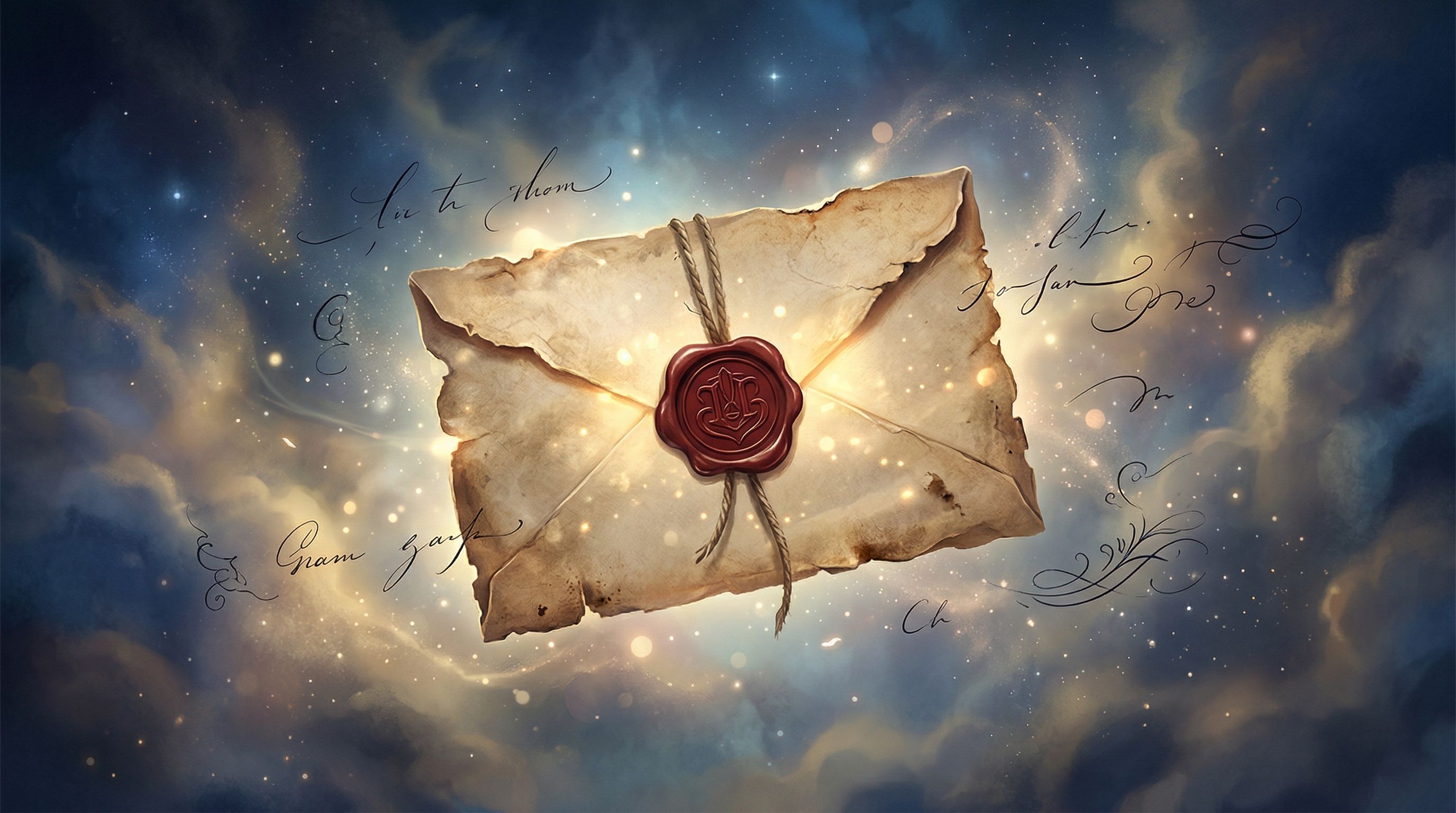
🌙 The Echo of Yume : A letter is never just paper; it is a bridge built of ink. When you dream of mail, you are dreaming of the distance between who you are and who you are becoming.
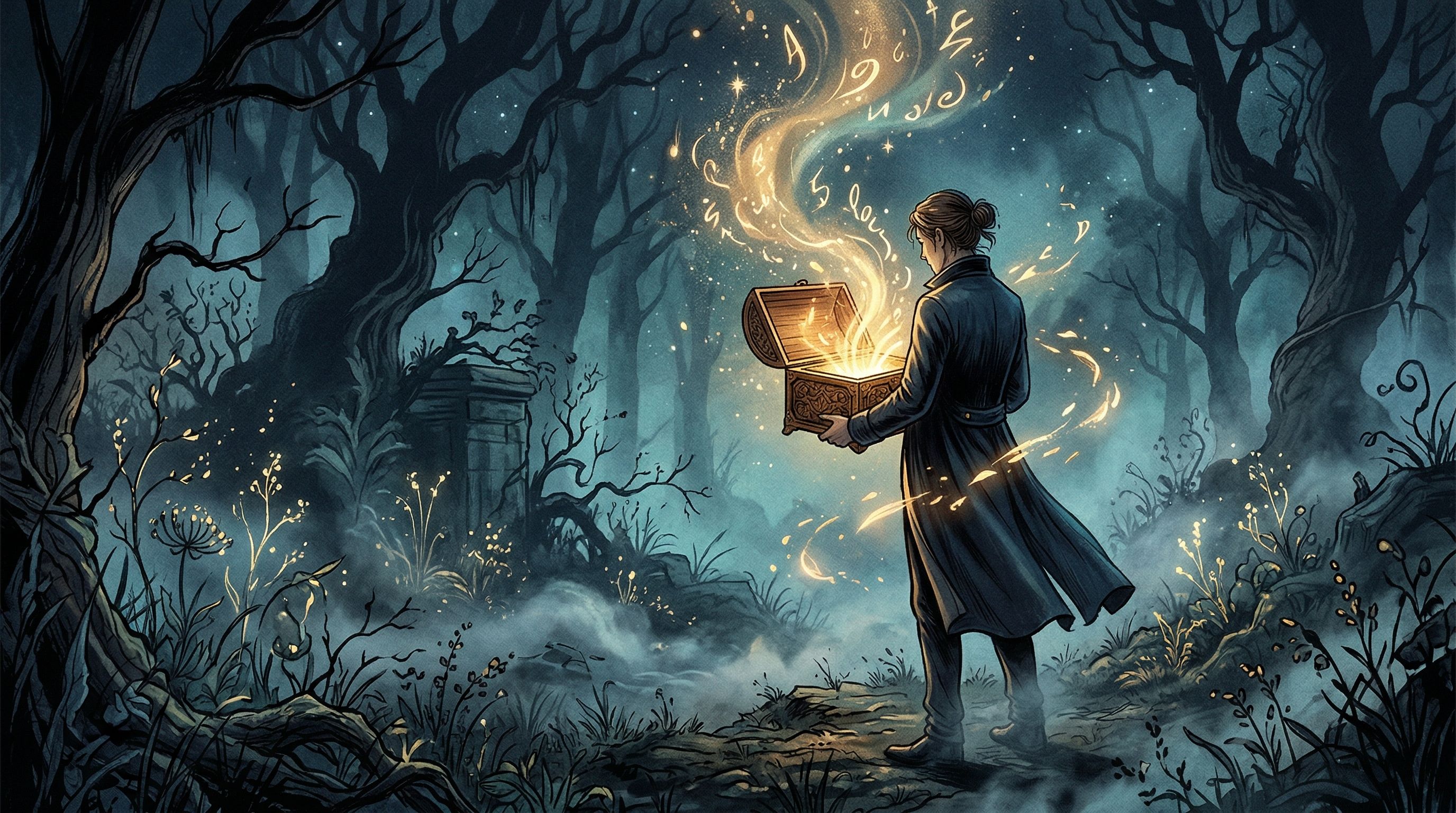
What if the envelope is empty? This is a common and often unsettling dream. You tear open the seal, expecting a revelation, only to find a blank page. In my experience as a Baku, I see this not as a failure of communication, but as a space of pure potential. Your unconscious is telling you that the message hasn't been written yet. You are the one holding the pen.
---
Concrete Example: The Letter That Couldn't Be Read
Consider the case of a young architect who repeatedly dreamt of a mail carrier chasing him through a forest. Every time the mail carrier caught up, he would hand over a letter written in a language the architect couldn't understand.
This dreamer was facing a major career shift but felt he lacked the "vocabulary" to succeed. The mail carrier wasn't a threat; he was a persistent reminder that the "news" of his success was already there, but his anxiety was preventing him from translating it into confidence. Once he acknowledged his imposter syndrome, the mail carrier in his dreams finally stopped running and simply left the letter on his desk, written in plain English.
---
The Psychology of the Mail Carrier Who Passes You By
There is a specific pang of heart-heaviness when you see the mail carrier walk past your house without stopping. You might feel forgotten, invisible, or left behind by life.
This dream often surfaces when you are waiting for external validation. You might be waiting for a "sign" to start a project, a "yes" from a lover, or a "well done" from a parent. By showing you a mail carrier who doesn't stop, your mind is gently pointing out your dependency on others for your own happiness.
It is an invitation to stop looking out the window. The most important messages aren't delivered by a man in uniform; they are the ones you write to yourself in the silence of your own heart.
---
The Ritual of Opening: Facing the Unknown
Opening mail in a dream is an act of courage. It is the moment you agree to face the truth. If you find yourself hesitating to open a letter in your dream, ask yourself what you are afraid of discovering in your waking life.
Are you afraid of a "bill" (a debt or a mistake from the past)? Or are you afraid of a "love letter" (the vulnerability of being seen)? The mail carrier is merely the facilitator. They are neutral. The fear or joy you feel belongs entirely to you.
As you navigate your days, try to notice the "messages" you receive in your interactions. Your dreams are simply a rehearsal for the clarity you seek. If you find that these symbols are becoming too heavy to carry alone, your Baku is always here to help you unpack them.
If you want to explore your dreams more deeply, your Baku is waiting for you.
---
Have you ever noticed the state of the postman’s uniform in your dreams? I often find myself quietly observing these details when I slide into a dreamer’s night. Sometimes, his boots are thick with yellow clay, or his coat is damp from a rain you didn’t feel. This isn’t random set dressing. In ancient Eastern traditions, messengers of the soul do not travel through clean, celestial portals; they walk the dusty earth of your history. If your postman looks exhausted, it is because the truth he carries has traveled a long, winding road through your deepest repressions to reach you. It’s an invitation to offer yourself some grace. Your subconscious has worked incredibly hard, crossing valleys of denial and forests of fear, just to bring this realization to your doorstep. Don't let him stand waiting in the cold.
I once met a dreamer—a violinist preparing for her first solo performance—who never actually saw the mail carrier. She only heard his heavy, rhythmic footsteps on the porch, followed by a sharp, metallic rattle of the letterbox. Each time, she was paralyzed by the dread of what lay on the doormat. This spectral delivery system felt more like being haunted by an invisible presence than receiving a simple letter. We often fear that the unconscious brings only verdicts, bad news, or demands for change. But when I ate that nightmare for her, the envelope she finally opened contained nothing but a blank sheet of music. Your fear of the message is almost always heavier than the message itself. The knocking at the door isn't a threat; it is simply your own readiness asking for permission to enter.
Honestly, it slightly irritates me when modern dream interpreters lump the ancient postman together with text messages or digital pings. They are entirely different spirits. A notification on a screen is instant, fleeting, and loud. But dreaming of a letter delivered by hand speaks to the sacred weight of time. The postman represents a slow-cooked truth. It is information that has been written, sealed, transported, and sorted—it has survived a journey. When your mind chooses this old-fashioned, tangible ritual over a modern phone call, it is asking you to slow down. It wants you to feel the texture of the envelope, to smell the dust of the road, and to understand that some insights cannot be rushed. Some truths require the slow, deliberate unfolding of paper before they can be fully understood.