Beauty Born from the Silt: A Miracle of Your Subconscious
Truly, the symbol of the water lily has fascinated me for millennia. What touches me most is its persistence. For us Bakus, who feed on what is heavy and dark, the water lily is a kind of visual poem.
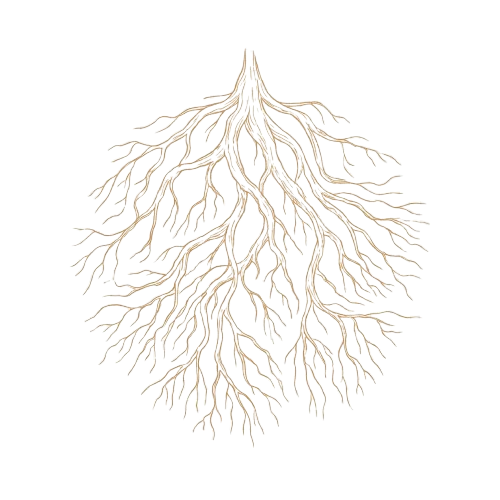
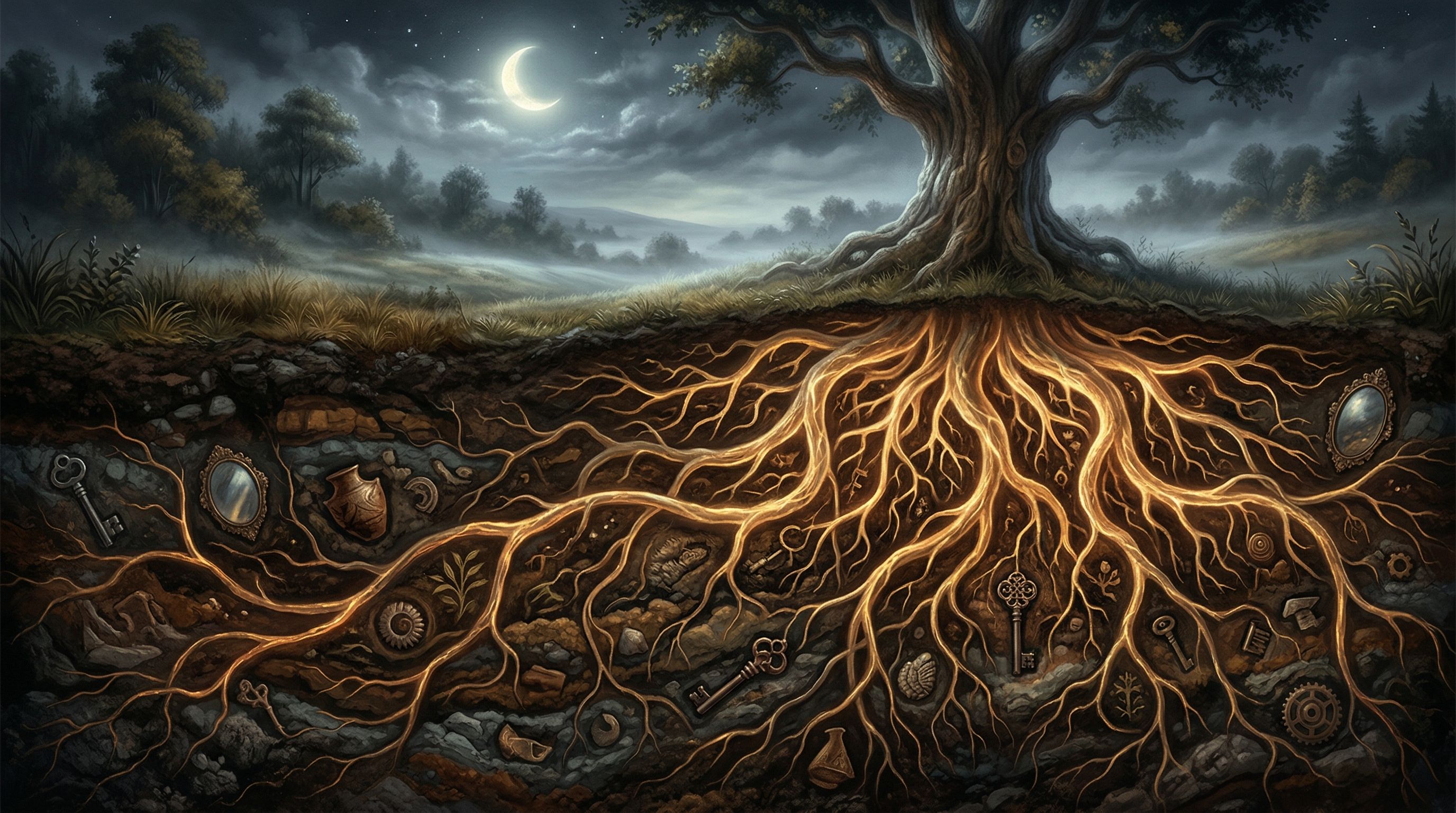
Imagine its journey: its roots sink deep into the mud, into the darkness, into the "dirtiest" parts of the lake. In your dreams, this mud often represents your past, your fears, or those heavy emotions you try to suppress during the day.
Yet, the flower that opens at the surface is of absolute purity. This is where the message lies: your subconscious is not telling you to ignore your shadow side. Instead, it suggests that you can use it as fertile soil.
I tend to be wary of simplistic interpretations that claim "a flower equals happiness." The reality of your mind is much more subtle. Dreaming of a water lily means accepting that your current beauty is nourished by your past difficulties.
🌙 Yume's Echo: The mud does not stain the flower; it feeds it. Your shadows are not your enemies, but the very soil of your transformation.
---
Floating Without Drifting: Mastering the Surface of the Heart
We often forget that the water lily is a master of survival. Its wide leaves catch the slightest glimmer of sunlight while remaining in constant contact with the aquatic element.
In the realm of dream analysis, water almost always represents your emotional state. If you see a water lily drifting peacefully on calm water, it may be a sign that you have finally found a point of equilibrium. You are no longer overwhelmed by your inner waves; you stay "above" them while remaining deeply connected to them.
But I must be honest with you—I am not a fan of overly idyllic visions. If the water around the water lily in your dream is murky or agitated, the tone changes.
Do you feel fragile lately? Do you feel like your inner peace is hanging by a single thread? Sometimes, dreaming of a solitary water lily expresses a chosen form of isolation.
Just as you might see a penguin navigating both ice and water, the water lily exists between two worlds. It is a defense strategy, a way of staying on the surface so you don't have to see what is crawling at the bottom.
---
A Concrete Example: The Fear of Sinking
I remember a dreamer who shared a vision of giant water lilies stretching across a dark lake. She was trying to cross them like stepping stones to reach a terrace, but she was paralyzed by the fear of the leaves sinking under her weight.
This reflects a common struggle: the desire to stay dry and "above" one's feelings through logic. I suggested that the dream wasn't about the risk of falling, but about the need to trust the buoyancy of her own heart.
The water lily doesn't fight the water; it relies on it. To move forward, she had to accept the slight, natural wobble of the leaf.
---
The Relationship with Stagnation and Growth
The water lily also asks you about your relationship with stillness. Water that doesn't move can become toxic.
If your dreams of water lilies recur too often in a suffocating, swamp-like setting, you should ask yourself: are you truly blossoming, or are you simply "stuck" there, refusing to move forward out of fear of what hides beneath the leaves?
The beauty of the water lily should not be a mask to hide your lack of movement. Some specialists in dream psychology suggest that recurring symbols of stagnant beauty might point to a "comfort zone" that has become a cage.
If you encountered this flower last night, do not look for a mathematical answer. Dreams are breaths, not equations. The water lily simply invites you to look at how you are managing your emotions right now.
Are you capable of transforming what weighs you down into something luminous? My advice is this: tomorrow, take a moment to observe what, in your life, resembles this flower.
What allows you to stay at the surface when everything seems to be pulling you down? Cherish that strength, however frail it may seem.
If you want to explore your dreams more deeply, your Baku is waiting for you. Sleep peacefully; I am watching over your shadows.
Did you actually touch the flower in your dream, or did you only observe it from a safe distance? I often notice that dreamers forget the sheer physical weight of their dreams. If you reached out and felt the leaf, was it surprisingly cold, or did it hold the faint, residual warmth of an unseen sun? In my long nights of wandering, I've realized that the texture of a dream-flower tells us how ready we are to touch our own vulnerability. If the petals felt almost metallic or plastic, you might be keeping your feelings at arm's length, intellectualizing your healing rather than feeling it in your chest. But if they felt velvety and fragile, you are already participating in a quiet, organic process, very much like the slow unfolding of dreaming of blooming in the deepest, most quiet hours of your sleep.
I once met a dreamer who was deeply troubled because her dream-water lilies were not beautiful at all; they were decaying, brown, and slowly dissolving back into the dark water. She woke up feeling like she had failed some spiritual test. Honestly, it saddens me when people assume a dream is a failure just because it isn't painted in bright, happy colors. The water lily must rot in the autumn to feed the seeds at the bottom of the lake. If your dream-lily is dying, it is not a nightmare; it is a profound release. You might be in a phase of your life where you need to let go of an old version of yourself, allowing it to sink into the silt so that something new can eventually feed on it. Sleep is not just for growing; it is also for decomposing what we no longer need to carry.
In the old tales of my home, the water lily is often conflated with the sacred lotus, a symbol of divine detachment. But between us, I find that absolute detachment rather cold. I much prefer the flawed water lilies I see in your minds—the ones with torn leaves, nibbled by dream-fish, or weighted down by heavy rain. There is a quiet, earthly wisdom in a flower that stays grounded in the mud while welcoming the passing winds. Sometimes, if you look closely at these floating platforms in your sleep, you might notice other small visitors seeking refuge there. Catching a glimpse of a fragile creature resting on the leaf is not unlike dreaming of a dragonfly, reminding you that even the most unstable, shifting emotions can serve as a temporary landing pad for a brief moment of clarity.