The Echo of Closing Doors: Why This Nostalgia?
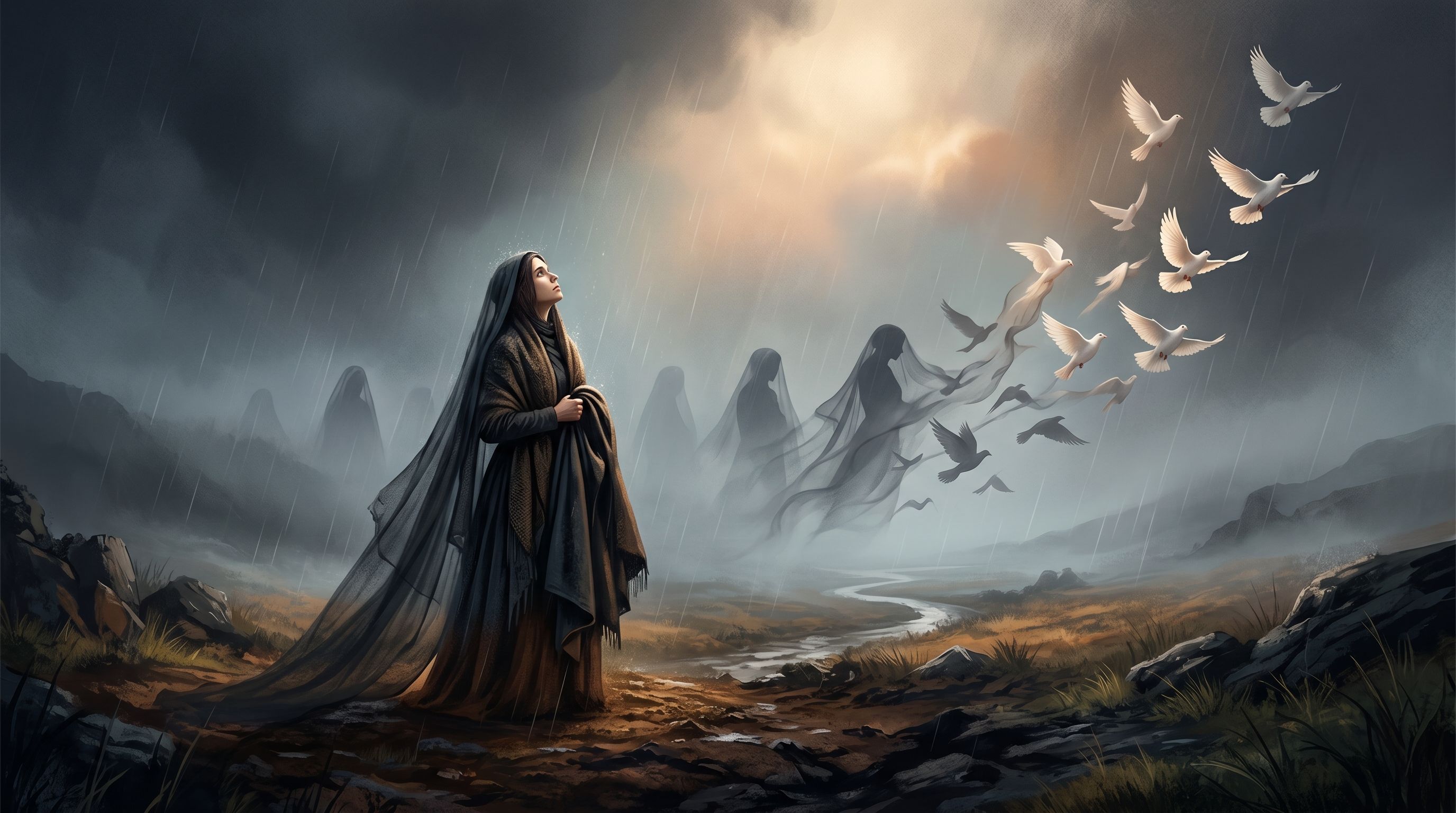
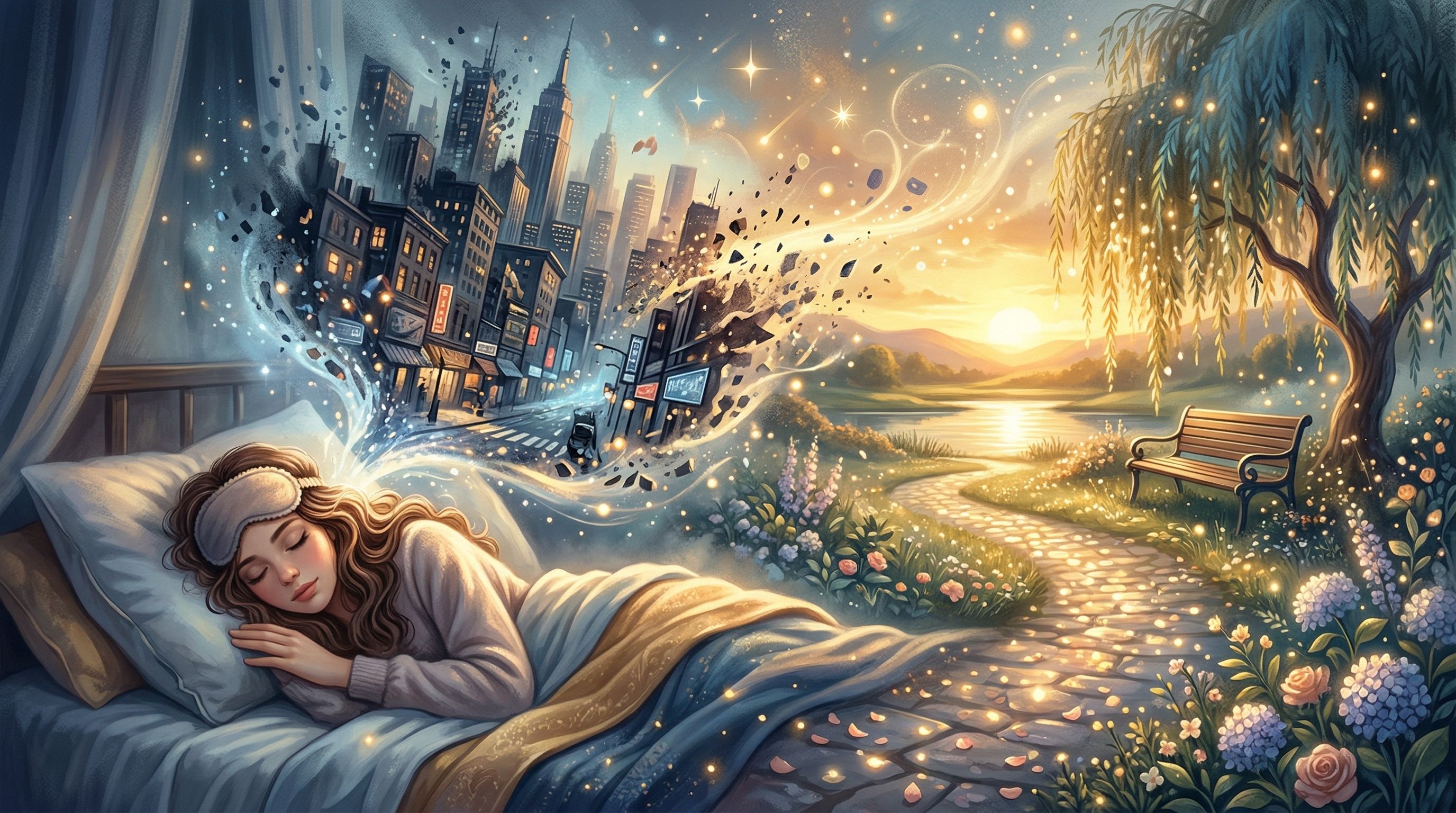
I often see dreamers wake up in a panic because they experienced their "last day" in a dream. They wake with the taste of ash in their mouths, convinced that misfortune is lurking. Truthfully, this literal interpretation tires me. Dream-time is not clock-time. When your mind stages a last day, it isn't speaking about your expiration date; it is speaking about the texture of a change you are currently moving through.
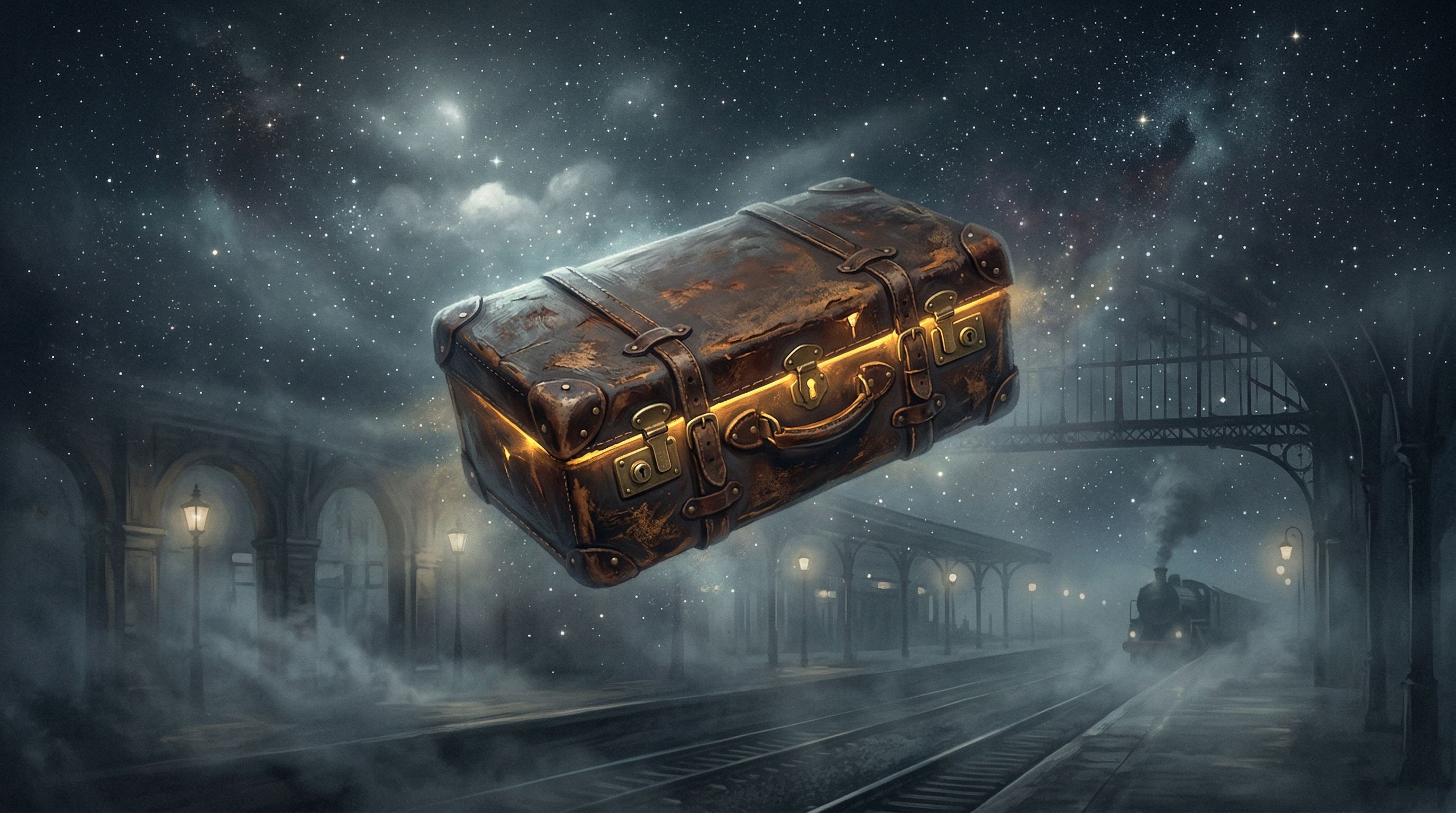
It is a bit like walking down a hallway that seems to stretch forever before coming to a sudden halt at a closed door. This "last day" is the moment you realize the scenery is about to change. The nostalgia you feel in the dream is a noble emotion: it is proof that what you lived through had meaning. If you dream it is your last day at work even though you have no plans to quit, it may be that your current "version" of that role has reached its limit. You have harvested all the lessons that particular situation had to offer.
I once knew a dreamer who, every night for a week, lived his last day of high school, even though he was forty years old. He was haunted by this ending. By speaking with his soul, we understood he was going through a crisis of purpose: he felt he hadn't "earned his degree" in his adult life. His unconscious was bringing him back to that turning point to say: "Look, you have already survived an ending before; you can do it again."
The End is Not an Enemy, It’s a Sculptor
In the spirit world, we see the "end" as a sculptor who carves away the excess stone to reveal the statue beneath. Dreaming of a last day is the subconscious doing its spring cleaning. Sometimes it feels brutal, much like the sensation one might have when facing an assassin who comes to put an end to a part of ourselves—but it is necessary. Without an end, there is no form.
Here are a few variations I often encounter in your nights:
The last day before vacation: It isn't always relaxation that dominates, but often the anxiety of forgetting. "Did I finish everything?" This reflects a perfectionism that prevents you from truly tasting rest.
The last day of a loved one: This is a heartbreaking experience, but it rarely speaks of an actual physical passing. It usually evokes a transformation in your relationship. This person will never be "the same" in your eyes again, or your bond is changing its nature.
The last day of the world (The Apocalypse): This is the end of your inner world. Your belief structures are collapsing. It is terrifying, yet it is the most fertile dream there is: upon the ruins, everything can be rebuilt.
Honestly? This symbol remains mysterious even to me at times, for it depends entirely on the light that bathes your dream. If the light is golden and soft, it represents acceptance. If it is grey and stifling, it represents resistance. Are you struggling against the inevitable?
There is a tragic beauty in these dreams. They remind us that we are beings made of cycles. We die and are reborn a thousand times in a single lifetime. Every "last day" dreamed is a small dress rehearsal, teaching us how to let go without breaking.
Befriending the Twilight
If you have had this dream recently, do not see it as a threat. See it as an invitation to look at what, in your life, is asking for closure. Is there a conversation you haven't finished? A project that is dragging on and draining your energy? Your mind is giving you the opportunity to experience this ending in the safety of sleep so that, upon waking, you can move with more lightness.
Nostalgia is a compass, not an anchor. It shows you what mattered to you. Thank your subconscious for this reminder and ask yourself: "Now that this day is done, what shall I do with my first morning?"
Dreams are messages, whispers from your deepest self seeking to align you with your own truth. Do not fear the falling curtain; instead, rejoice in the intermission.
Have you noticed how quiet these dreams usually are? When I slip into your sleep to taste these final moments, I rarely hear screaming or chaotic noise. Instead, there is a peculiar, heavy silence, like the air right before a snowstorm. The light is almost always amber, the color of late autumn afternoons. In Japan, we have a phrase, mono no aware, which captures this exact, sweet sadness of things passing. It is the realization that everything is ephemeral, and that its very transience is what makes it beautiful. Your unconscious is not trying to terrify you with a ticking clock or an empty hourglass; it is merely inviting you to sit with the beauty of what is ending. It asks you to look at the dust motes dancing in the dying light and say, 'Thank you for what you were.'
Honestly, what fascinates me most is when a dreamer feels a secret, bubbling sense of relief during their 'last day,' only to wake up feeling terribly guilty about it. I once visited a woman who dreamed of the final hours before her entire town was swallowed by rising waters. Instead of running, she simply sat on her roof, sipping tea, feeling lighter than she had in decades. Why do we feel ashamed of this relief? Your conscious mind thinks you must fight to keep everything alive—your marriage, your projects, your old identities. But your soul is tired. Dreaming of a final boundary is often a permission slip to stop carrying what was never yours to save. It is a quiet release, a realization that walking away or letting a breakup reshape your life is not a failure, but a necessary shedding.
It mildly annoys me when modern dream books tell you to immediately start journaling about 'new goals' the moment you dream of an ending. They treat the subconscious like a corporate manager obsessed with quarterly productivity. Let me tell you a secret: the soul does not rush. It needs time to grieve, to linger in the ruins, to let things decompose naturally. In many ancient traditions, you do not immediately plant new seeds after a harvest; you let the soil rest. When your dream self stands at the edge of a finished chapter, it is asking you to honor the space between. Do not rush to fill the void. Sometimes, the most spiritual thing you can do is simply sit with the emptiness, acknowledging that you are letting something precious die to make room for a future you cannot yet name.
If these repeated endings weigh on you, or if you wish to keep a record of these closing cycles to better understand your own evolution, you can chronicle these turning points in your personal journal on the Midnight Mind app. There, together, we can continue to decipher the poetry of your nights.