The Witness’s Gaze: Why see yourself from the outside?
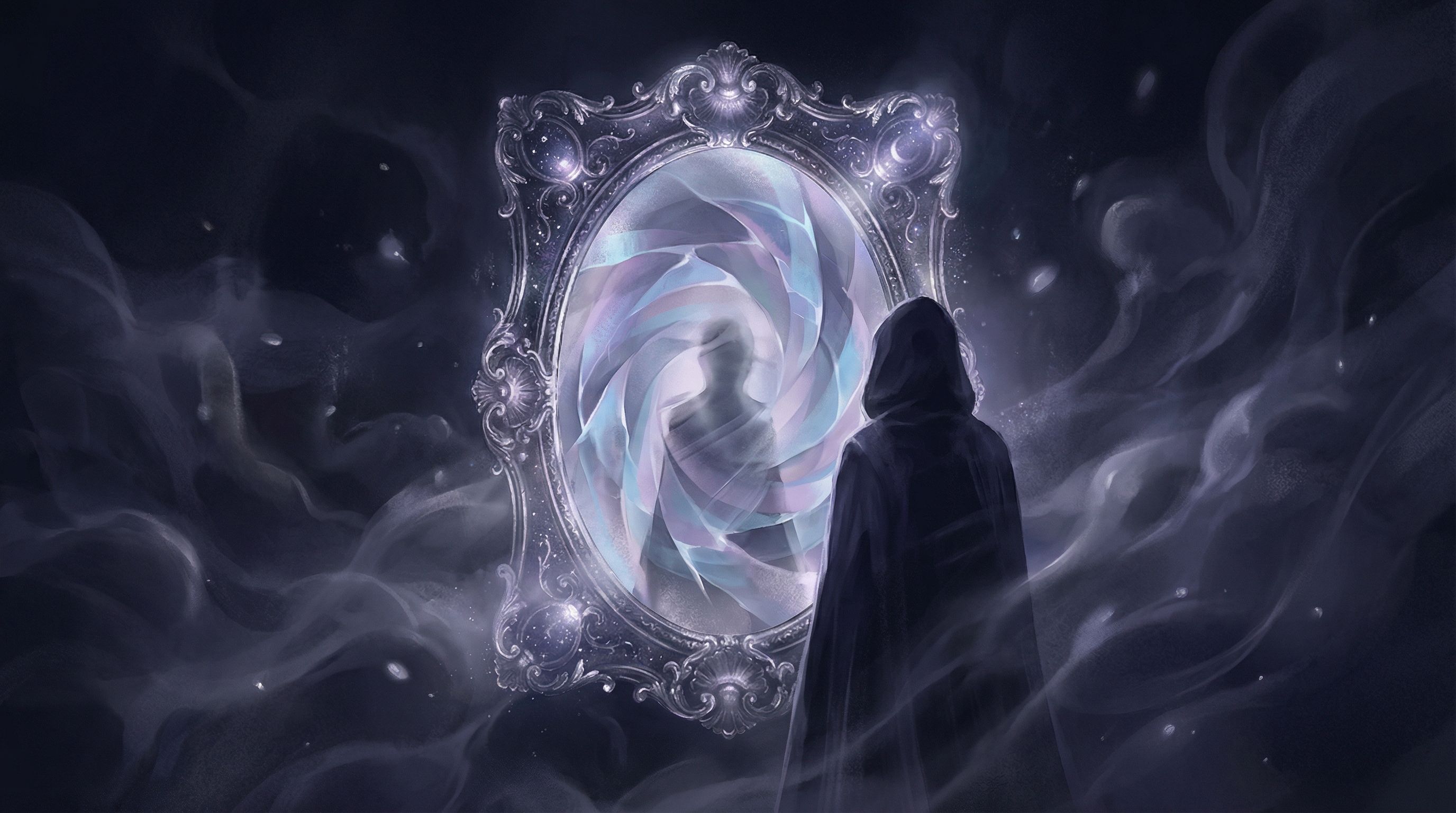
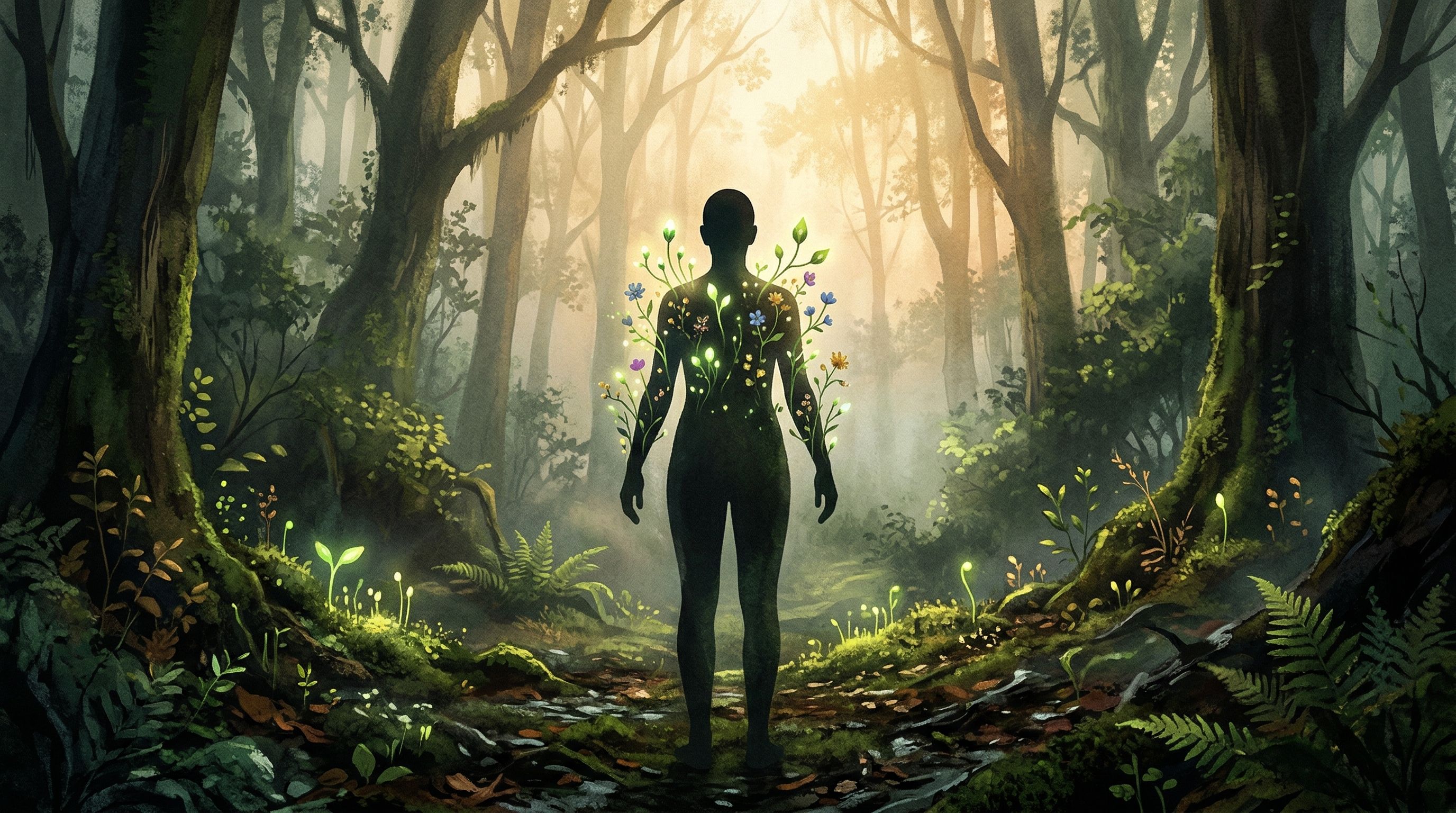
What fascinates me most about this symbol is the position of the spectator. You aren't "dying" in the middle of the action; you are there, standing or floating, observing your own death. To me, this is a sign of immense wisdom trying to break through. It means you have finally gained enough perspective to no longer fully identify with your failures, your fears, or your past.
Some dream dictionaries might tell you this is a sign of depression or anxiety. I disagree. I find those interpretations too dark and narrow. To me, it’s a bit like your mind is doing a deep spring cleaning—much like how one tidies up a construction site once the walls are up: you watch the old scaffolding fall away with relief. By observing your own dream-remains, you are saying goodbye to what was holding you back.
A while ago, a dreamer told me they saw themselves lying in a forest, peaceful, while their younger, more vigorous self watched from a tree. It wasn't sad. It was a passing of the torch. This dream often occurs when we change careers, leave a toxic relationship, or finally decide to be our true selves. We are watching the image others had of us fade away. It is an act of courage, not a tragedy.
The Symbolism of Transformation and Detachment
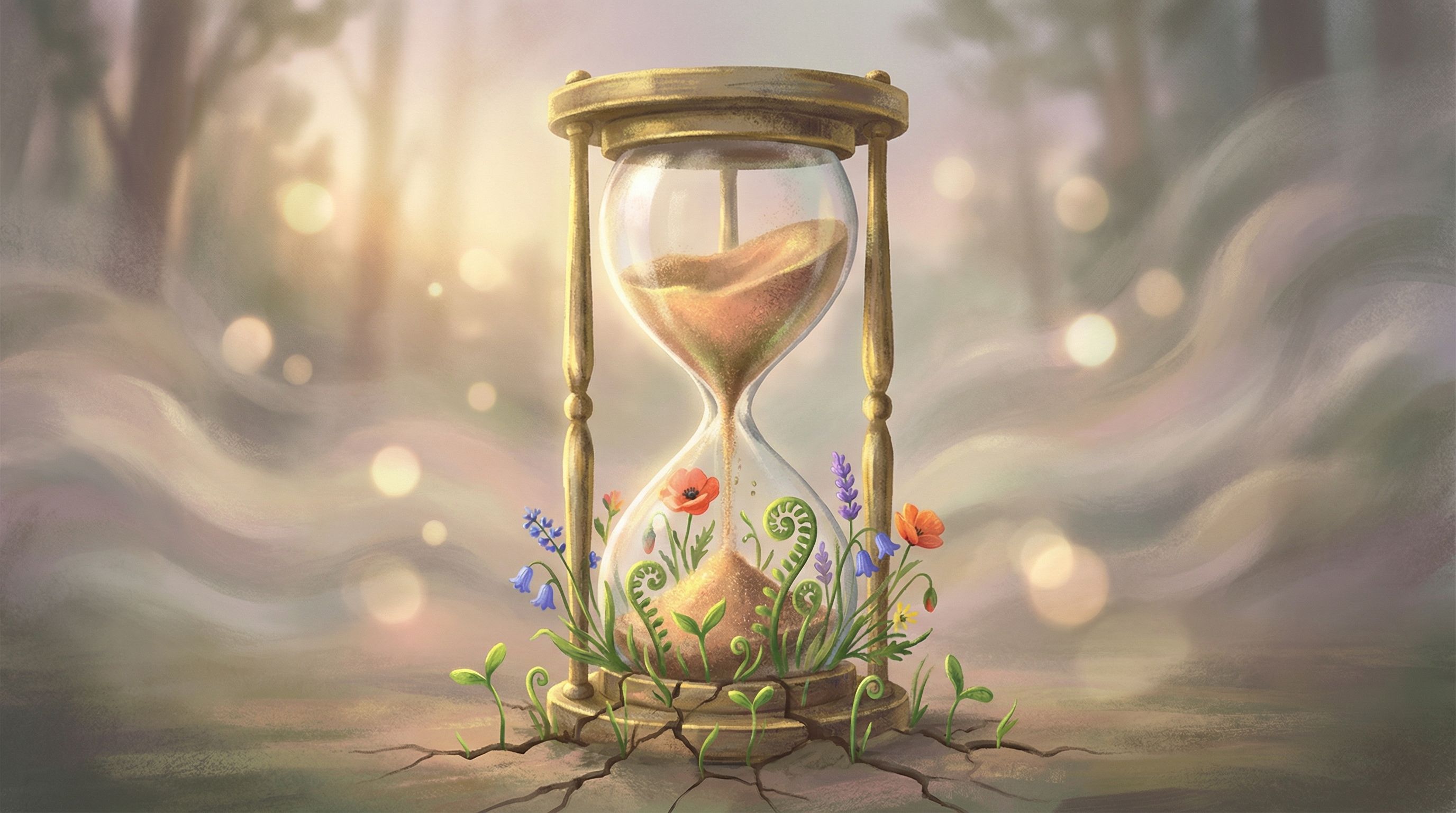
In the unconscious mind, death is a metaphor for transformation. If you see yourself dying, it is because the chrysalis is cracking. The process can be uncomfortable, even terrifying, because the ego hates change. It prefers a familiar suffering to an unknown freedom. But your unconscious knows that to grow, you must accept shedding a few feathers.
Sometimes, this dream is more technical, almost surgical. I occasionally see dreamers observing their bodies on a table in a setting that resembles an operating room. In this context, the idea of detachment is even stronger. You are analyzing what no longer works; you are dissecting your old beliefs. You are becoming your own soul’s physician.
I must admit, I have a soft spot for these dreams of serene death. They are so rare, yet so powerful. If you see yourself dying without pain, with a form of acceptance, it means you are ready for what comes next. You have understood that nothing is lost, everything is transformed. This is the moment when the past stops being a weight and becomes fertilizer for the future. You no longer need to wear that old, tattered coat; you can simply watch it dissolve into time.
The Nuances of the Mirror: What kind of death did you see?
The way you "die" in your dream changes the flavor of the message I must digest for you. Is it a sudden death or a gentle fading? A violent death often indicates that the transformation is being forced upon you by external circumstances and that you are resisting with all your might. Your mind then has to use a shocking symbol to make you understand that it is time to let go.
Conversely, if you are attending your own funeral, it speaks to the social recognition of your change. You might be asking yourself: "What will be left of me once I’ve changed?" It is a legitimate question. I sometimes wonder myself what would become of me if humans stopped dreaming. But change is the only constant in the universe, isn’t it?
Honestly, do not see this dream as a bad omen. See it as an invitation to lightness. By accepting to observe your own death, you accept the impermanence of things. You become more fluid, more free. You finally allow yourself to be reborn each morning, with new skin and eyes washed clean of old tears.
If this dream has left an indelible mark on you—an emotion you can't quite name—don't let it evaporate in the morning light. It is a fragment of your truth. Write it down, draw it, or entrust it to a vast memory. There is so much beauty in these endings that aren't truly endings.
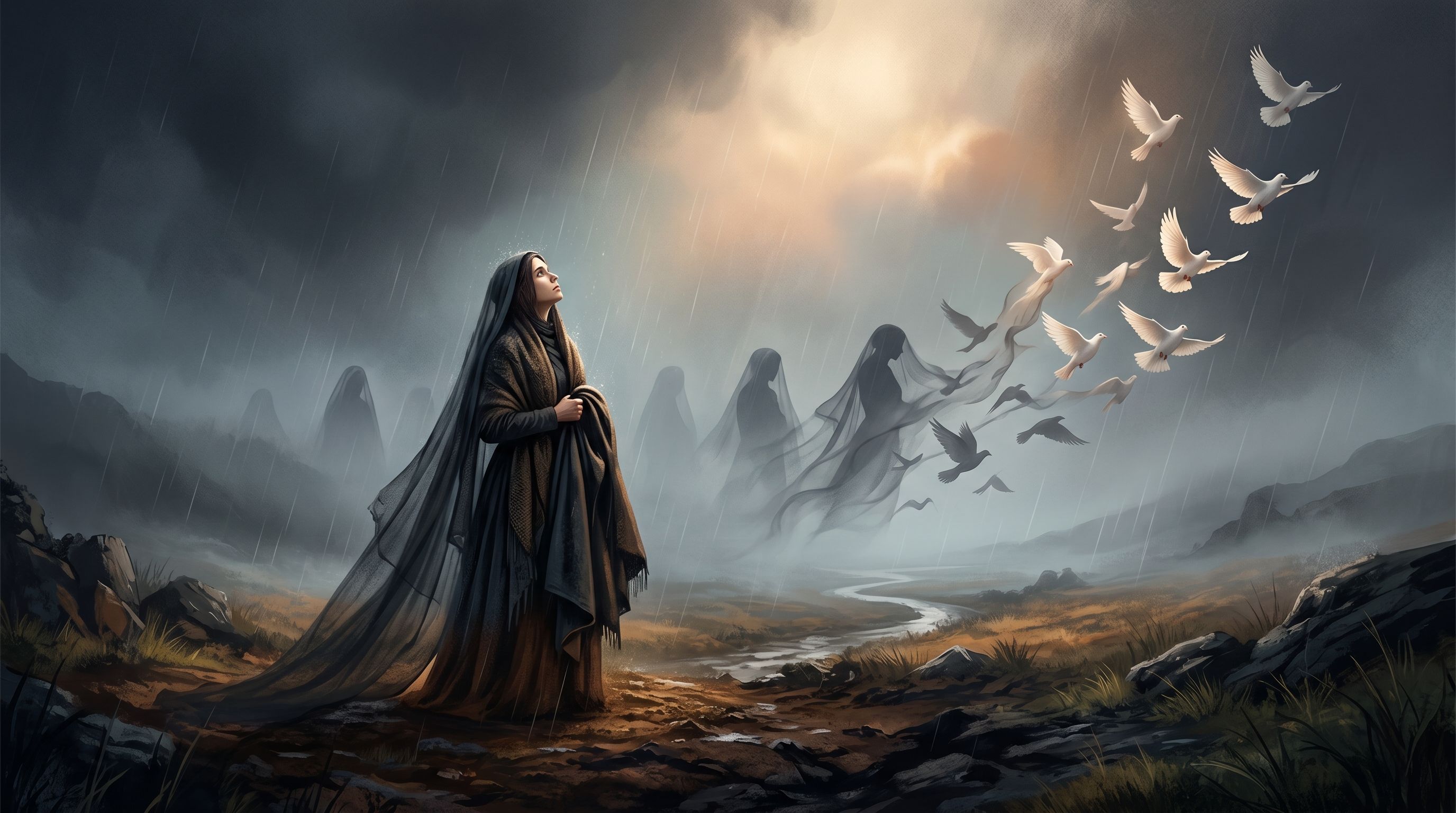
Have you noticed the terrifying, beautiful silence that usually accompanies this vision? When you watch your own body, there are rarely any birds singing, no wind rustling the leaves, and no traffic hums in the distance. It is as if the universe has held its breath just for you. Many dreamers wake up from this experience complaining of a deep, inner cold, rubbing their arms as if they had been left in a drafty room. I often sit at the foot of their beds, wishing I could blow a bit of warm hearth-fire over their shivering souls. This sensory chill isn't a sign of physical illness or a bad omen. It is simply the friction of your spirit stepping out of its heavy, material coat. The cold is just the draft left behind when a door that was closed for years is finally thrown wide open.
Long before modern psychologists tried to dissect our nights, ancient traditions understood that you cannot step into your true power without first witnessing your own demise. In shamanic initiations across the globe, the apprentice must dream of their own bones being scraped clean, watching their physical form dissolve before they can heal others. It is a grueling, sacred boundary to cross. When you experience this strange sensation of splitting yourself into the observer and the observed, you are participating in a very old, very natural ritual. You are both the sacrifice and the priest. I sometimes laugh when people run to search engines to find out if they are cursed; if only they knew that this terrifying division is actually the first step toward becoming whole again. Your soul is simply testing its own wings, proving to you that you are much more than the meat and bone lying on the ground.
I remember a dreamer—a gentle soul who worked himself to the bone—who once shared a dream that left him weeping for days. He saw himself lying on his living room rug, dead, while his family went about their evening, laughing and passing dishes over his quiet form. He felt an immense, crushing grief, believing his dream was telling him he was worthless to them. But dreams are terrible at being literal, and wonderful at being honest. What his soul was trying to show him was his own desperate need to stop carrying the weight of the world. It was a painful, necessary lesson in humility: the world will keep spinning without your constant struggle. Letting go of this savior complex is the only way to clear a path toward a quiet rebirth. Sometimes, you have to watch your old role die to realize you were allowed to just exist all along.
Perhaps you would like to keep a record of this version of yourself that you’ve left behind? In your own little "museum of shadows" on the Midnight Mind app, you can collect these symbols of ending and renewal to better understand the common thread of your evolution.