The Sanctuary of the Private Self
When I taste your dreams, I often sense a very specific texture: that of thick, almost stifling velvet. When you dream of a closed curtain, it is rarely a threat; rather, it is a whisper of your own modesty and your vital need for privacy. I have spent a long time observing these fabrics in the nightly landscapes of dreamers, and I am always fascinated by how they represent the complexity of the human heart.
We all possess an "inner sanctuary," a secret garden to which we alone hold the keys. If, in your dream, you are struggling to pull the curtains shut so that no one can see inside, you might want to ask yourself: what are you protecting? It isn't necessarily a dark secret. Sometimes, it is simply a vulnerability that you don’t yet dare to own in the waking world.
You might feel as though you are wearing gloves to avoid leaving traces of your true self on the objects around you. The curtain acts as a second skin, a soft but firm barrier between your internal world and the noise of the external one. It is a tool for boundary management, allowing you to decide who gets to see your light and who remains in the hallway.
🌙 Yume's Echo: A curtain is not a wall; it is a choice. It reminds you that you have the right to remain hidden until you feel safe enough to be seen.
---
The Stage of Social Expectations
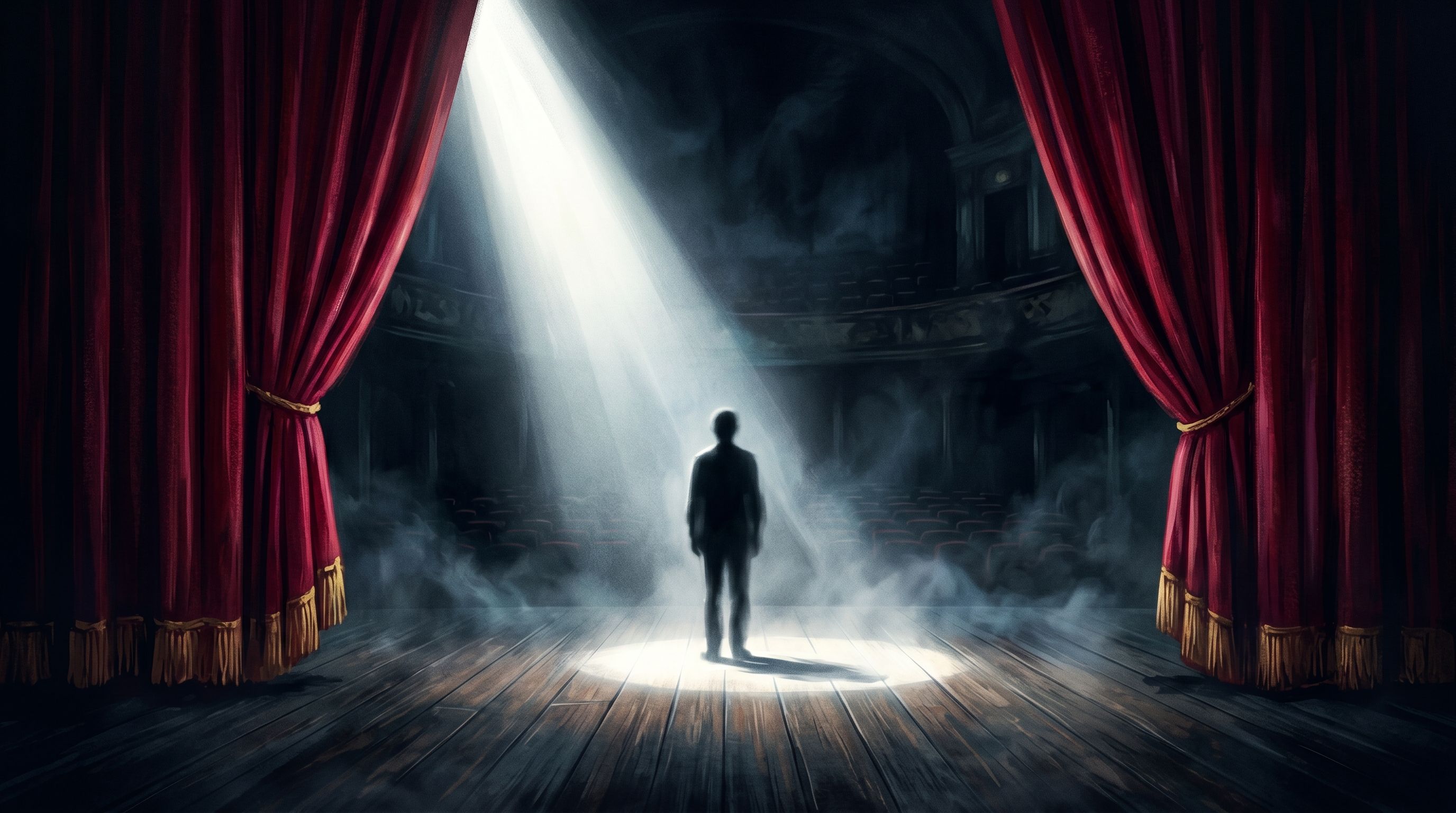
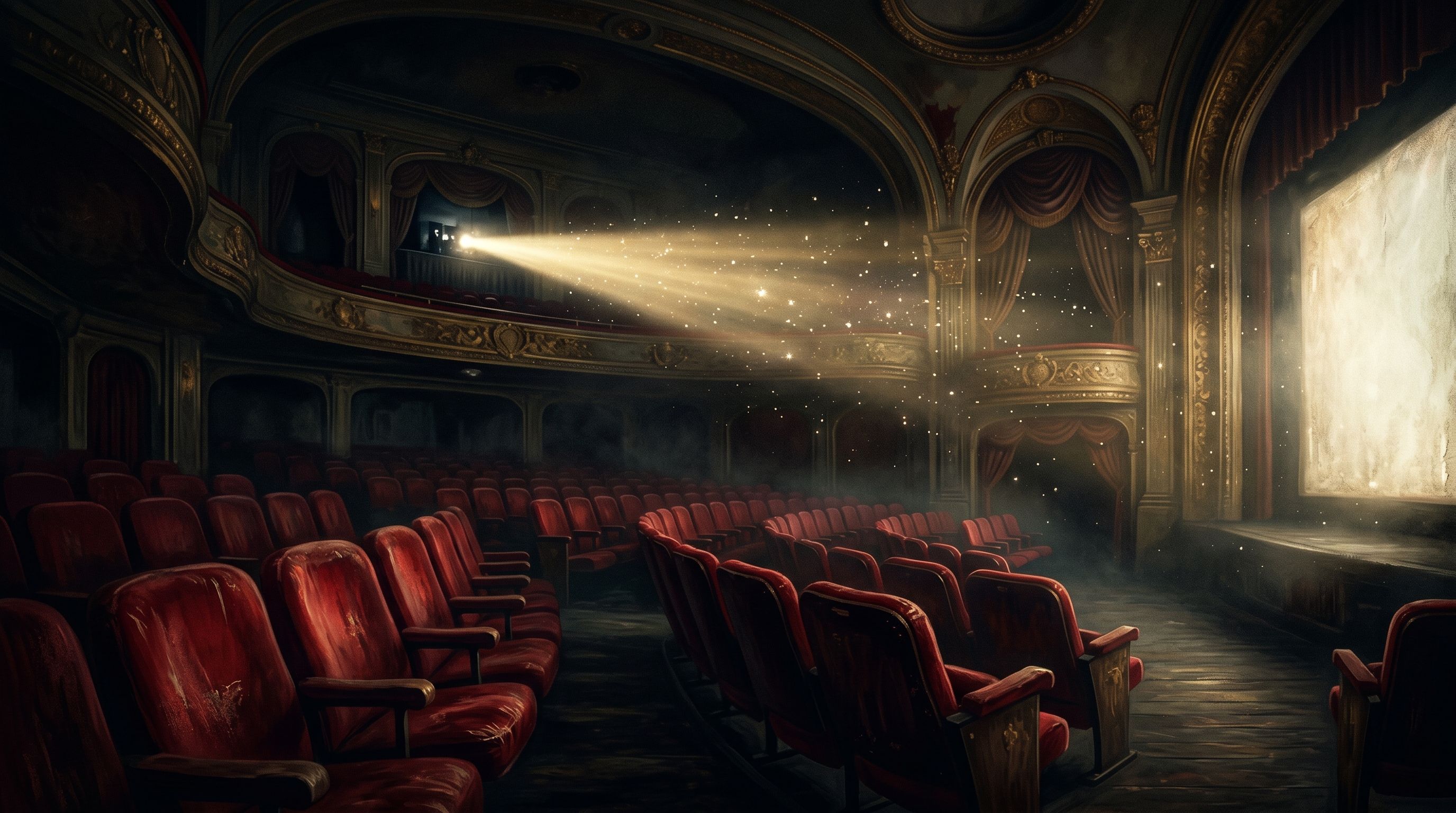
The curtain is also the quintessential symbol of the theater. When the curtain rises, the show begins, and all eyes are on the performer. I’ve noticed that many of you encounter red, heavy stage curtains just before major life transitions—perhaps a new career path, a wedding, or a moment where you must speak your truth publicly.
This is often your subconscious telling you: "Steady now, the spotlights are about to turn on." But what happens if the curtain refuses to open? Or if you find yourself tangled in the fabric, unable to find the slit to step out onto the stage? This is where the dream touches upon your fear of judgment.
We all fear not living up to the expectations of our "audience." Sometimes, we prefer the comfortable concealment of the wings to the raw exposure of center stage. If the theater curtain in your dream feels immense or out of proportion, it might reflect an overestimation of the stakes in your waking life. Your mind is dramatizing a situation that, in reality, only requires your authentic presence.
I am not one to believe that a torn curtain is a "bad omen." On the contrary, a curtain that wears thin or rips is a beautiful opportunity. It is a breach in the facade. It is a chance to see reality as it truly is, without the filter of social conventions or the roles you feel forced to play. It is an invitation to radical sincerity.
---
Decoding the Material: Textures and Colors
In the realm of dreams, the "how" is just as important as the "what." The specific details of the fabric can offer you profound clues about your current emotional state. I always encourage dreamers to remember the touch and the movement of the curtains they encounter.
- The Sheer Curtain: If the fabric is transparent or made of lace, your boundaries are currently fragile. You may be trying to hide something, but you know deep down that it is visible to others. This is a state of "half-truth," where you are leaving clues for someone to find you.
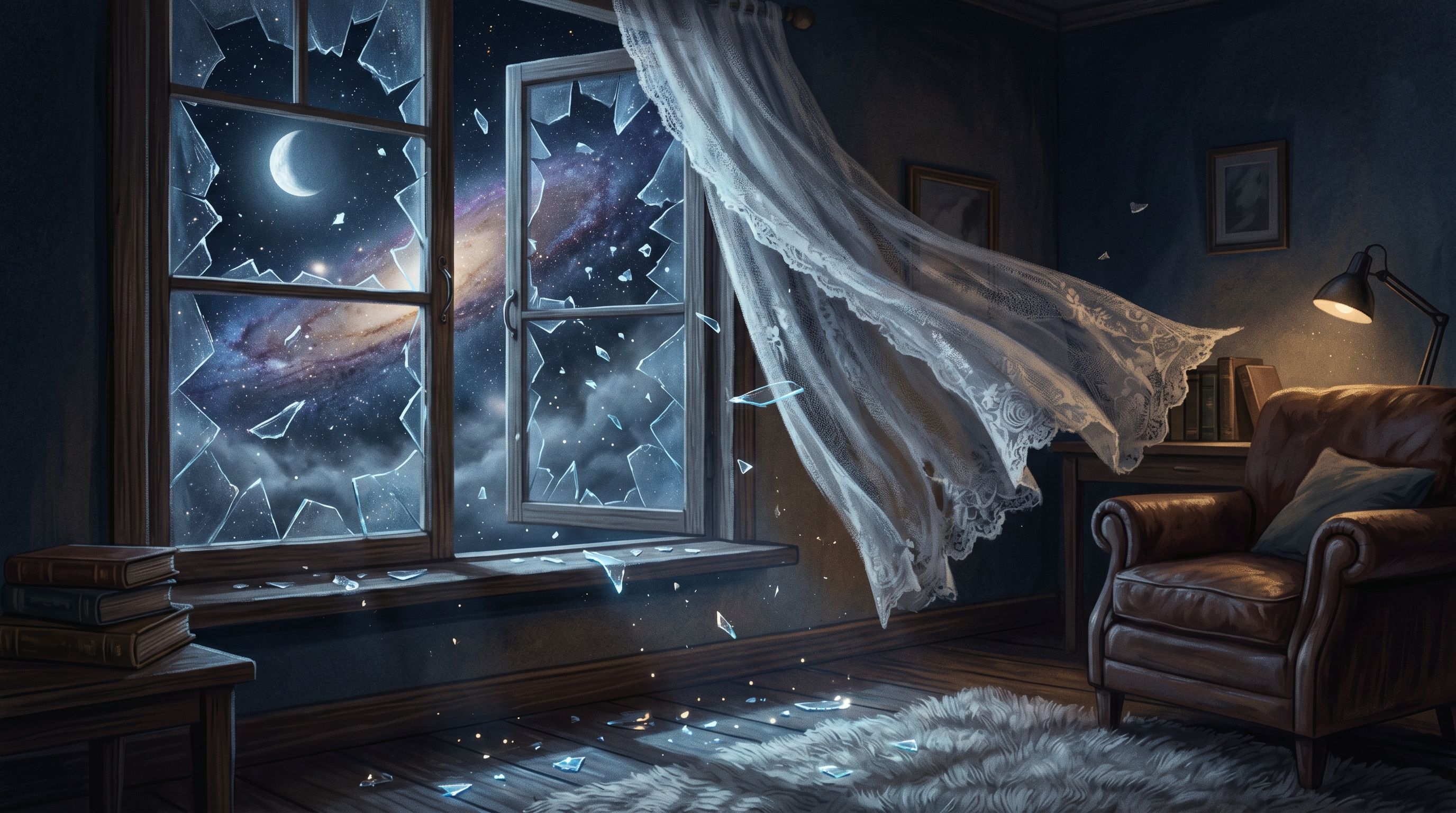
- The Blowing Curtain: A curtain fluttering in a breeze often suggests that external information is trying to enter your private space. It can also mean a repressed emotion is finally seeking a way out. It is a call for fresh air and a renewal of your perspectives.
- Changing the Curtains: This is a powerful act of renewal. When you dream of hanging new fabrics, you are modifying how you perceive the world or how you want the world to perceive you. It is a sign of psychological healing or a "stylistic transition" of the soul.
Some specialists in dream psychology suggest that the color of the curtain also plays a role. A white curtain might symbolize a desire for clarity or a "blank slate" in a relationship, while a black curtain might represent a period of mourning or a deep, protective withdrawal into the self.
---
Concrete Example: The Iron Curtain
I once spoke with a dreamer who repeatedly saw iron shutters where there should have been silk curtains in his childhood home. He felt trapped behind them, unable to see the street outside.
In our reflection, he realized that these "iron curtains" were a metaphor for the emotional fortifications he had built after a difficult breakup. He had moved from a healthy need for privacy to a state of total isolation. The dream wasn't trying to scare him; it was simply showing him the thickness of his own barriers.
By acknowledging the weight of the iron, he was eventually able to imagine them turning back into fabric—something that could be moved, washed, and eventually opened.
---
The Wisdom of the Veil
Do not fear the darkness that sometimes lingers behind the fabric. It is not a void; it is the crucible of your future possibilities. The curtain exists to teach us the value of timing. Not everything in your life must be revealed in an instant. Your subconscious has its own rhythm, its own sacred timing for lifting the veil and showing you the next truth.
If you find that these veils feel too heavy to carry alone, or if you are tired of hiding behind the folds of your own mind, start by simply observing them. Keep a record of their colors, their weight, and how they feel under your fingers in the dream state. Befriending your curtains is the first step toward mastering the art of your own revelation.
If you feel that this mystery still remains a bit blurred, you can always explore every fold of this symbol more deeply. If you want to discover what your subconscious is trying to stage, your Baku is waiting to help you add this vision to your collection and enlighten your path.
Have you ever heard the sharp, metallic screech of curtain rings sliding rustily along a brass rod in your sleep? It is a sound that sets my teeth on edge when I drift through your night-scapes. Too many dream interpreters focus solely on the visual, but the sound of a curtain being drawn is often where the real truth hides. When the fabric is heavy with the dust of decades, smelling of dry rot and forgotten sunlight, you aren't just dealing with a simple boundary. You are dealing with an old, inherited silence. I once watched over a dreamer who spent nights trying to shake the dust out of immense, gold-threaded drapes that belonged to a grandmother she never knew. It was a tedious, suffocating task. Sometimes, the curtain in your dream isn't protecting your secrets; it is keeping the dust of ancestral unspoken words from settling on your present life.
In my travels through the human mind, I often contrast the absolute nature of wood with the yielding, fluid nature of textile. A curtain is a gentle invitation to transition, far softer than knocking on closed doors in the dark. In traditional Japanese spaces, we have screens and hanging fabrics that divide rooms without ever truly sealing them off. They allow the wind, the scent of tea, and the murmur of voices to pass through. If your dream curtain is swaying gently, perhaps your subconscious is urging you to adopt this lighter way of being. You do not need to build stone walls to feel safe. A simple, floating boundary is enough to keep your peace intact while still allowing the world to breathe through you. It is a delicate art, this balance between hiding and being, but your dream is whispering that you are finally ready to practice it.