The Projection: When Your Subconscious Creates Its Own Edit
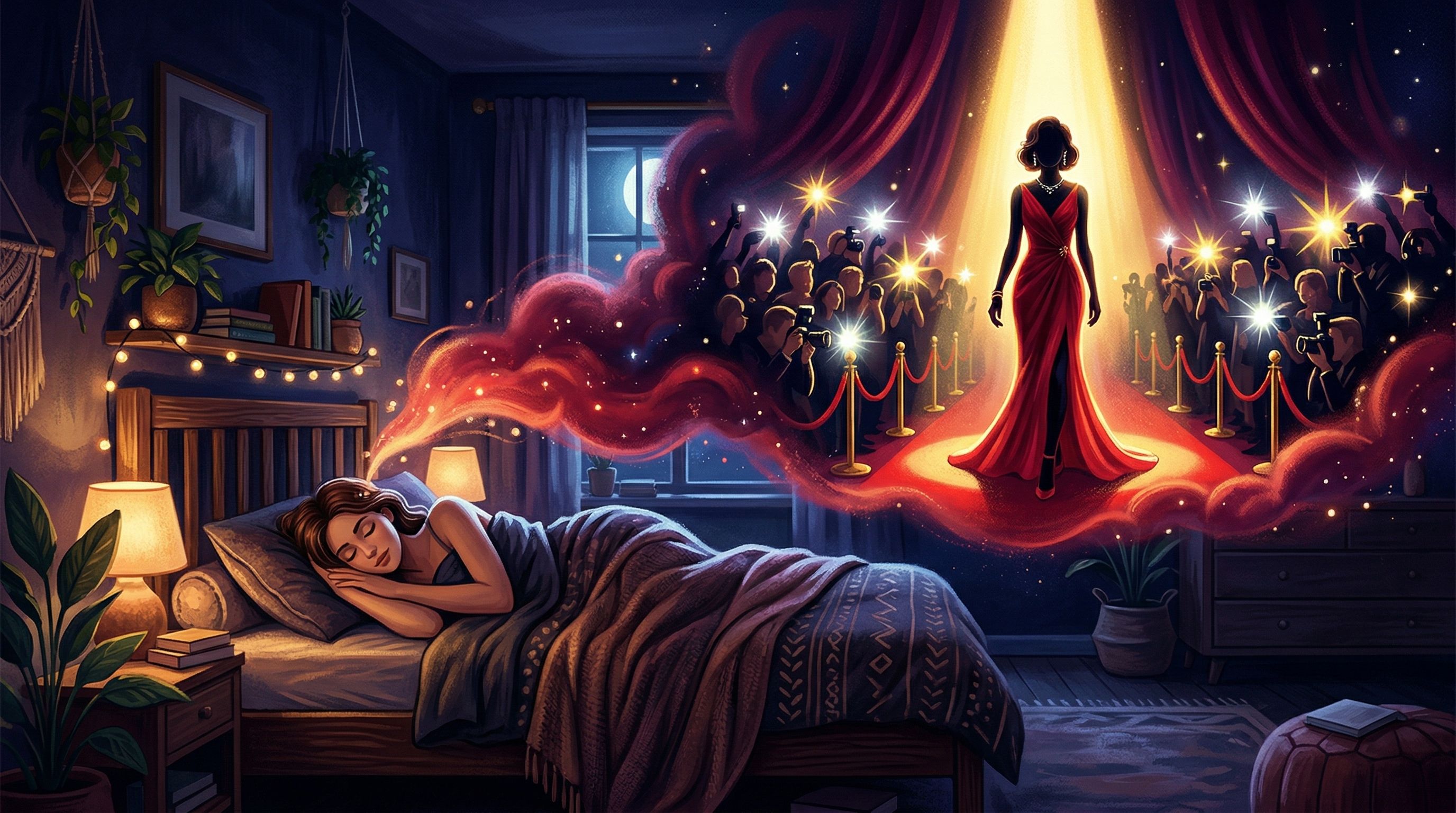
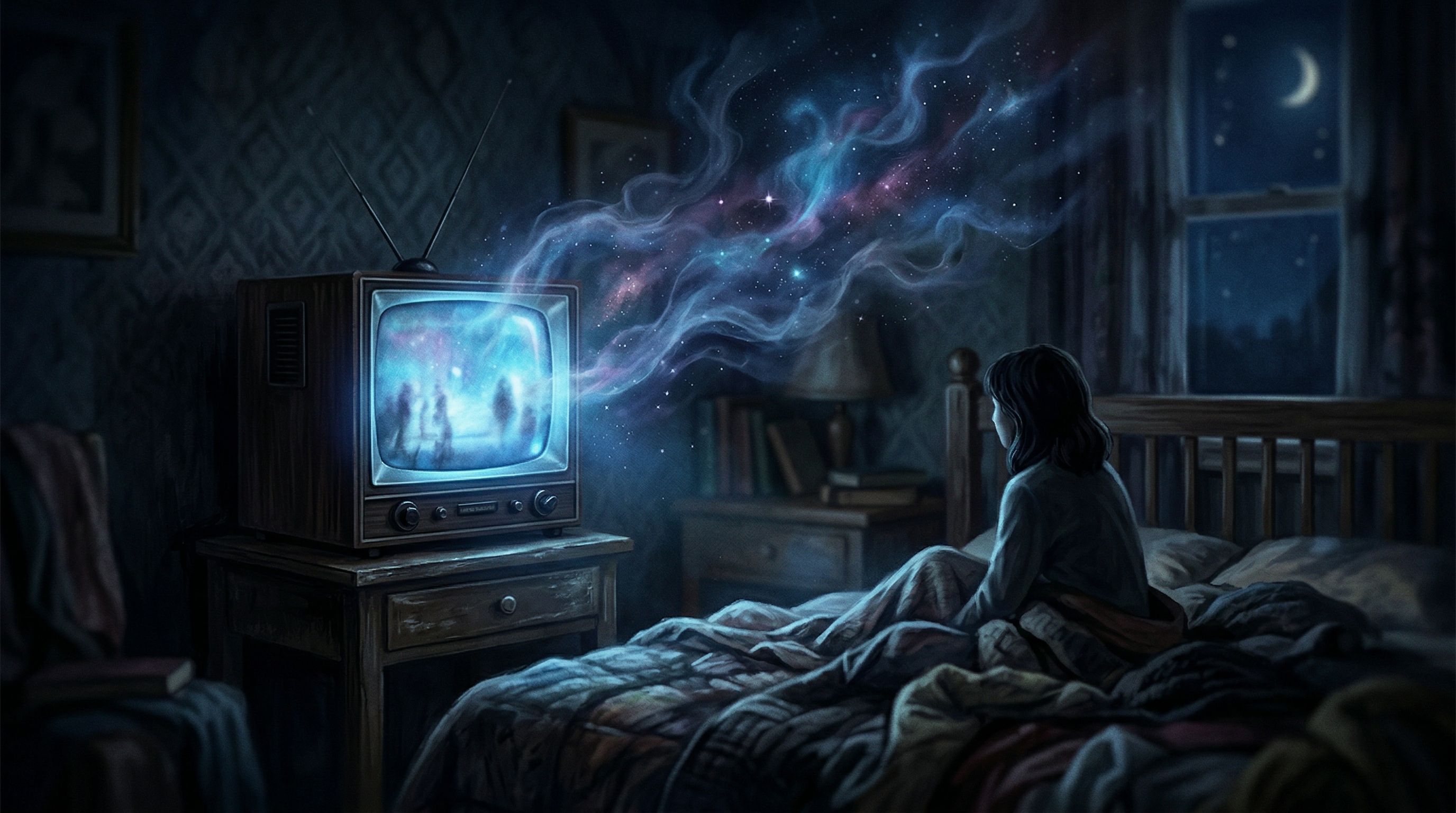
The term "projection" isn't just a technical word for how light hits a screen; in the world of psychology, it is a profound mechanism of the mind. In the sacred space of your sleep, the cinema is the tool your subconscious uses to show you what you might be hesitant to look at head-on. As a Baku, I have often tasted these dreams, and they always carry a scent of old dust and flickering light—the scent of a story waiting to be understood.
Sometimes, your waking reality feels too raw or too chaotic to process. To protect you, your mind places a screen between you and the experience. When you dream of watching a film about your own life, it is as if your inner self is saying: "Look, with a little distance, it isn't so frightening." It is a way to weigh the gravity of your actions or your relationships without the immediate sting of the present moment.
Cinema in dreams is also a form of necessary escape. But you should know that escape is not always a flight from responsibility. Sometimes, it is a vital breath of fresh air. If you see yourself alone in a vast, silent theater, perhaps you need that solitude to digest the images that life imposes on you every day. You are creating a sanctuary where you can finally be the observer rather than the participant.
---
Spectator or Director: Who Is Holding the Camera?
This is where I often find myself reflecting on the nuances of your journey. Many people believe that dreaming of being a spectator means you are "passive" in your own life, but I find that interpretation a bit too simple. Sometimes, sitting and watching is the bravest act there is. It is pure observation, a moment where you accept seeing the outcome of a situation without trying to force a change.
However, I invite you to ask yourself: in your dream, were you comfortable in your seat? Or were you desperately looking for the exit?
If the film is moving too fast, it might reflect your relationship with time. You might feel that your life is racing ahead of you, much like a film reel spinning out of control. Conversely, if you find yourself behind the camera, you are reclaiming your power. You are deciding the frame, choosing what to bring into the light and what to leave in the shadows. This is a sign of psychological growth; you are no longer just a character in a script written by others, but the architect of your own story.
Perhaps in this dream, you see yourself wearing a specific costume, much like a suit, which suggests you are playing a role for the benefit of an invisible audience. Are you acting for yourself, or for the people in the front row?
🌙 The echo of Yume : Sometimes, the most important scenes are the ones we choose not to film, the quiet moments that happen in the dark between the frames.
---
Cinematic Genres: A Mirror to Your Internal Landscape
The type of film you watch in your sleep is a precious compass for your emotional state. Some specialists in dream analysis suggest that the "genre" acts as a filter, allowing you to process specific categories of stress or desire.
- The Horror Film: This does not mean a catastrophe is coming. Instead, you are likely "digesting" a buried fear in a safe, controlled environment. It is a form of therapy through imagery.
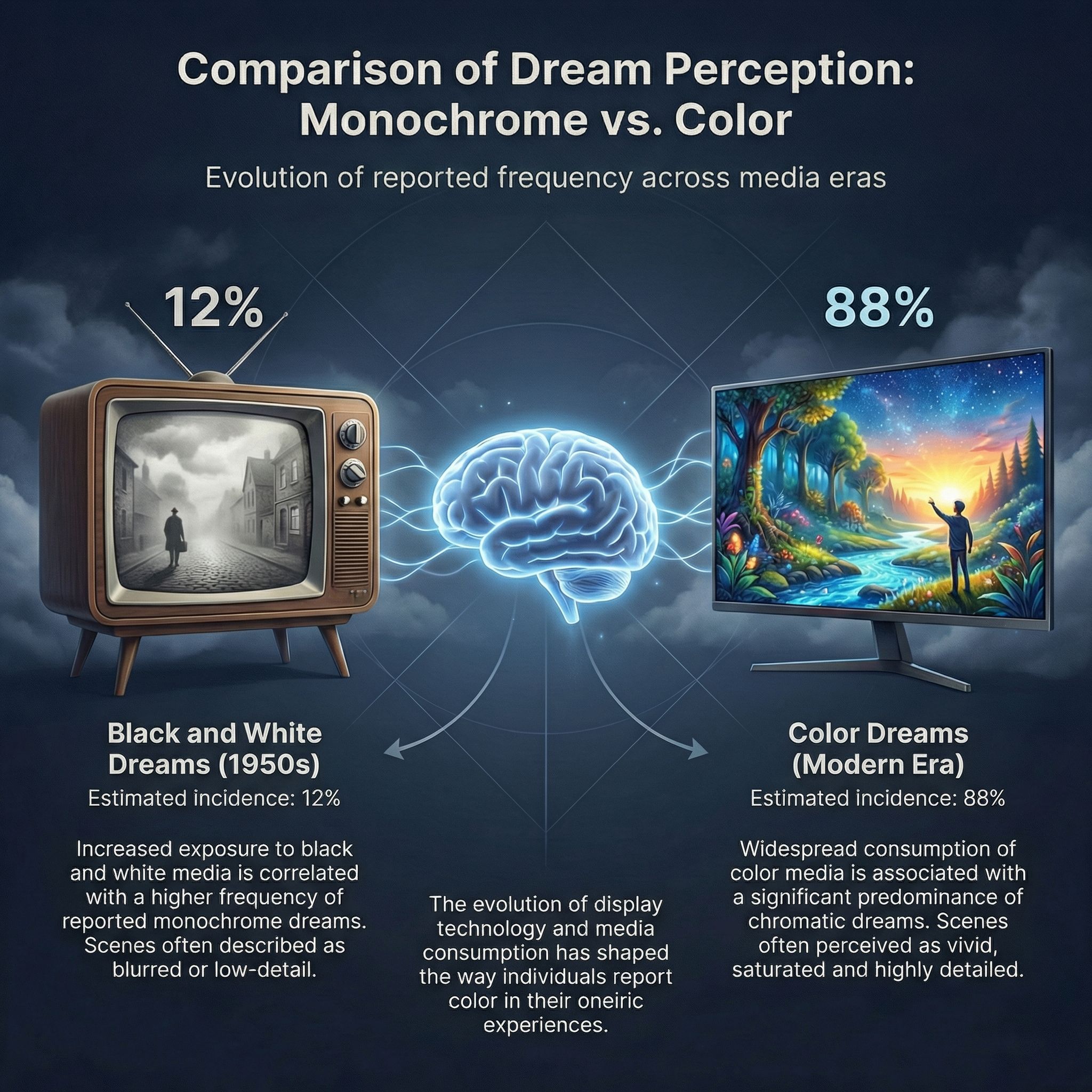
- The Black and White Film: This often speaks of nostalgia or an overly rigid view of a situation. Are you seeing things in "black and white" without allowing for the gray areas of reality?
- The Action Film: This reflects a need for movement. You might feel that things must change, even if you do not yet know how to take the first step.
- The Romantic Film: This points toward a desire for connection or, perhaps, a confrontation with your own emotional voids.
I have a particular affection for dreams of old, slightly dilapidated cinemas. They speak of our old patterns—those stories we have been telling ourselves since childhood that are in desperate need of a new edit. Sometimes the film features a large cast, reminiscent of a family reunion, highlighting the complex scripts of your heritage and the roles your loved ones play in your internal theater.
---
Concrete Example: The Infinite Loop
Imagine a dreamer who repeatedly visits a cinema where the same scene plays over and over—a door that won't open. In the dream, they feel a sense of mounting frustration. This is a classic "use case" of the subconscious using the cinema to highlight a psychological block.
By seeing the door on a screen rather than trying to open it physically, the dreamer can eventually realize that the "door" is just an image, a projection. Once they stop trying to "act" and instead start to "analyze" the film, the loop breaks. The cinema then transforms into a bright, open space. This shift represents the moment the dreamer moves from being a victim of their patterns to being the one who can finally change the reel.
---
Embracing the Final Credits
Do not fear the images that dance upon the screen of your nights. They are but reflections, shadow plays intended to light your way through the darker corners of your mind. If tonight’s film left you with a sense of being unfinished or a vibrant emotion, there is undoubtedly a nugget of wisdom there for you to gather.
Your mind never seeks to frighten you for no reason; it offers you a private screening so that, upon waking, you can adjust your own staging and live a life that feels more authentic to who you are.
If you want to explore your dreams more deeply and keep a record of your own internal cinema, your Baku is waiting for you.
What happens when the machinery of your dream-cinema fails? Sometimes, the film tears, the screen goes entirely blank, or the sound desynchronizes, leaving you watching a silent, frantic mouth moving without a voice. I must admit, these technical interruptions are far more fascinating to me than a perfectly polished feature film. When the projection breaks, your subconscious is refusing to keep playing the script you have written for yourself. It is a sudden, jarring halt to the illusion. This glitch is actually a gift—it forces you out of your passive trance and pulls you back into the reality of the room. It is like the raw, unmediated contact of dreaming of telepathy, where the barrier between the screen and your mind suddenly dissolves. You are forced to stop looking at the representation of your life and actually feel the weight of the dark theater around you.
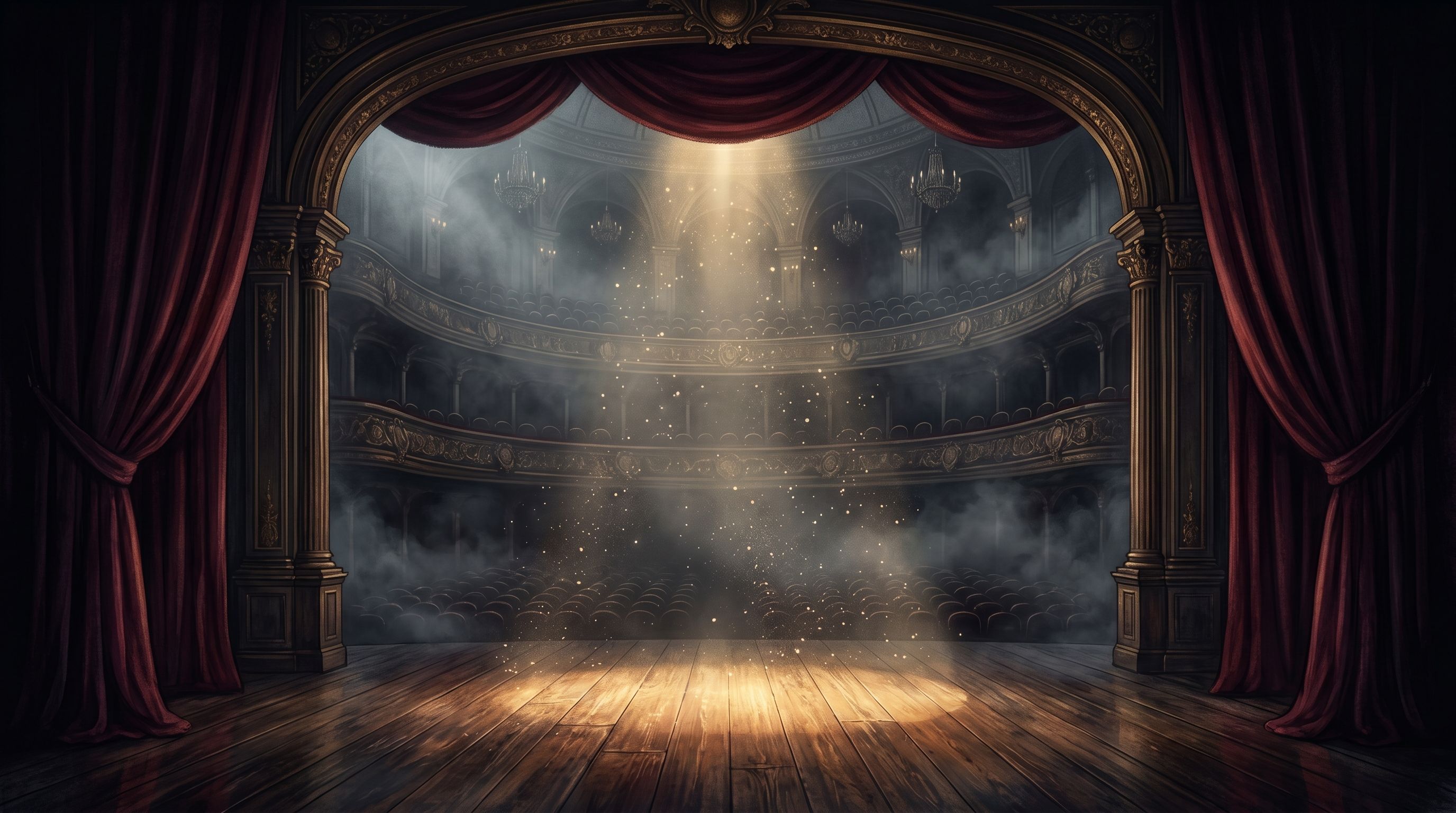
I often wonder why dreamers ignore the physical theater itself. They tell me about the movie, but they forget the smell of stale, warm butter, the velvet seats that are slightly damp, or the dust motes dancing in the projector’s beam. To me, the theater is a sanctuary, not unlike finding shelter in a quiet, forgotten temple. If you find yourself sitting alone in a massive auditorium, surrounded by hundreds of empty, plush seats, you are experiencing a very specific kind of quietude. It is different from the chaotic noise of dreaming of a crowd where you are swallowed by others; here, the emptiness is your protective shell. The cinema becomes a temple of isolation where you are allowed to sit with your ghosts in the dark, without anyone asking you to explain why you are crying at a scene that isn't even sad.
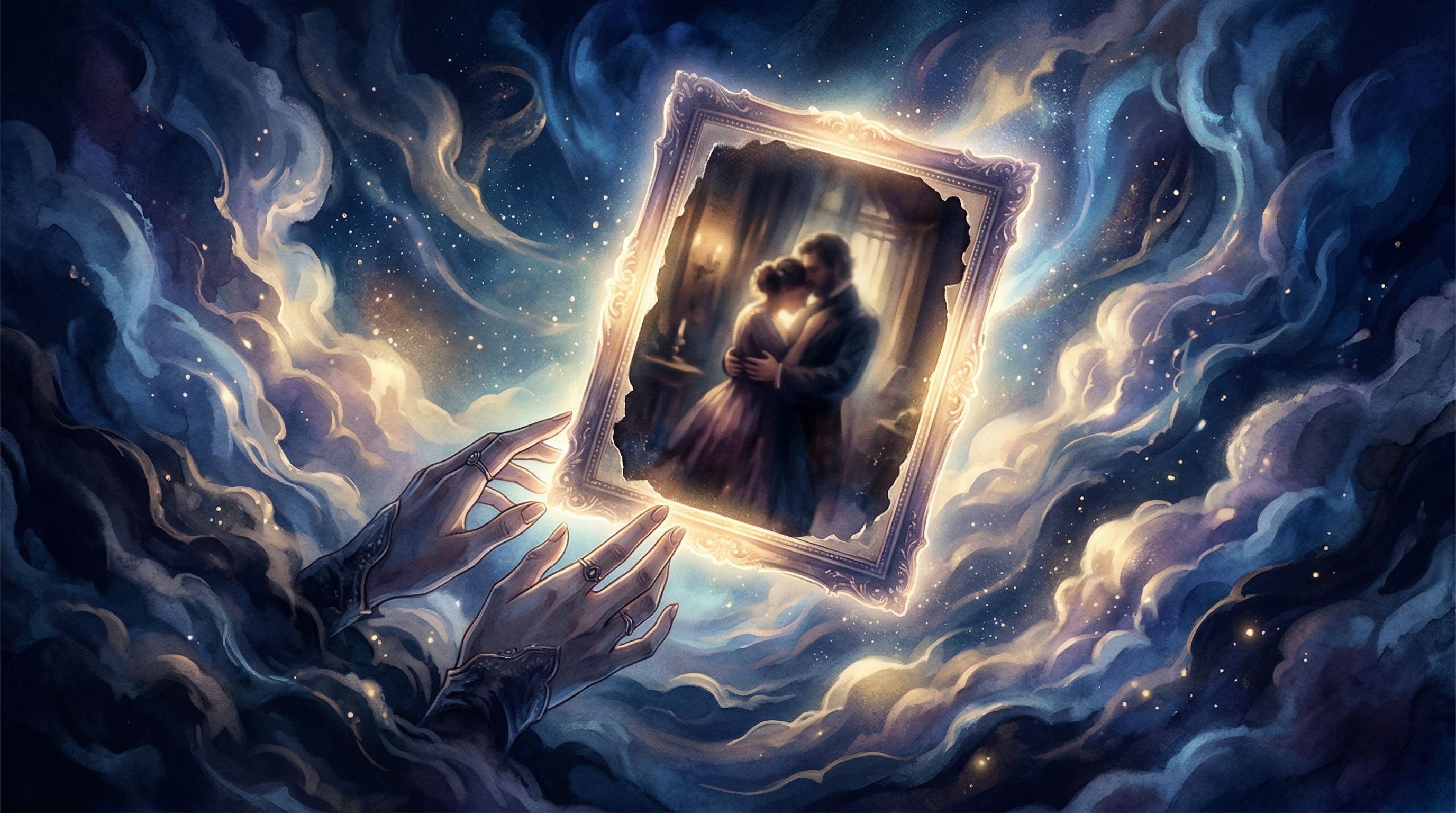
I once met a dreamer who kept returning to a cinema that played nothing but old, silent home movies of people she had never met. She was convinced it was a nightmare because she felt so intensely homesick while watching it. But honestly? I think her soul was simply visiting a deeper well of memory. Sometimes, the cinema in your sleep isn't showing your personal ego-drama; it is a portal to ancestral memory, a way to witness the lives of those who came before you without carrying the weight of their grief. In these moments, the screen acts as a gentle filter. It allows you to look at inheritance—both the beautiful and the tragic—from a safe distance. The next time you see faces you don't recognize smiling at you from the silver screen, do not run. They are not strangers; they are the previous directors of the very script you are trying to rewrite today.