The Menagerie of the Soul: Between Control and Wildness
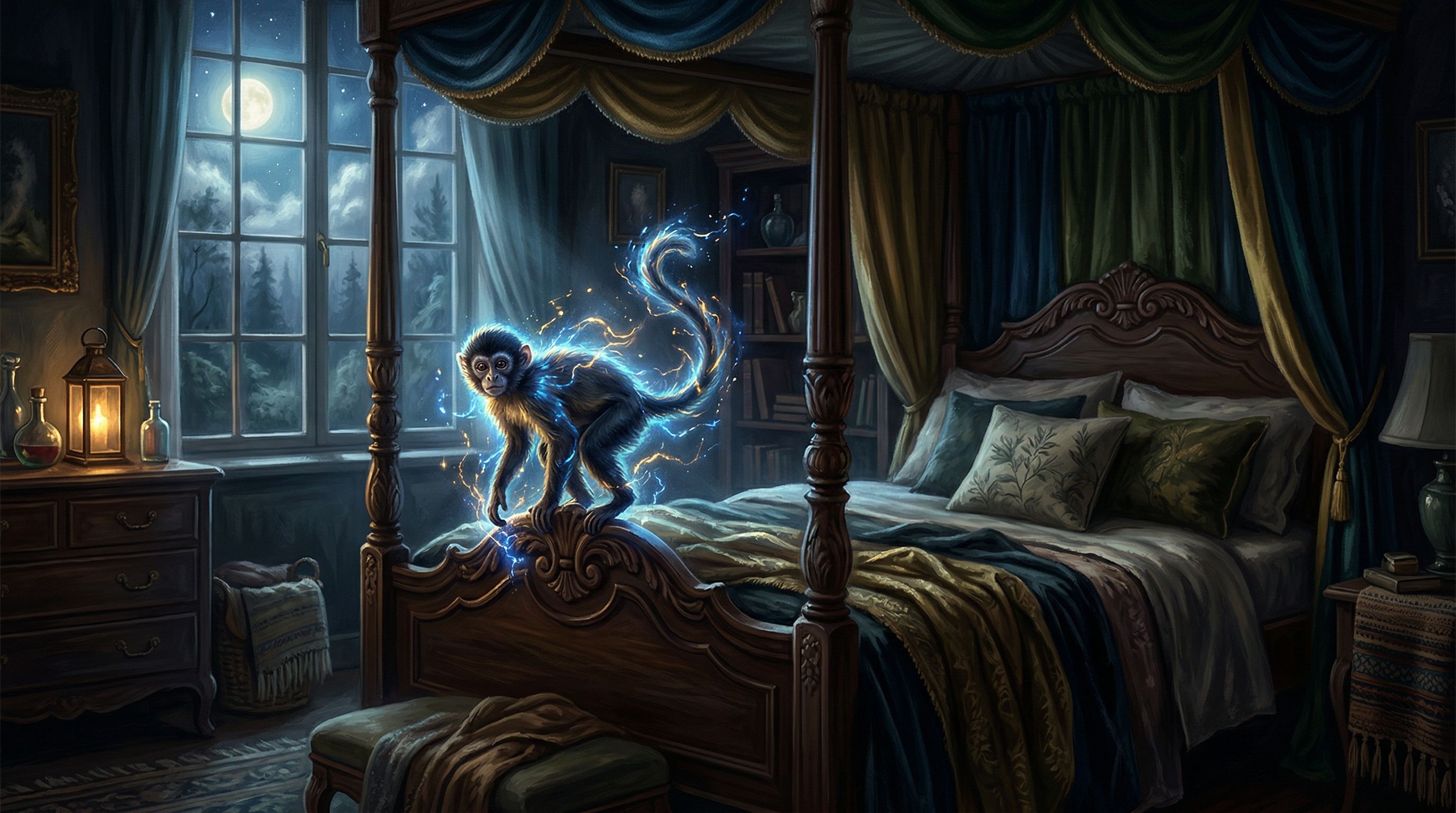
What fascinates me about the symbol of the zoo is the human mind's desperate attempt to compartmentalize the invisible. In your dreams, each enclosure isn't simply a cage for a lion or a monkey; it is a storage space for a part of yourself.
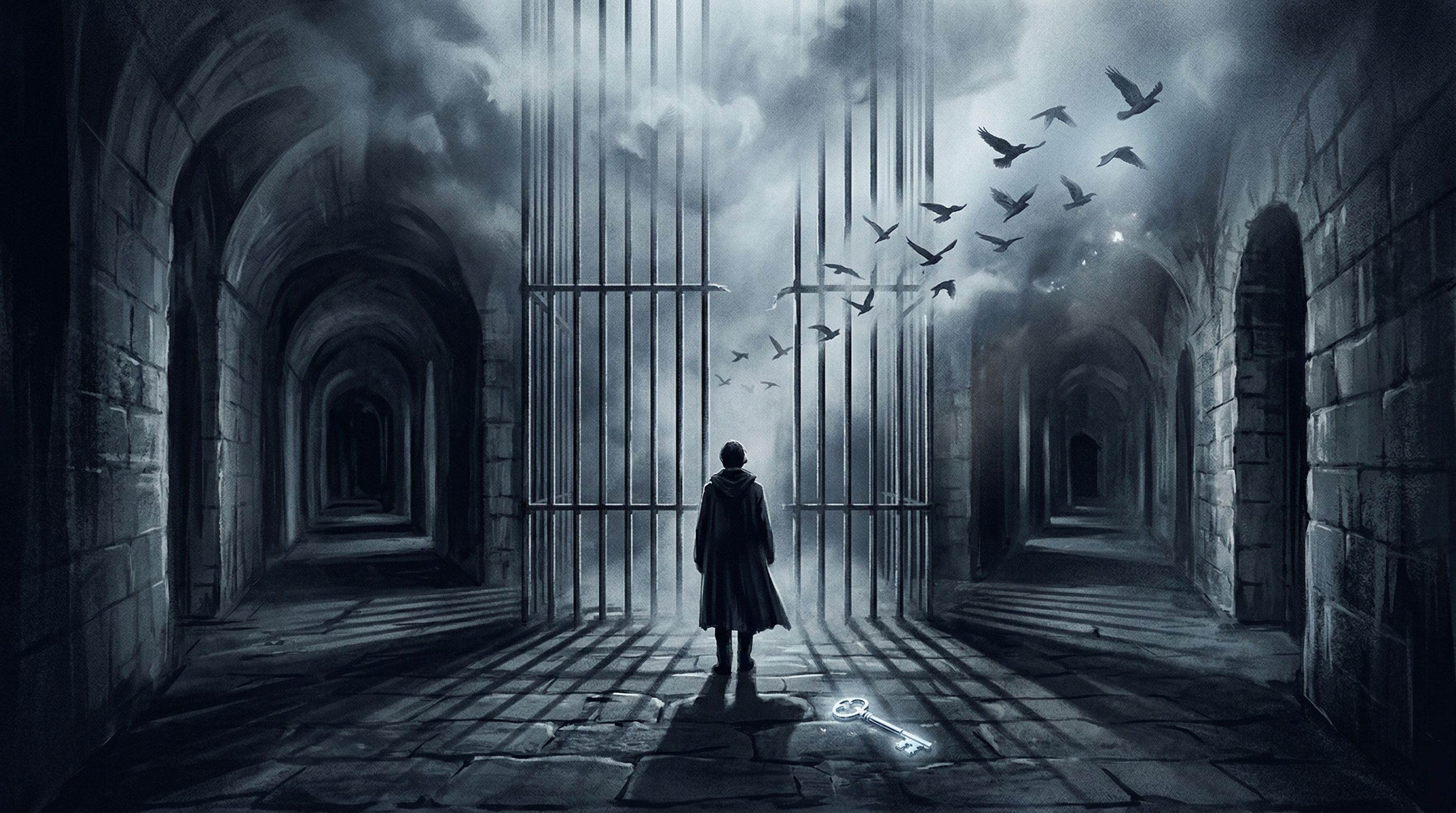
When I absorb this kind of nightmare, I often feel the bitterness of captivity. You know that feeling—the sense that you must "keep up appearances" in society, much like wearing a suit that feels a bit too tight, while inside, something much more raw is crying out to be expressed.
The zoo is the triumph of structure over chaos. It is a bit like the steady movement of a pendulum trying to rhythm the time so it doesn't slip away from us. We place our desires, our rages, our sexual or creative needs inside, and we watch them through a pane of glass.
Do you currently feel forced to "tame" your reactions? Perhaps you fear that if you opened the cage door, your instincts would devastate everything in their path.
Yet, a caged animal eventually withers away or becomes unpredictable. Your dream is whispering that it might be time to give your fundamental needs a little more green space.
🌙 Yume's Echo: To name a wild thing is to begin to tame it; to cage it is to begin to lose it.
---
The Bars of the Mirror: Who is Watching Whom?
In a zoo, the boundary is clear. There are those on the outside and those on the inside. But in the world of dreams, this limit is porous.
Are you the one walking the paths with a map in hand, or are you the panther pacing in circles? Often, we switch perspectives without even realizing it.
If you see yourself observing the animals with detachment, it may be because you are going through a period where you need to rationalize your emotions. You analyze your behaviors as if reading an exhibit plaque.
"Ah, there is my jealousy. Ah, here is my shyness." It is a form of protection, much like seeking the perfect balance on a scale so as not to be overwhelmed by the weight of your feelings. It is useful, certainly, but it sometimes lacks warmth.
On the other hand, if you feel sadness for these animals, it is your own sense of helplessness being expressed. Captivity doesn't always come from others; we are often our own jailers.
We lock ourselves into careers, relationships, or habits out of fear of the unknown. The zoo then becomes a metaphor for that "comfort zone" which eventually begins to feel like a golden cage.
Some specialists in dream psychology suggest that every creature there holds a piece of your strength. If you see vultures in a cage, it might not be a dark omen, but rather your own resourcefulness being restricted.
By observing them, you learn to know the different facets of your identity, even those you judge as "wild" or ill-adapted.
---
Concrete Example: The Empty Enclosure
I once met a dreamer who saw an empty zoo. It was heartbreaking. This happens when we have stifled our own nature so deeply that we no longer know who we truly are.
If your zoo is noisy and restless, that is actually good news: the life within you is still vibrant; it just craves another form of freedom, one less framed by the gaze of others.
If the animals are escaping, it might feel like a nightmare, but it often signifies a breakthrough where your true self is finally refusing to be contained by old rules.
---
Time Suspended Behind the Glass
There is a very particular temporal dimension to the zoo dream. Everything there feels frozen, as if the outside world no longer exists.
One sometimes gets the impression that time has no hold over the inhabitants of the park, much like the ticking of a watch that can no longer be heard. This is what some researchers describe as emotional stagnation.
If your zoo dream recurs often, ask yourself what part of your life has been stuck in a cage for too long. Your dreams are not there to frighten you, but to show you the state of your inner garden.
If the zoo is dilapidated, it means your old mental structures are crumbling, and it is a wonderful opportunity to let nature reclaim its rights.
I suggest that the next time you wake from such a dream, don't immediately look for a logical explanation. Close your eyes for a moment and ask yourself: "If I had to release just one animal from this zoo, which would it be?"
The answer will give you the key to what you need to express most urgently in your waking life. Your instincts are not your enemies; they are the compass of your soul.
If you want to explore your dreams more deeply, your Baku is waiting for you. Take care of your dreams; they are the only place where you can truly learn to roar without fear.
Most dream dictionaries—and how I grow tired of their sterile, alphabetical lists—focus entirely on the visual aspect of the cages. But dreams are messy, sensory things. Have you smelled the zoo in your sleep? That thick, warm scent of dung, straw, and musk that clings to the back of your throat? Your sleeping mind uses these heavy, primal odors to bypass your waking defenses. You can pretend to be perfectly refined during the day, but the scent of the wild cannot be rationalized away. It is a physical reminder of your biology. When the sounds of the zoo—the low, vibrating growl of a predator or the frantic screeching of birds—penetrate the silence of your dream, it is your body demanding to be heard. Your skin remembers what your conscious mind tries to forget: you are an animal, too, and your physiological needs cannot be managed by mere intellect.
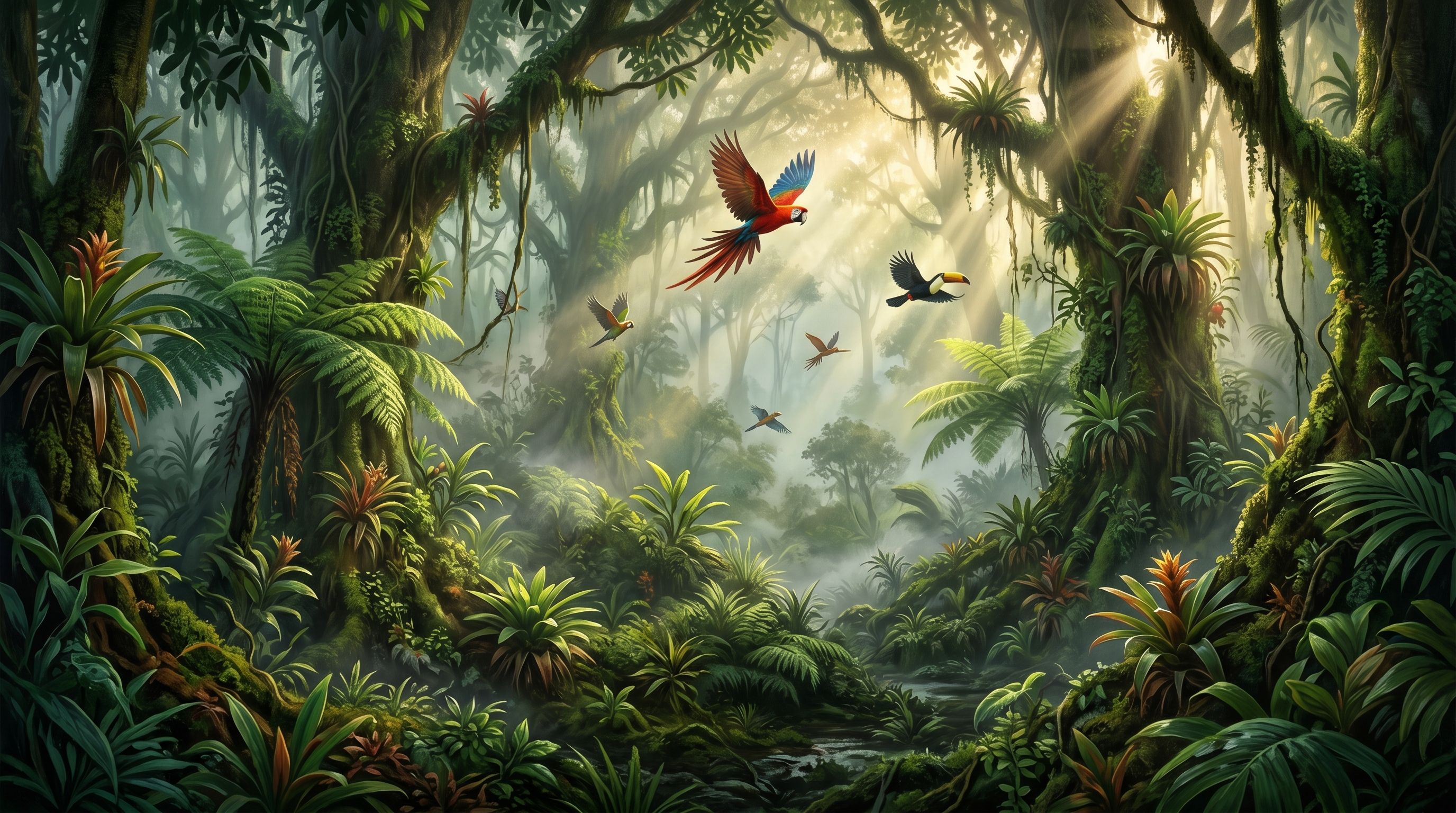
I once sat with a dreamer who told me of her recurring visits to a caged white wolf in a dream-zoo, always trying to feed it sugar cubes through the mesh. It broke my heart. In many older, animistic traditions, an animal in a dream isn't a psychological 'complex' to be analyzed; it is an ancestor, a guide, a direct link to the earth's wisdom. To cage it is to commit a quiet sacrilege against your own spirit. By keeping your instincts behind glass and feeding them the sanitized 'sweets' of polite approval, you starve your raw intuition. This is why some dreamers eventually escape these concrete pathways entirely, finding themselves drawn toward the untamed chaos of a deep jungle. That transition from the zoo to the wild forest is a beautiful, terrifying reclamation of your personal medicine.
There is a quiet tragedy in dreaming of a zoo when your waking life seems perfectly stable, even enviable. I often see this in people who have spent years building the 'perfect' life—the stable career, the pristine home, the impeccable reputation. You become the curator of your own museum, keeping the wilder, more spontaneous parts of your soul locked away so they won't ruin the exhibit. But a life built entirely on containment eventually starts to feel like a sentence. You look at your daily routine and realize your soul feels like a quiet prisoner of your own successes, even if the bars are made of gold and positive feedback. The zoo is a warning that safety has become a cage. It gently asks you: what would happen if you let yourself be a little less perfect, and a little more alive?