Golden Patience: When Time Becomes Substance
I must confess something to you: I find dream dictionaries a bit tiresome when they simply state that a wheat field predicts "a financial windfall." It feels so reductive, almost vulgar. In the tapestry of the subconscious, wheat is far more noble than mere coins. It is time transformed into gold.
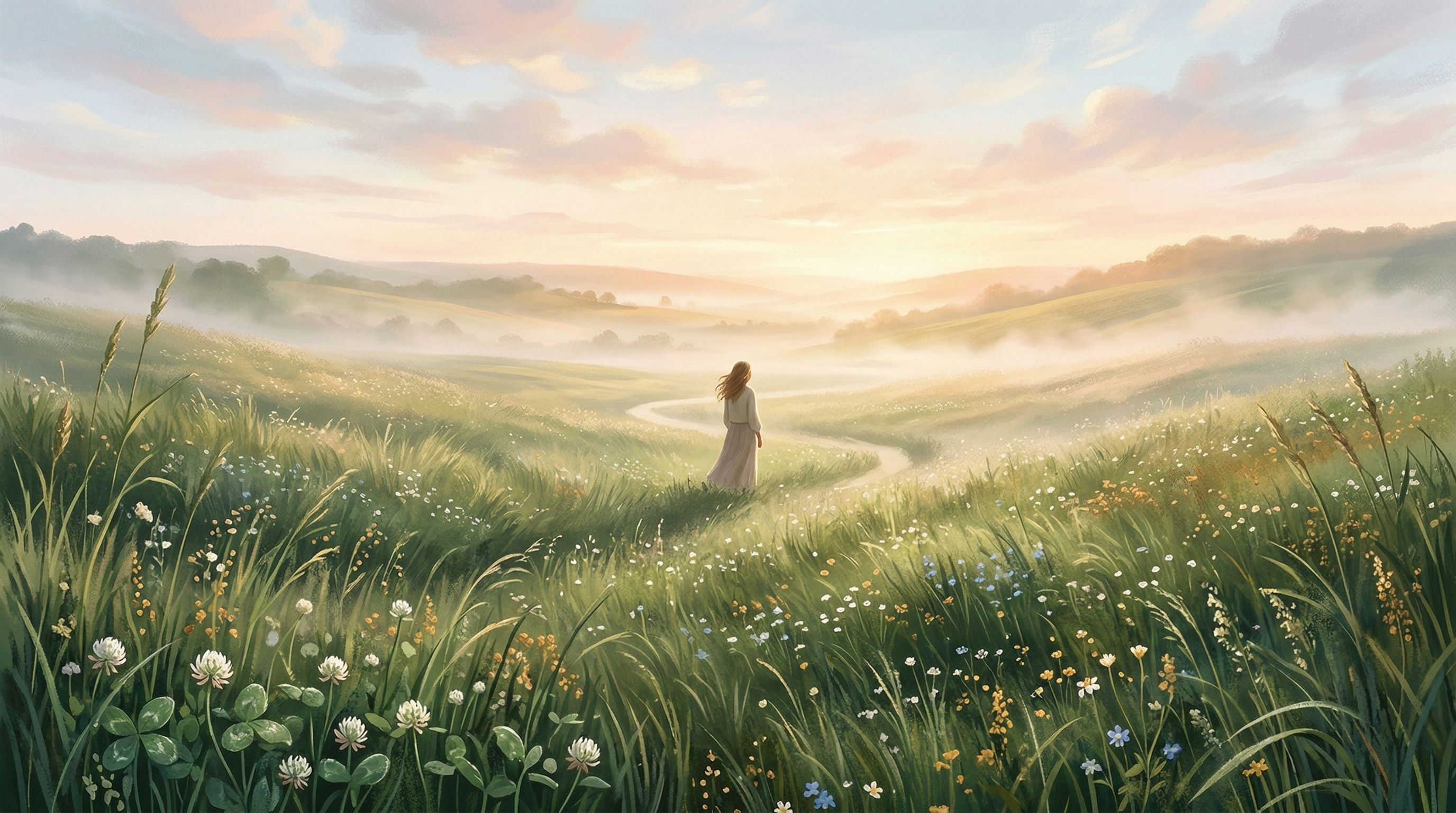
When you walk through a wheat field in a dream, you are walking upon your own months of labor, doubt, and perseverance. Unlike winning the lottery, which falls from the sky without warning, wheat represents a harvest that has been earned. If the wheat is tall and vigorous, your spirit is whispering that you have "cultivated" your project or your relationship well.
I once met a dreamer who was worried because his wheat field stretched out to infinity, without a single fence in sight. He felt lost in the face of such immensity. I suggested to him that his own abundance frightened him: he had so much potential that he no longer knew which stalk to begin harvesting. Sometimes, a dream shows us richness to teach us not to be afraid of it. It is an invitation to gratitude, but also to organization. For a harvest that isn't gathered eventually rots where it stands.
From Green to Gold: The Journey of Your Growth
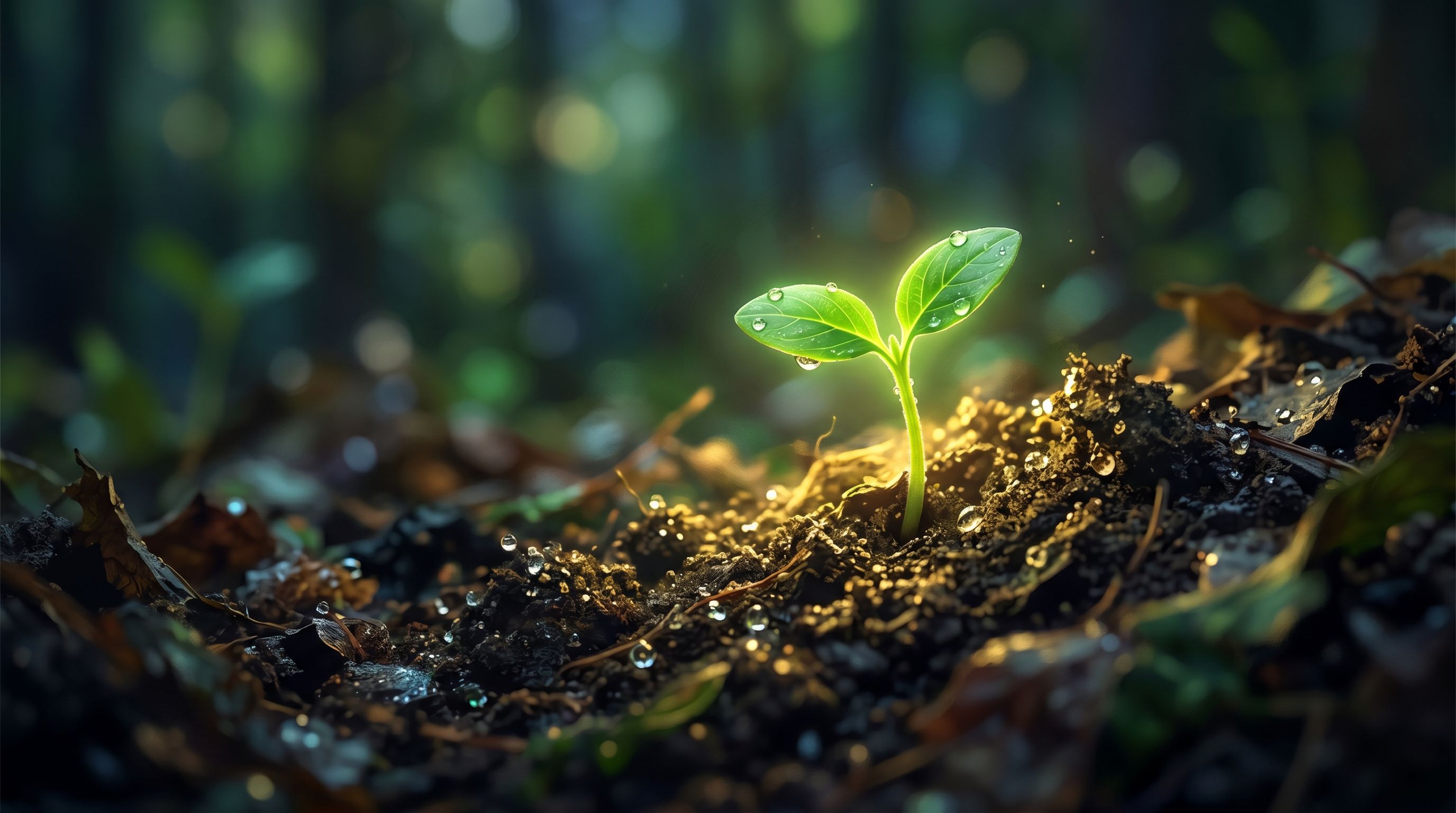
In the wandering paths of your nights, the color of the field is of vital importance. I often see dreamers surprised to find themselves crossing plains of vibrant green rather than gold. To me, this is a sign of a hope that is still tender. It is the germinating project, the promise of tomorrow. It is a phase of pure growth where nothing is yet set in stone.
But ripe wheat—the kind that is heavy and bows its head—tells a different story. It is the moment of transition. We move from being to doing. If, in your dream, the wheat appears dull, leaning toward a khaki color or a dried-out brown, ask yourself: have you waited too long? Your subconscious might be frustrated watching you stagnate when everything is ready for change.
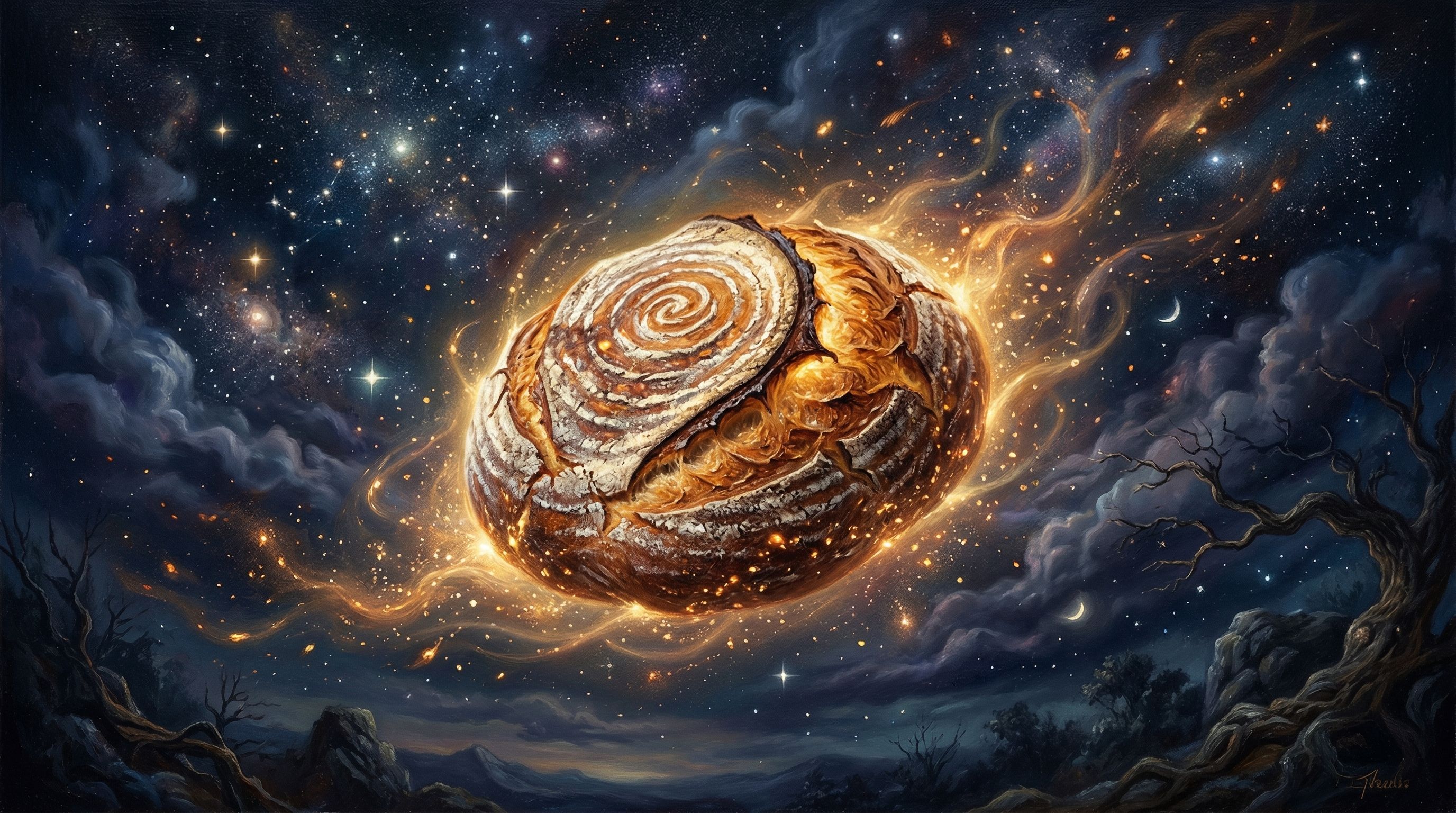
There is an immense poetry in this symbol. Wheat is a plant that dies to give life (the grain). To dream of this field is to accept that certain cycles are coming to an end so that you may finally taste the fruit of your labor. It is not a threat, even if a scythe sometimes appears in a corner of the image. The scythe is not death; it is the tool of transformation. It turns the wild plant into nourishing bread.
Honestly, I remain fascinated by the way your minds use nature to illustrate concepts as complex as psychological maturity. The field is a mirror of your inner "soil." If the earth is parched beneath the wheat, perhaps you have sacrificed your well-being for the sake of productivity. If it is rich and fertile, then you are in perfect balance.
Cultivate your inner garden with gentleness. Do not tug on the stalks to make them grow faster; the sun of your consciousness will take care of that soon enough.
Have you ever closed your eyes inside your dream just to listen? The sound of dry stalks brushing against one another in a gentle breeze is unlike any other. It is a dry, whispering hiss—a soft friction that feels almost like a collective sigh of a thousand quiet voices. In my long nights of wandering, I have noticed that those who hear this sound clearly are often craving a deep, sensory silence in their waking lives. The physical heat radiating from the yellow earth, the smell of warm dust and dry straw... these sensory details are not mere background decoration. They are a call to ground your body. When your dream wraps you in this warm, golden light, it mimics the psychological sanctuary of being surrounded by the color gold, a space where your nervous system can finally drop its guard. It is the texture of safety, whispering that you are allowed to rest among the heavy ears of grain.
But what if your beautiful field is not peaceful? I sometimes visit dreamers who wake up in a sweat because their golden crop is being silently consumed by pests, or perhaps they see a beetle quietly claiming a single stalk, multiplying until the gold turns to dust. It is a distressing vision, but don't let it panic you. This intrusion of small, scurrying worries into your harvest represents the classic "impostor syndrome." You have built something beautiful—perhaps a career, a family, or a hard-won peace of mind—yet a part of your subconscious remains convinced that some tiny, external threat will devour it all overnight. This dream does not predict ruin; it merely exposes your vulnerability. When we possess something of great value, we naturally inherit the fear of losing it. The pests in your wheat are nothing more than your own doubts, asking for a gentle clearing.
I once met a dreamer, an artist who had just finished her life's masterpiece, who dreamt of standing in a harvested field of sharp, dry stubble. She felt an overwhelming grief. It made me think about how much we focus on the "gold" while forgetting the quiet melancholy that follows completion. When the wheat is cut, the landscape becomes bare, exposed to the cold wind. If you dream of an empty field after the harvest, your soul might be grieving a finished chapter. It is the bittersweet space of the "what now?"—the silence that follows a great achievement or the departure of someone you nurtured for years. Do not rush to replant. The soil needs its winter, its rest. Let the empty earth breathe, just as you must allow yourself a season of emptiness before the next seed is sown.
If the color of these ears of grain or the wind that stirs them continues to haunt your nights, why not record them in your digital grimoire? In the Midnight Mind app, you can create your own collection of symbols and see how, from dream to dream, your personal field evolves and transforms. It is a beautiful way to ensure these golden messages don't simply blow away.