Ink of the soul: when the invisible becomes visible
In the garden of your dreams, nothing is ever truly fixed. You can fly, fall, or even change shape as the currents of your mind dictate. So, when a tattoo appears, it is a major event. It is the moment your unconscious decides that something must stop fluctuating. A tattoo is the cry of a truth that refuses to be ignored any longer.
I remember a dreamer who, night after night, saw an anchor forming on his wrist. In his waking life, he felt adrift, unable to make a decision. His dream wasn't punishing him; it was offering him the stability he didn't dare grant himself. A tattoo is a mark of power. Dreaming of getting a tattoo often means accepting a certain amount of symbolic "pain" to become who you truly are. It is a rite of passage.
Sometimes, you wake up feeling like you’ve been "marked" against your will. This always makes me feel a little melancholy for you, as it often reflects a situation where you feel a label has been forced upon you. Is it an outside influence? A decision you regret? Unlike the skin of your physical body, the skin in your dreams can heal and transform. But for now, the ink is there to force you to face a reality: you have changed, and this change is definitive.
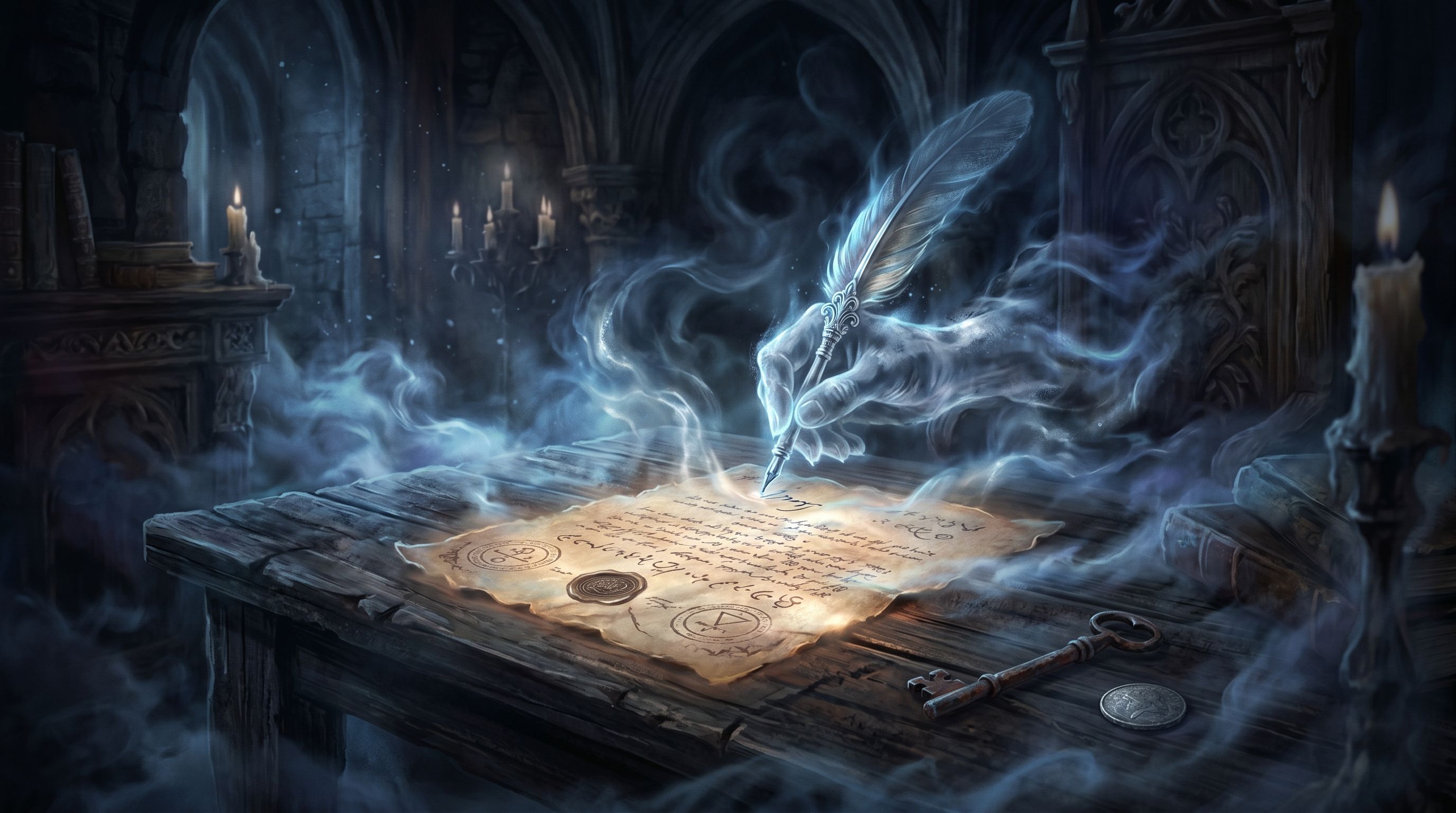
The body as a parchment: deciphering placement and symbol
I am not a big fan of dream dictionaries that tell you "a tattoo on the arm = strength." That is far too reductive, isn't it? Every dreamer is a unique galaxy. However, over the centuries, I have noticed that where the ink enters the skin tells a different story about your identity.
If the tattoo is on your face, it involves your relationship with the world. It is what you want others to see first, or perhaps what you fear you can no longer hide. It’s a bit like wearing a hat that has suddenly become part of your skull: a protection that ends up defining who you are in everyone’s eyes. On the back, it often represents the past—what you carry behind you, the lessons learned that have "marked" you forever.
Sometimes a tattoo appears following an intense emotional shock in real life. I have seen dark marks appear on the chests of those going through a layoff or a breakup. Why? Because the mind needs to materialize the wound to begin healing it. The tattoo then becomes a talisman, proof that you survived the ordeal.
If the engraved image is an animal, ask yourself what power that animal possesses that you do not dare express. If it is a word, listen to its vibration. Often, we look for complex explanations when the unconscious is shouting a simple truth in capital letters on our own arm.
To be honest, interpretation is never a straight line. It’s a dance. Is the tattoo in your dream finished? Is it fading? A fading tattoo can be more terrifying than a new one, as it suggests you are losing the thread of your own story—or conversely, that you are finally ready to let go of an old label that no longer fits.
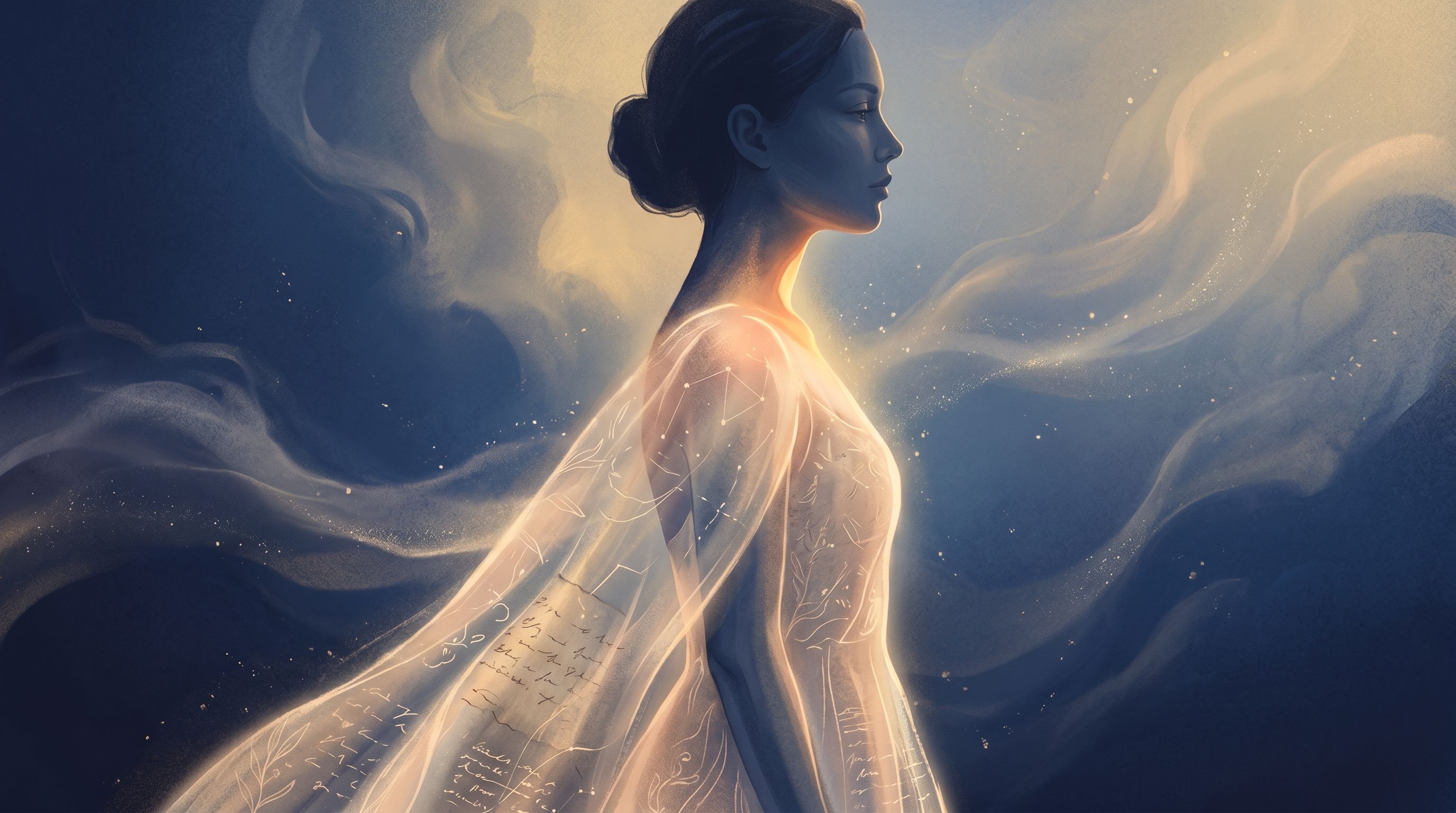
Do not fear this nocturnal ink. It does not stain; it reveals. It is the bridge between what you feel inside and what you manifest outside. The next time you see these patterns on your dream-skin, touch them, feel their texture. They are the seals of your personal evolution.
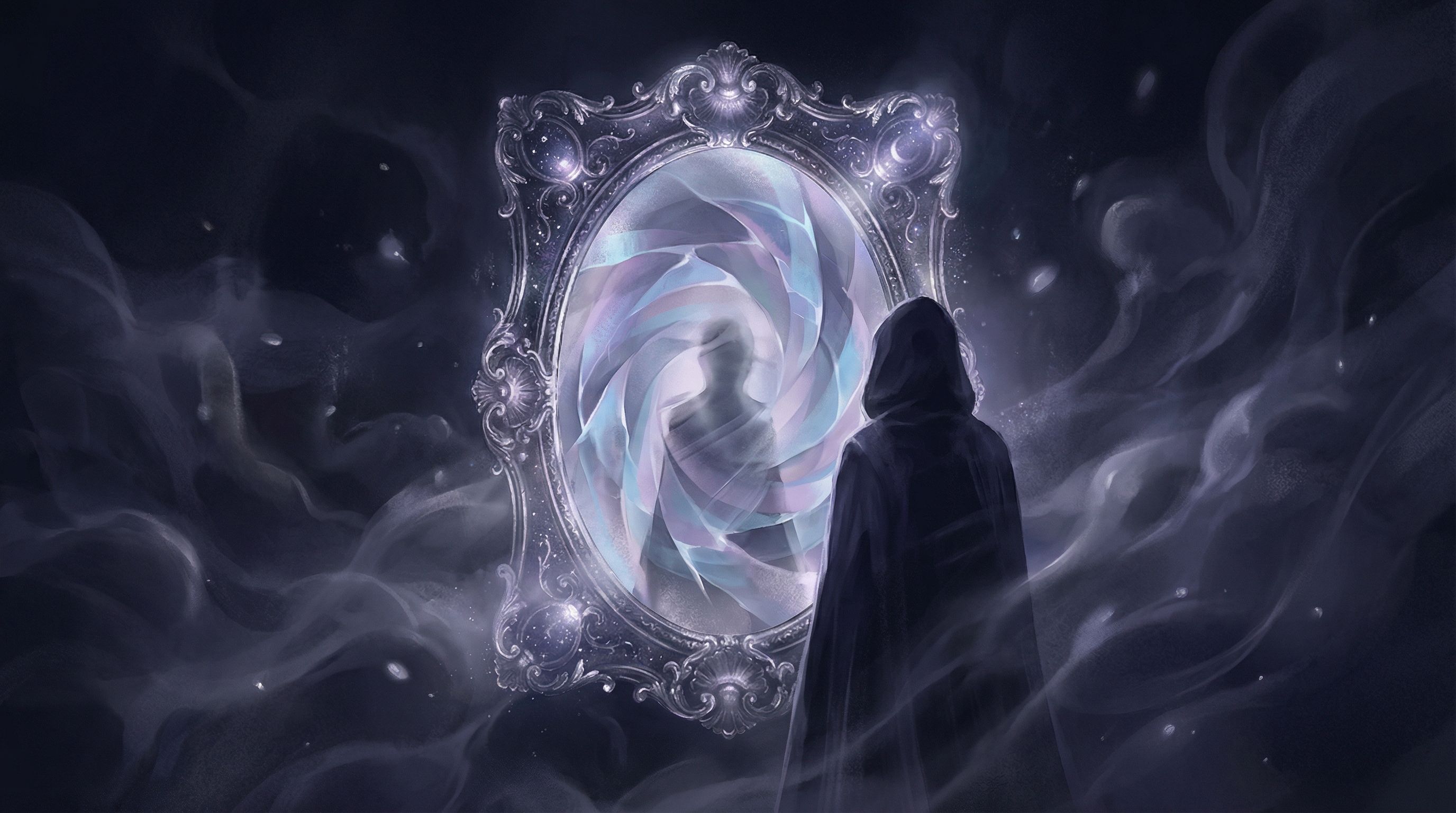
Honestly, what always intrigues me is when a dreamer complains that their dream-tattoo is smudged, half-finished, or dripping like fresh paint. We tend to think of tattoos as flawless, crisp lines, but the unconscious isn't a professional studio. If you find yourself desperately rubbing at a blurry mark in your sleep, it’s rarely about the aesthetics. It’s the friction of an identity that hasn't quite solidified yet. You are trying to commit to a new version of yourself, but you’re still hesitating, dragging the old ghosts behind you. It’s a feeling not unlike dreaming of not recognizing yourself when you catch your reflection—the mind is caught between who you were and who you are becoming, and the wet ink is simply waiting for you to stop trembling so it can dry.
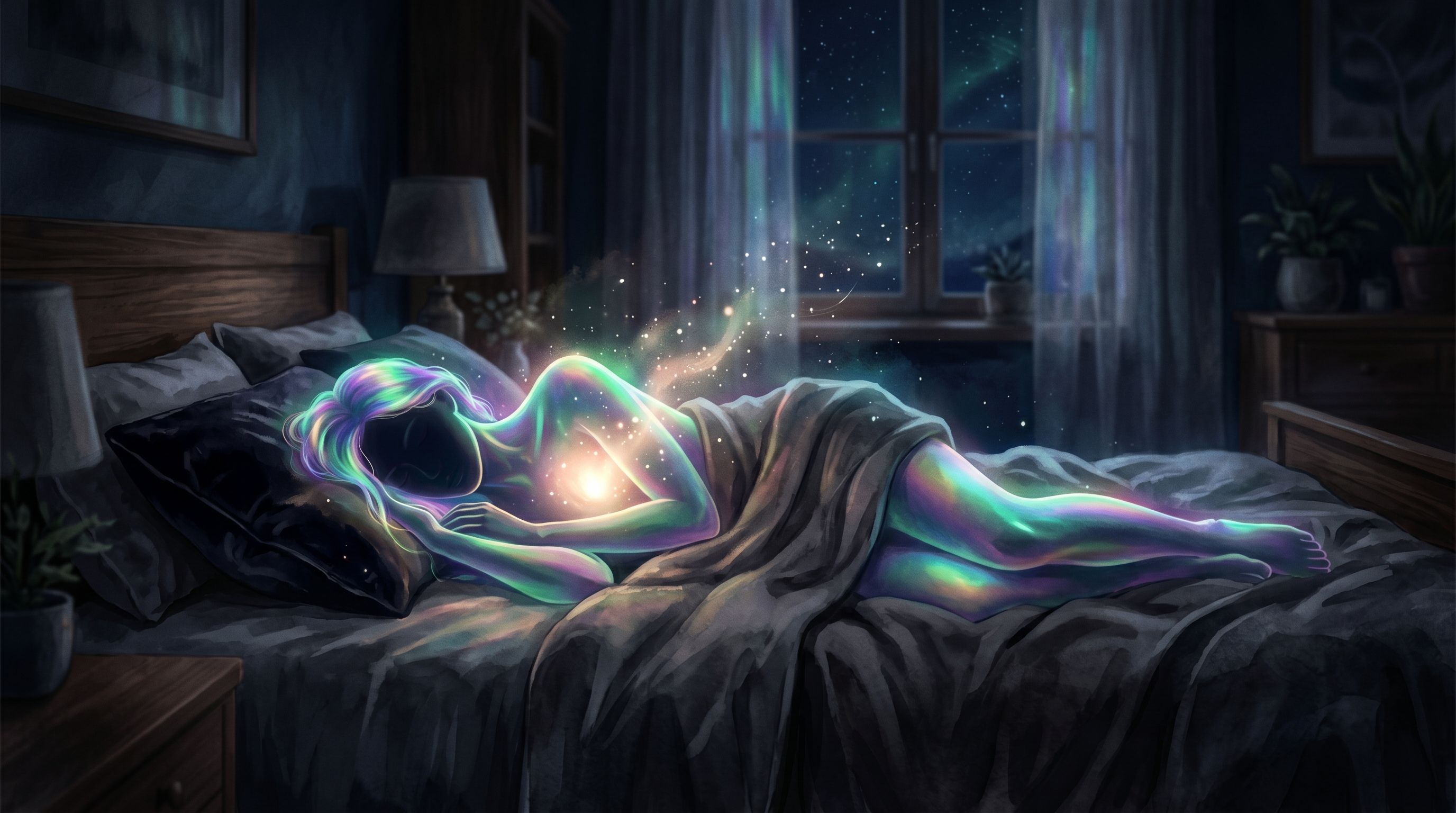
Have you ever actually felt the needle? It’s a fascinating paradox: the sleeping body lies perfectly still on a soft mattress, yet the brain conjures the sharp, rhythmic bite of the needle, or the strange, icy chill of the ink entering the pores. I often wonder why our sleeping minds insist on recreating this physical discomfort so vividly. I suspect it is because some truths cannot enter our awareness through gentle whispers; they require a somatic shock to cross the threshold. When you feel that phantom heat on your dream-skin, your nervous system is registering a shift that your waking mind is still trying to ignore. It is a sensory awakening, a reminder that your soul is not an abstract concept, but something deeply anchored in your flesh and blood.
There is an old, quiet wisdom in the way ancestral cultures viewed these markings—not as mere self-expression, but as spiritual armor. I once watched over a dreamer who was terrified of a great black tiger being carved into her shoulder blade. She woke up shivering, thinking she had been cursed. But as I tasted her fear, I saw the truth: her unconscious was placing a guardian on her back to protect her from the unseen vulnerabilities she couldn't face alone. A dream-tattoo is frequently a talisman. It is your soul’s way of weaving a protective spell directly into your spiritual skin, giving you the strength of a beast or the stability of a sturdy boat navigating turbulent waters. It is not a scar; it is your personal shield.
If you need to keep track of these symbols as they imprint themselves upon you, do not hesitate to record them in your journal on Midnight Mind; it is a wonderful way to see how your identity is taking shape, dream after dream.