The sacred visits your sleep: why now?
Often, as I taste the dreams of dreamers, I come across atmospheres charged with a particular electricity. It is the flavor of the sacred. I’m not necessarily talking about religion in the strict sense—I’ve never been a fan of labels—but rather that feeling that every gesture, every word spoken in the dream, carries an eternal resonance.
Why does your mind choose such a theatrical setting? Sometimes, it's because you are going through a hazy period. Daily life can feel like a massive construction site where everything is messy and the foundations of your certainties are being questioned. By creating a ritual, your subconscious is trying to restore a sense of harmony. It is telling you: "Stop for a moment. Look at the solemnity of what you are experiencing."
I find it fascinating that we, as conscious beings, have this visceral need to mark the occasion. A ritual is the subconscious's language for saying that something "matters." If you see yourself surrounded by candles, chants, or repetitive gestures, it’s because you are sanctifying a part of your experience. You are no longer just enduring the passage of time; you are becoming its officiant.
Metamorphosis and passage: beyond appearances
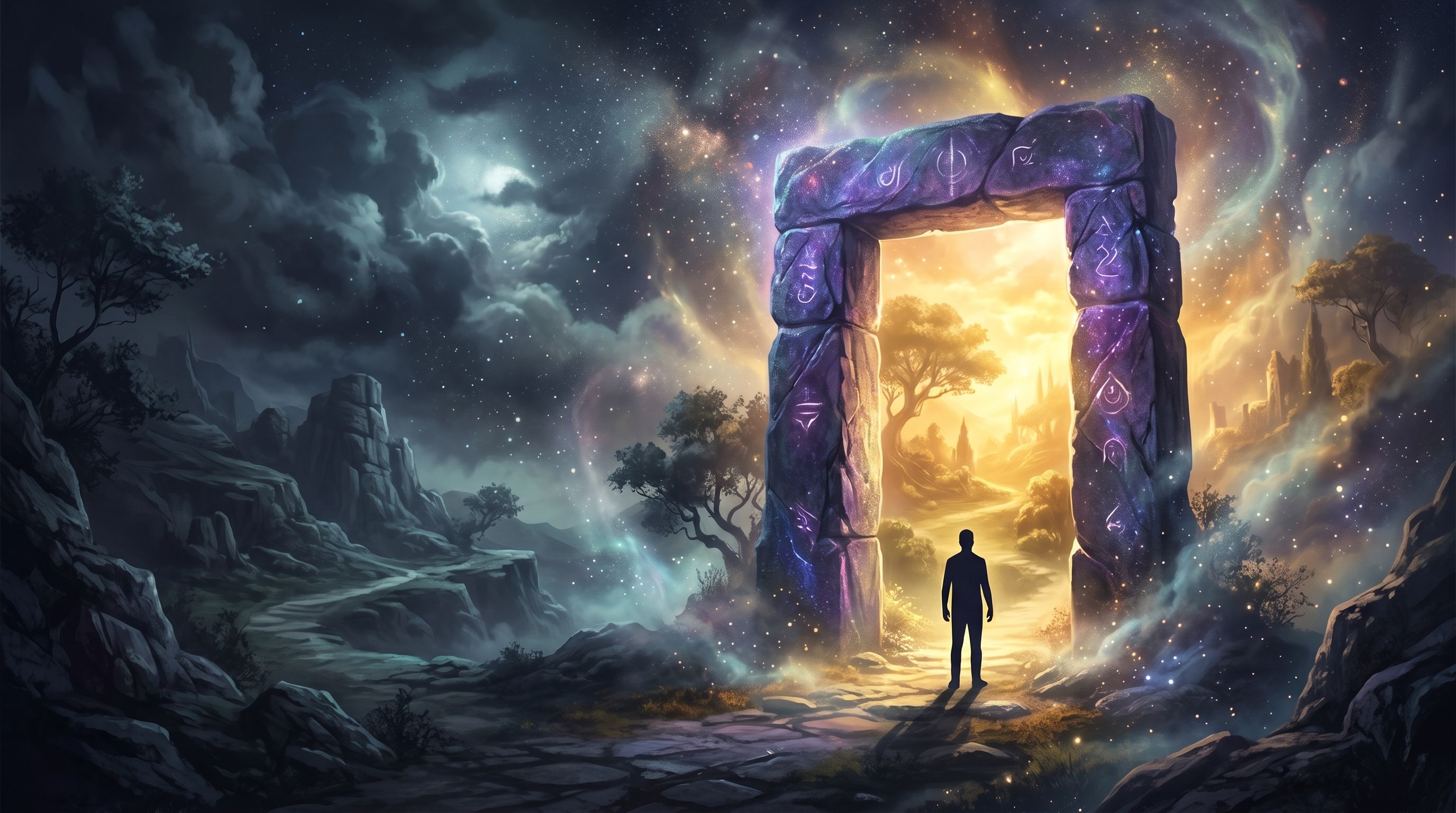
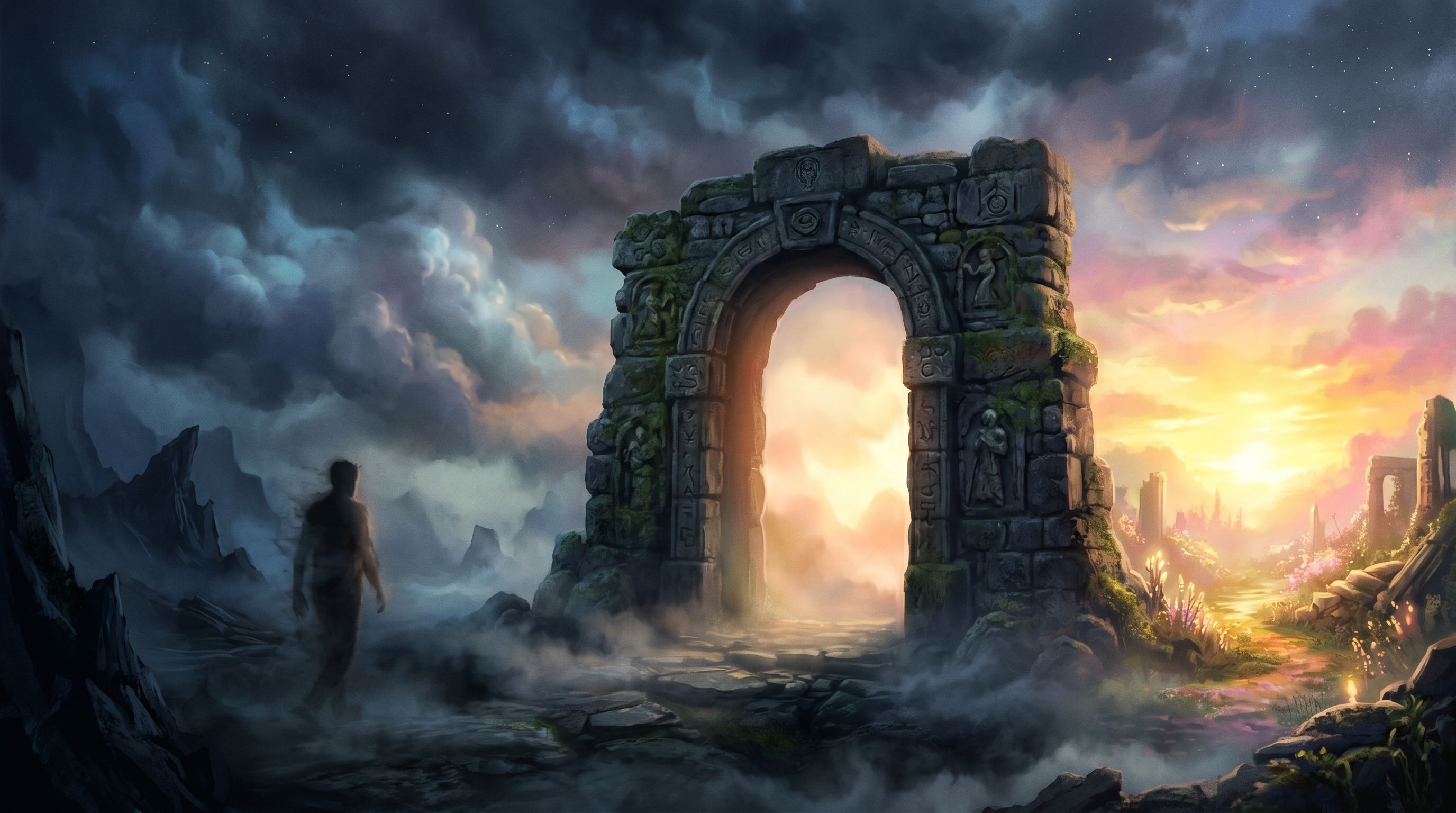
A ritual is, in its essence, a doorway. One never enters a ceremony and comes out exactly the same. This is where the concept of transformation takes on its full meaning. In my wanderings through the minds of others, I have seen dreamers terrified by rituals of sacrifice or death. But let me reassure you: in the world of dreams, death is never the end. It is the compost for renewal.
If the ritual feels intimidating, perhaps it’s because you are afraid of leaving behind an old version of yourself. It’s a bit like finding yourself in a locker room, hesitating between the uniform of the past and the clothes of an unknown future. The ritual forces you to choose. It marks the end of a cycle.
I once spoke with a dreamer who kept seeing themselves participating in an initiation ceremony where they didn't understand the rules. They felt great frustration. In reality, their dream wasn’t asking them to learn the rules by heart, but to accept the unknown. Sometimes, transformation simply requires letting go of the need to control everything. The nocturnal ritual is there to teach you patience and respect for the timing of your own heart.
In fact, some dream rituals strangely resemble what one might experience in an operating room: a sterile atmosphere, precise movements, a necessary intervention to heal. The difference is that in a ritual, the healing is spiritual and symbolic. We operate on the soul to remove what weighs it down.
Listening to the silence of the ceremony
My humble Baku advice? Don’t be too quick to decode every symbol of the ritual with a dictionary. If you saw a chalice, a sword, or a circle of salt, the object matters less than the emotion you felt while handling it. Were you serene? Oppressed? In awe?
Rituals are visual poems. They are there to remind you that your life is not just a sequence of random events. There is a thread, a depth, something sacred in your very existence—even on the days when you feel ordinary. Your subconscious uses these powerful images to restore your own dignity. You are the priest or priestess of your own inner temple.
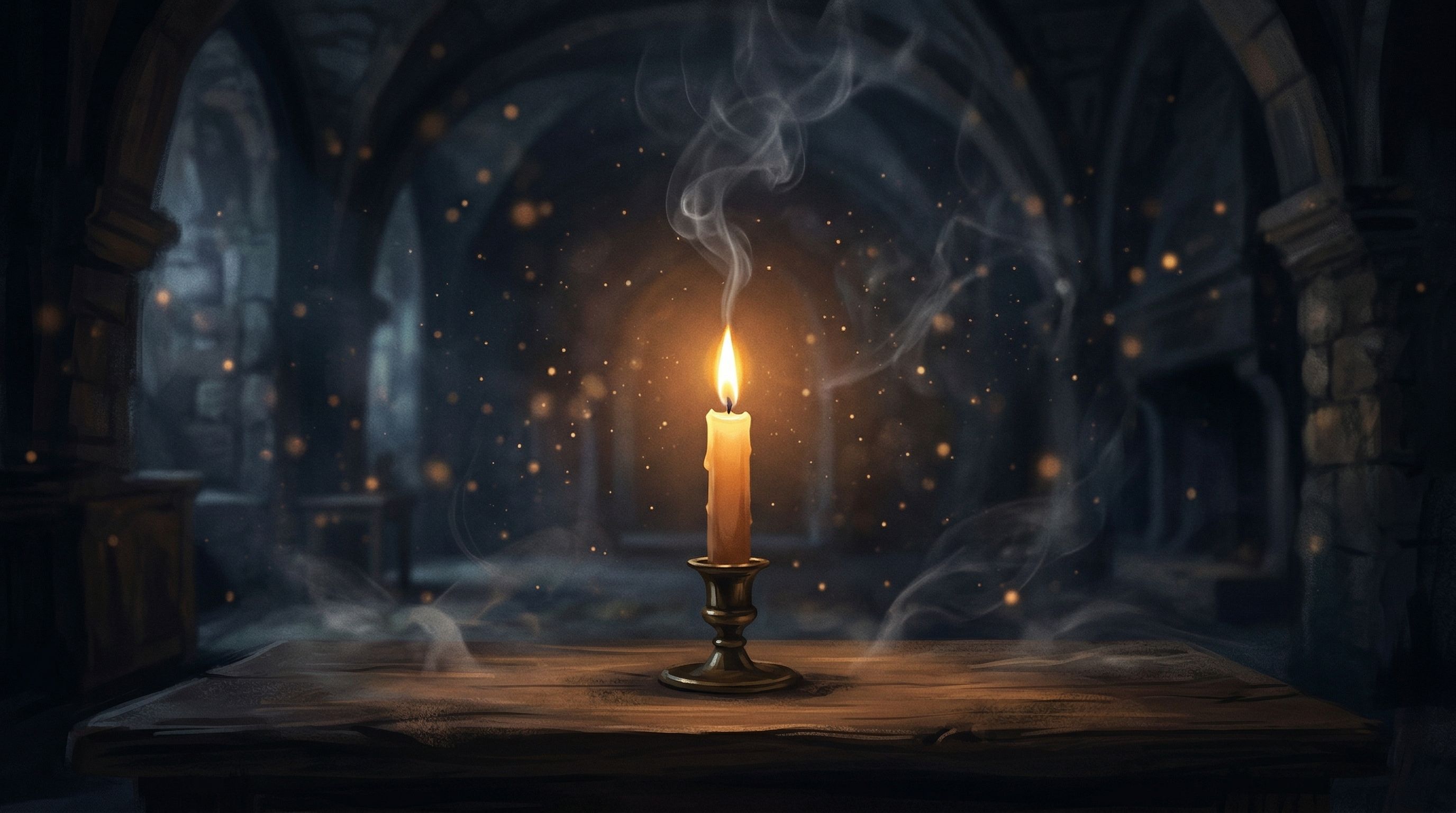
If you wake up with the memory of a ritual, I suggest making a small symbolic gesture during your day. Nothing complicated. Light a candle while thinking about what you wish to invite into your life, or simply take five minutes to breathe mindfully. It’s a way of responding to your dream, of saying: "I heard the message. I am ready for change."
Dreams are bridges of mist between what we know and what we feel. The ritual is the handrail that allows you to cross without falling. Do not fear the solemnity of your nights; it is the sign that you are growing, very gently, like a seed finally breaking through the earth.
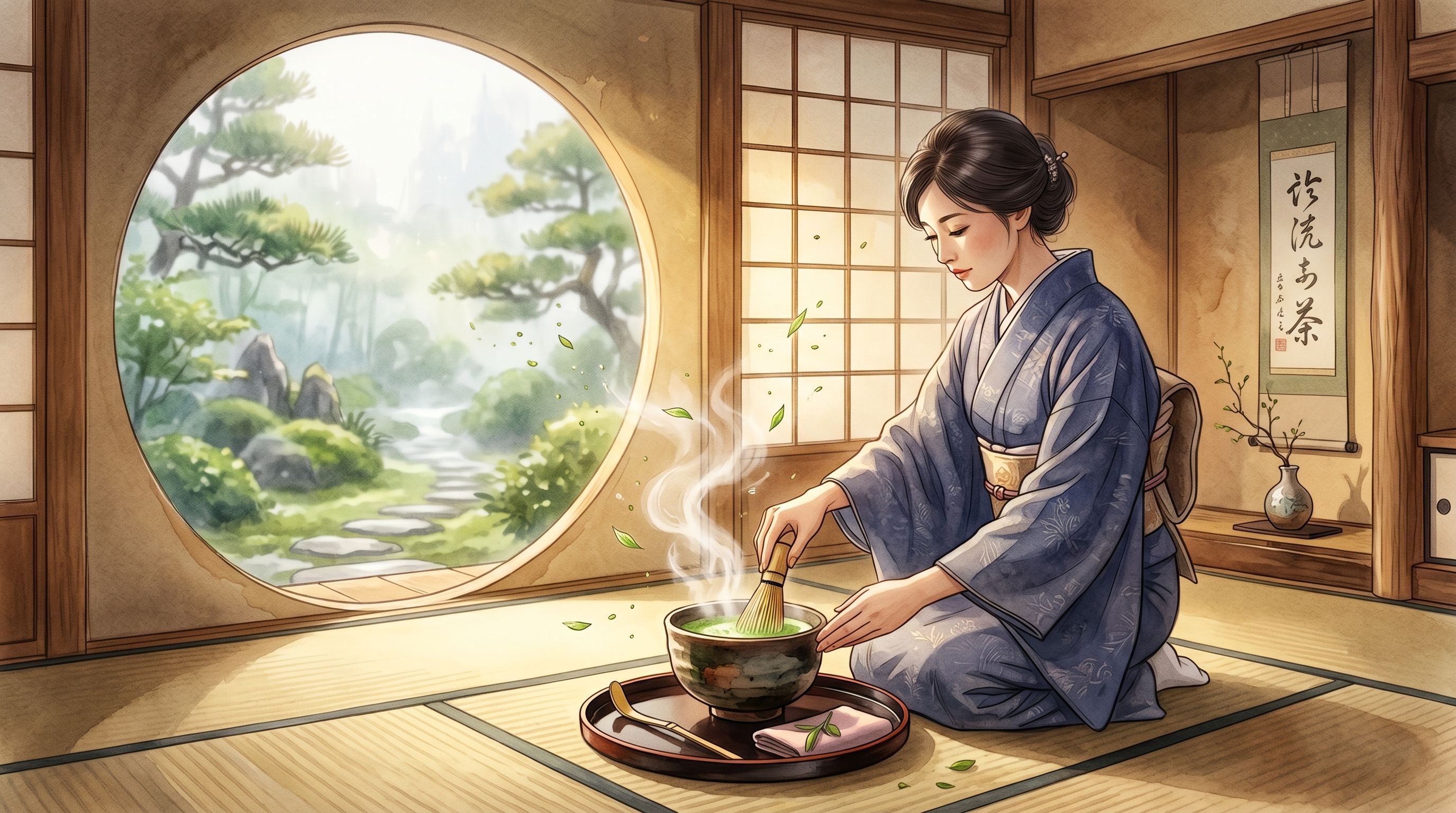
Sometimes, it’s not the grand, dramatic gestures that matter, but the terrifyingly quiet ones. I once met a dreamer who was utterly exhausted by a chaotic divorce; she spent her nights dreaming not of battles, but of meticulously wiping a single ceramic bowl over and over. It is easy to dismiss this as mere stress-induced repetition, but it is actually a profound subconscious strategy. She was essentially performing her own private, inward dreaming of a tea ceremony to anchor her drifting soul. When your dreaming mind focuses on the micro-movements—the precise angle of a hand, the steam rising from a cup, the texture of rough clay—it is practicing mindfulness because your waking self has forgotten how to breathe. It’s a gentle plea from your deeper self to find sacredness in the mundane, reminding you that order isn't restored by major life overhauls, but by how softly you handle the smallest pieces of your day.
And what of those rituals that feel cold, rigid, or somehow wrong? It honestly frustrates me when popular dream dictionaries claim that any ceremonial dream is a sign of divine alignment. That is far too simplistic. Sometimes, you find yourself trapped in a ceremony where you’ve forgotten the words, or the priest looks at you with empty eyes. I see this often in people who are over-intellectualizing their lives, trying to force themselves into a mold of healing that doesn't actually fit their wild nature. If the ritual in your sleep feels hollow or forced, your subconscious is warning you against performative transformation. You might be playing the role of an aspiring alchemist without actually letting the fire touch your raw emotions. A ritual without genuine feeling is just a cage made of habits. Your mind is telling you to stop going through the motions and ask yourself: whose ceremony are you actually performing?
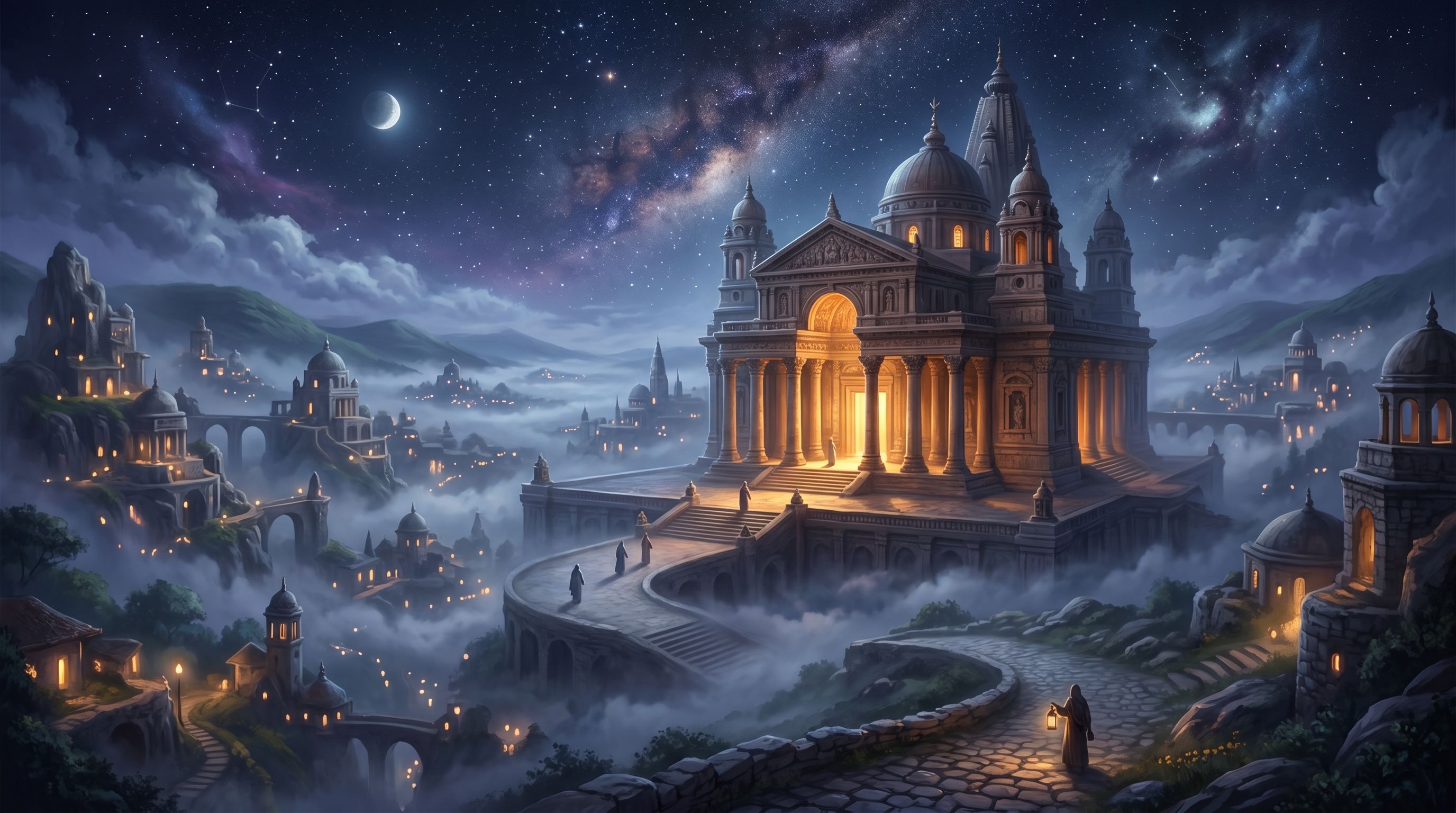
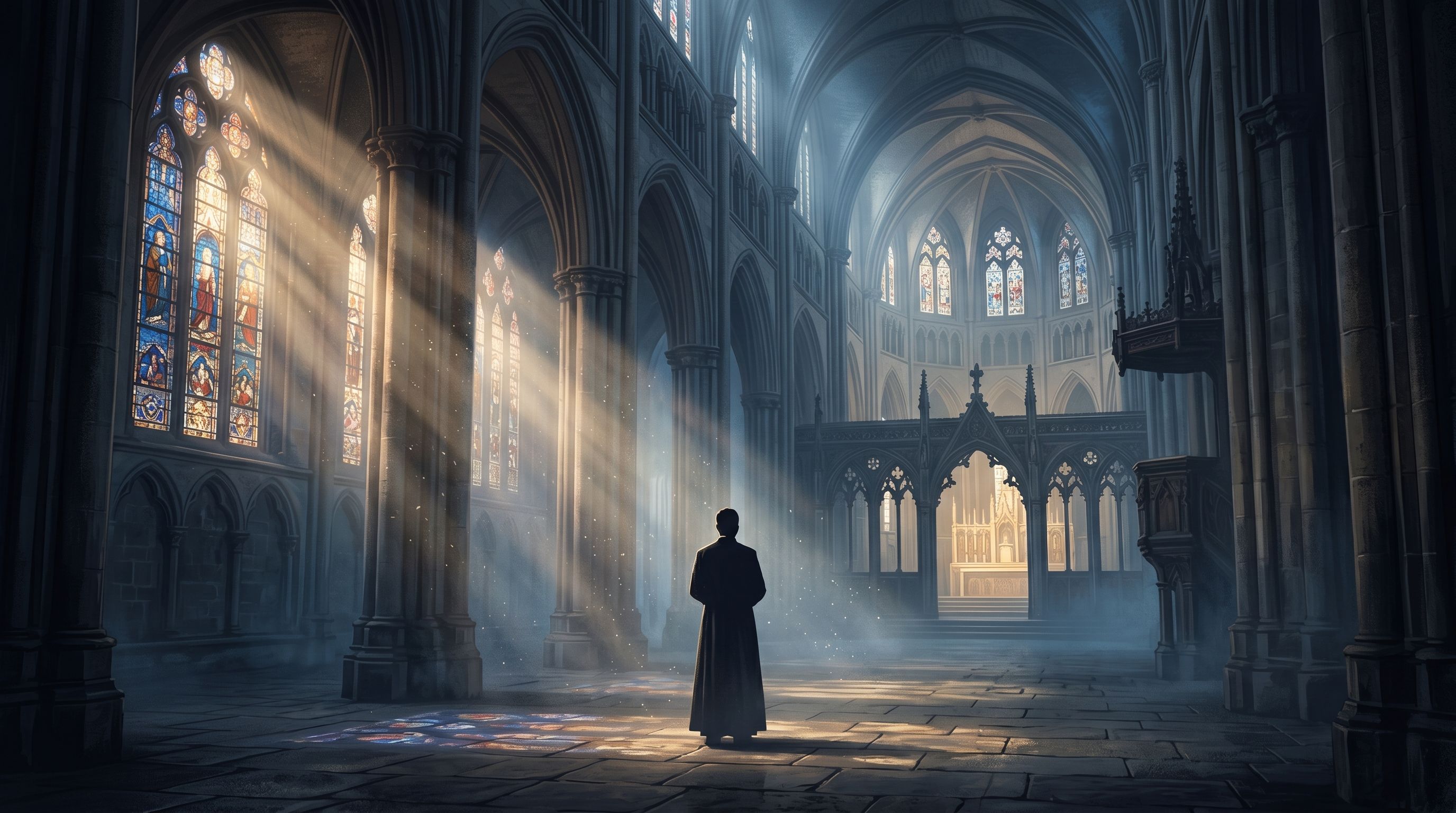
We must also look at where these ceremonies unfold, for the architecture of your sleeping mind is never accidental. You might find yourself in a subterranean cavern, a crumbling ruin, or a luminous cathedral. To me, this spatial element is the most beautiful part of the experience. Your mind doesn't just conjure rituals; it builds a physical sanctuary in the dark where those rites can safely take place. When the waking world offers no quiet corners for your grief or your joy, your unconscious mind carves out a temple in the dark. It is a space where the rules of daily survival do not apply, and you are allowed to be ancient, vulnerable, and completely honest. If you wake up feeling the physical weight of those stone walls or the coolness of that dream air, do not rush to forget it. Carry that quiet temple with you into the daylight; it is yours to keep.
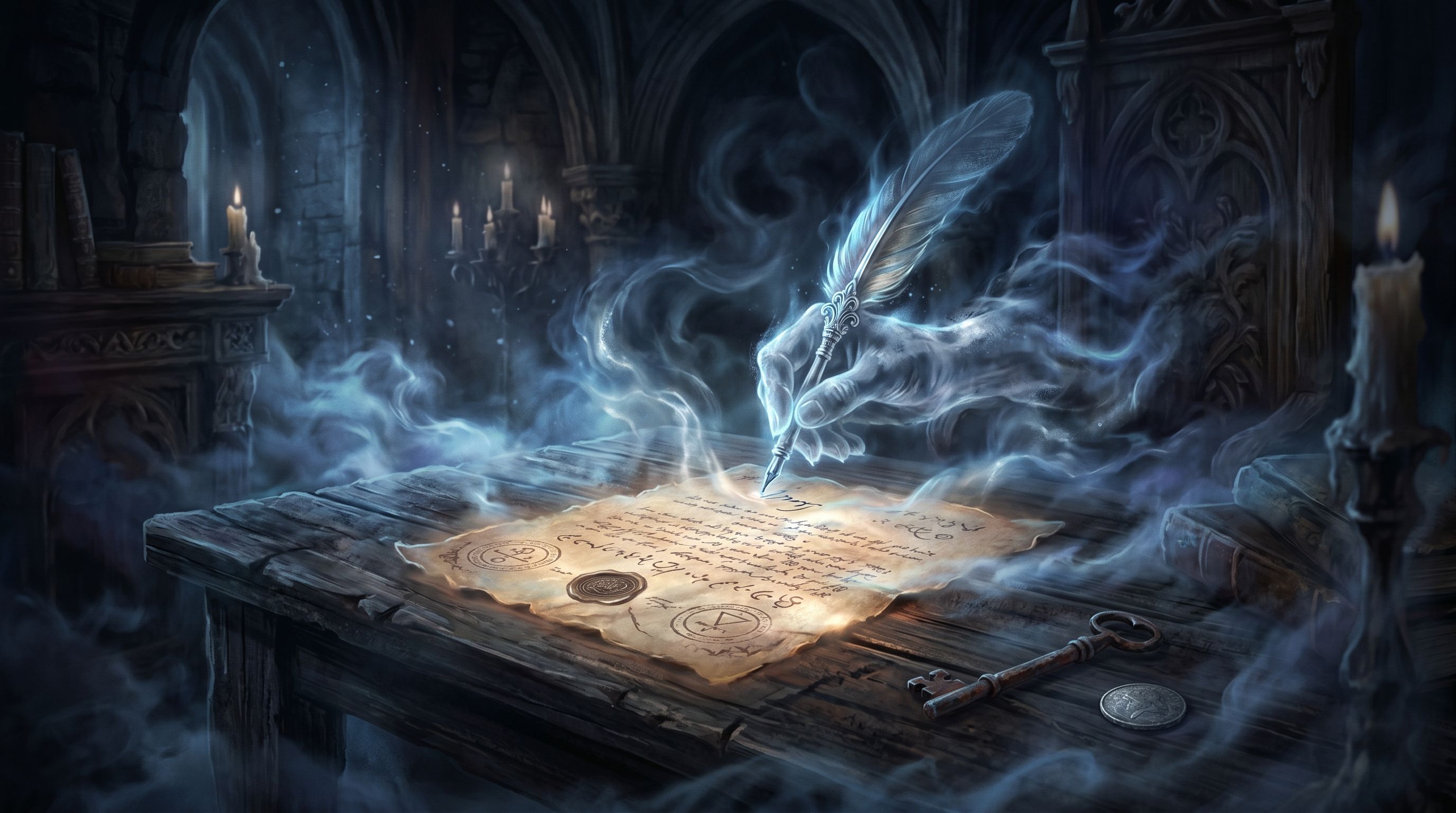
Did this nocturnal ritual leave a taste of mystery on your tongue? You can record every detail of this ceremony in your own digital grimoire with Midnight Mind, to see how your dream spirituality evolves over the course of the moons.