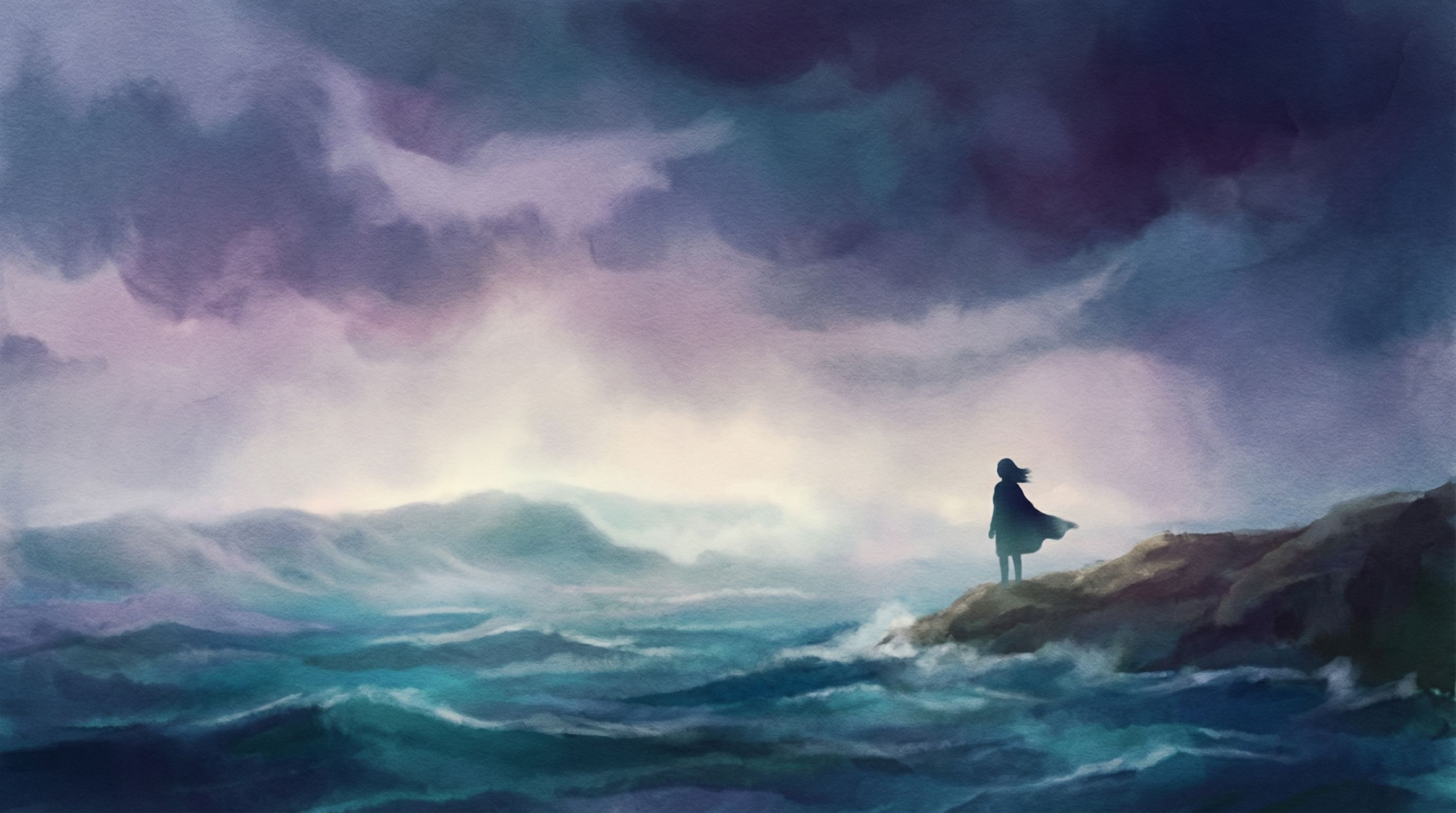
The quay of possibilities: between shelter and flight
If there is one thing that fascinates me in the stories of the dreamers I encounter, it is this duality of the port. For some, it is a refuge; for others, it is a cage. I cannot stand fixed interpretations that tell you a port simply means "stability." It is much more subtle. For me, the port is the diaphragm of your soul: it breathes, it lets things in, and it lets things out.
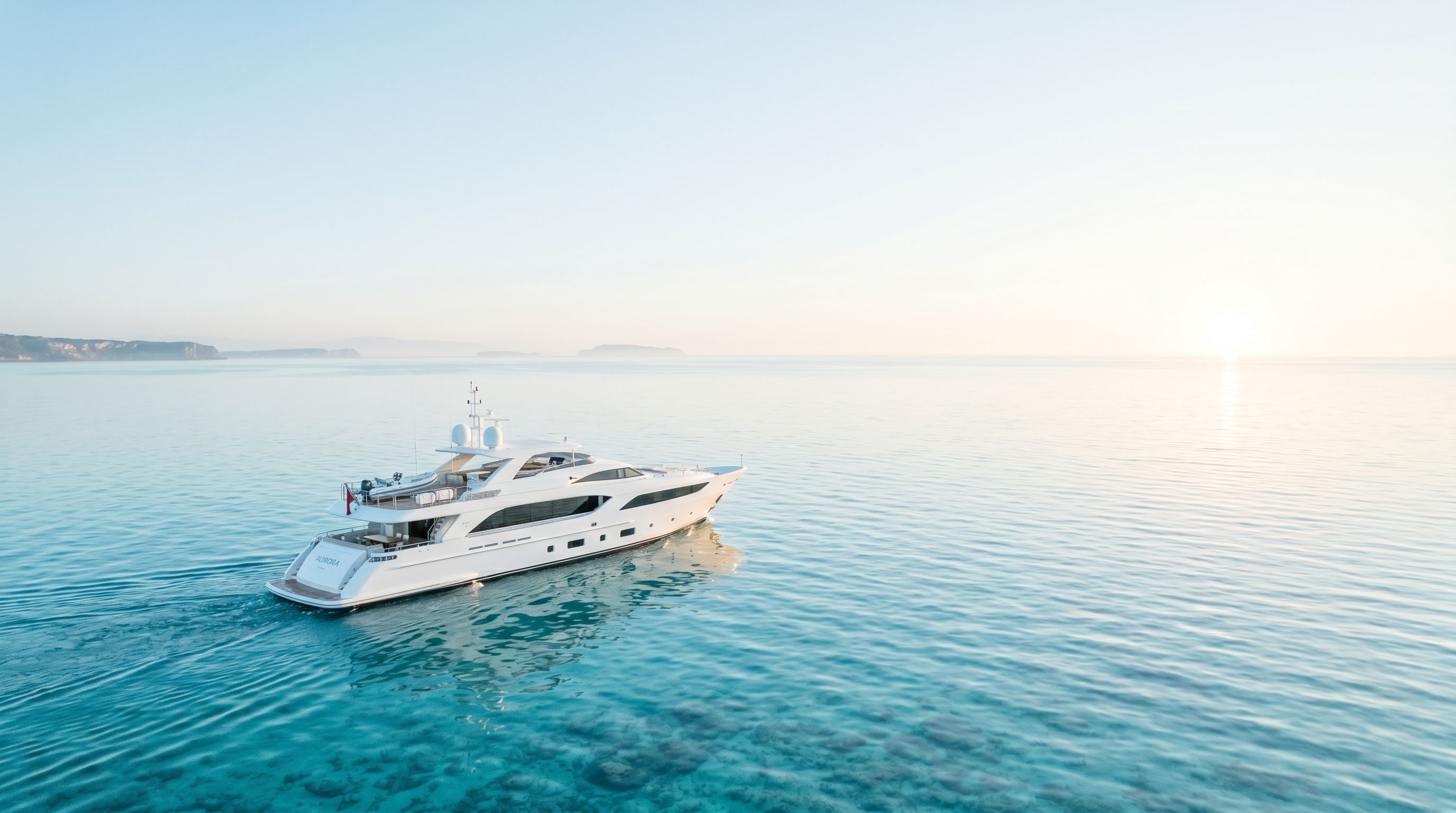
When you see yourself standing on a quay, look closely at your feet. Are you facing the city or the open sea? If you are looking at the horizon, it means your mind is preparing for a departure. This isn't necessarily a physical journey, but perhaps the need to leave an old version of yourself behind. It is a bit like when one finally decides to set down a suitcase that is too heavy to pick up a lighter one, ready for adventure.
The port is also the place where we manage the "cargo" of our thoughts. What are you unloading? What emotions have you brought back from your dives into your subconscious? Sometimes, the dream is there to tell you: "Look at everything you are carrying; is it time to sort through what is cluttering your deck?"
The arrival and the traveler's rest
There is a particular sweetness in the dream of an arrival at the port. I often feel it as a sigh of relief from the dreamer. It is the image of the storm finally calming down. If you have been through difficult times recently, your mind uses the port to signal that you are safe. The dry land represents your waking consciousness, your grounding, while the sea is that vast, sometimes tumultuous emotional world.
Yet, I have seen dreamers get annoyed by this stillness. "Yume," they tell me, "why am I stuck in the port when I should be moving forward?" This is where my Baku wisdom comes in: one cannot be at sea forever. The port is the place for maintenance. It is where torn sails are repaired and leaks are plugged. If your dream holds you in the port, do not force the departure. This might be the ideal time to prepare for a birth symbolically—a new idea or a project that still requires a bit of maturation sheltered from the waves.
I sometimes have doubts when I see ports that are completely empty. A port without ships is a melancholy image that tugs at my heart. It can translate to a feeling of missed opportunities or a loneliness that you do not yet dare to name. But even in an empty port, the water continues to rise and fall with the tide. Nothing is ever truly frozen.
The nuances of water and the mist of doubt
The atmosphere of your port is crucial. I cannot interpret a port bathed in mist the same way as a port under a blazing sun. Mist is uncertainty. If you cannot see the end of the quay, it means you are in a transition phase where the destination is not yet clear. And that is normal! The subconscious does not like to be rushed. It loves mysteries and half-tones.
If the water in the port is polluted or agitated, it shows that even in your place of safety, your emotions (the sea) are still jostling you. You may have brought unresolved conflicts back home. Conversely, crystal-clear water where you can see fish swimming beneath the ships is a sign of great transparency toward yourself. You know what drives you; you know what carries you.
I remember a dreamer who told me about a port where the boats flew instead of floating. It was magnificent. It showed that his projects were no longer limited by usual conventions. The port was no longer a limit, but a springboard. It is these kinds of details that remind me that your human minds are incredible creators, capable of hijacking any symbol to express their own truth.
Do not look for a single answer in a dictionary. Feel the wind on your face in this dream. Is it warm? Cold? Does it push you forward or hold you back? Your dreams are conversations, not orders. They whisper to you the state of your moorings. Are they so tight they suffocate you, or so loose they leave you drifting aimlessly?
Take the time to observe these ships coming and going. Each of them is a part of you—a thought, a desire, a fear. By learning to recognize the rhythm of your inner port, you will learn to navigate with much more serenity in the waking world.
Have you ever listened to the sounds of your dream port? It is something many dream analysts completely overlook, and honestly, it gently irritates me. They only look at the visual, as if dreams were silent postcards. But a port is alive with noise—the low, vibrating groan of foghorns, the metallic clatter of rusty chains, the crying of invisible gulls. If your port is violently noisy, your mind is screaming that the transition you are undergoing is not peaceful; it is a mechanical, grinding effort. It reminds me of a dreamer who once came to me, exhausted, because every night she was packing and unpacking a stiff leather suitcase on a freezing, noisy dock. Her body was trying to process a brutal career change, and the screeching metal in her dreams was simply the sound of her own resistance.
There is a specific sadness when you arrive at the quay only to find the ship has already departed. You stand there, looking at the widening gap of dark water between the stone and the hull. In my long nights of wandering, I have seen this dream occur most frequently after a sudden breakup or a quiet bereavement. You feel left behind on the shore, holding tickets for a voyage that will never happen. But I want to reassure you: this is not a failure of your destiny. The port, even when empty of the ship you wanted, remains a place of trade and eventual returns. It is much like finding yourself lost in a foreign train station; the initial panic of the missed connection slowly gives way to the realization that another route, perhaps more beautiful, will eventually present itself.
In the ancient tales of my homeland, water is never just water; it is a veil between our world and the realm of spirits. A port, then, is a sacred borderland, a secular shrine where the land elements gently negotiate with the depths. Sometimes, you might dream of a port that looks ancient, built of massive mossy stones that feel older than human memory. When you tread on these stones, you are walking on the threshold of your deepest ancestral memories. I occasionally wonder if we ever truly travel alone, or if we are carrying the unfulfilled voyages of those who came before us. If your dream port feels ancient and solemn, treat it with reverence. Do not rush to board the first vessel you see. Sit on the edge, dip your fingers into the cold tide, and listen to what the deep water is trying to whisper to your waking mind.
If this port has left an indelible impression on you, it may be time to map these inner waters. To help you archive these seascapes and see which ships return most often, you can use the Midnight Mind app: it is an excellent logbook to ensure your visions no longer evaporate in the early morning.