The Walls You Build Against the World
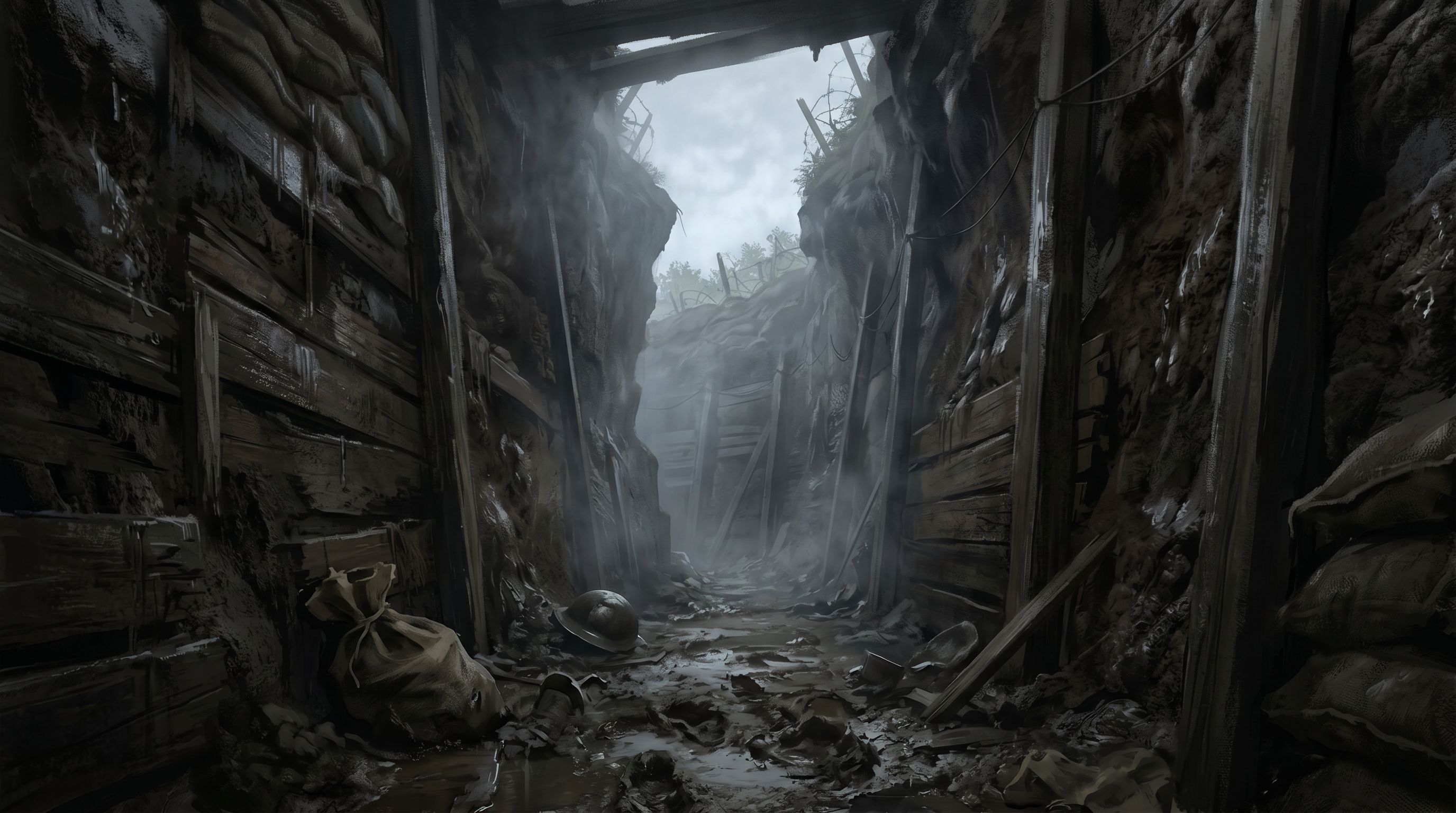
When I drift through the landscapes of your sleep, I often taste a hint of bitterness—the bitterness of fear that has crystallized into stone. In the language of your soul, a bunker is the ultimate expression of your survival instinct. You do not build such a structure for the simple joy of living there; you build it because you are bracing for a storm, an explosion, or a personal end-of-the-world.
I find this image both fascinating and a little heartbreaking. It is fascinating because it shows the incredible power of your psyche to create an impenetrable sanctuary when you feel at risk. It is heartbreaking because if you are in a bunker, it means you no longer feel safe in the "open air" of your daily life. Sometimes, this sense of threat comes from an authoritative figure or a situation that feels out of control, much like the vulnerability you might feel when sheltered only by a fragile tent during a storm.
But be careful, little dreamer—the bunker is a double-edged symbol. If the walls are thick enough to stop bombs, they are also thick enough to stifle your own cries and your own desires. Are you protecting yourself from the world, or are you hiding from yourself? I met a dreamer once who lived in a luxurious bunker, filled with books and food, but there was no door. He had forgotten that to survive, it isn't enough just to stay alive; you must also be able to breathe.
---
The Paradox of Survival: Protection or Burial?
In the world of dreams, the space you inhabit is a mirror of your inner state. If your dream focuses on the technical side of the bunker—the food supplies, the strength of the doors, the air filtration systems—it suggests to me that you are likely in "crisis management" mode in your waking life. You are in an analytical state, calculating your chances and husbanding your strength. Some specialists in dream psychology see this as a healthy reaction to professional burnout or a period of great upheaval.
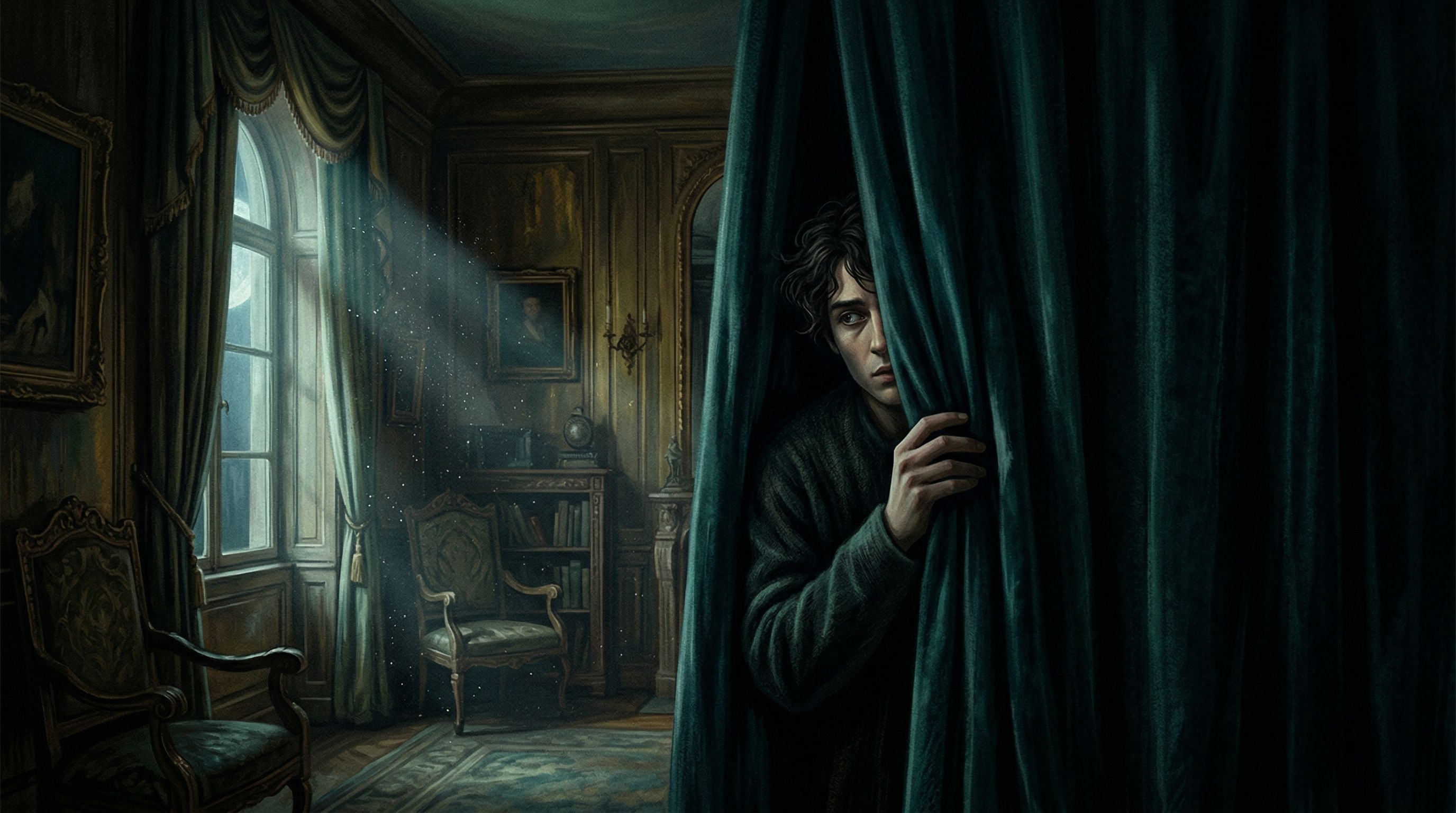
However, I often look beyond simple "protection." There is frequently a dimension of emotional withdrawal here. You descend into the bunker when you no longer want to be seen, when you feel a sense of shame, or when you feel too fragile to face the gaze of others. It is a form of retreat that allows you to pause, much like the grounding ritual of sipping a warm cup of coffee to find your center, but on a much more structural scale.
🌙 Yume's Echo: Sometimes, the strongest fortress isn't made of stone, but of the courage to remain soft in a hard world.
I often wonder: who or what is in that bunker with you? If you are alone, survival risks becoming a heavy loneliness. If you are with others, observe how you interact. Does the fear shrink your living space, or does it allow you to refocus on what is essential? Concrete is never permanent; it is merely a pause your subconscious grants itself so that you do not shatter under pressure.
---
Concrete Example: The Silent Watcher
Imagine you are inside a bunker, watching a radar screen. Outside, there is no sound, only the grey static of a world you've left behind. You feel safe, yet your hands are shaking as you check the locks for the tenth time.
In this use case, the bunker isn't about a real-world war; it’s about a boundary you’ve set in a relationship or a job. The radar represents your hyper-vigilance. Your subconscious is telling you that while you have successfully shut out the "enemy," the cost of that safety is a constant state of high alert that prevents you from actually resting.
---
Stepping into the Light: The Baku's Message
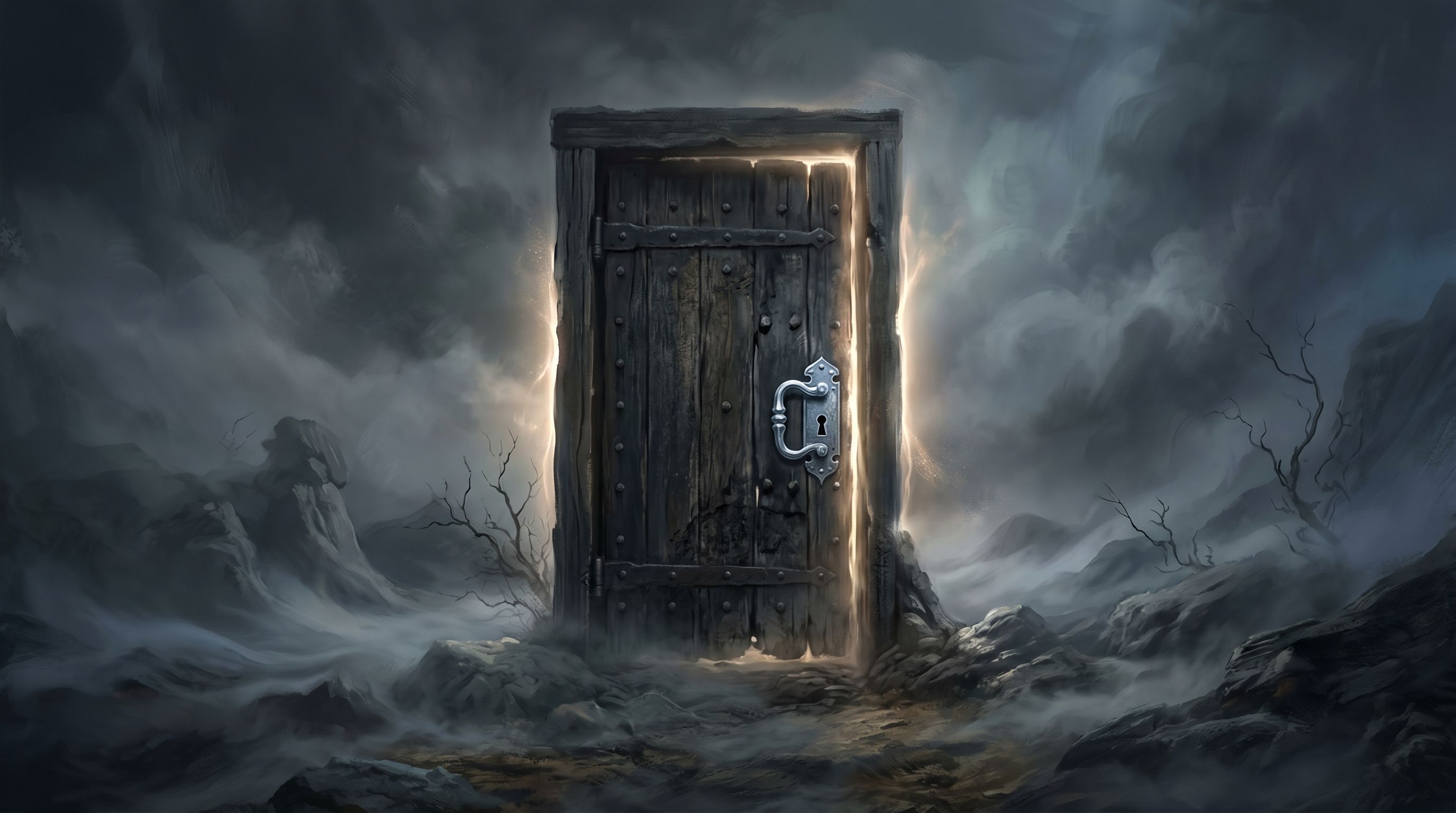
The most beautiful moment in these dreams, even if it is rare, is when you place your hand on the heavy iron handle and decide to open it. The air that rushes in then has a taste of freedom that I particularly savor. If your dream ends before you step outside, do not worry. It simply means you still need this time of incubation, this mineral security.
Know that the bunker is never an end in itself. It is a concrete chrysalis. You store your strength there, you protect your fragile parts, but the goal of the journey is always to return to the surface. Do not let fear become the permanent architect of your life. A bunker is an excellent temporary shelter, but it is a poor home.
If you wake up with a feeling of oppression, take a deep breath. Visualize those walls gently crumbling to let in a ray of moonlight. You don’t need to face everything all at once. Sometimes, it is enough just to know that you have the right to leave, even if you don't do it right away. Your dreams are allies, not prisons; they are simply showing you the state of your defenses.
If you want to explore your dreams more deeply, your Baku is waiting for you. Take care of your nights, little dreamer. The walls are only there to give you the peace you need to rebuild yourself.
I often wonder if you can feel the humidity when you wake up. Concrete has a very specific smell in the dream world—cold, dusty, chemical, entirely devoid of life. It is the modern, synthetic cousin of seeking shelter in a cave, but where the earth cradles you in fertile darkness, the bunker freezes you in grey sterility. Some dream interpreters ignore this sensory chill, focusing only on the safety. But your skin in the dream knows the difference. If you find yourself touching those damp, windowless walls, your spirit isn't just looking for safety; it is experiencing a temporary sensory dissociation. You have muted the colors of your life because the vibrant light outside became too painful to bear. It is a quiet, heavy hibernation, but remember that even the deepest seed needs contact with actual soil, not cement, to eventually break open and grow.
I once watched over a dreamer—a poet by day—who spent his nights meticulously stacking heavy brass chests inside a subterranean bunker. When I asked him what was inside, he wept, confessing they held his unwritten verses. He was so terrified of critics, of the harsh glare of public failure, that his subconscious had built a fortress to bury his voice before anyone else could silence it. It is incredibly common to dream of these concrete depths when you are undergoing a massive creative or professional transition. You lock your rawest, most vulnerable projects behind blast doors because you think the world isn't ready, or perhaps because you aren't ready to be seen. But a masterpiece kept in a vault is just paper gathering mold. Safe, yes, but tragically useless.
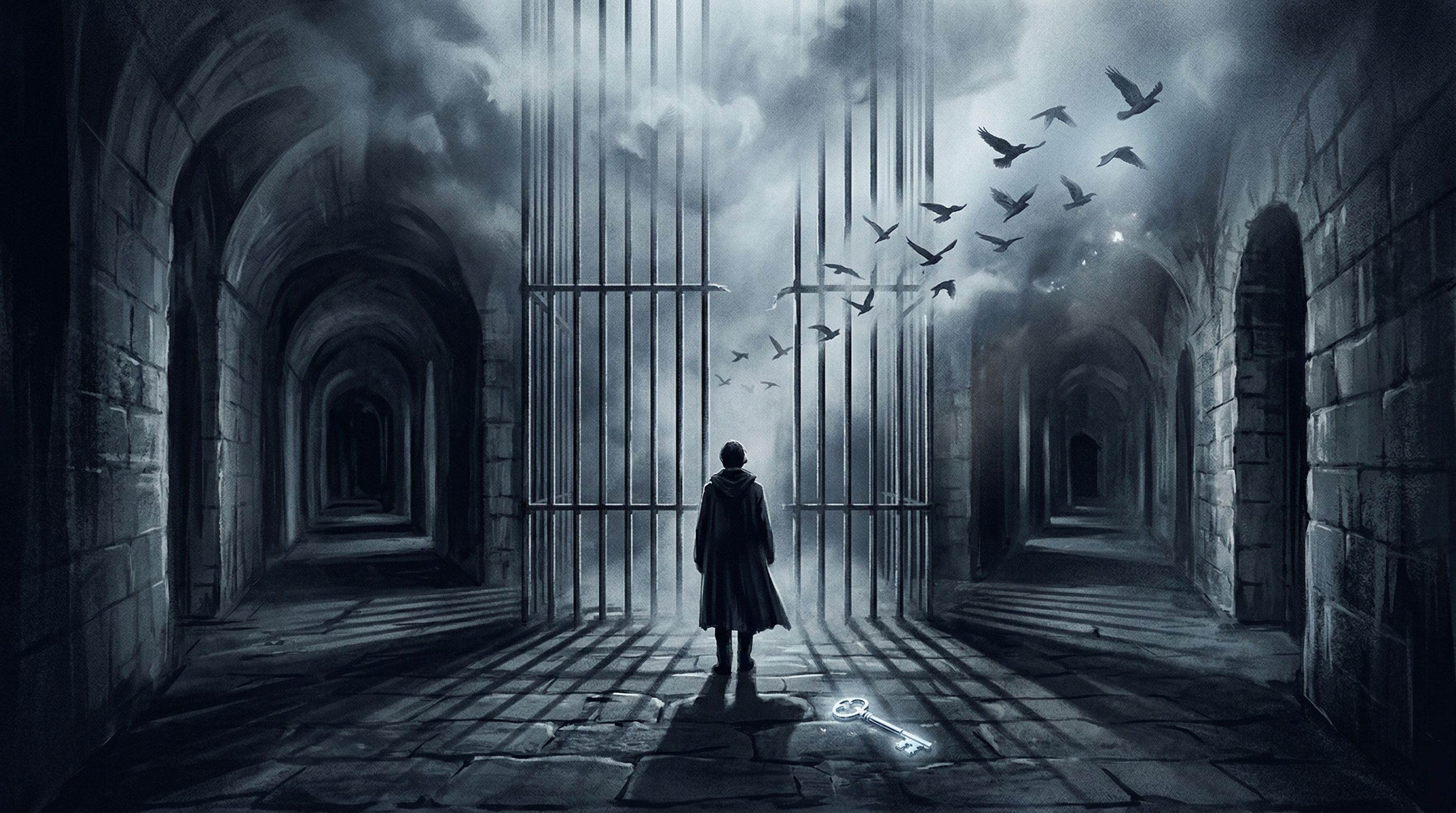
Frankly, it tires me when popular dream dictionaries dismiss the bunker as mere paranoia or a warning of financial ruin. Such clinical, dry definitions completely miss the spiritual tenderness of this space. To me, this underground shelter is often a sacred, necessary pause—a chrysalis of your own making. There is no shame in admitting you need to hide for a while. Yet, I often worry about the latch on that heavy steel door. Is it locked from the inside, or did someone else turn the key? If your instinct in the dream is less about resting and more about desperately running away from an invisible pursuer, the bunker becomes a trap of your own design. The line between a sanctuary and a tomb is terribly thin, and it only takes a moment of stubbornness to cross it.