The weight of suspended time and the taste of frustration
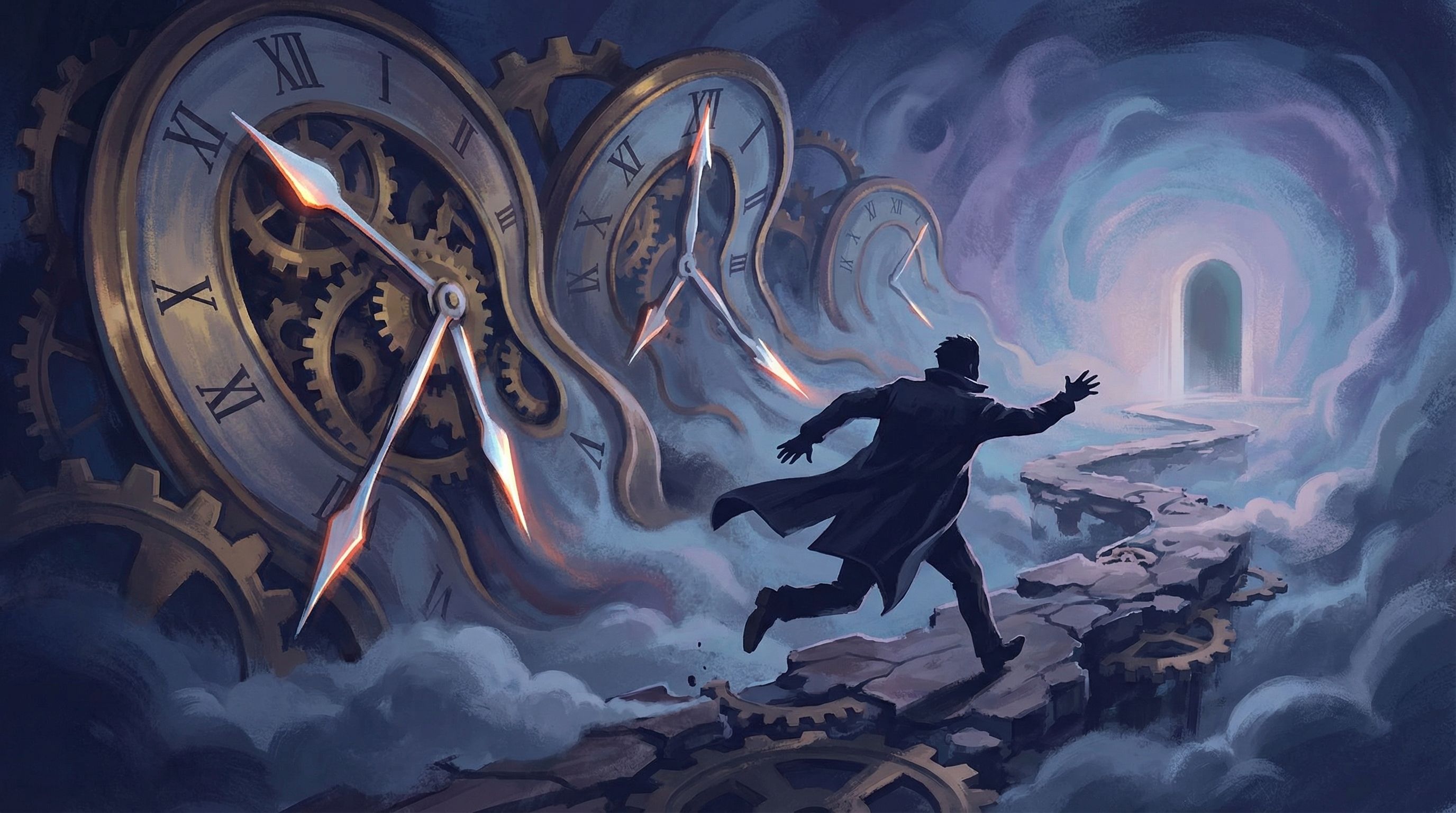
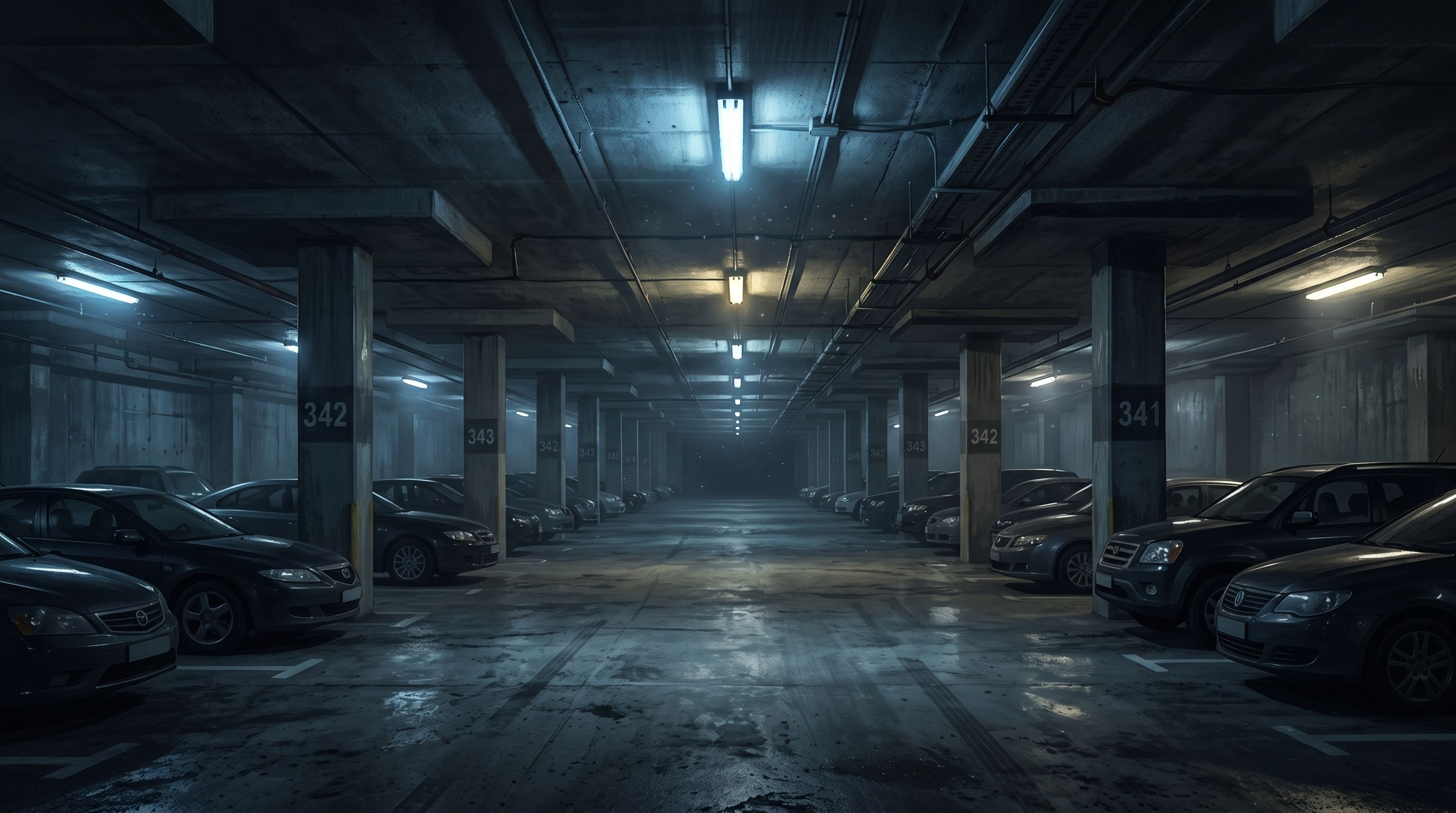
When I slide my snout between the veils of your nights, I often notice that stillness is what frightens you the most. In the waking world, you chase after time as if it were prey to be captured. So, when your dreams force you to stop, a specific kind of panic sets in. I have devoured countless nightmares where dreamers are stuck in a gray, endless waiting room, and the flavor is always the same: the bitterness of helplessness.
It is an emotion you loathe, isn't it? You want to move, to act, to reach the next stage of your journey. However, as your Baku, I can tell you that waiting in a dream is rarely a punishment. It is more of a safety mechanism. Some specialists in sleep psychology suggest that these "stagnant" dreams occur when your mind is processing a mass of information or emotions too heavy to be handled in the heat of action.
If the dream keeps you in that hallway or on that bench, it is because you are not yet ready for what lies behind the door. Is it a lack of confidence? Incomplete preparation? Or simply that the outside world has not yet finished putting the puzzle pieces in place for you? Your subconscious is a wise architect; it will not let you enter the next room until the floor is solid enough to hold your weight.
---
Stillness is not the absence of life
I have observed thousands of dreamers struggle against the calm, even though that is where everything is created. There is a deep wisdom in accepting to do nothing, to simply be there, in the hallway of the subconscious. It is a form of absolute trust in the process of life. In the silence of a dream, your brain is far from idle.
Research into the function of REM sleep indicates that our minds use this time to simulate social and emotional scenarios. When you are "waiting" in a dream, your neurons are often busy weaving together past experiences and future possibilities. It is a state of high-intensity internal activity disguised as external boredom.
🌙 The Echo of Yume : The seed does not move while it is underground, yet it is performing the most violent and beautiful transformation of its life. Your waiting is your growth.
Sometimes, waiting takes on a more organic form. I have seen dreams where the person feels like an iguana motionless under a leaden sun, waiting for the temperature to change. There is a raw beauty in this form of primitive patience. It is an invitation to reconnect with your calmest survival instincts—the ones that know agitation is useless if the moment has not yet come.
---
The nuances of waiting: who or what are you hoping for?
The interpretation of your dream changes entirely depending on the object of your waiting. If you are waiting for a person, it often speaks of a part of yourself that you have neglected. If you are waiting for a partner who does not show up, ask yourself: what quality of that partner am I missing right now to feel complete? You are not waiting for them; you are waiting for that feeling to awaken within you.
Then there is that strange, heavy waiting—the anticipation of an imminent threat. This is where I most often intervene to bring you relief. You wait for the monster to come out of the closet or for the storm to break. This is the "threat simulation" theory in action. Your mind is practicing how to handle fear.
But notice carefully: as long as you are waiting, nothing is happening. The monster exists only in the anticipation. Once you face it, you often realize that the tension of waiting was far more painful than the event itself. Honestly, I am not a fan of traditional dream dictionaries that tell you "waiting for a bus means a small delay in your business." It is far too reductive for the complexity of your soul.
---
Concrete Example: The Train Station Paradox
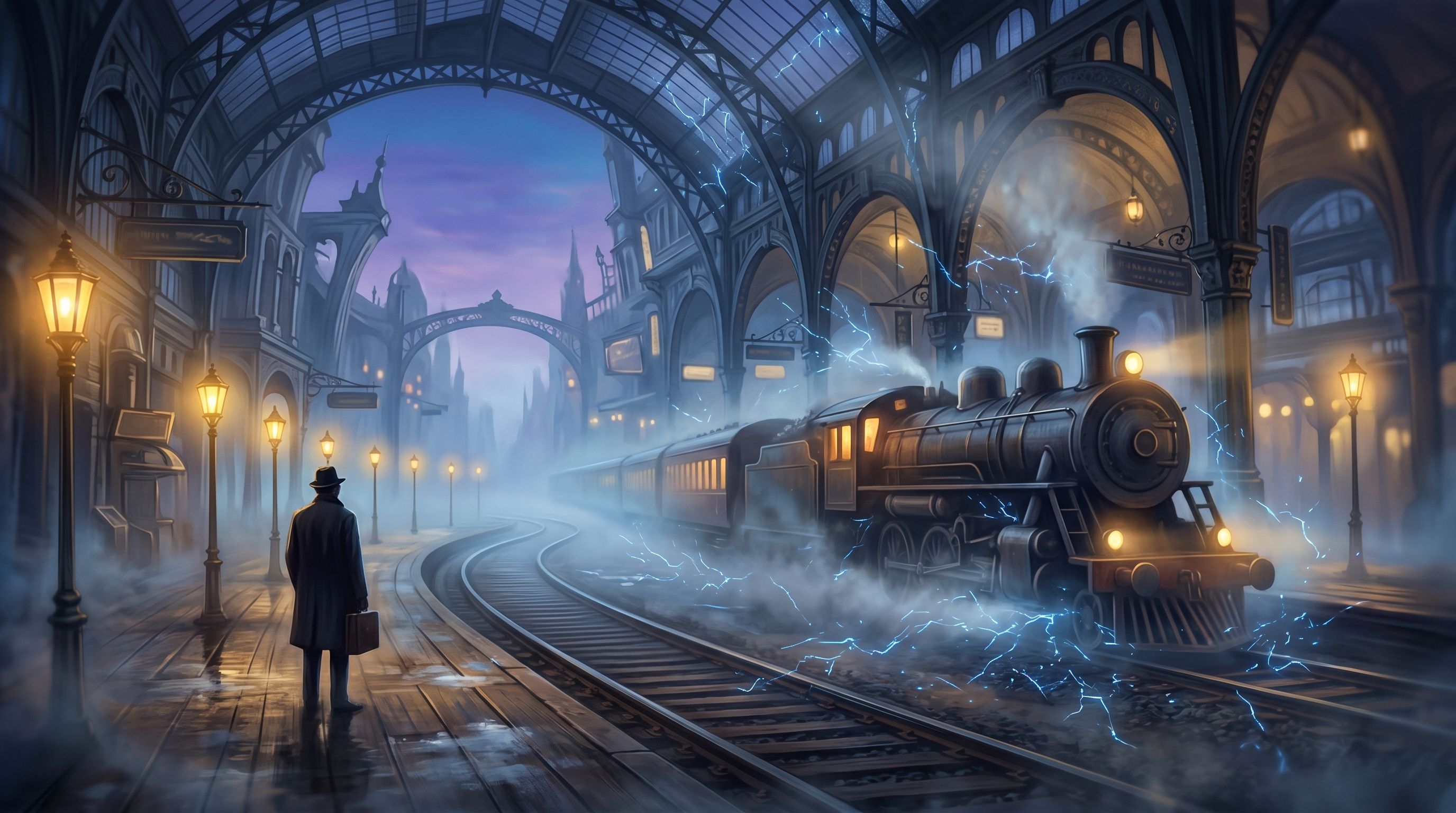
Imagine you find yourself in a vast, sun-drenched train station. You have a ticket, but the display board is blank. You feel a mounting sense of urgency, yet no one else seems worried.
In this scenario, the station represents a liminal space—a threshold between who you were and who you are becoming. The blank board suggests that your destination hasn't been defined by your conscious mind yet. Instead of running to find an information desk, the dream is asking you to look at the architecture of the station, to feel the sun on your skin, and to realize that you are safe even if you aren't moving. The "use case" here is learning to sit with uncertainty without letting it turn into anxiety.
---
How to transform the wait into a ritual
If you wake up with this feeling of incompleteness or blockage, do not seek to "fix" your reality to go faster. Instead, try to recall the sensory details of the wait. What did you observe while you were standing still? The texture of the walls, the scent of the air, the faces of the people passing by without stopping... That is where the true answer lies.
Your subconscious uses these details to communicate things that words cannot capture. A cold waiting room might suggest a need for more self-compassion, while a crowded one might indicate that you feel your personal goals are being drowned out by the needs of others.
- Observe the light: Is it dawn, midday, or eternal twilight?
- Check your body: Are you carrying heavy luggage (emotional baggage) or are you empty-handed?
- Listen to the silence: Is it peaceful or ringing with tension?
Do not fear the silence of your nights. Even when nothing seems to move, your soul is working, weaving, and preparing the next leap. Just let me handle the frustration; I will transform it into a light mist so that your awakening may be gentler.
If you want to explore your dreams more in depth, your Baku is waiting for you. In the quiet corners of your mind, we can identify who you are truly waiting for and why the clock seems to have stopped. Sometimes, simply naming the emotion is enough to set time back in motion.
Have you ever noticed how the air itself feels thicker when you are forced to wait in a dream? It is as if the dreamscape is holding its breath with you. I once watched a dreamer sit on a pier in a thick, gray fog for what felt like hours, simply staring into the dark water. They woke up frustrated, complaining that "nothing happened." But they missed the magic of the stillness. To sit in the quiet is to assume the posture of a patient fisherman, waiting not out of desperation, but with a deep, instinctive knowledge that the deep water is alive beneath the surface. It is a quiet, somatic prayer. Your body in the waking world is deeply resting, while your dreaming mind learns the rarest of modern skills: the art of watching the ripples without needing to disturb the water.
It honestly tires me to see dream dictionaries classify waiting as a mere sign of "stagnation" or "blockage." What a shallow way to look at the soul's timing! Some things simply cannot be rushed, just as you cannot force dough to rise by screaming at it. In the ancient rhythm of things, waiting is closer to the slow process of fermentation—a quiet, invisible bubbling where the old elements break down to create something richer, sharper, and far more nourishing. When you are left to sit in your own quiet juices in the theater of your mind, you are not wasting time. You are aging. You are developing the depth required to survive the next chapter. It is an alchemical necessity, a sacred rotting of your old impatience so that a wiser version of you can finally emerge.