The Silence of the Other: When Rejection Becomes a Mirror
In my travels through the nocturnal landscapes of many dreamers, I often encounter the sharp pang of sadness that follows a dream of rejection. You might see a friend, a lover, or even a stranger turn their back on you without a word. It feels visceral, like a cold wind blowing through an open window.
However, I want you to consider a different perspective: in the theater of your mind, every character is a reflection of you. If a familiar silhouette walks away, it might not be a literal prophecy of betrayal. Instead, it could be a part of your own psyche that is refusing to communicate with your conscious self.
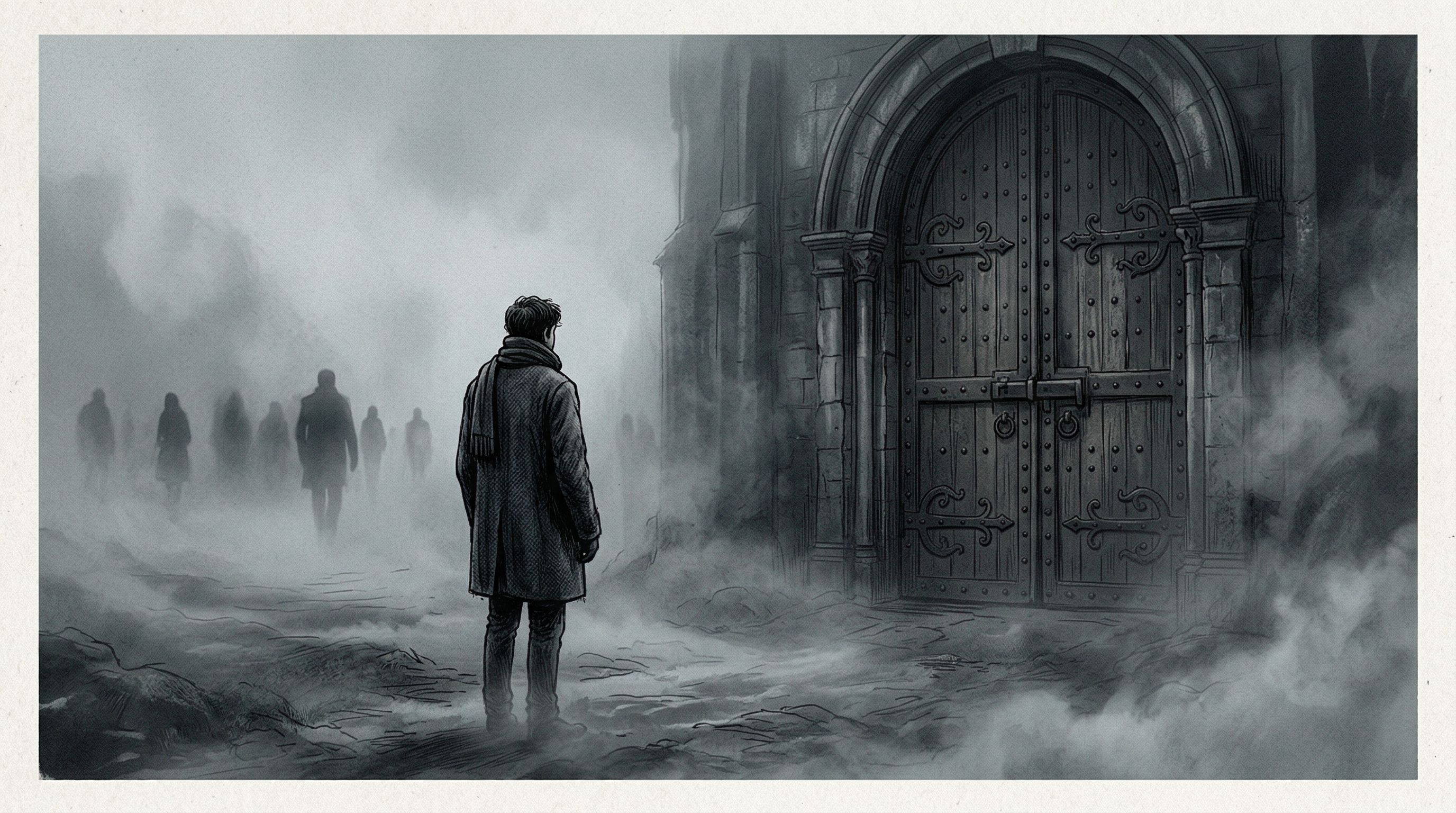
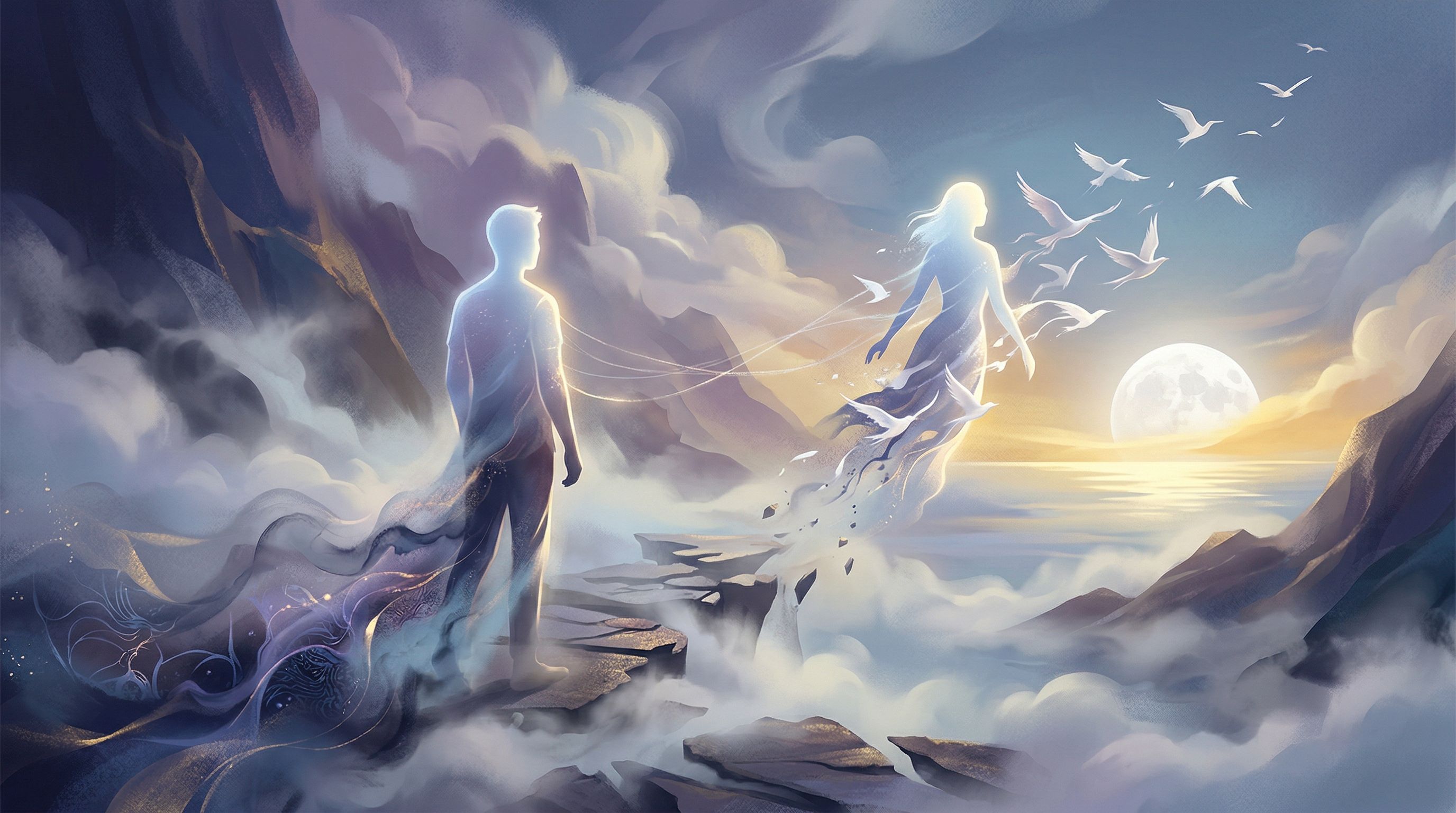
Sometimes, these figures feel as elusive as lingering ghosts drifting through the hallways of your memory. When they turn away, they aren't necessarily leaving you; they are showing you that the energy you are investing in that specific direction is, for the moment, misplaced.
We cannot force a door that has decided to stay closed. If you find yourself chasing a back that refuses to turn around, ask yourself: what part of my own life am I trying to force? Often, the most healing response to a turned back is to stop running and look at the path that lies in the opposite direction.
---
The Art of Leaving: When You Are the One Turning Away
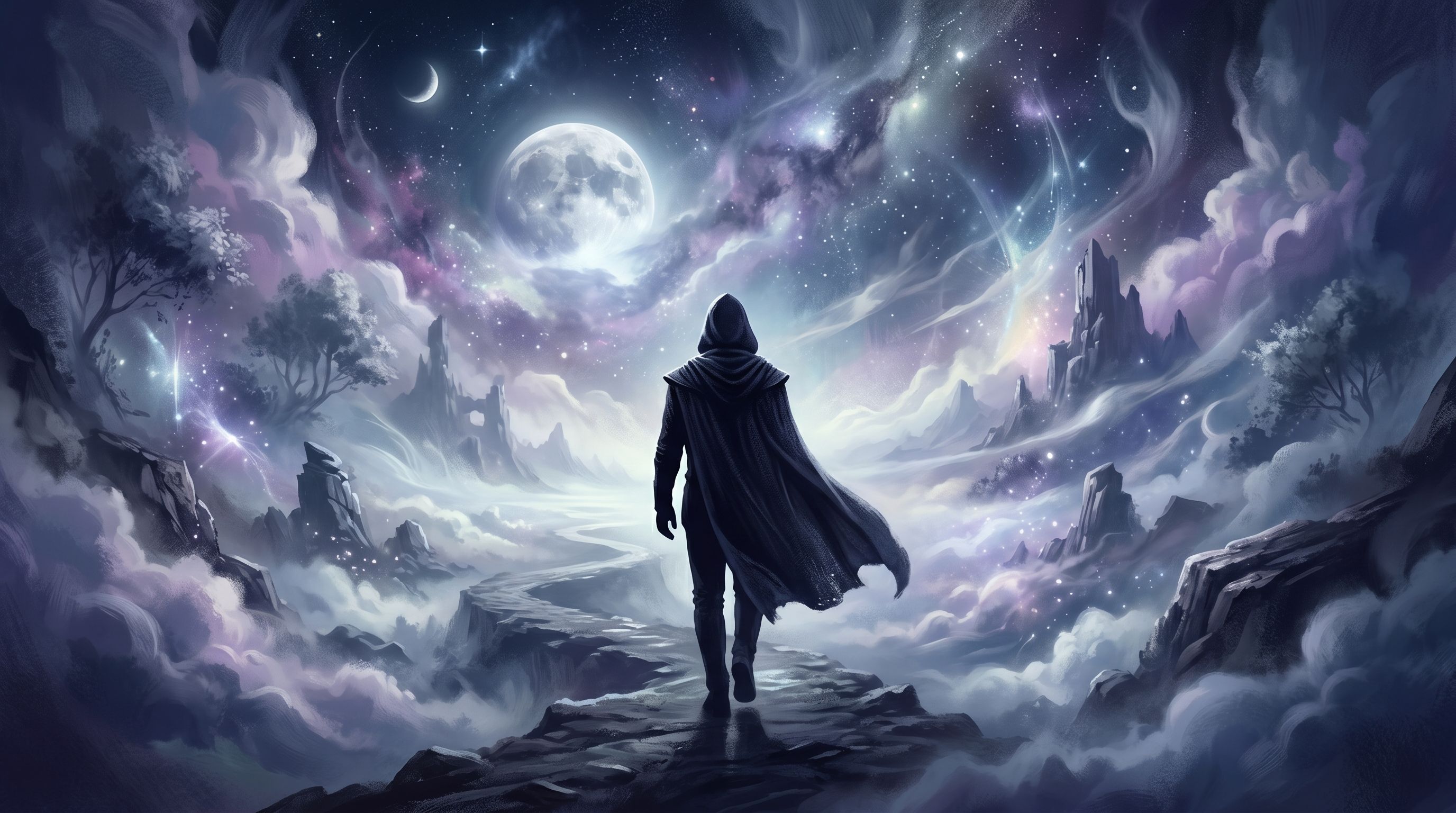
There is a quiet, understated nobility in the act of turning your back. It isn't always an escape or a sign of cowardice. In many cases, it is a profound act of wisdom and a declaration of peace.
I particularly cherish those dreams where a dreamer, after a long and exhausting struggle, simply decides to pivot and walk away. It is the exact moment they lay down their arms. If you are the one turning your back in your dream, you are likely acknowledging an end.
You are telling your subconscious: "I have seen this, I have understood it, and I no longer give it power over me." This is a crucial step in your personal evolution. By ceasing to face a conflict, you strip it of its fuel.
🌙 Yume's Echo: To turn one's back is not always to flee; sometimes, it is the only way to finally face the horizon.
Of course, the void ahead can feel more daunting than the chaos you already know. But it is in that empty space that I find the most vibrant dreams—the ones that carry the scent of rain on dry earth. You are making room for something new to grow.
---
The Symbolism of the Back: The Hidden Architecture of the Soul
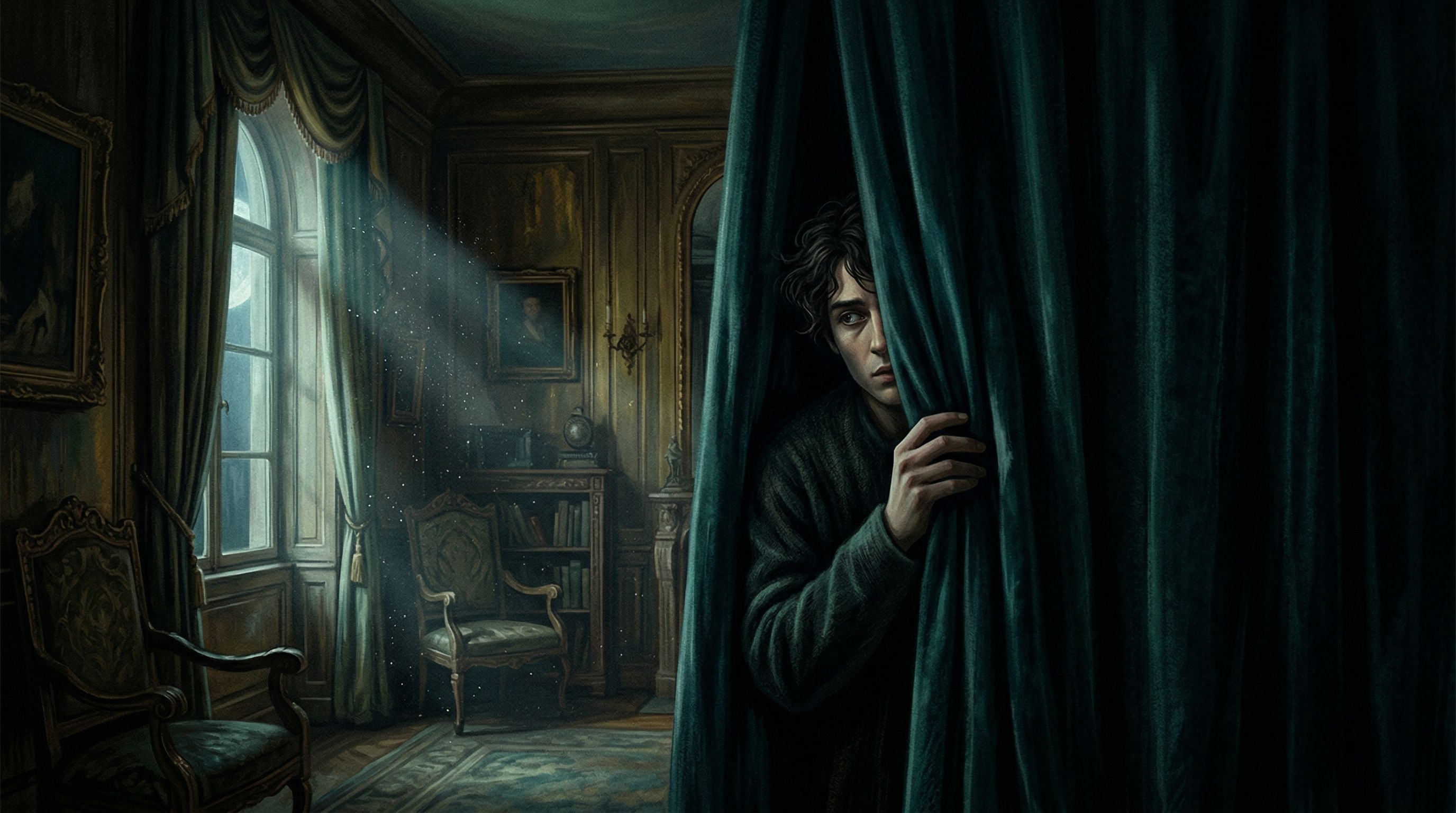
The back is your shadow zone, the part of your physical being that you can never truly see without the help of a mirror. In many cultures, it represents your history, your burdens, and the structural support of your life.
It is much like the hidden bones that provide the framework for your existence; you know they are there, but you rarely acknowledge their constant work. When a dream emphasizes the back, it is drawing your attention to what is happening "behind the scenes" of your waking life.
What truth are you trying to outrun? What responsibility is weighing on your shoulders, unseen but heavily felt? Some specialists in dream psychology suggest that the back represents our unconscious mechanisms—the things we do automatically to protect ourselves.
If you dream that you are turning your back to protect something held against your chest, you are in a state of incubation. You are nurturing an idea, a project, or a fragile emotion that isn't ready for the harsh light of day. This isn't denial; it is a sacred boundary.
---
Concrete Example: The High School Gala
Imagine you find yourself at a glamorous party, surrounded by people you haven't seen since your teenage years. Every time you approach a group to share a success or a story, they simultaneously turn their backs to you, continuing their conversation as if you were invisible.
Initially, you wake up feeling a deep sense of social failure and exclusion. However, as we look closer, we see a "use case" of your mind processing the past. The dream isn't about your current friends or your professional worth.
It is a manifestation of your psyche telling you that you are still seeking validation from a version of yourself that no longer exists. The people turning their backs are symbols of a past that has nothing more to offer you. By recognizing this, you can stop trying to join that "party" and focus on the people in your present who actually face you with open arms.
---
Navigating the Shadow: A Baku’s Final Thought
If this dream leaves you with a heavy, lingering feeling, I invite you to try a small ritual upon waking. Close your eyes and visualize the scene again. If someone was turning away from you, imagine yourself gently nodding to their back and walking in the opposite direction with a light heart.
Dreams are malleable, like incense smoke. You do not have to carry the bitterness of a fictional rejection into your waking hours. Your dream journal is a garden, and sometimes, you must accept that certain flowers have withered to make room for the next season's bloom.
Research suggests that the way we "re-script" our dreams can have a positive impact on our emotional regulation. You have the power to change the narrative.
Your dreams never seek to hurt you; they only point out the places where your heart needs to breathe a little more freely. If you wish to explore these nocturnal landscapes further and archive the symbols that visit you, your Baku is always waiting to help you map the journey.
As you drift off tonight, remember that even in the silence of a turned back, there is a message waiting to be heard. Sleep deeply, and may your shadows lead you toward the light.
In the dream realm, the physical coordinates of your body do not vanish; they morph. I often wonder why dreamers speak so vividly of the sudden coldness that strikes their shoulder blades the moment they turn away. It is as if the spine, acting as a lightning rod for your unexpressed anxieties, absorbs the temperature of the room you are leaving. When you turn your back, you expose your most vulnerable, unshielded meridian to the unknown. Yet, there is a secret warmth in this posture: whatever you are clutching to your chest—be it a quiet hope or a fragile truth—is suddenly protected from the wind. This sensory contrast is your body’s way of negotiating boundaries, reminding you that safeguarding what is essential always requires letting the cold air touch your shadow.
I once met a dreamer, a woman on the verge of a massive career shift, who kept dreaming of walking through a crowded terminal where every single person turned their back to her simultaneously. She woke up weeping, interpreting this as a sign of impending isolation. It frustrates me how quickly we jump to the most painful conclusions, assuming that a turned back equals abandonment. When we looked closer, she realized those figures weren't hostile; they were simply preoccupied with their own journeys. She was projecting her fear of navigating deep rejection onto these silent bystanders. By turning away from her, the crowd was actually granting her a strange, quiet permission to stop seeking their approval and finally focus on her own departure. Sometimes, the crowd must turn away so you can finally hear your own footsteps.
In certain old Daoist traditions, the back is treated as the "great shield," the mountain ridge of the body that meets the world first so the delicate valley of the chest can remain soft and receptive. I find this perspective incredibly beautiful, especially when contrasted with modern psychological dictionaries that lazily label every turned back as passive aggression. What if turning your back is actually a sacred alignment? By presenting your spine to a conflict, you are letting the chaos wash over your armor while keeping your heart space clear to face the empty horizon ahead. Honestly, even for me, the line between healthy self-preservation and fearful avoidance remains thin and misty. But maybe we don't need a definitive answer. Perhaps the dream is simply asking you to feel the strength of your own spine, trusting that it can carry the weight of whatever you must leave behind.