The Animal Isn’t a Beast; It’s a Mirror
Sometimes, as I prepare to devour a nightmare that has grown too dark, I see dreamers struggling to pull a bird from a pool of oil or free a dog trapped in rubble. People often ask me: "Yume, does this mean I'm going to become a veterinarian?" or "Is my cat okay?" I smile softly because the subconscious is far more poetic than that.
In the theater of your nights, every creature is an extension of your own psyche. Saving an animal is an act of self-compassion. But be careful—I’m not a fan of simplistic interpretations that say "saving a dog = a friend will help you." It’s much more visceral than that. The animal represents your instinctive side—the part that doesn't speak with words, but with needs, fears, and desires.
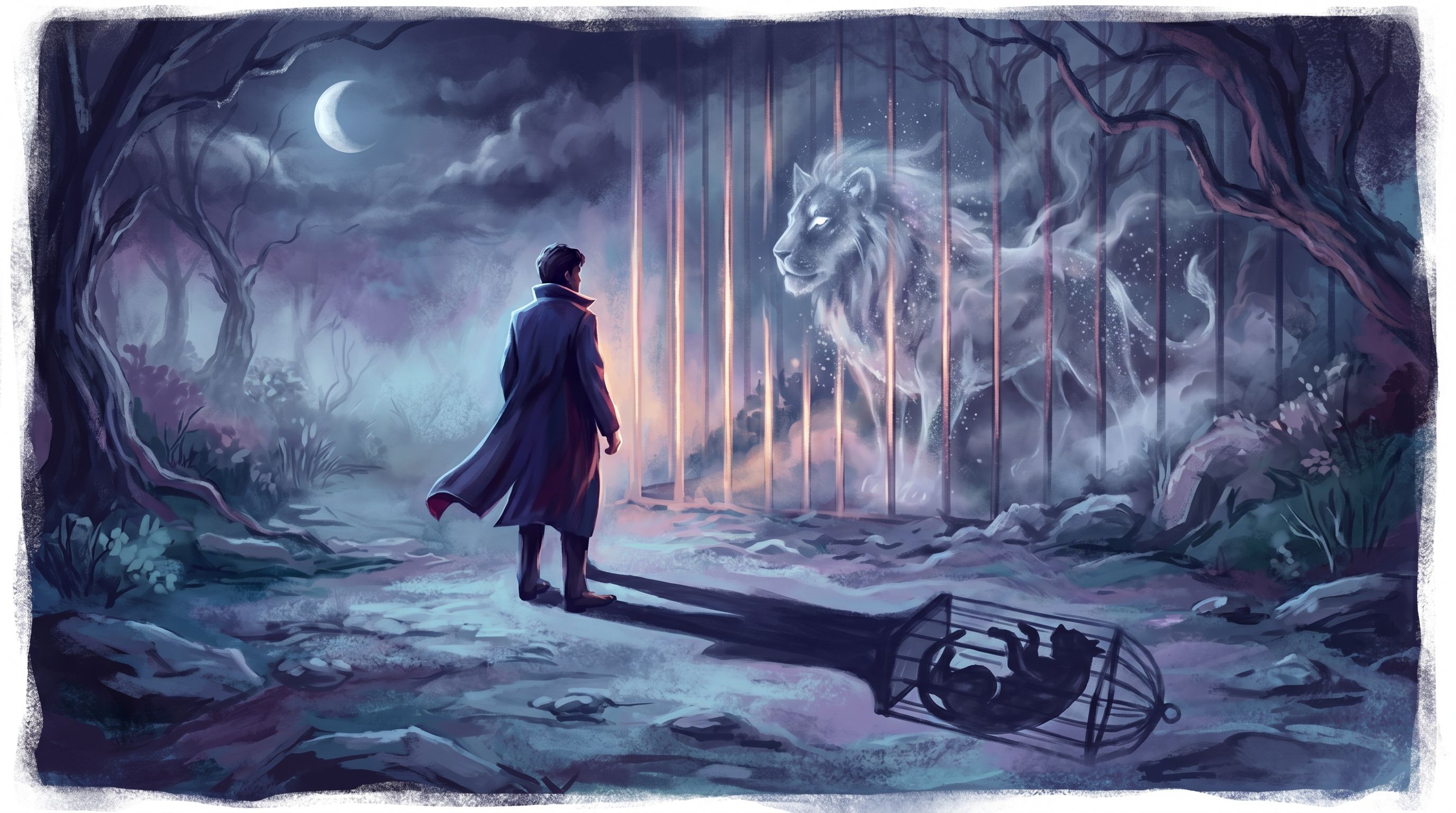
If you save a wild animal, like a fox or even something darker resembling inner impulses, you are likely in the process of accepting a part of yourself that you previously judged as "too much" or "uncontrollable." You aren't taming it; you are saving its life. It’s a beautiful nuance: you are acknowledging that this wild force has the right to exist within you.
Honestly, this symbol has fascinated me for millennia. It shows that humans, despite all their technology and logic, have a vital need to preserve their connection to nature. When you save that animal in your dream, you are telling yourself: "I will not let my sensitivity die under the weight of responsibilities."
What You're Rescuing
When you save an animal in a dream, you are protecting a part of yourself—the instinct that creature carries. A dog holds your loyalty; a bird, your freedom; a wolf, the wild strength you feared to own. Saving it means your waking self is trying to shield a faculty—intuition, play, anger, tenderness—from burnout, shame, or external pressure. The creature's condition (trapped, drowning, caged) names how that faculty feels right now.
What the Body Is Trying to Whisper to You
I sometimes see dreamers saving animals with terrible anxiety, a fear of not arriving in time. This urgency isn't a coincidence. It often takes root in a visceral feeling that you ignore during the day. Your body knows before your head does that you are sacrificing your instinct to please others or to keep up an exhausting pace.
The animal in distress is your suffocating intuition.
Look closely at the kind of animal you rescued:
A bird: This is likely your need for freedom or your creativity that was falling to the ground. By picking it up, you are trying to give your projects some air again.
A pet: This often relates to your emotional relationships, your need for security and tenderness—simple things we sometimes forget to nourish.
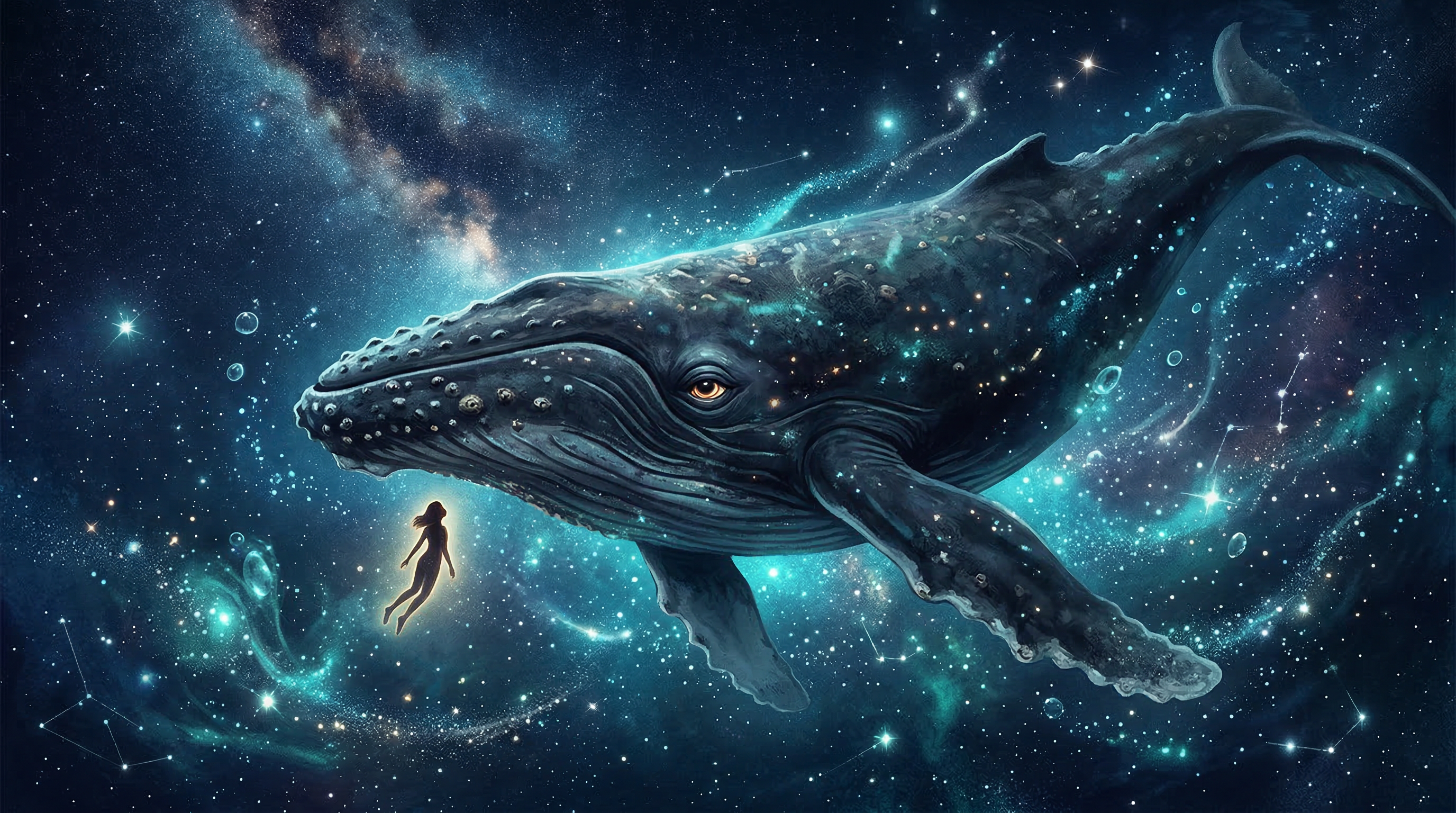
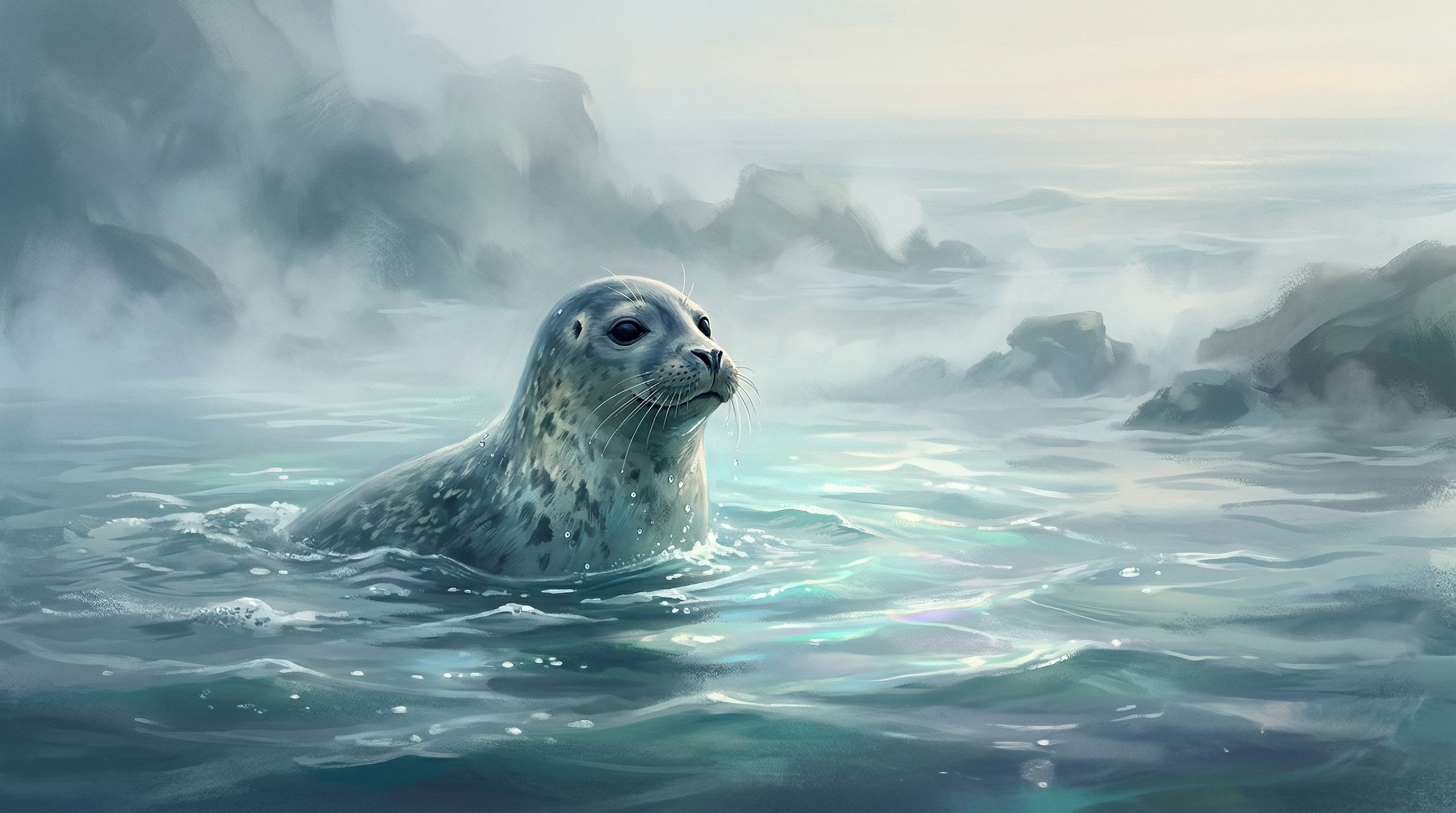
A sea creature: Here, we touch upon deep emotions. Saving a fish out of water is an attempt to bring life back to a part of your existence that has become too dry, too intellectual.
I once met a dreamer who was constantly saving kittens from fires. She was exhausted in her waking life from taking care of everyone. I suggested to her that these kittens weren't the people she was helping, but her own vulnerability she was trying to protect from the "fire" of her burnout. She cried because she realized the only person she never saved was herself.
And What if the Rescue Fails?
This is where my role as a Baku becomes delicate. Some wake up in tears because they couldn't save the animal. They feel guilty, as if they failed a sacred mission.
Let me tell you something with all the wisdom I’ve gathered in the liminal spaces: a dream is not a sentence. If you couldn't save the animal, it doesn't mean a catastrophe is coming. It might mean it’s time to let go of an old habit, an old instinct that no longer serves you. Sometimes, the "death" of an animal in a dream is the birth of a new maturity. It is painful, certainly, but it is a shedding of skin.
I cannot stand dream dictionaries that point to these failures as bad omens. Dreams are a training ground. By failing to save this being, your mind is exploring loss so that you can be stronger in the face of real-life changes. It is a message of resilience, not a threat.
My advice, if this dream returns to haunt you, is not to analyze it with too much coldness. Instead, ask yourself: "Which part of me currently feels trapped or in danger?" The answer won't come from your brain, but from a shiver, an emotion, a memory. Dreams are intimate conversations, not logical puzzles.
Don't forget that you are the guardian of your own inner garden. The animals that roam there are your allies, even the fiercest ones. By taking care of them at night, you learn to walk with more balance during the day.
I once met a dreamer who spent her nights desperately trying to pull a snarling, wounded predator out of a frozen trap. She was terrified it would bite her the moment it was freed. This paradox is where the magic lies: we often save the very things that frighten us. In old animist traditions, an animal in distress isn't a victim; it's a forgotten protector. By reaching your hand into the dark to pull it out, you are initiating a dialogue. It is a slow, quiet process of understanding your instincts again, even when they speak in growls instead of human words. Don't fear the sharp teeth of the creature you rescue. Sometimes, you need that wildness to bite back at a life that has become too clinical, too polite, too small for your soul.
Have you noticed how heavy the animal feels in your arms during these nights? Sometimes, the dream isn't just about the heroic rescue; it’s about the exhausting weight of carrying it to safety. I see this weight manifest in dreamers who are going through grueling life transitions—leaving a toxic relationship or carrying the silent grief of a lost era. You might feel a desperate urge to save every broken thing in your sleep because you feel powerless in your waking hours. It is a projection, quite similar to healing someone else when your own body is crying out for rest. If you woke up with aching shoulders, ask yourself honestly: are you saving the beast, or are you using its distress to avoid looking at your own deep exhaustion?
If these nocturnal encounters with the animal world leave you with lingering questions, you could start noting the details of their fur or their gaze in a dedicated journal. It’s a way of telling them that you’ve heard them. In the Midnight Mind app, we’ve created a special space where you can collect these symbols and even sketch these rescue scenes to better integrate them. Because deep down, every animal saved is a small victory over the shadows.
Sleep in peace, little dreamer. The messages of your nights are gifts, even if they sometimes arrive in slightly crumpled packaging.