The Sap of the Soul: Between Vitality and Exhaustion
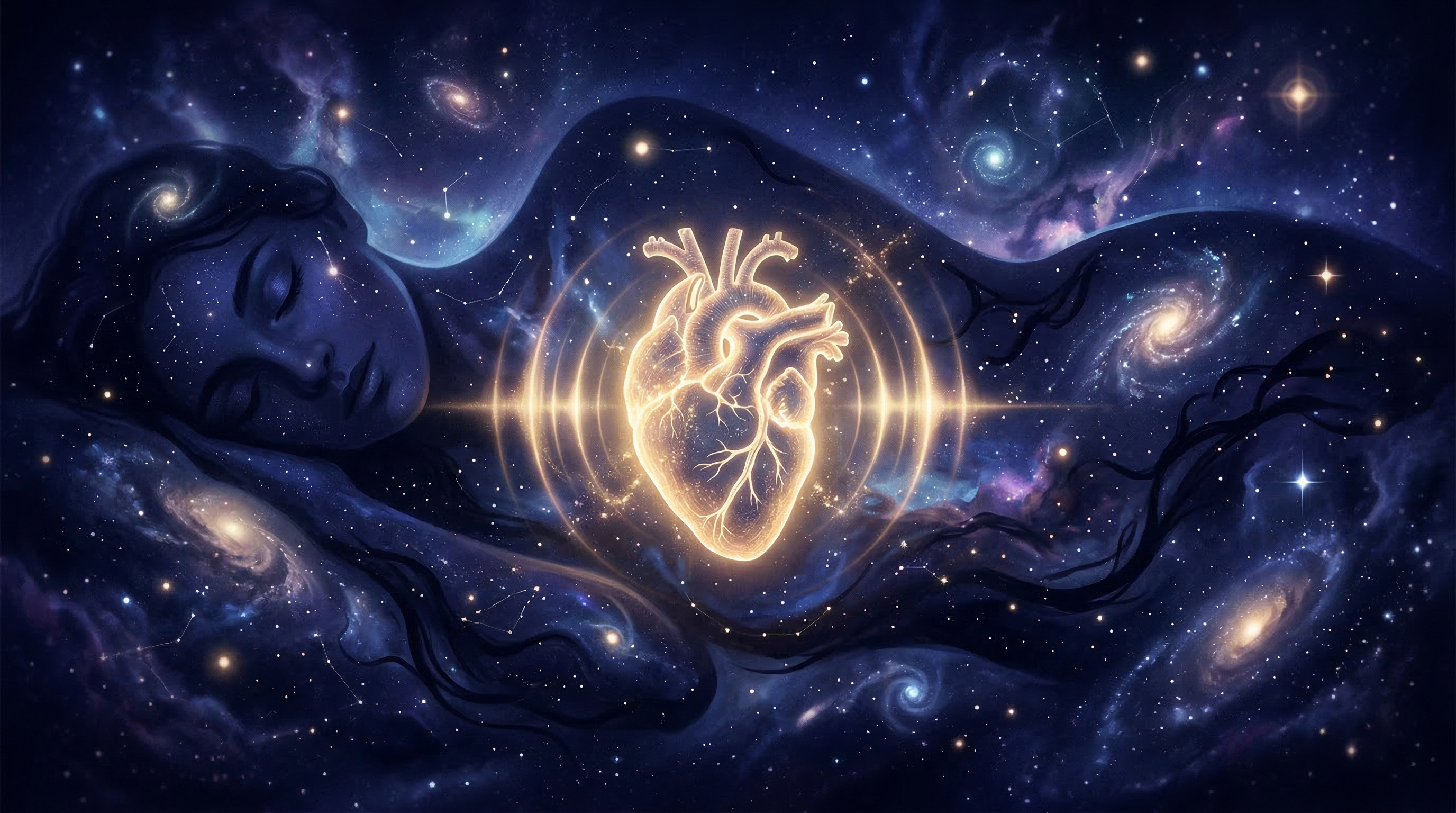
I must confess something to you: as a Baku, I find these dreams particularly dense and meaningful. They have a metallic, deep flavor—a weight that other dreams lack. To me, blood is not a synonym for the end; it is liquid light, the very fuel of your existence. When you see it flowing, the first question your subconscious is asking you is this: is your energy escaping you against your will, or are you offering it up too freely?
In the realm of psychology, many specialists suggest that blood represents our "psychic fuel." If you see it leaving your body, it often mirrors a feeling of being drained in your daily life. You might be giving too much at work, wearing yourself out for others, or simply forgetting to replenish your own reservoir. It is as if your spirit is showing you a leak that needs to be plugged.
I often see dream dictionaries claim that "seeing blood means a betrayal." I find this vision far too narrow and unnecessarily anxious. Your soul is more complex than a simple formula. Blood is your vitality; if it flows without stopping, it simply means you have left a door open to something—a relationship, a habit, a thought pattern—that no longer nourishes you.
---
The Geography of the Flow: Where Your Life Escapes
The place from which the liquid flows radically changes the color of the message your subconscious is sending. Your mind is never random with its imagery; it uses the color red because it is the only hue that forces you to look, compelling a sense of urgency that you might have suppressed during the day.
If blood flows from your hands, it often relates to your "grasp" on the world. Are you letting opportunities slip through your fingers? Or perhaps you feel that your actions are no longer effective. If it flows from your mouth, it might be a sign that your words have a price, or that you are holding back truths that have started to hurt you from the inside.
🌙 The Echo of Yume: The blood that flows is not a loss, it is a language. It simply asks you: "Where did you stop protecting yourself?"
Sometimes, this flow is actually a relief. If, in your dream, you feel a sense of peace while watching the liquid depart, it is a beautiful metaphor for cleansing. You are shedding a weight, much like leaving the battlefield after a long conflict. You are accepting your vulnerability and letting the "old" versions of yourself wash away.
---
Concrete Example: The Case of the Invisible Wound
Consider the story of a young architect who frequently dreamed of blood seeping through his shirt, though he could never find the source of the wound. In his waking life, he was taking on the emotional burdens of his entire team, acting as a shield for everyone else's stress.
The dream wasn't predicting an accident; it was visualizing his emotional hemorrhage. Once he recognized that the "blood" was his own time and peace of mind being sacrificed for others, the dreams stopped. He didn't need a bandage; he needed boundaries. He realized he was being followed by a shadow of his own making—his inability to say "no."
---
Embracing the Crimson Tide
My dear dreamer, do not fear this vermilion liquid. It is a vibrant, albeit startling, reminder that you are alive, that you are sensitive, and that your energy is precious. Your subconscious isn't trying to frighten you; it is trying to save you from a slow exhaustion that you haven't yet acknowledged.
The exact interpretation remains a mystery that only you can truly solve. Is the red in your dream dark like wine or bright like the dawn? Is it fluid or thick? These details are the spices of your inner world. Do not neglect them by seeking a single, cold answer. Instead, take the time upon waking to breathe and ask yourself: "Where do I need to be more gentle with myself today?"
It is by tending to your own source that you will eventually stop the leak. If you want to explore your dreams more deeply and track these symbols over time, your Baku is waiting for you.
Have you ever noticed how the temperature of the blood in your dreams changes everything? Sometimes it is thick, sticky, and unnaturally cold—a sensation that always leaves me slightly unsettled when I taste the remnants of such nightmares. Cold blood in the dreaming world is rarely about physical injury; it is a whisper of emotional detachment. It is the chill of a part of your life that has gone numb, perhaps because you have frozen your feelings to survive a harsh winter of the soul. Warm, steaming blood, on the other hand, is a fierce, almost angry reminder of your passion. It is your instinct boiling over, protesting against the straightjacket you have forced it into during your waking hours. This tactile contrast is far more telling than any generic dream guide could ever hope to explain, reminding you that your body’s wisdom is incredibly precise.
I once met a dreamer, an illustrator, who came to me exhausted by a recurring vision of her fingertips dripping with crimson ink. She was convinced she was failing her art. In truth, she was overextending her creative spirit, pouring her deepest essence into commercial work that left her completely hollowed out. It was a slow, quiet depletion, much like discovering a leak in a hidden pipe. When your creative well runs dry, your unconscious does not always show you an empty room to represent the void; instead, it uses the visceral shock of bleeding to force your attention back to your own boundaries. You cannot feed others from a cup you constantly drain. That dream was her soul’s way of begging her to stop giving away her light to projects that did not respect her fire.
There is a strange, haunting paradox in dreams where we watch ourselves bleed but feel absolutely no pain. It is a highly specific form of dissociation. Honestly, this phenomenon fascinates me because it reveals the incredible protective walls your mind builds. When you see your own blood flowing and feel only a detached curiosity, your subconscious is showing you that you have separated your intellect from your feelings. You might be going through a crisis—perhaps a difficult separation or a professional betrayal—and telling everyone that you are fine. But your spirit knows better. It shows you the wound to remind you that just because you have numbed the pain doesn't mean you aren't hurting. It is a gentle invitation to stop hiding from your own grief, before you find yourself dreaming of a body falling apart.
It gently agitates me when modern interpretations wrap these dreams in cloaks of guilt, sacrifice, or ancient biblical sins. We are so quick to associate the crimson tide with punishment, as if dreaming of blood means you have failed some moral test. What a tired, dusty way to look at the human spirit! Your unconscious is not a puritanical judge looking to punish you. When it brings forth the image of blood, it is reaching for the most primal, ancient language it possesses—the raw, unfiltered vocabulary of the flesh. It bypasses your intellectual defenses because words have failed you. It is not a symbol of sin; it is a somatic cry for balance. Let go of the need to find guilt in the red, and instead, listen to it as a song of preservation, a call to return to your natural rhythm.