The cutting shadow: when the end disguises itself as danger
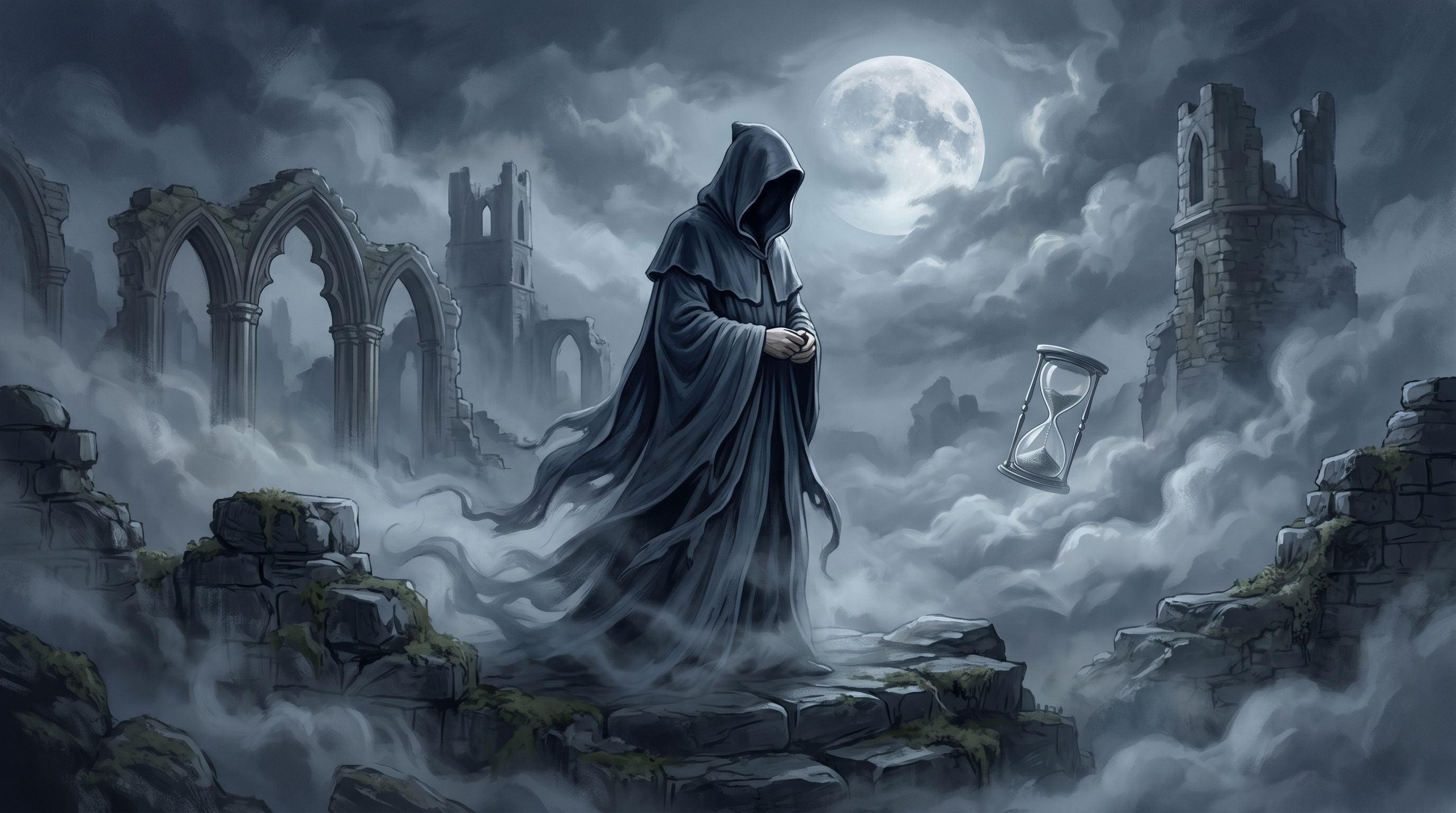
I see so many dreamers coming to me, eyes wide with fright, convinced that physical danger awaits them because they crossed paths with a hitman in their dreams. Let me tell you one thing: the mind is a somewhat excessive playwright. It doesn't always know how to whisper; sometimes, it screams. The assassin, in the theater of your nights, is the symbol of a brutal end. It is the "death blow" delivered to a version of yourself that no longer has a place.
Honestly, I find dream dictionaries that speak of "physical death" or dark omens to be distressingly lazy. They forget that the dream is a symbolic space. The assassin is the one who carries out a task you do not dare to accomplish yourself. It is a bit like when your mind uses the image of a scavenger like the vulture to clean up what is already dead within you; the assassin, however, intervenes on what is still alive but must cease.
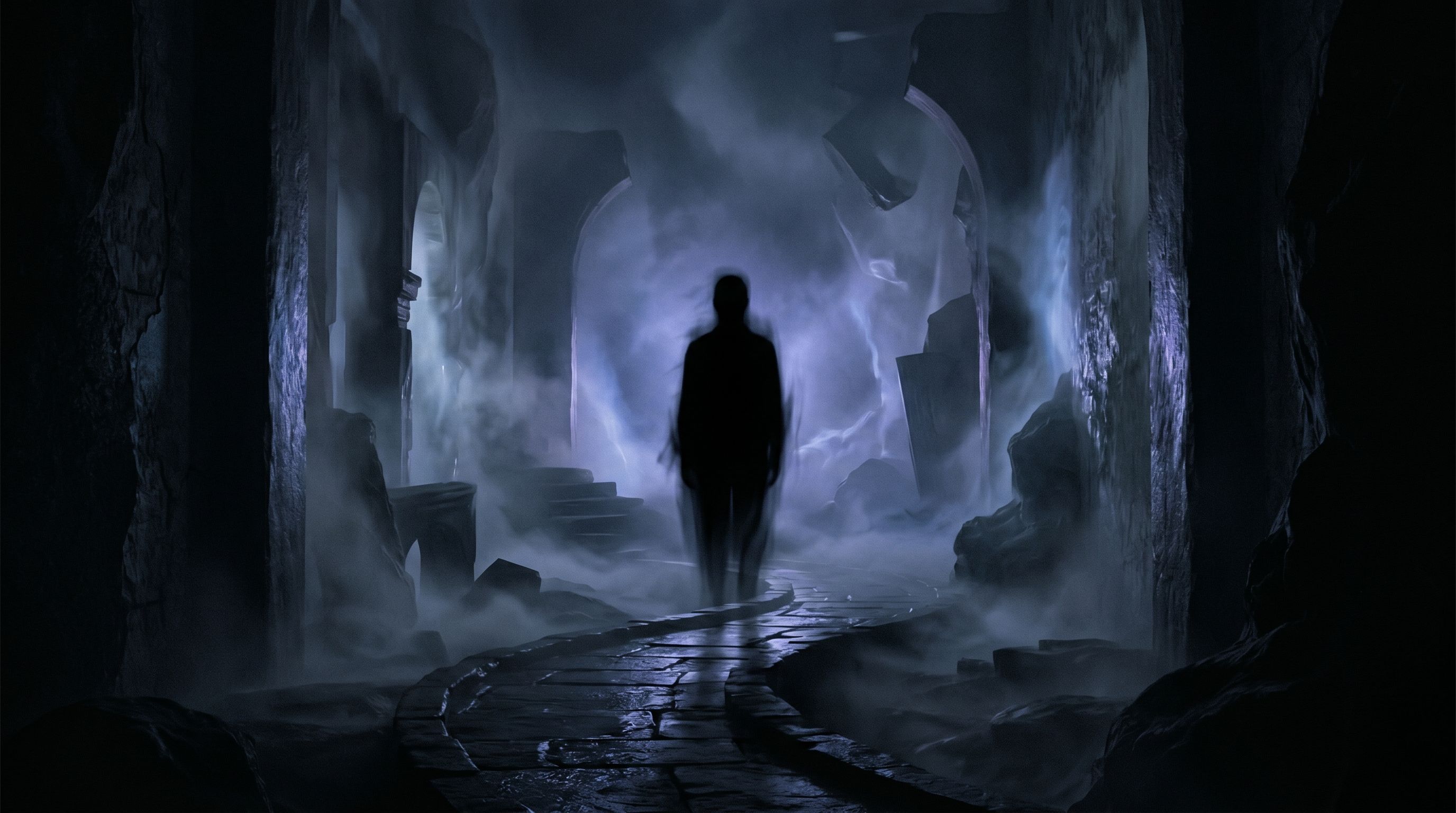
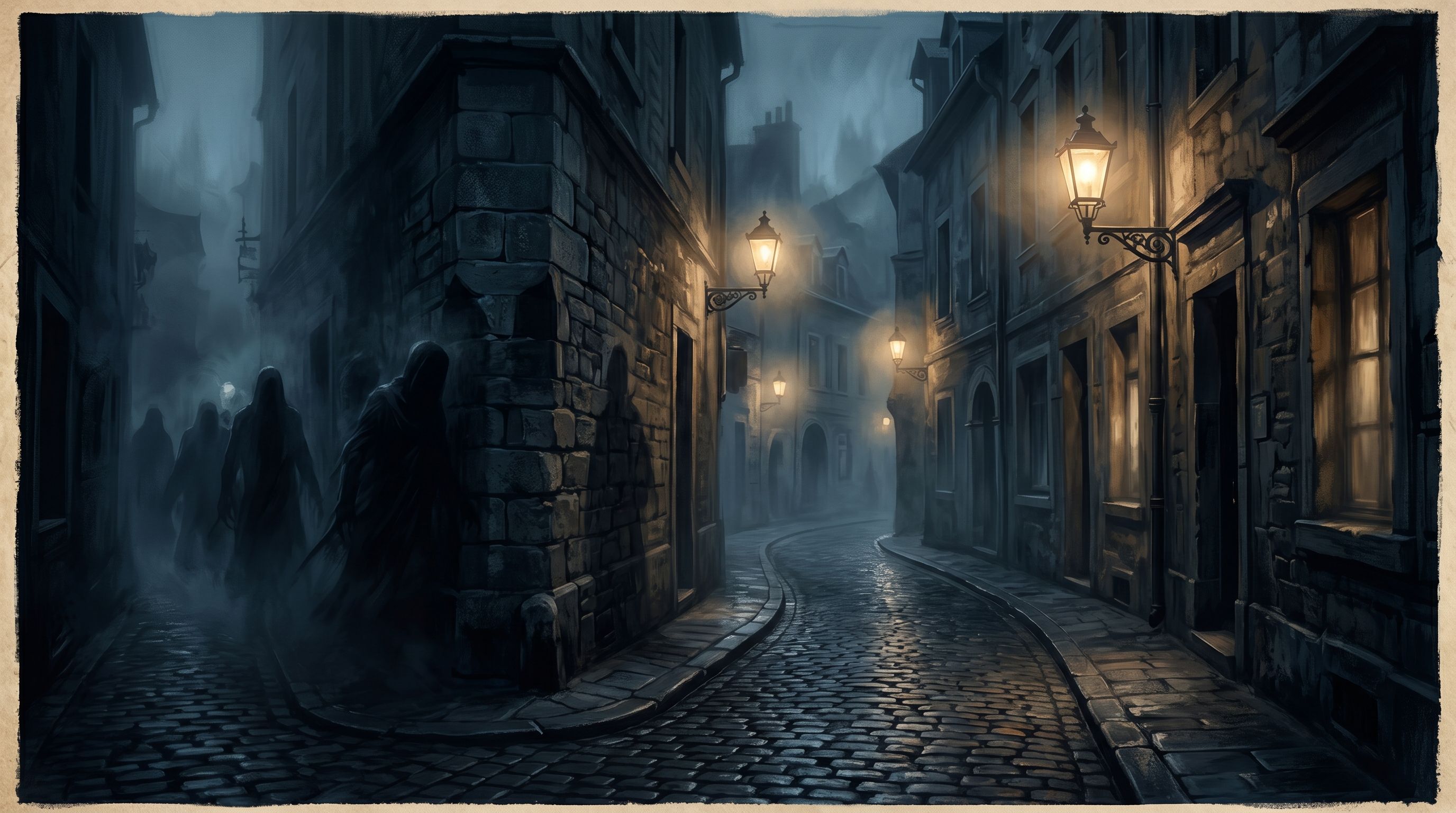
I often hear stories where the assassin has no face. It is a silhouette, a pure intention. This evokes that visceral fear we all have when facing the unknown of change. Do you feel like you are losing control over an aspect of your life right now? As if someone, or something, were acting behind your back to sabotage your efforts? Sometimes, this saboteur is simply your own need for renewal taking guerrilla methods to make itself heard.
The face beneath the mask: who is killing whom?
We must look closer at the identity of this nocturnal executioner. The wisdom of the dream is not hidden in the act of killing, but in the relationship between the hunter and the prey.
If the assassin is a stranger, they generally represent an external force—an imposed career change, a breakup you feel coming—that seems threatening because it escapes your will. You feel like a target. But if, by chance, the assassin is someone you know, the situation changes. This does not mean that person wishes you harm! Rather, you are projecting onto them a quality or influence that "kills" your fulfillment.
And what if you were the killer? Oh, don't look away. It is a fascinating position. Dreaming that you carry the blade is often a sign of repressed anger or a radical decision you are finally ready to make. You are removing a behavior that serves you poorly, much like neutralizing venom after crossing paths with a scorpion on your journey. It is an act of psychic surgery—violent, certainly, but sometimes vital.
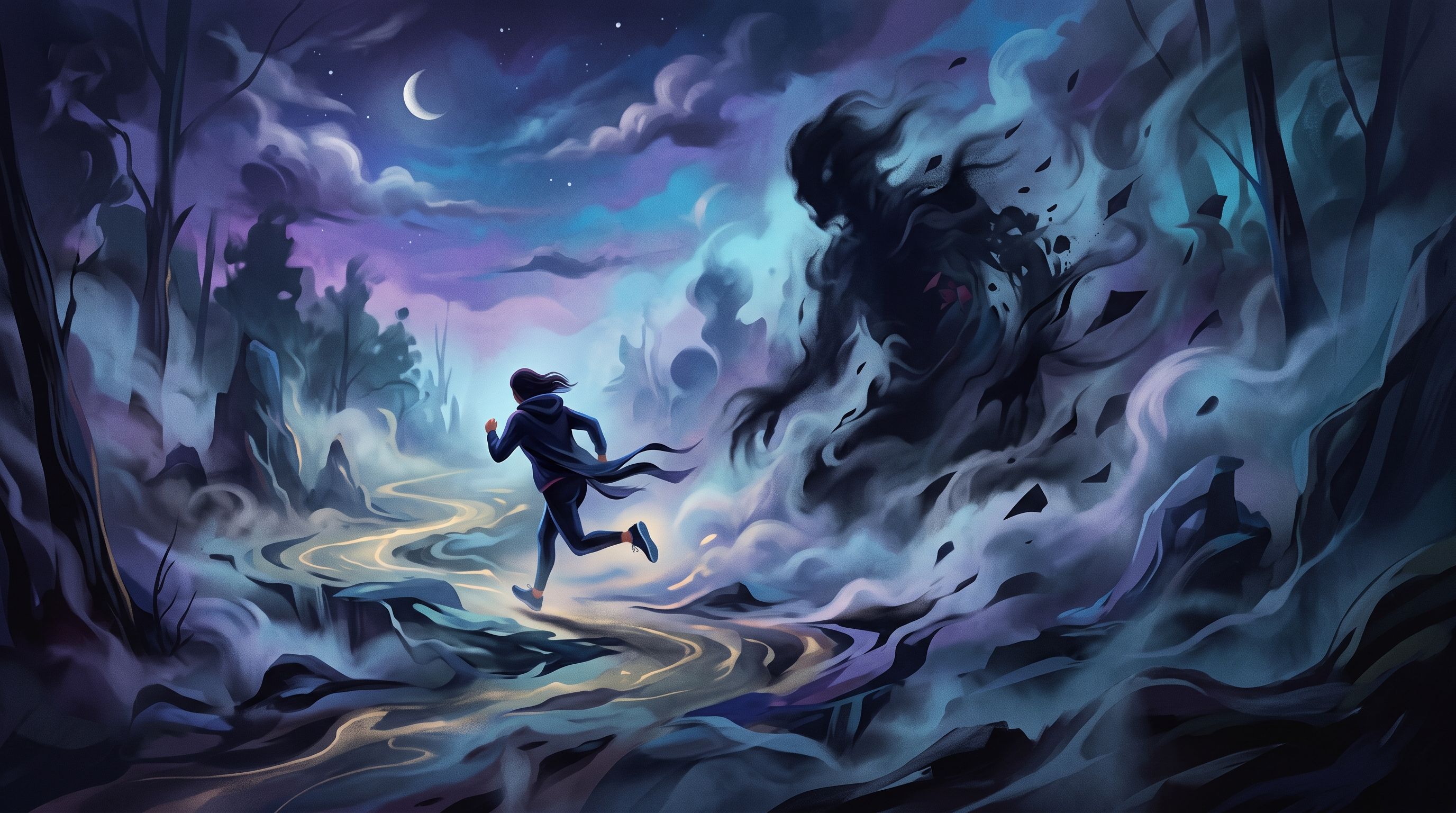
I remember a dreamer who told me she was chased every night by a man in black in a narrow alley. She was terrified. By talking, we realized this assassin wore the clothes of her former job, a position she hated but didn't dare leave. Her subconscious wasn't trying to kill her; it was trying to kill the resigned employee she had become to make room for the free woman she aspired to be. Once she resigned, the assassin disappeared from her nights. He had finished his work.
Interpretation is never an exact science, and I too sometimes doubt in the face of complex symbols. But stay attentive to the dominant emotion. If it is anger, the assassin is a liberation. If it is terror, it is a resistance to change. Your mind never seeks to hurt you; it seeks to wake you up, even if it uses a film noir scenario to capture your attention.
So, the next time you feel that presence in the shadows of your dream, try, if you can, to turn around and ask: "What have you come to finish for me?" You will be surprised to see that, very often, beneath the mask of the assassin hides an opportunity for rebirth that you hadn't yet dared to consider.
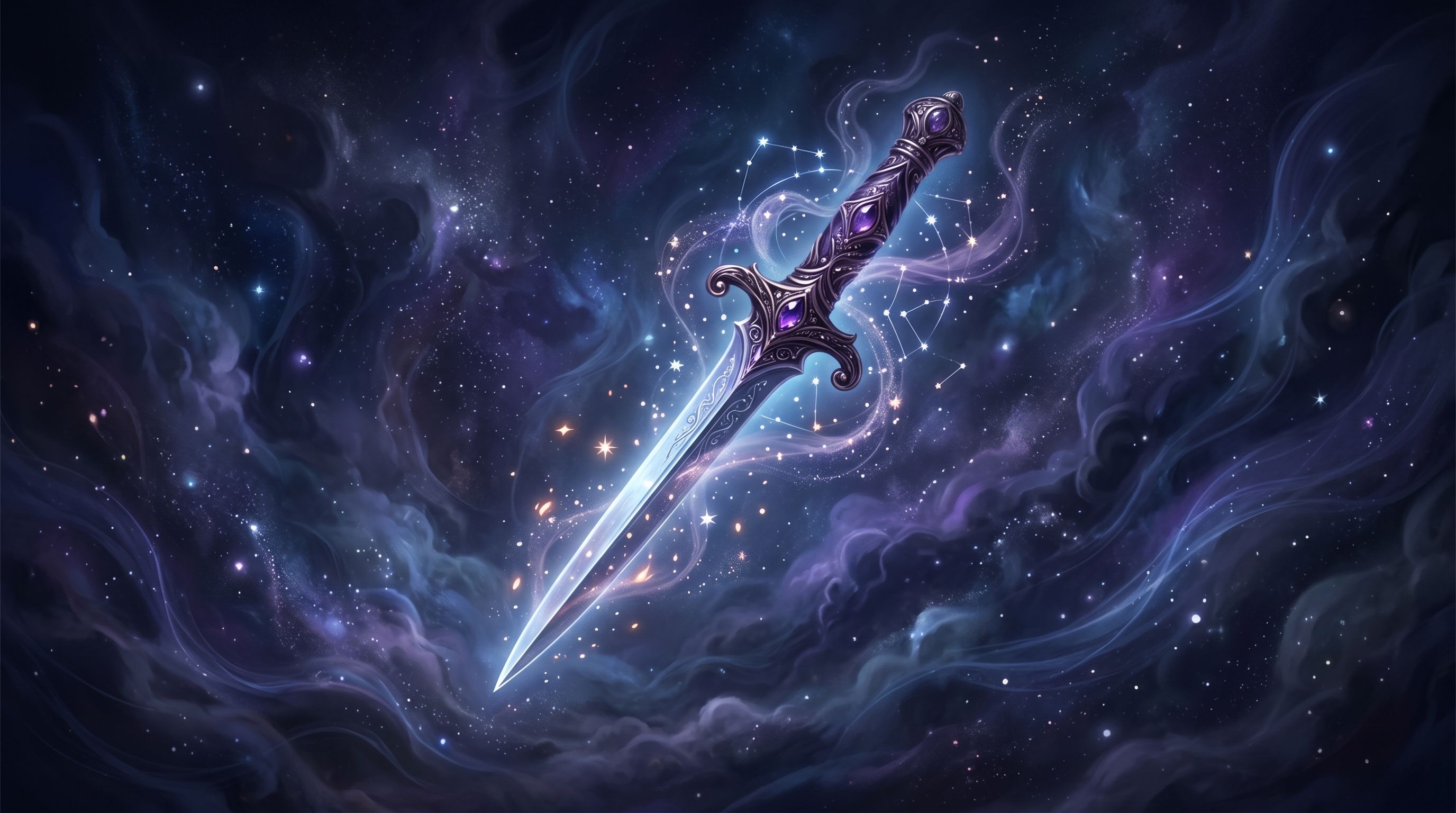
Have you noticed how quiet these dreams usually are? There is rarely a soundtrack to an assassination. No dramatic music, no warning rustle—just a sudden, heavy silence that settles over the scenery like winter frost. I have always found this sensory emptiness deeply telling. When the subconscious prepares to sever a tie, it does so in absolute secrecy, bypassing the noisy chatter of your conscious mind. The weapon itself matters too. If it is the cold steel of a blade, the change is precise, surgical, and deeply personal. It is an intimate kind of ending. Unlike a chaotic explosion, an assassin's strike is deliberate. It requires proximity. Your mind is forcing you to stand incredibly close to the very thing you need to let go of, making sure you don't look away from the finality of the cut.
In some old Eastern teachings, there is a beautiful, albeit fierce, appreciation for the sword that cuts down illusion. They don't view the executioner as evil, but as a crucial agent of liberation. Honestly, I wish Western dream theory would embrace this a bit more instead of panic-analyzing every dark figure. Sometimes, the shadow in your dream is acting as a sacred boundary keeper. I once watched over a dreamer who dreamt of being poisoned by a silent assassin in a crowded teahouse. She woke up weeping, but within weeks, she found the courage to sign the papers for grieving an ended relationship that had slowly drained her spirit for a decade. The poison in the dream was already inside her waking life; the assassin merely made the invisible toxicity visible. It was a mercy, disguised as a threat.
But what if the target isn't a bad habit, but your own potential? This is a paradox that still makes me sigh when I wander through midnight minds. Sometimes, we unconsciously hire our own assassin because we are utterly terrified of our own success. It is far easier to let a shadowy figure murder your new project, your art, or your ambition in the safety of a nightmare than it is to step into the light and risk failing publicly. It is a defense mechanism of the most tragic kind. You become the client who paid for the hit on your own future. If you feel a strange sense of relief when the blow finally falls in the dream, ask yourself honestly: what beautiful, terrifying responsibility were you trying to escape?
Your nights are a secret garden where even the shadows have a purpose. Let me help you sort through these visions and transform your fears into wisdom. If this masked face continues to haunt your sleep, perhaps we could add it to your logbook to understand, together, what it is trying to whisper to you. On the Midnight Mind app, you can sketch the characters that inhabit your nights and transform your nightmares into a revealing comic strip, so that the assassin's blade is nothing more than a paper memory.