The Architecture of the Crossing: Why Does Your Mind Build Bridges?
Sometimes, when I settle by a dreamer's bedside, I see immense bridges—concrete structures that seem to defy the laws of physics. Other times, they are simple braided ropes, fragile, swaying with an invisible wind. I’ll be honest with you: I don’t care much for interpretations that claim "a solid bridge means you will succeed." That is far too simplistic.
The bridge is, above all, a passage. It is your subconscious mind's response to a blockage. If you feel stuck in a situation, your spirit, in its great wisdom, projects this structure to show you that a way out exists. But this exit requires effort. Unlike a dream where you find yourself in a hallway, where walls guide and protect you, a bridge is open to the elements. There are no walls to hold you back if you choose to look into the void.
This is where the magic (and the terror) of this symbol lies. To cross a bridge is to accept being vulnerable for a moment. You are no longer on the shore of the "known," and you haven't yet reached the solid ground of the "new." You are in the in-between. It is a sacred space, much like when we agree to stay in a hotel: we know it is only temporary, but that is where the deepest decisions are often made.
The Nuances of Crossing: From Fear to Release
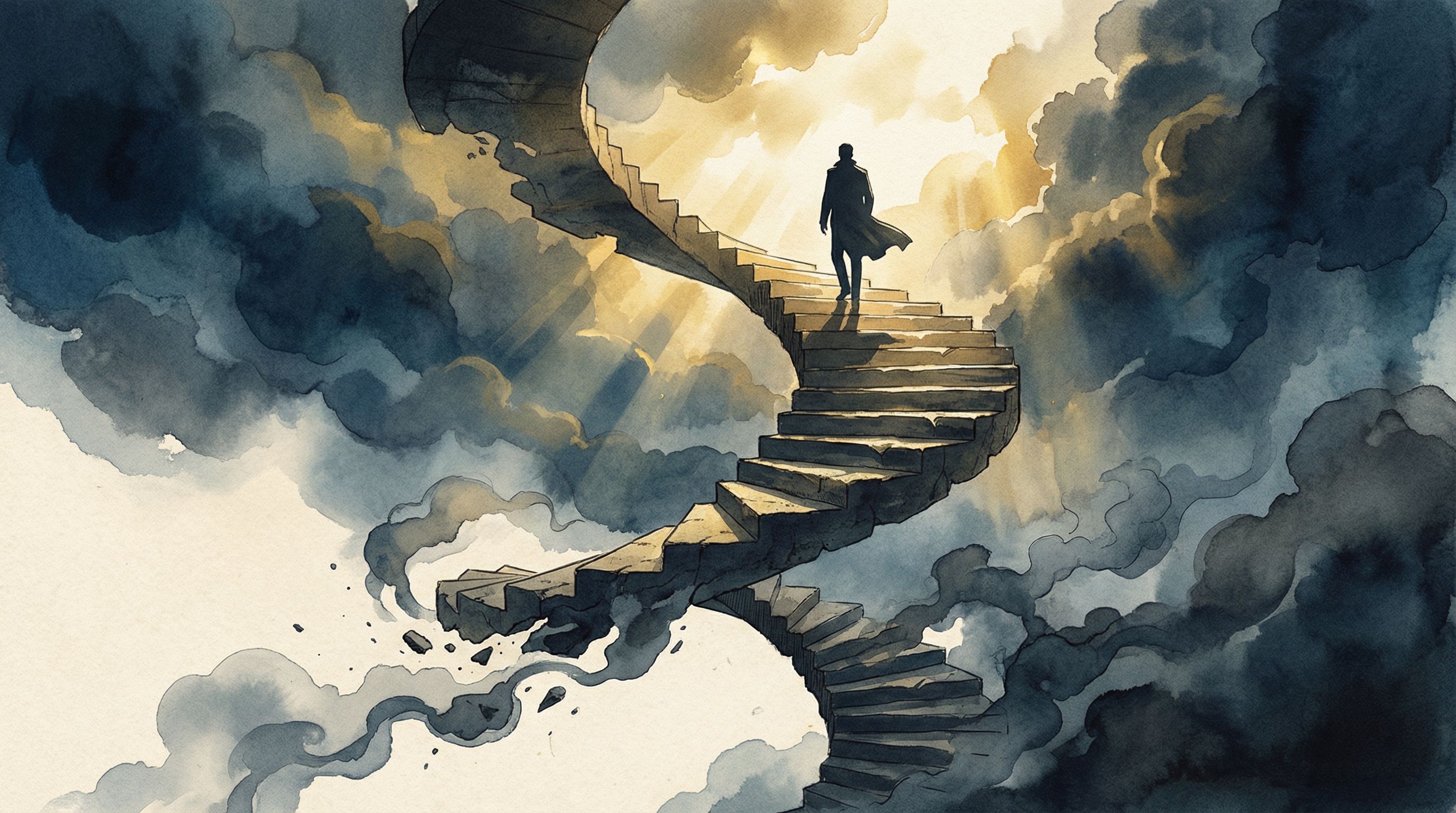
I have often heard dreamers tell me, their voices trembling, that their bridge was collapsing. "Yume, does this mean I am going to fail?" they ask. Not at all. A bridge breaking behind you is sometimes your subconscious burning its ships to keep you from turning back. It is a brutal way, admittedly, but an effective one to tell you that the past is now inaccessible.
Here are a few variations I frequently observe:
The bridge that never ends: You walk, you run, but the opposite shore seems to drift further away. This is often a sign of a transition that you aren't quite ready to complete yet. Perhaps you are over-intellectualizing your change instead of experiencing it with your heart.
The rope or suspension bridge: This represents emotional instability. You are trying to move on, but your foundations (your beliefs, your support systems) feel precarious. This isn't a warning of a fall, but a request from your mind to slow down and check every step.
Meeting someone on the bridge: Ah, these encounters are fascinating! A bridge is a place where paths cross. If someone blocks your way, they often represent a part of you that resists change. If they accompany you, they are an allied force you hadn't yet identified.
Honestly, what fascinates me most after centuries of observing your nights is the color of the water under the bridge. If the water is clear, the passage is being made with awareness. If the water is muddy or raging, the transition is being driven by emotions you have long ignored. The bridge is only there to keep you from drowning in that tumult until you reach a more stable shore.
The Message of the Bakus: Befriending the Void
If there is one thing I would like you to remember, it is that a bridge never manifests by chance. It appears when a part of you is ready to grow. The vertigo you feel in the dream isn't a threat; it’s a sign that you are alive, that you are evolving.
I am not a fan of guidebooks that say you absolutely must reach the other side. Sometimes, the mere act of placing a foot on the bridge is an immense victory. It means you have accepted the idea of change. It is an act of spiritual bravery. If you wake up before reaching the other shore, do not be disappointed. Your mind is simply practicing. It is getting used to the idea of the passage.
Look upon your bridges with tenderness. Even if they are old, rusty, or swaying dangerously, they are there to serve you. They are proof that you are not standing still.
Did this crossing leave you with a taste of fear or a sense of freedom? If the image of this bridge remains etched in your memory upon waking, do not let it evaporate. It is an essential puzzle piece for understanding your current trajectory. Take the time to draw or note the details of this bridge, for they are the map of your inner evolution.
Honestly, it sours my mood when cheap dream dictionaries focus only on the structure of the bridge, completely ignoring what flows beneath it. I have watched countless nights where the dreamer isn't looking at the wood under their feet, but is paralyzed by the roaring sound rising from below. That water is your emotional current. If the water is silent and glassy, your transition is intellectual, perhaps a bit detached. But if you hear the violent rushing of a wild river crashing against the stone pillars, your unconscious is telling you that the emotional cost of this change is heavy. You cannot cross to the other side while pretending your feelings don't exist; the mist rising from the torrent will soak your clothes anyway, reminding you that every true transformation is a wet, messy, emotional affair.
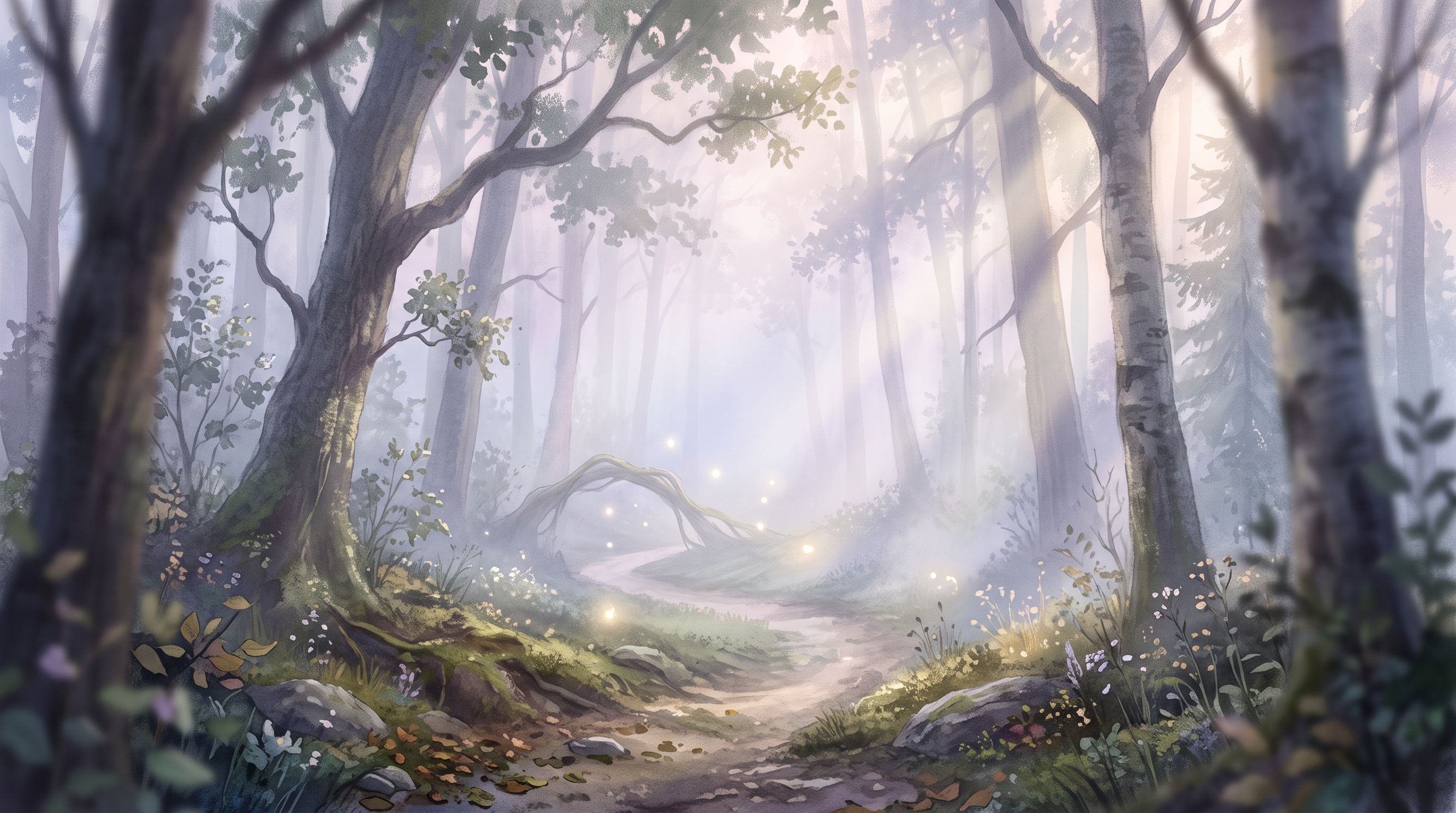
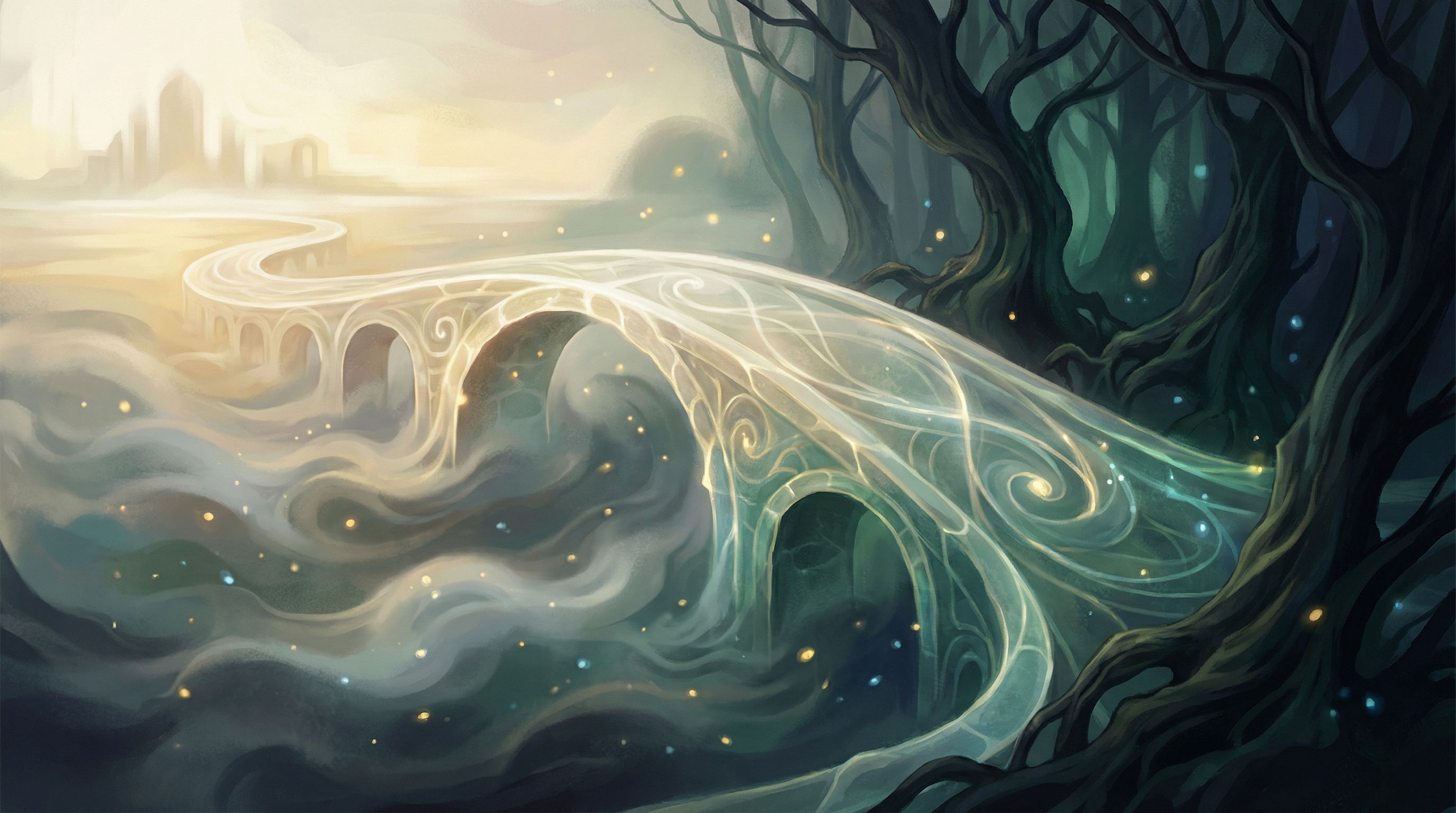
There is a quiet, ancient melancholy to these structures that reminds me of old tales from my youth, where bridges were sacred boundaries between the mortal world and the hidden realms. In many traditions, when a bridge is too damaged to cross, the traveler must wait for a quiet ferryman to guide them across the fog. If your dream-bridge ends abruptly in the middle of the mist, do not panic and jump. It is simply your mind’s way of saying that this specific transition cannot be forced through raw willpower alone. Sometimes, you have to surrender control and let a deeper, archetypal force carry you through the transition. It is a beautiful kind of helplessness—not a defeat, but an invitation to trust the current of your own life.
I once met a dreamer who dreamt of a magnificent stone bridge, but she was completely frozen at the very entrance, weeping. When I peered into her dream, I saw she was trying to drag three massive, iron-bound suitcases across. The bridge wasn't the problem; her baggage was. We often want the shiny new life on the other shore, but we refuse to leave our old grievances and heavy habits behind. The bridge has a weight limit, you see. It demands a lighter version of you. If you find yourself unable to take that first step in your dreams, look down at your hands. What are you holding onto so tightly that it prevents you from walking? Sometimes, the most spiritual act you can perform is to drop your bags right there on the dirt and walk across empty-handed.
If you wish to keep track of these dream structures and see how they evolve throughout your nights, you can use Midnight Mind to document every walkway and viaduct of your subconscious in your personal collection of symbols. After all, every bridge crossed is one part of yourself reconciling with another.