The Hallway: A Breath Between Two Heartbeats
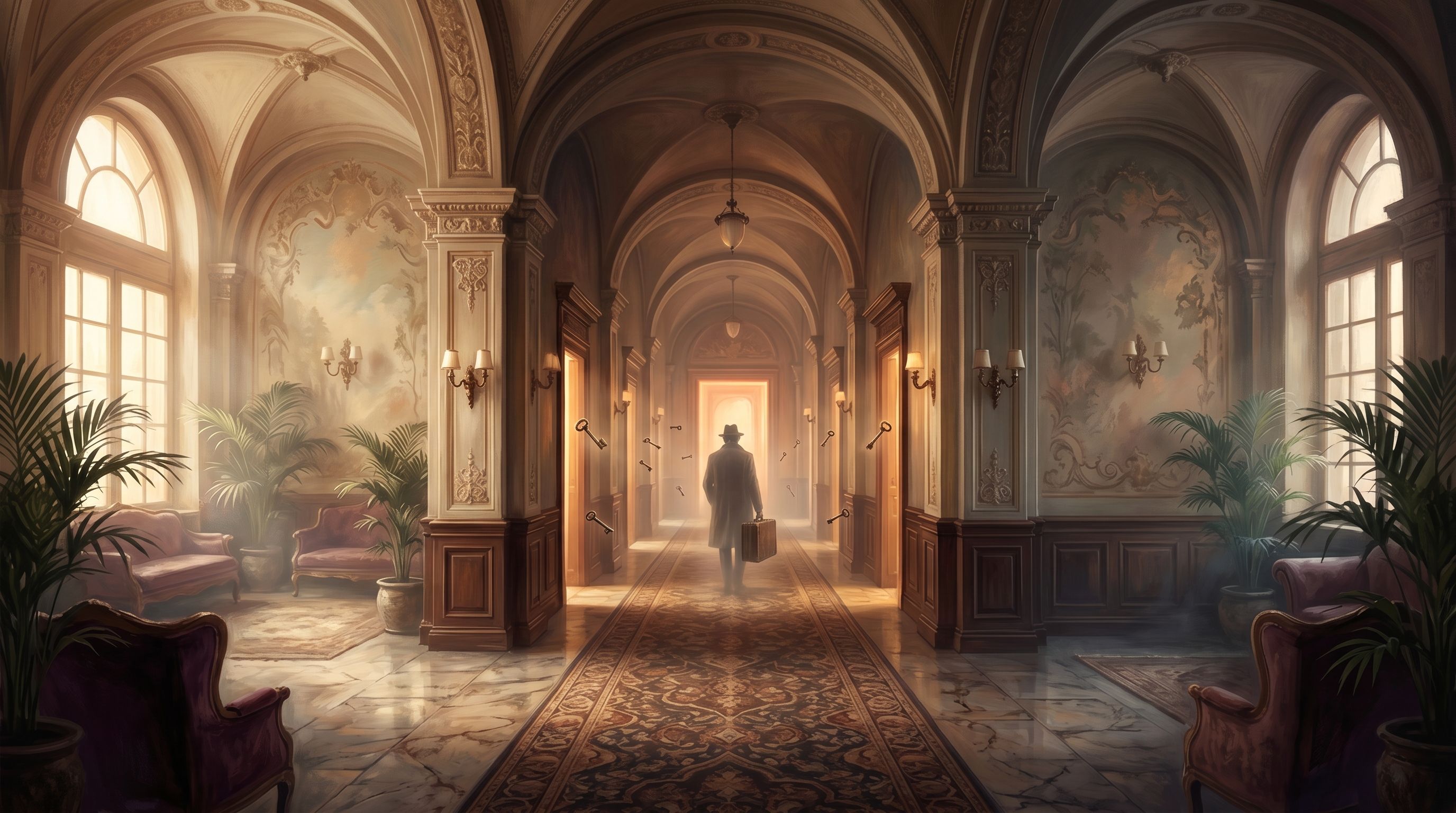
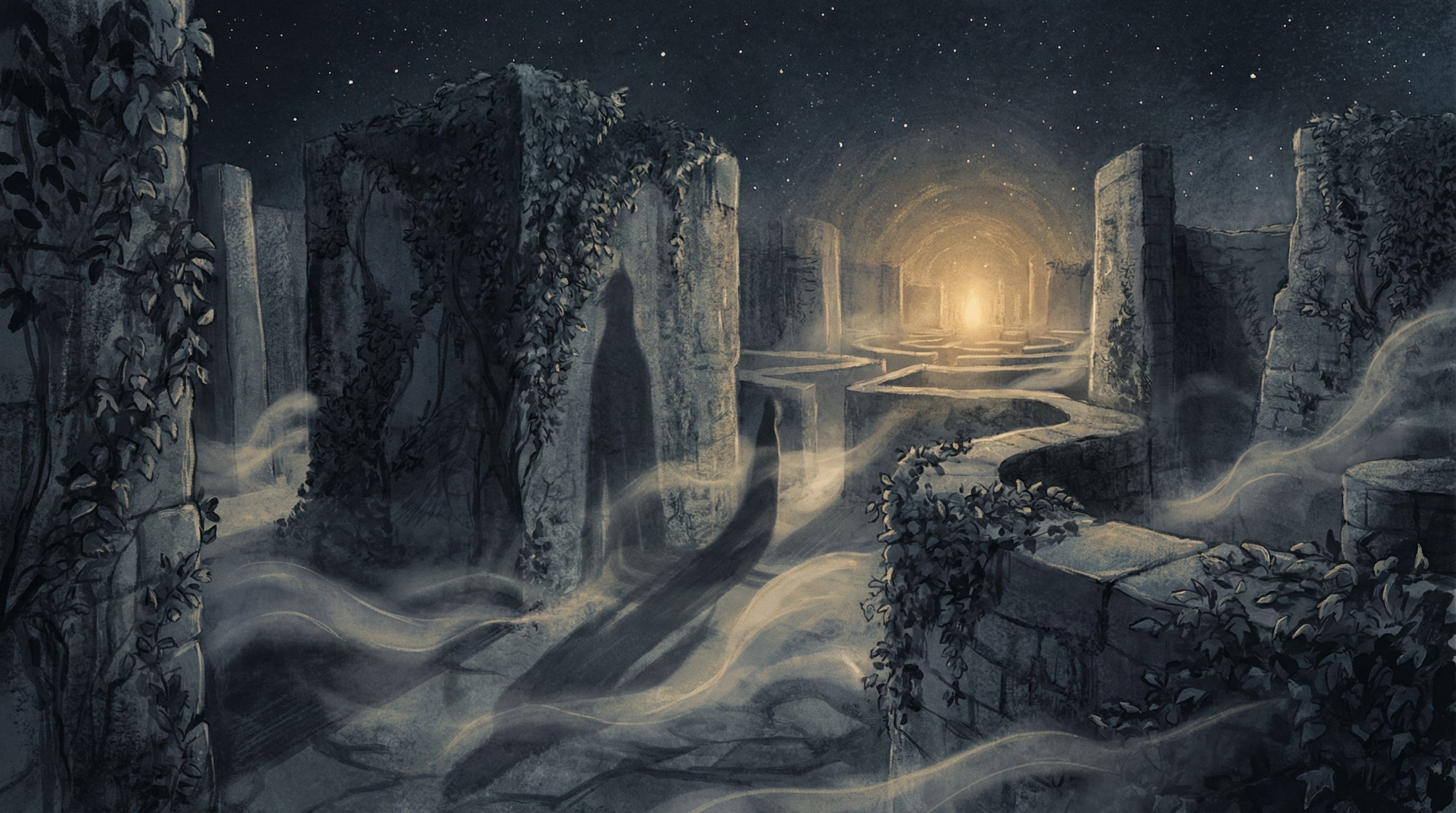
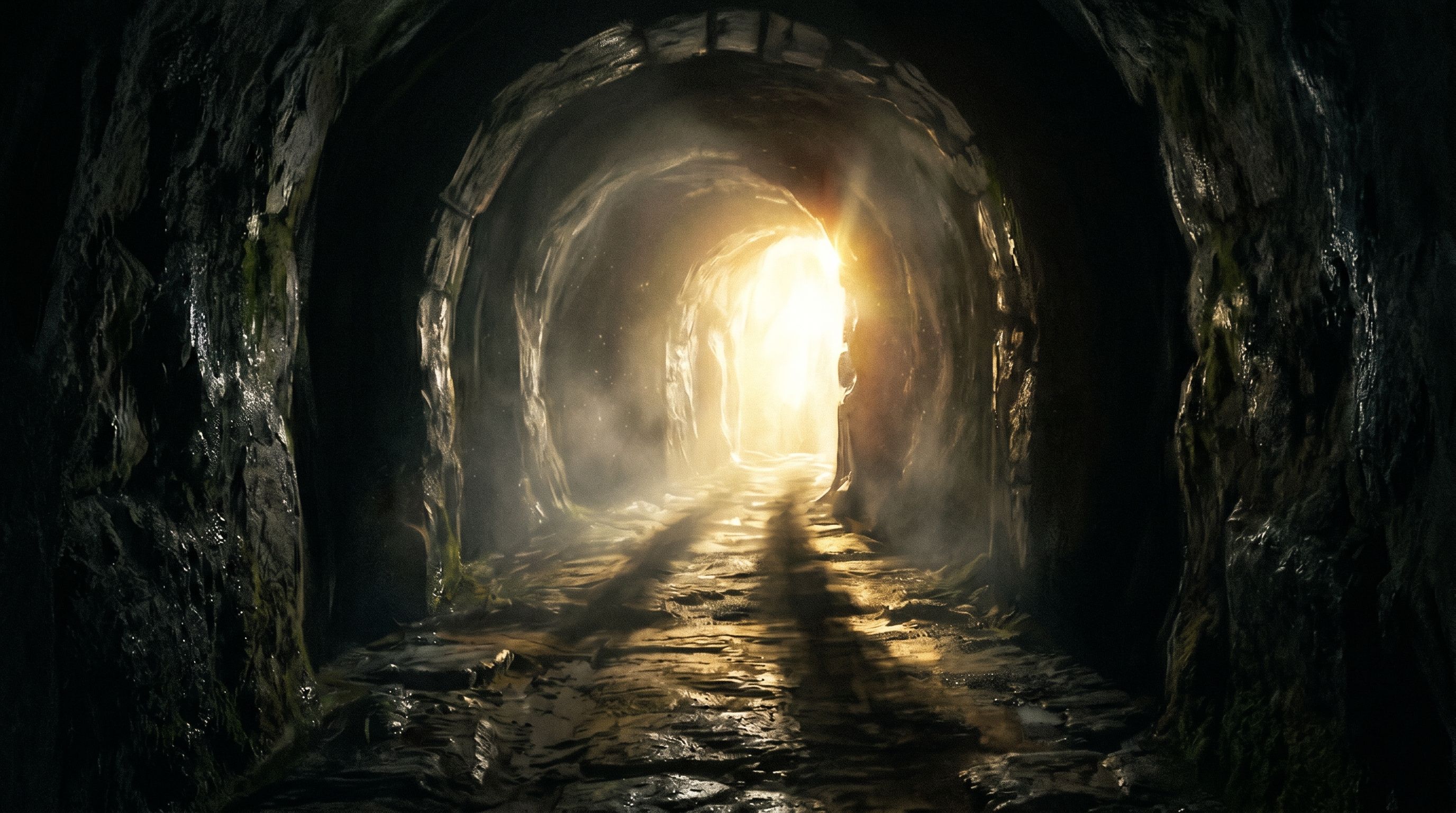
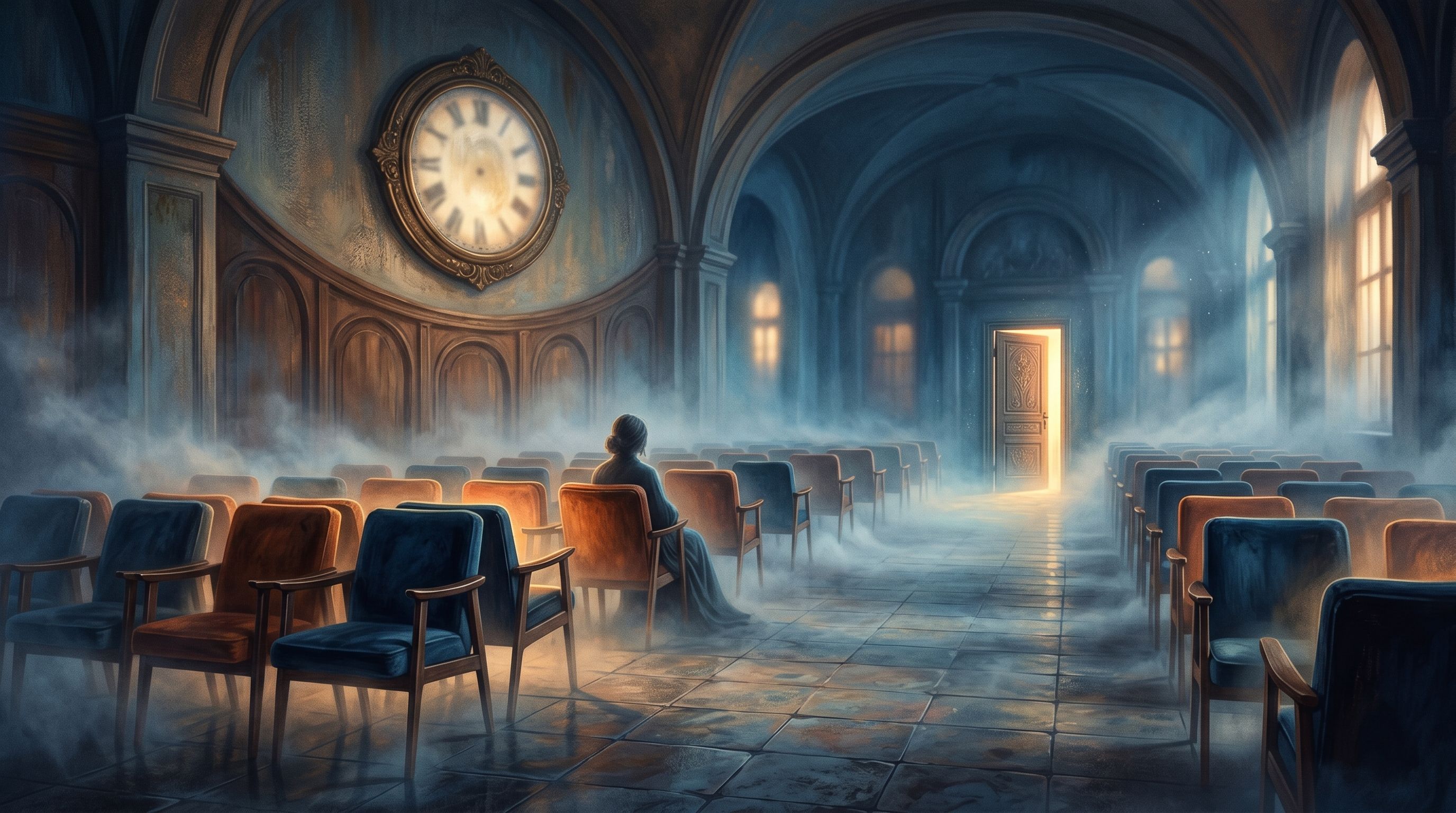
I find it fascinating that so many dreamers feel a sense of dread when they find themselves in a long corridor. I understand the unease, of course. It is what specialists sometimes call a liminal space—a threshold that exists only to connect two other places. You don't live in a hallway; you don't build a home there. You only pass through.
To me, the Baku who has watched over your nights for centuries, a hallway feels like the breath you hold just before you dive into deep water. It is a moment of pure potential. While some older interpretations might suggest a dark hallway is a "bad omen," I prefer a more nuanced view. Your subconscious is far more poetic than a simple list of warnings.
A hallway is, above all else, a passage. It is the undeniable proof that you are in motion. If you were stuck in a locked, windowless room, we might discuss stagnation. But the hallway? It is the promise that there is an "elsewhere." It is a decompression zone for your soul.
If you find the passage never-ending, perhaps it is because you haven't yet decided which version of yourself you want to meet at the end. Sometimes, the mind creates these long stretches to give you the time you need to shed old habits, much like a storm allows you to clear the emotional air before a period of calm.
---
Doors: Invitations or Barriers to Your Growth?
When I taste the essence of these dreams, I am always struck by the doors. Are they lined up like silent sentinels? Are you trying to open every single one, or are you running past them, afraid of what might be lurking behind the wood?
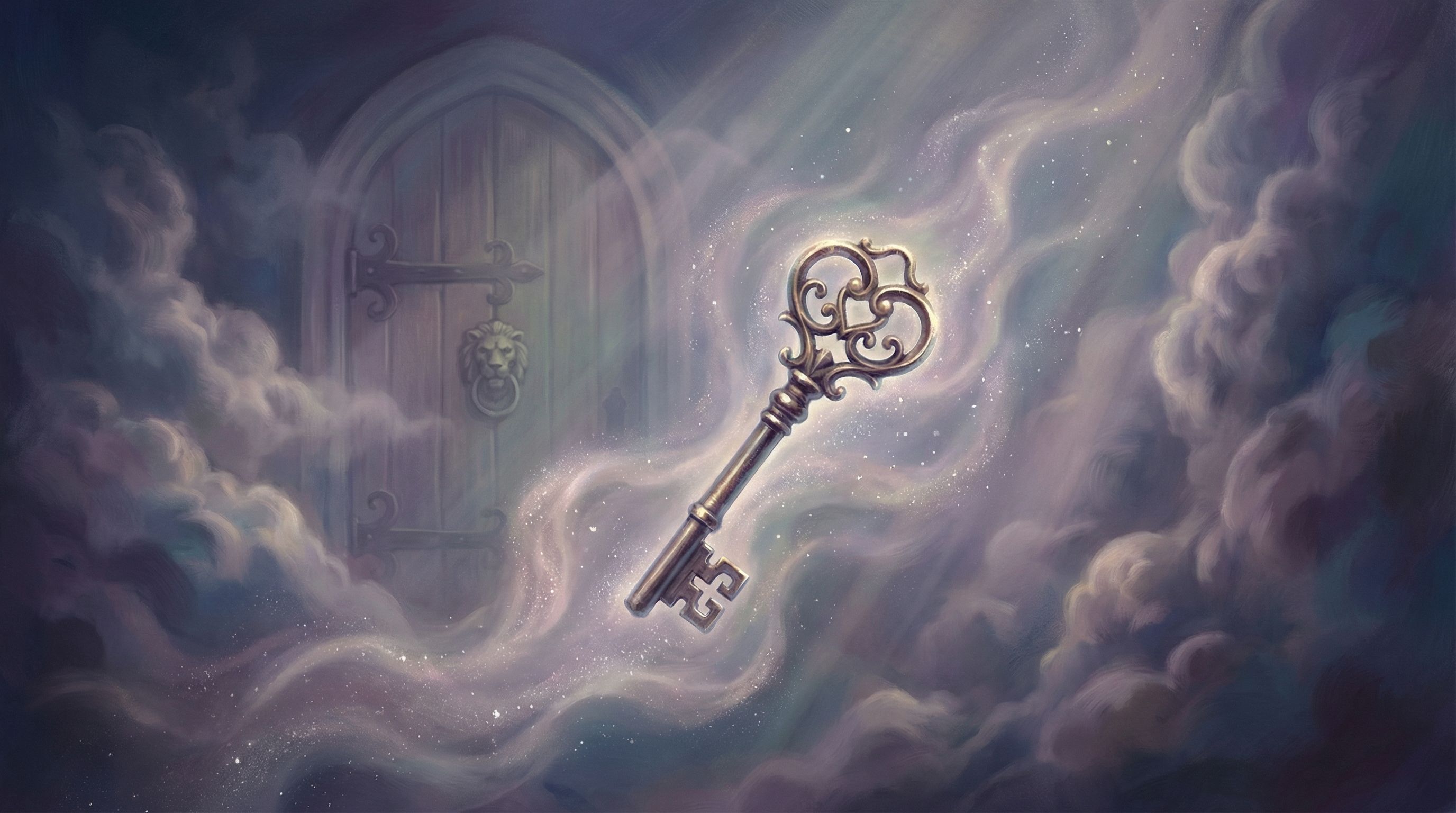
In my experience, a closed door is rarely a refusal. It is often a "not yet." Your subconscious acts as a benevolent guardian; it will only open the door to a new realization when it senses you are ready to handle the light—or the shadow—behind it.
I once guided a dreamer who was distressed by a hallway with no doors at all. He felt trapped in a sterile, infinite loop. But as we looked closer, the hallway was bathed in a soft, ethereal light. It wasn't a prison; it was a period of enforced rest. His mind was telling him: "For now, don't choose. Don't act. Just walk and exist."
If you see many doors, you might be experiencing the "dizziness of choice" in your waking life. Your mind is reflecting the overwhelming number of paths available to you. Instead of trying to open them all, notice which one your hand naturally reaches for. Often, the door we fear most is the one that leads to our greatest expansion, much like the hidden treasures one might find when an attic.
🌙 Yume’s Echo: Sometimes, the longest hallway is simply the time it takes for your heart to catch up with a decision your mind has already made.
---
The Atmosphere of the Passage: Shadow, Light, and Perspective
I believe it is impossible to interpret your dream without lingering on the "texture" of the hallway. Your subconscious uses sensory details to communicate the intensity of your transition.
- The Dark Hallway: This rarely represents external danger. Instead, it symbolizes the fertile unknown. In the world of dreams, darkness is where the seeds of your future projects germinate. It asks you to trust your intuition rather than your sight.
- The Narrowing Hallway: This can feel claustrophobic, but it is often a sign that you need to focus on the essentials. You might be trying to carry too much emotional baggage—old grudges, outdated self-images—into a new phase of your life that requires you to be light and unencumbered.
- The Luxurious or Immense Hallway: This may reflect your grand ambitions or, conversely, a feeling of being very small in the face of your own potential.
Some researchers in the field of dream psychology suggest that the physical state of the environment in a dream reflects our "ego-structure." A crumbling hallway might suggest that your old ways of navigating the world are falling apart to make room for something more resilient.
---
A Concrete Example: The Shifting Corridor
Imagine you are walking down a hallway made of glass. You can see the clouds moving beneath your feet. You feel a sense of vertigo, but also a strange exhilaration. Suddenly, the glass turns to thick, red velvet, and the air becomes warm and heavy.
In this case, the dream isn't about the destination. It is about your adaptability. The shift from glass (vulnerability and clarity) to velvet (comfort and perhaps stifling protection) shows how your emotions fluctuate during a transition. If you experience something similar, ask yourself: "Where in my life am I moving from a state of transparency to a state of seeking comfort?"
---
My Baku Advice for Your Future Nights
The next time you find yourself wandering through these dreamlike corridors, I invite you to try something different. Instead of running for the exit, slow your pace. Touch the walls. Are there frames hanging there? What do the patterns on the floor look like?
These details are the whispers of your soul. They are not threats; they are postcards sent from your deepest self. The hallway is telling you: "You are changing. Embrace this moment of suspension." Clarity will eventually come, but for now, there is a certain magic in the in-between.
If you find that your hallways are becoming a recurring theme, or if the faces behind the doors feel strangely familiar, it might be time to look for the patterns. If you want to explore your dreams more deeply, your Baku is waiting for you.
Remember, you are the architect of these passages. You are never truly lost; you are simply in the middle of becoming.
Have you ever noticed the absolute silence of a carpeted hallway, the kind you often find when wandering through a hotel in your sleep? It always makes me smile how much the sound of your footsteps matters in these spaces. A wooden corridor that echoes every step suggests a psyche that feels overly exposed, where every small choice feels loud, almost violent. But a muffled, silent hallway is a different invitation entirely. I once met a dreamer who was terrified because her footsteps made no sound at all; she thought she was becoming a ghost. I told her to look at it differently: your mind is granting you a moment of complete anonymity. You do not have to leave a trace right now. Unlike the suffocating darkness of traveling through a tunnel, a hallway with its carpeted floors and quiet corners is a gentle pause button, designed to let you walk without the weight of your own noise.
In the land where my legend was born, we have a beautiful word: Ma. It represents the artistic interpretation of empty space, the pause in a musical piece, the silence between words that gives them meaning. I get quite annoyed when western dream dictionaries dismiss hallways as merely "useless transitions" or wasted space. To me, a hallway is the physical manifestation of Ma in your inner world. It is the necessary void. Without the corridor, the rooms would collapse into one another, creating an unbearable sensory chaos. If you are currently walking a long, seemingly empty hallway, try not to see it as a waste of time or a delay in your journey. Your soul is simply painting with negative space. It is giving you room to breathe before the next heavy chapter begins.
Honestly, our modern waking world is obsessed with arriving. We are told we must always be inside a room, producing, achieving, or claiming a defined identity. I find this relentless drive utterly exhausting to watch. When your subconscious places you in a hallway, it is often staging a quiet, elegant rebellion against this pressure. It is a space where you are officially "not yet ready," and there is immense medicine in that. I often see this dream in people who are contemplating a massive career shift or recovering from a deep burnout. They panic because they feel stuck in limbo, unable to find the "right" door. But honestly? Sometimes the hallway is the only place where nobody expects anything from you. It is the one space where you are allowed to simply be in-between, drifting without a title or a destination.