The Secret Chamber of Your Mind
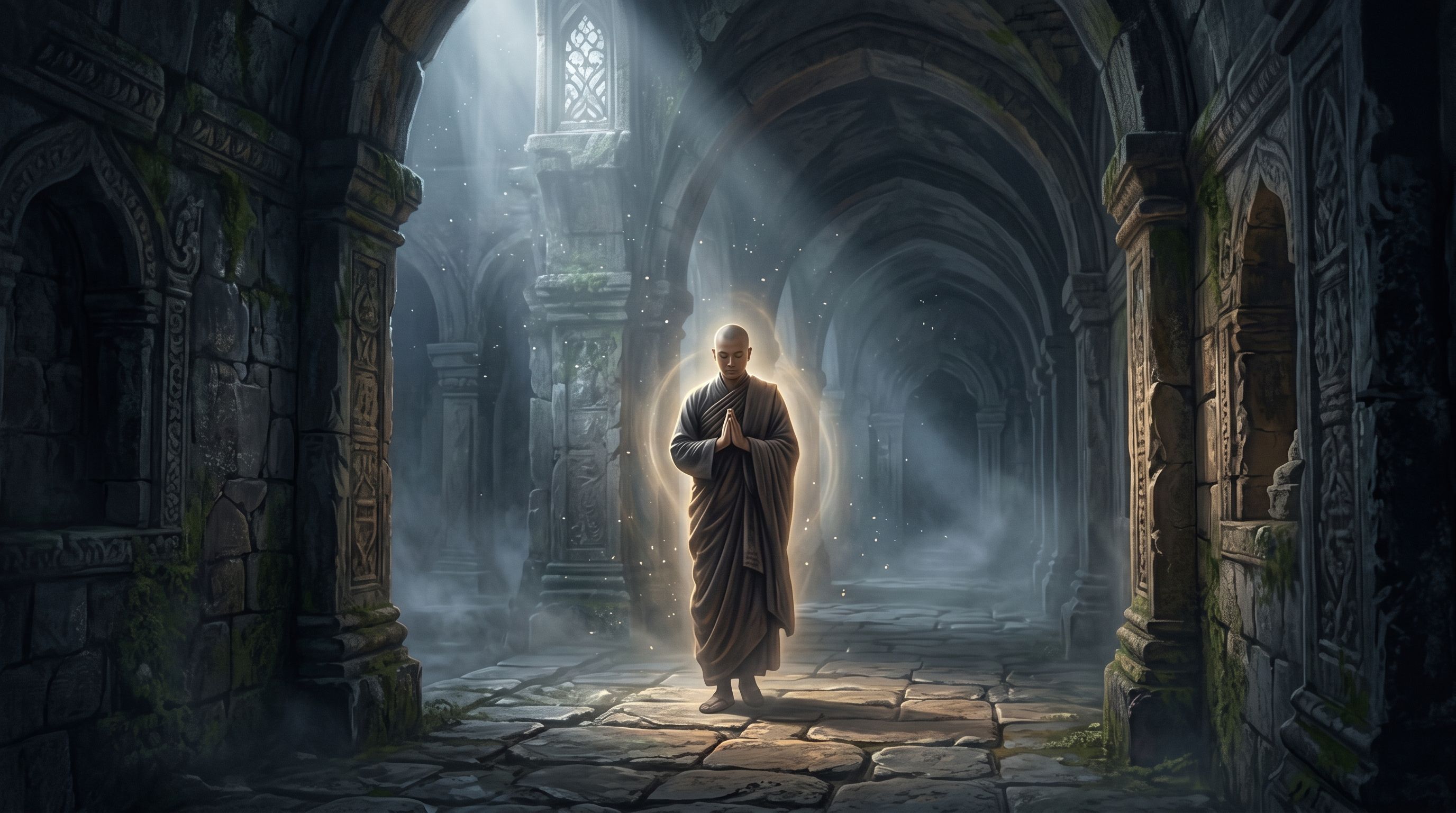
I am very fond of this symbol. Sincerely, it has fascinated me for centuries because it is one of the rare places in a dream where one does nothing, where one is simply "there." Unlike a massive cathedral that impresses with its height, an oratory is built to a human scale. It is a space for "one-on-one." In the world of dreams, this place represents your purest intimacy.
If you see yourself crossing the threshold of an oratory, it may be that your psyche feels a bit too exposed lately. We live in a world where everything is shared, commented on, and put on display. The dream, however, remembers the importance of closed walls. Sometimes, the mind feels like a battlefield, exhausted by external conflicts or social expectations. The oratory then appears as a "decompression bubble." It is a very gentle message: you have the right to withdraw. You have the right to not be available to everyone.
I once listened to the dream of a man who felt guilty for no longer having a spiritual life. He dreamed of a small wooden oratory, warm and welcoming, right in the middle of his office. It wasn't a moral lecture, but an invitation to find his "center." The oratory is that fixed point in the middle of the chaos.
Prayer: A Dialogue Without Words
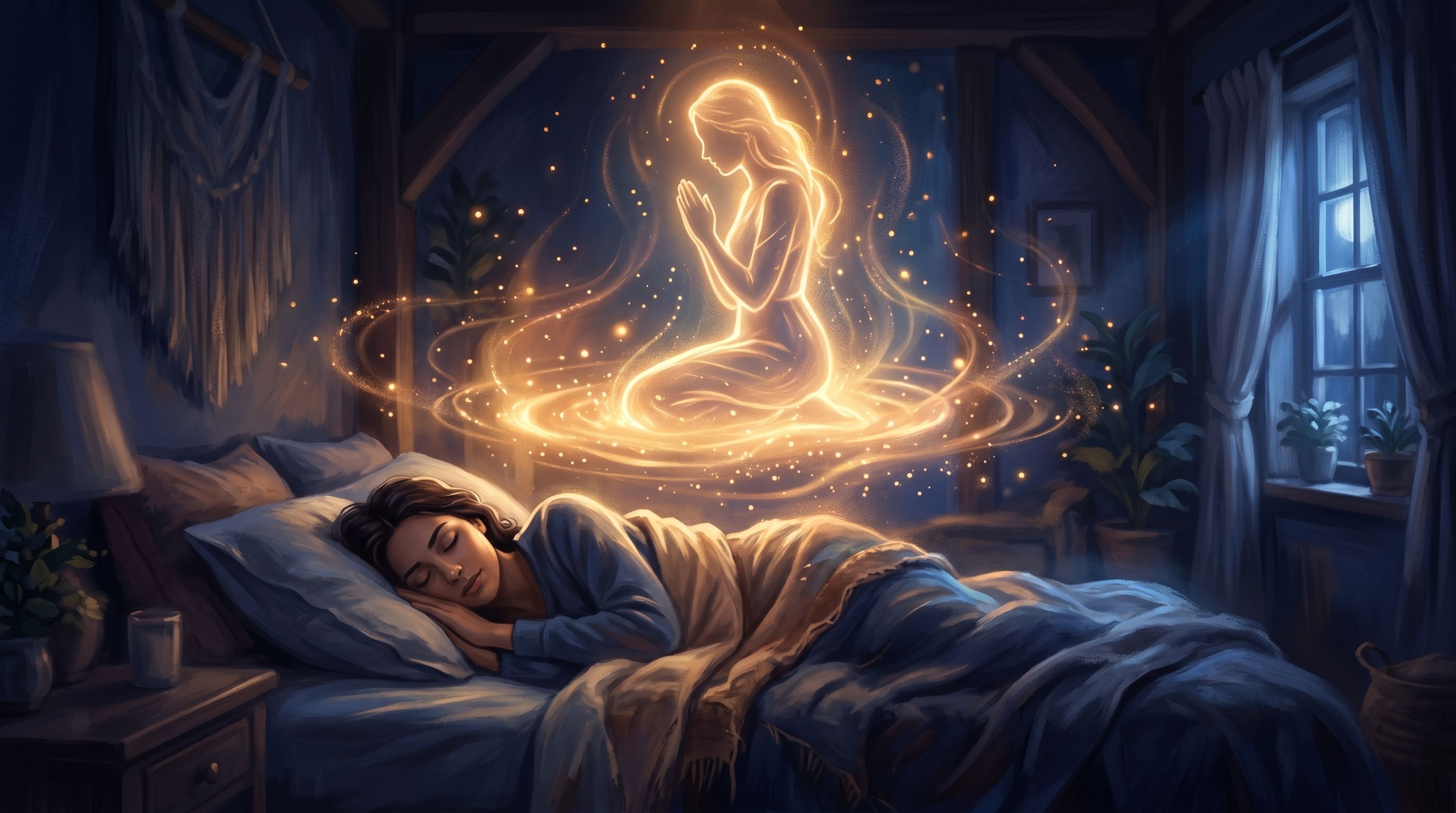
I am often asked: "Yume, why did I say a prayer in my dream when I am an atheist?" I always smile a little when I hear this. For the unconscious, praying is not necessarily addressing a distant deity. It is a form of extreme concentration, a moment where one aligns their thoughts with their deepest needs.
Prayer in a dream is the expression of an ardent desire or a need for guidance. It is a cry from the heart that has finally found a space to resonate. If, in your dream, the act of praying brings you peace, it means you are integrating a solution to a problem that was eating away at you. You didn't find the answer through scientific analysis, but through intuition—through letting go.
However, I am not a fan of interpretations that say everything is fine as soon as you see an oratory. If the space is in ruins, dusty, or if you feel trapped within it, the meaning changes. A neglected oratory can indicate that you have abandoned your own values to please others. You have let the dust settle on what makes up your essence. Conversely, an oratory that is too cluttered, almost suffocating, can reflect excessive guilt or a rigid morality that prevents you from breathing.
Silence as Nourishment
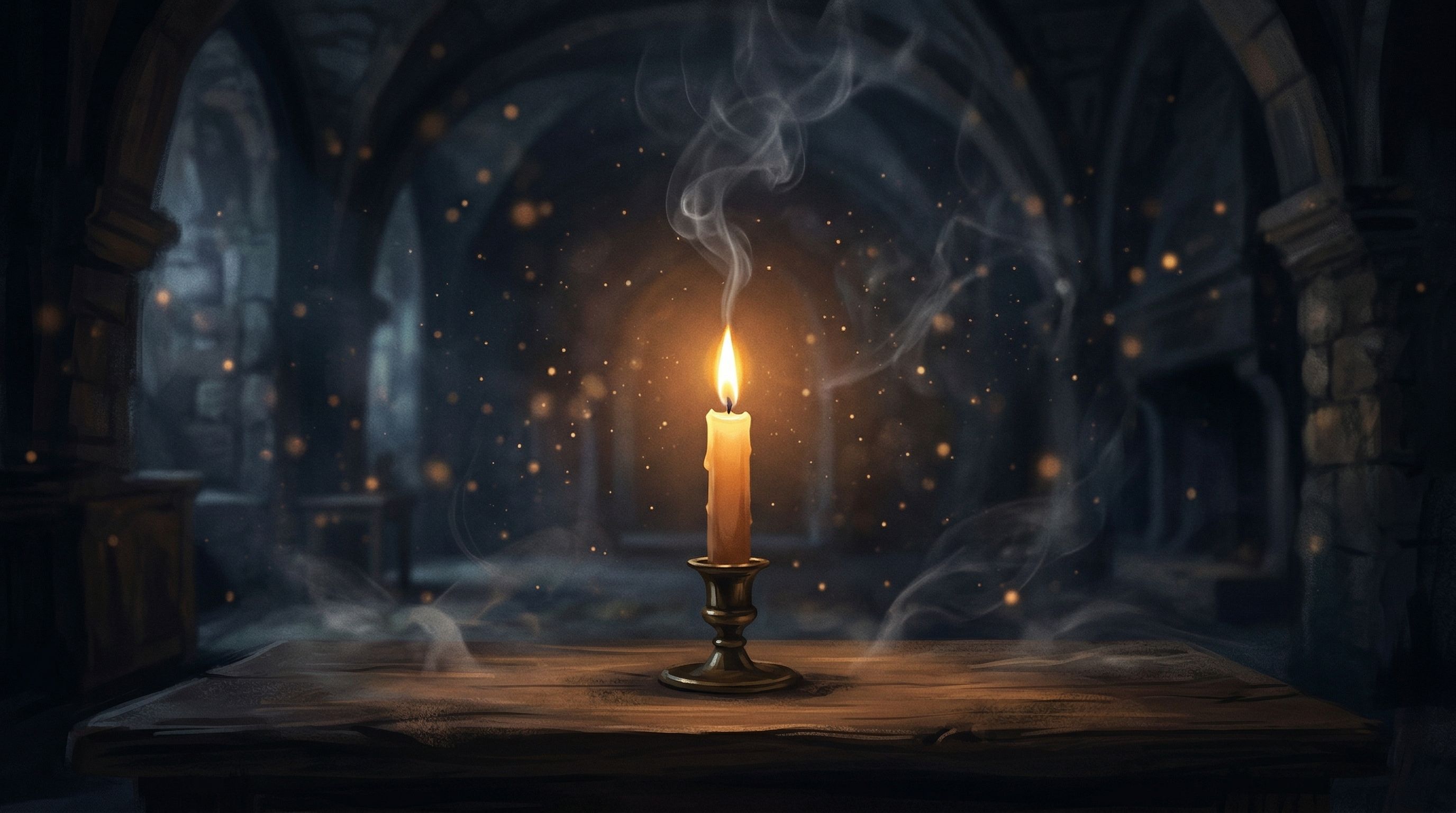
Observe the details closely. Was there a candle? Was the light dimmed? These elements are like the spices of a dish: they change the entire flavor of the dream. A golden light suggests a coming illumination, an idea that is finally about to sprout. A heavy silence, almost cold, can indicate a loneliness that you do not yet dare to name.
I have noticed that the oratory often appears during periods of transition. It is as if, before moving on to a new stage of life, the mind needs to pass through this small cell of reflection to sort things out. It is not a place of escape, as a dream of flight might be, but a place of foundation. One comes here to rebuild oneself, brick by brick, in the silence.
Honestly, the symbol remains mysterious because it belongs to each person uniquely. Your oratory looks like no one else's. It contains your hopes, your deepest regrets, and that little spark I love to devour so much when it has been purified by sleep. Do not fear this place if it seems strange to you; it is your most faithful ally.
Have you noticed how cold the air is when you step inside? Or perhaps there is a faint, comforting scent of sandalwood or old beeswax lingering in the silence. The sensory texture of your dream-oratory matters deeply. When the stone feels freezing to your touch, it often mirrors a profound somatic exhaustion, a feeling that your body itself has become a drafty house. If the walls are close and warm, however, the dream is mimicking the protective warmth of a safe, quiet nest where you can temporarily drop your heavy armor. This isn't just about your mind; your physical body, tired from the daily race, is seeking a boundary where it doesn't have to react, defend, or perform. It is a quiet pleading for physical stillness, a soft demand from your nervous system to just exist without being consumed.
I often think of a young woman who sought my comfort after dreaming of her grandmother's small, forgotten house altar—what we in Japan might call a butsudan. She was frantic, fearing it was a dark omen of death. But the dead do not come to haunt us with threats; they come to offer a thread. To dream of an oratory during times of grief or major life transitions is often an invitation to sit with your lineage. It represents the quiet inheritance of resilience that runs through your blood, even if you feel entirely disconnected from your roots in your waking life. This small alcove is a bridge across time. It reminds you that the questions you are asking yourself today—about love, survival, and purpose—have been asked and answered by those who walked before you, whose quiet whispers still echo in the corners of your sleeping mind.
It honestly irritates me when popular dream dictionaries claim that an empty oratory represents a "loss of faith" or some sort of spiritual depression. What nonsense. If you find yourself in an oratory that has no candles, no statues, and no icons—just bare, clean stone—do not be afraid. This emptiness is not a void of despair; it is a space of pure potential. It is the absolute silence before the first note of a song is played. When you are on the verge of a major creative breakthrough or a massive shift in your life, your mind needs to clear the canvas completely. The empty oratory is your psyche’s way of sweeping away the clutter of old beliefs to make room for something entirely new. It is a holy pause, a blank sheet where you are finally allowed to write your own truth, free from the expectations of the world.
If this nocturnal encounter with silence has left you with a particular impression, it would be a shame to let it evaporate in the morning light. In my refuge at Midnight Mind, I have created a space for you to record these fragments of intimacy and see how they evolve over the course of your moons. Come and place your story in your personal journal; I will help your thoughts find their own sanctuary.