The vertigo of the soul: when the void calls to us
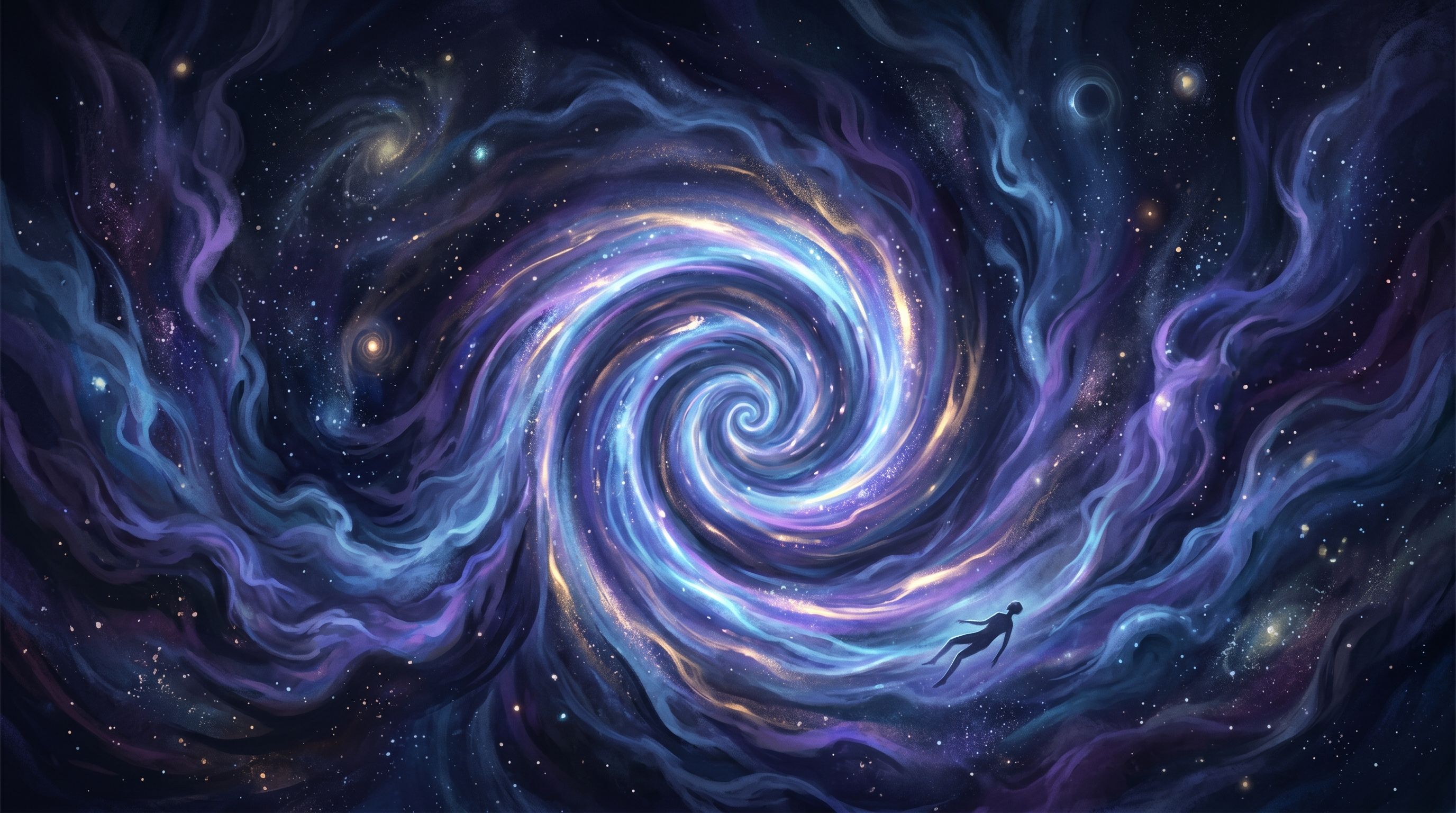
Honestly, this symbol has fascinated me for millennia. I have seen thousands of dreamers recoil before a black hole, a gaping crevice, or an endless precipice. We tend to believe that the void is "nothing." But for me, the Baku who feeds on these shadows, the void is "everything." It is the silence before the music, the blank page before the poem.
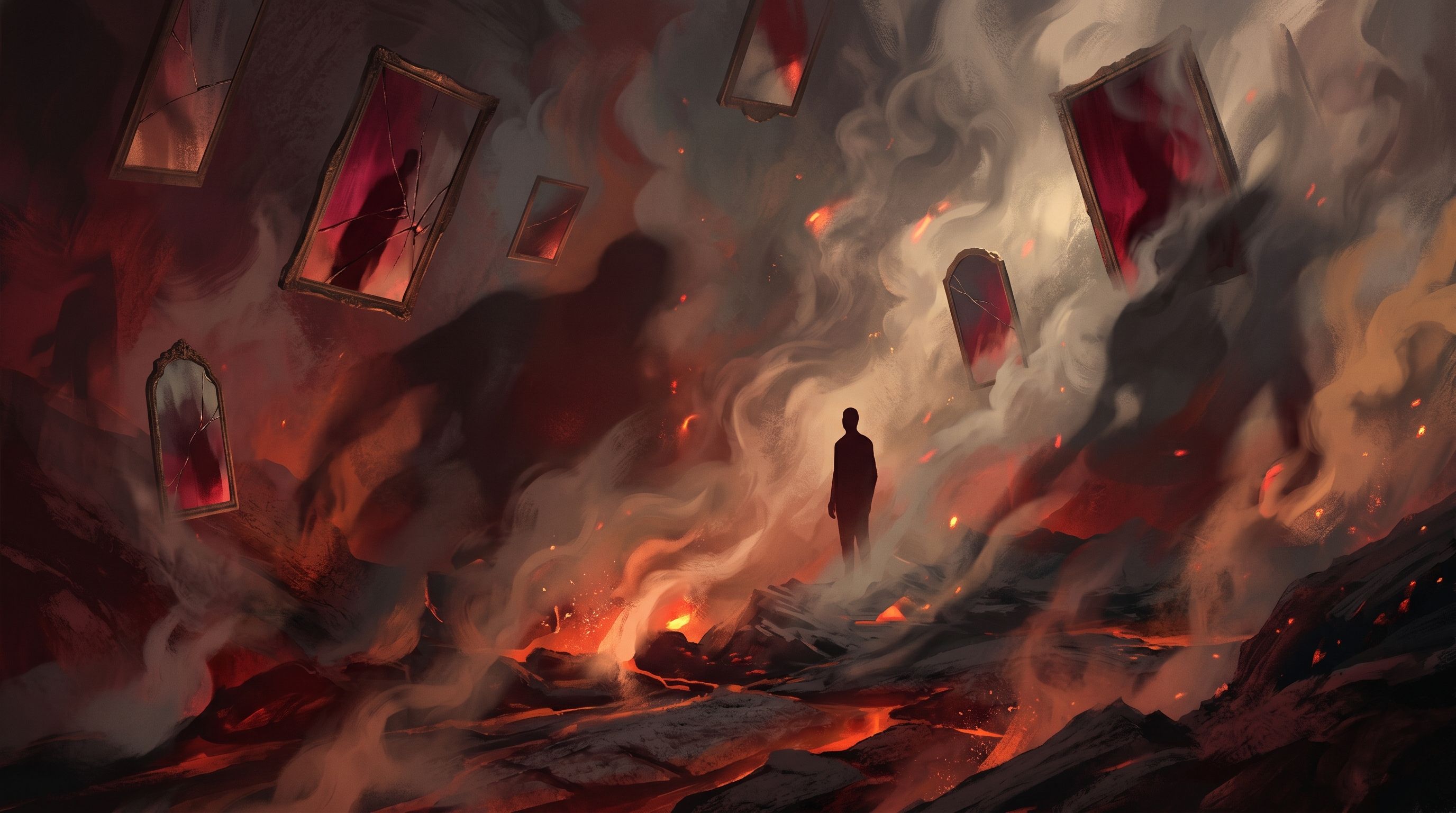
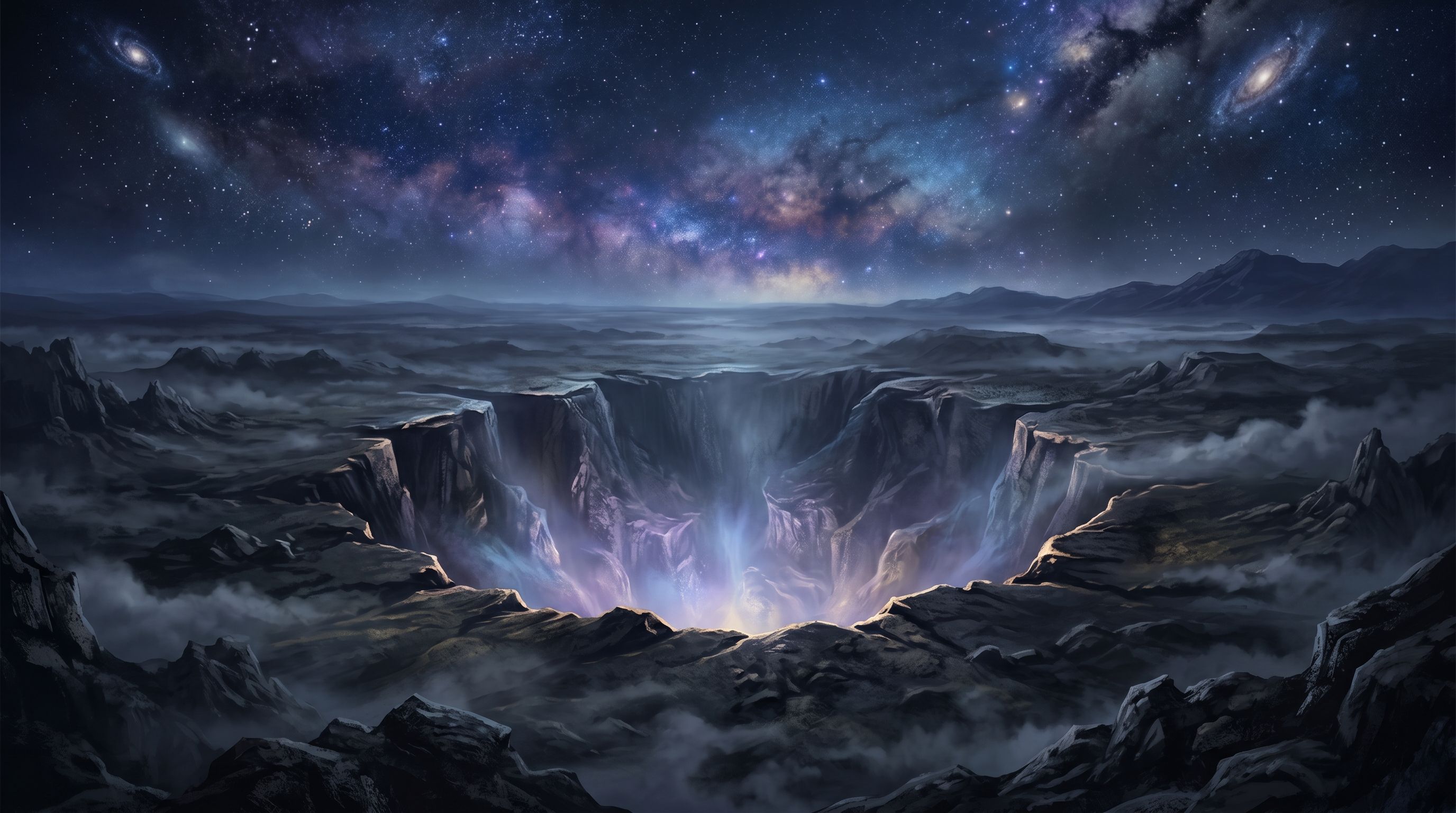
When you dream of an abyss, your mind is touching a limit. Perhaps you feel on the edge of a breakup, a career change, or a truth you don't dare to voice. The abyss materializes this distance between who you are today and who you could become. It isn't a trap; it is an invitation to depth. Unlike the Dream of a Garden, where everything is delimited, ordered, and reassuring, the abyss represents the wild nature of your mind—the part that cannot be tamed with fences.
I sometimes get annoyed when I read interpretations saying that dreaming of falling or an abyss is an omen of misfortune. It is so reductive! If you are standing at the edge, it means you are ready to look at what you have buried. It is a necessary step to reach The Self, that center of your being that fears no darkness.
Fear of the abyss or thirst for the unknown?
There is an important nuance in how you perceive this depth. Are you falling? Are you jumping? Or are you simply observing, petrified?
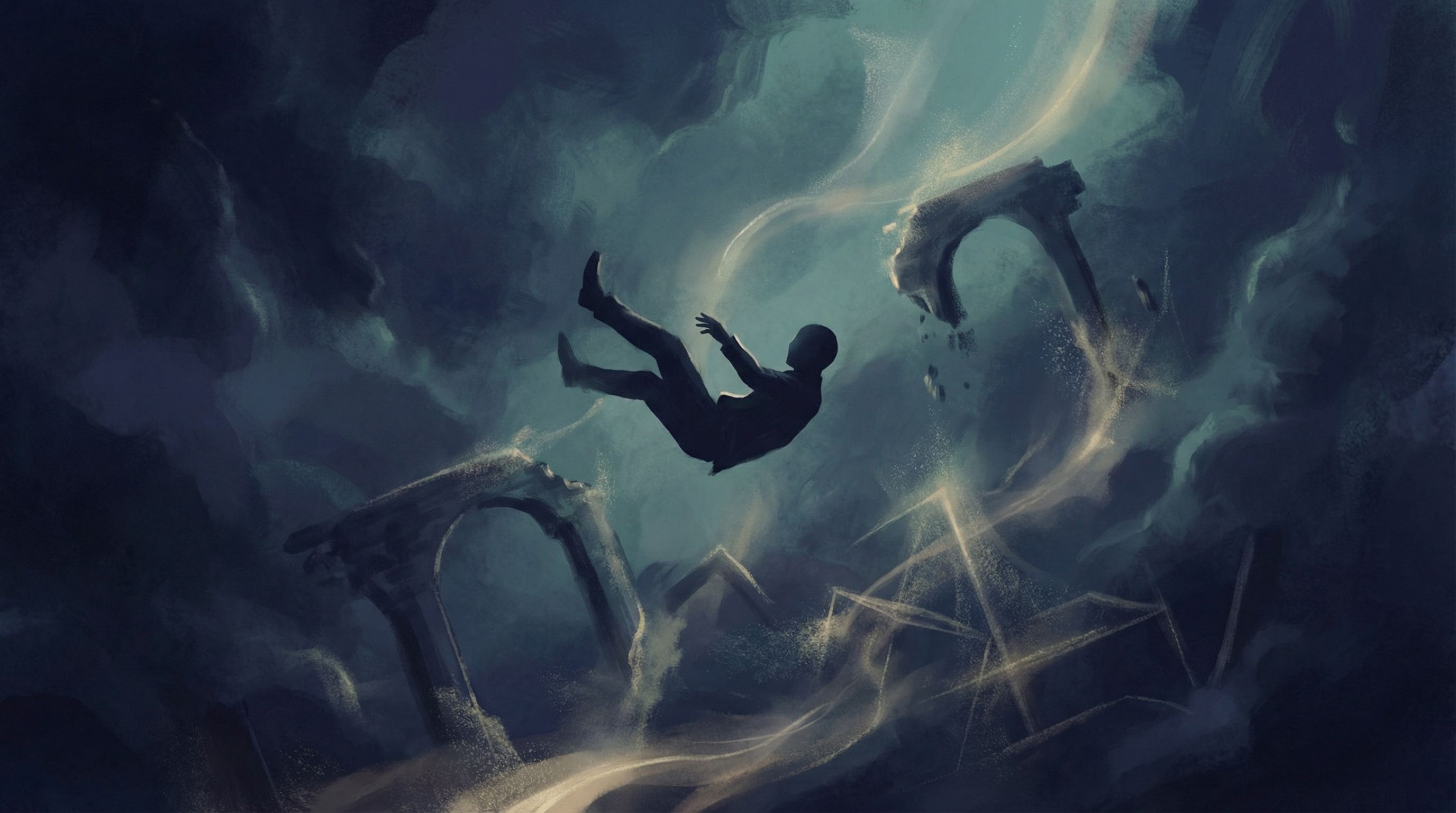
If you fall, it is often a sign that you are clinging too tightly to something in your waking life that is already slipping away anyway. The unconscious is telling you: "Let go; the fall is inevitable, but it won't kill you." If you observe the abyss with curiosity, it means you are becoming a sage. You accept that life contains unfathomable mysteries.
I like to compare the dream abyss to the seabed. Think of the Dream of a Whale: this immense cetacean moves through depths that terrify us, yet it is at home there, peaceful. The abyss in your dream is your own ocean. What you project into it—monsters, sharp rocks, or just darkness—is merely a reflection of your current anxieties.
Honestly, interpretation is never an exact science. If the abyss seems frightening, ask yourself: "What am I so afraid of losing if I take one more step?" Often, it isn't your life you fear losing, but your self-image, your certainties. It is a vertigo of growth. We cannot grow without accepting, at times, having no ground beneath our feet.
My little Baku tip: the next time you find yourself facing this abyss in your dreams, try not to flee immediately. Breathe. Look at the texture of the rock, listen to the silence emanating from it. The void is a mirror that never lies.
Have you noticed how cold the air gets when you stand near that edge in your sleep? It is never a neutral temperature. Often, a freezing updraft rises from the depths, making your dream-self shiver. Some dreamers tell me they hear a low, rhythmic hum, almost like a massive engine vibrating far below, while others encounter a silence so thick it hurts their ears. This physical intensity is your body's way of grounding you when your mind is ready to dissociate. When waking life becomes a blur of demands, your nervous system uses these icy drafts and heavy silence to force you into the present moment. You cannot multitask while looking into a chasm. It demands your absolute, undivided presence, freezing your steps so you are forced to stop running and finally breathe.
In some ancient traditions I cherish, the void is never feared as an end, but revered as the origin. The Taoists speak of Wuji—the ultimate emptiness that exists before the universe divides into light and shadow. When you look down into the dark, you are not looking at death; you are looking at the raw, uncarved block of your own potential. It is the womb of your future self. It reminds me of how we perceive the deep ocean, where the water holds both monsters and life-giving currents. The abyss is just the dry, vertical equivalent of those same primordial waters. It is the space where your old identity dissolves so that something entirely new, which you cannot yet conceptualize, can take form. Do not rush to fill it with plans or explanations. Let the emptiness just be empty for a while.
I once met a dreamer—a woodworker who had lost his creative spark after a quiet, devastating grief. Night after night, he found himself standing before a jagged fissure in the earth, stained with a deep, dusty blackness. He was terrified of falling in, convinced it represented his own depression. But when we looked closer at the texture of his dream, we realized the chasm was coated in something familiar. It was like dreaming of charcoal color, that rich, carbonized residue of what once burned brightly. The abyss wasn't a trap to swallow him; it was the hearth of his past life, cooled down but still rich with raw creative fuel. Once he understood that this dark trench held the remains of his passion, he stopped backing away. He sat on the edge, dangling his legs, and began to paint again in his waking hours.
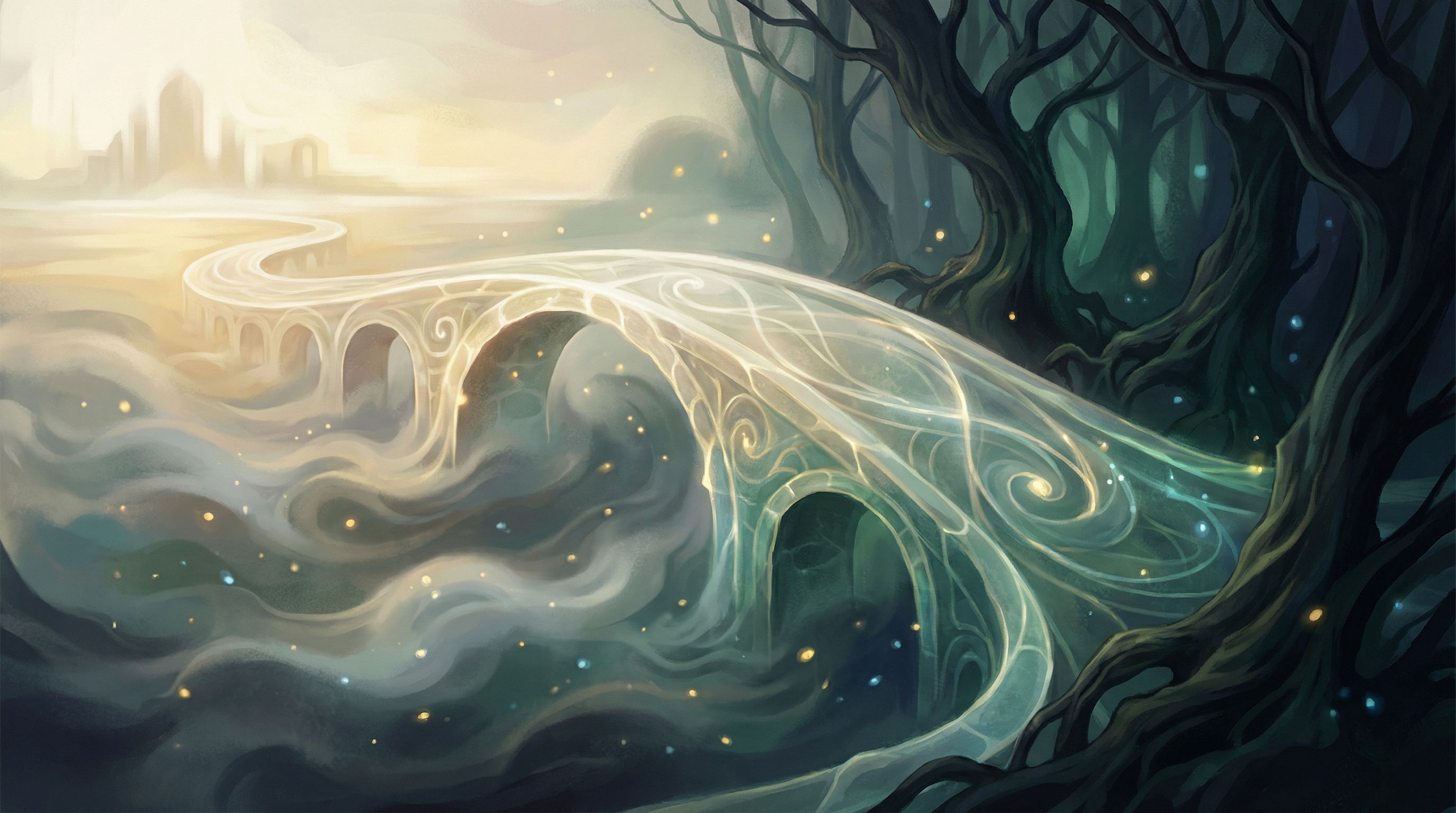
What do you do when the path ahead simply vanishes? Naturally, our waking ego hates this lack of ground. I often see dreamers frantically trying to construct makeshift structures, searching for a way to cross without having to look down. They search for a rope, a ladder, or perhaps try dreaming of a bridge to span the terrifying gap. But sometimes, the psyche deliberately refuses to give you a crossing. It wants you to feel the suspension. There is a strange, wild medicine in realizing that you cannot rationalise your way out of every transition. If you force a bridge too quickly, you carry all your old baggage, your outdated habits, and your ancient fears to the other side untouched. Sometimes, the only way to reach the opposite cliff is to let the chasm change you first.
If you need to keep track of these dizzying moments and understand how your inner landscape evolves night after night, you can use Midnight Mind. It is a lovely way to collect your symbols, much like picking up stones along a path, to see that even the darkest abysses eventually tell a luminous story.
What did you feel at the edge of your last abyss? Was it pure terror or, somewhere deep down, a strange sense of relief?