The Architecture of Your Inner Landscape
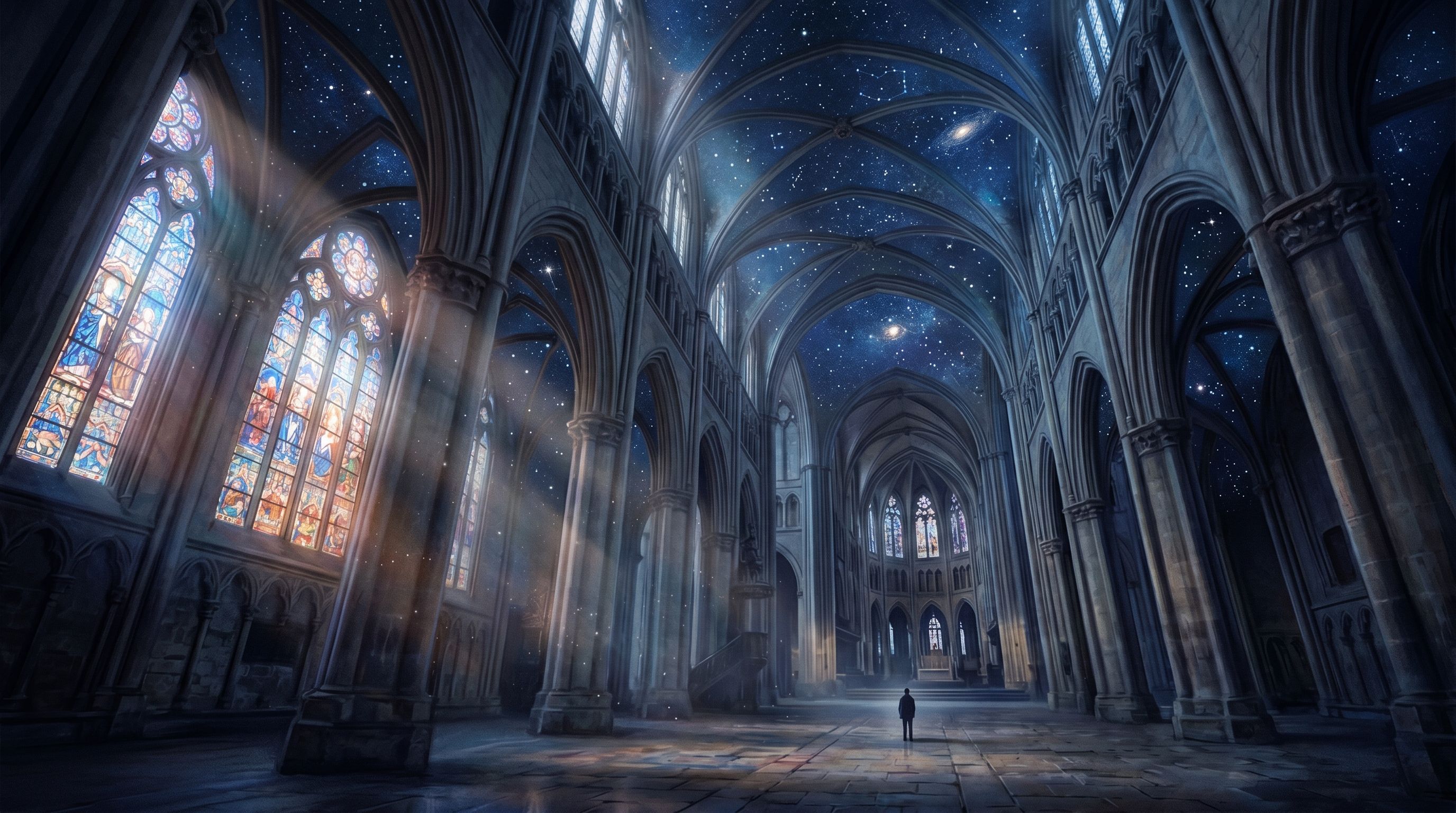
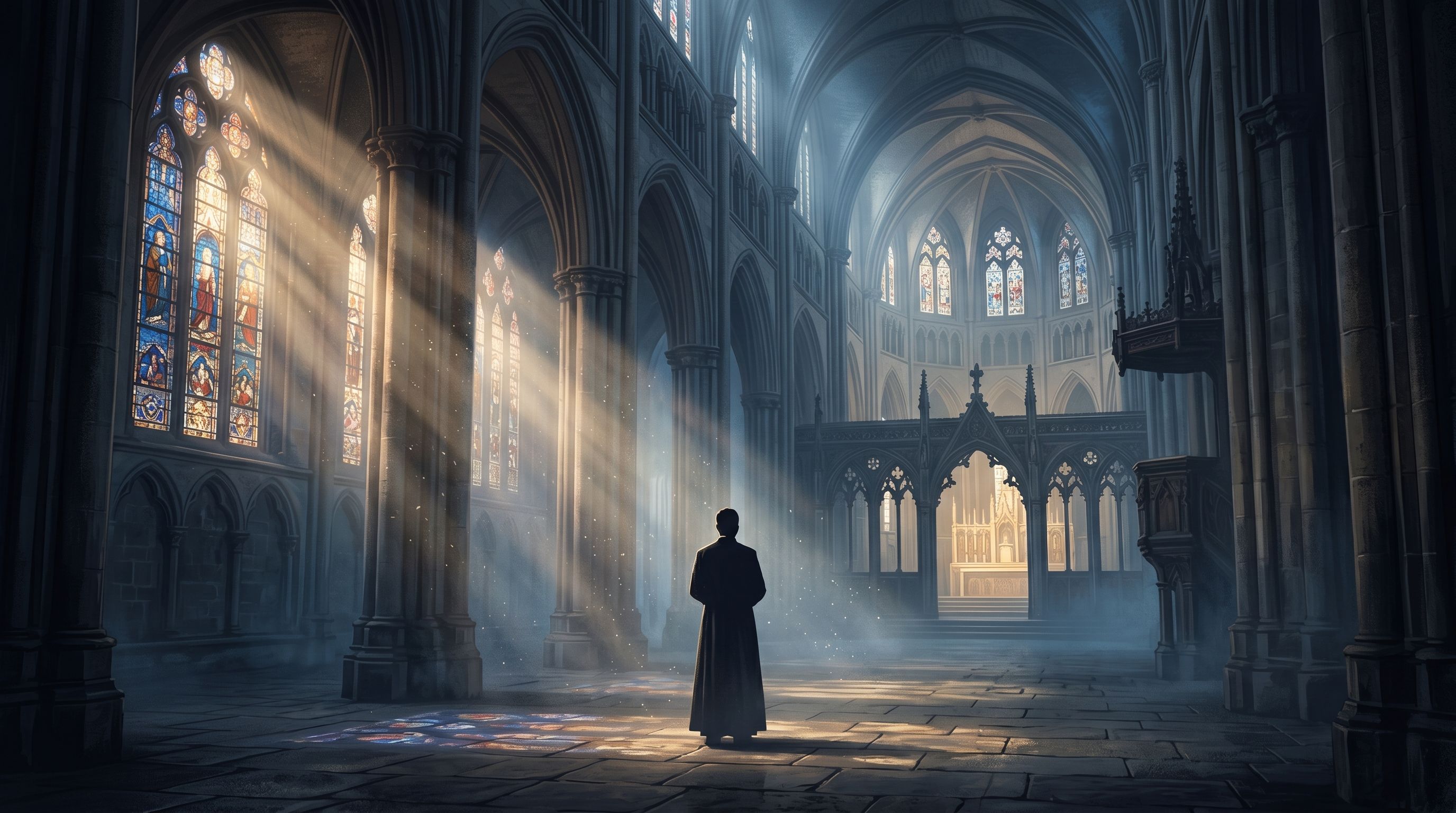
I have watched over the dreams of humans for a very long time, and I can tell you that the temple is one of the most recurring and beautiful structures I encounter. In the world of sleep, your mind is a master architect. It doesn't build with wood or stone, but with the raw material of your experiences and your soul.
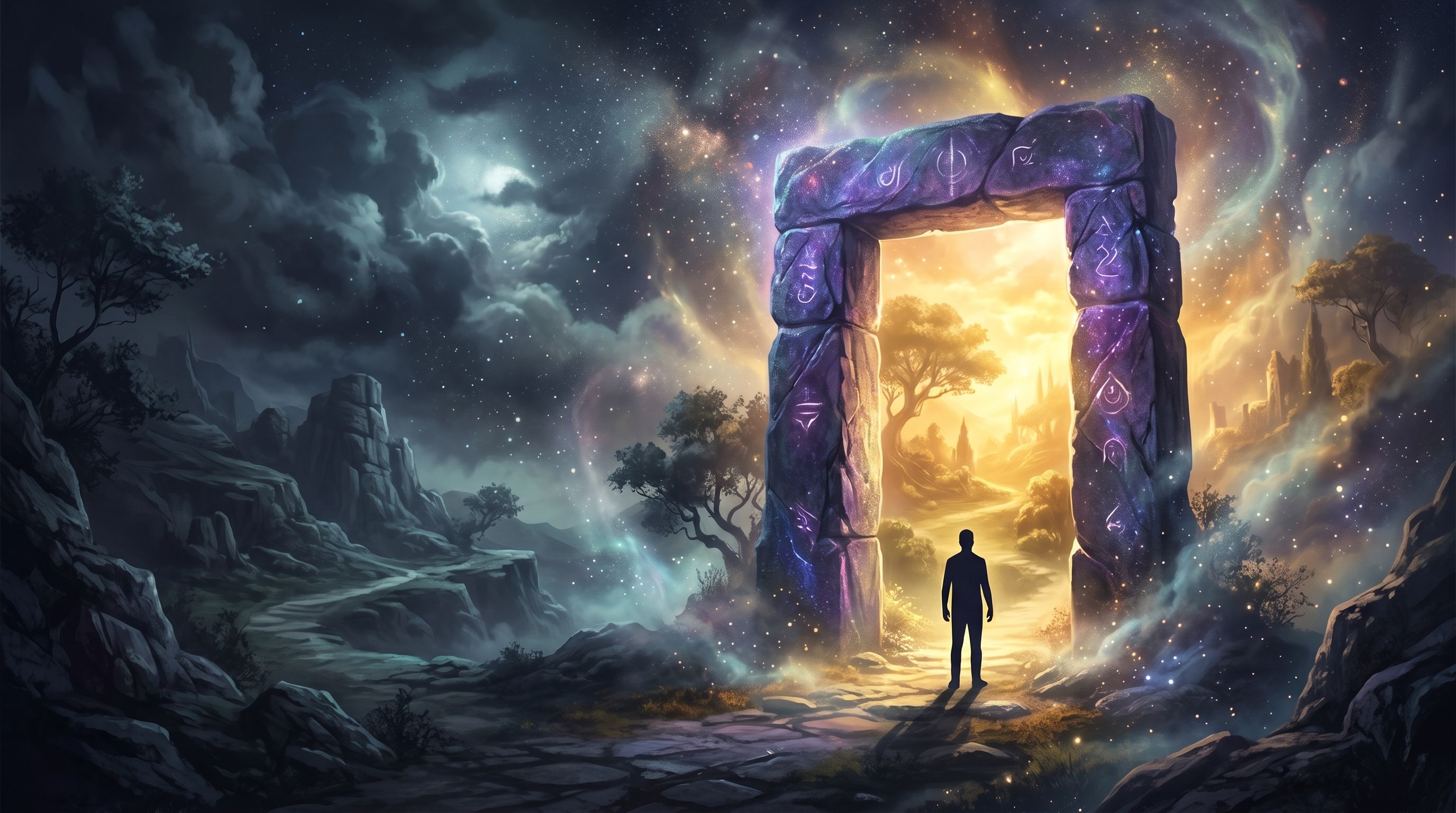
When you see a temple in your dream, try to look past the religious connotations you might have in your waking life. For your subconscious, the temple is a neutral, universal symbol of the Self. It is the center of your internal city. If you find yourself standing before its gates, it means you are ready to look at what you consider most precious.
Sometimes, you might feel intimidated by the scale of the building. You might feel small, like a grain of sand. Do not let this feeling overwhelm you. This vastness is simply a reflection of your own potential. It is a reminder that you are much larger than your daily worries, your emails, or your social obligations. You are a vast landscape, and the temple is your anchor.
---
Reading the Stones: Ruins and Radiance
I often hear from dreamers who are distressed because their dream temple was in ruins. They fear it is a sign of "brokenness" or a bad omen. I want to reassure you: in the language of the night, a ruin is rarely a tragedy. It is an opportunity for transformation.
If the temple you visited was crumbling, it might simply mean that an old belief system or a way of living no longer serves you. You are outgrowing your old walls. Just as a forest needs fire to renew itself, your psyche sometimes needs to let old structures fall so that you can build something more aligned with who you are today.
On the other hand, if the temple was radiant and filled with light, it suggests a period of mental clarity. You are likely in a phase where you feel a strong connection to your purpose. But even in a perfect temple, notice the details. Is it empty? Is it crowded?
An empty temple isn't a sign of loneliness; it is a blank page. It is an invitation to define what you want to place on your inner altar. If it is crowded, perhaps you feel that the expectations of others are invading your private, sacred space.
🌙 Yume's Echo: A ruin is not the end of a story; it is the beginning of a sacred renovation where you are both the architect and the stone.
---
The Science of the Sacred Space
While we often speak of dreams in poetic terms, there is a fascinating neurological side to why you might seek out a "sanctuary" in your sleep. During REM (Rapid Eye Movement) sleep, the parts of your brain responsible for emotional regulation are highly active, while the logical, "critical" centers are dampened.
Some researchers suggest that the brain uses architectural symbols to categorize complex emotional states. By placing you in a temple, your mind creates a "controlled environment" where you can process deep-seated feelings without the interference of external stress. It is a form of emotional homeostasis.
Specialists in dream psychology, following the lineage of thinkers like Carl Jung, often view the temple as an archetype of the "Self." It is a visual representation of your attempt to integrate different parts of your personality into a unified whole. When you dream of a temple, your brain is essentially performing a "system check" on your core values.
If you have recently felt like you were navigating through a tunnel of uncertainty, the temple appears as the light at the end—a place where the movement stops and the integration begins.
---
A Concrete Example: The Temple in the Storm
Imagine a dreamer who is going through a high-stress career change. They feel pulled in a thousand directions. One night, they dream they are in a glass temple in the middle of a hurricane. Outside, the wind is howling and trees are being uprooted. Inside, however, there is absolute silence. Not a single candle flame flickers.
This dream isn't about the storm; it's about the resilience of the glass. It shows the dreamer that despite the external chaos of their professional life, they possess an inner core that remains untouched and peaceful. The temple serves as a psychological "safe room," proving to the dreamer that they have the internal resources to remain calm while the world rages around them.
---
The Ritual of the Threshold
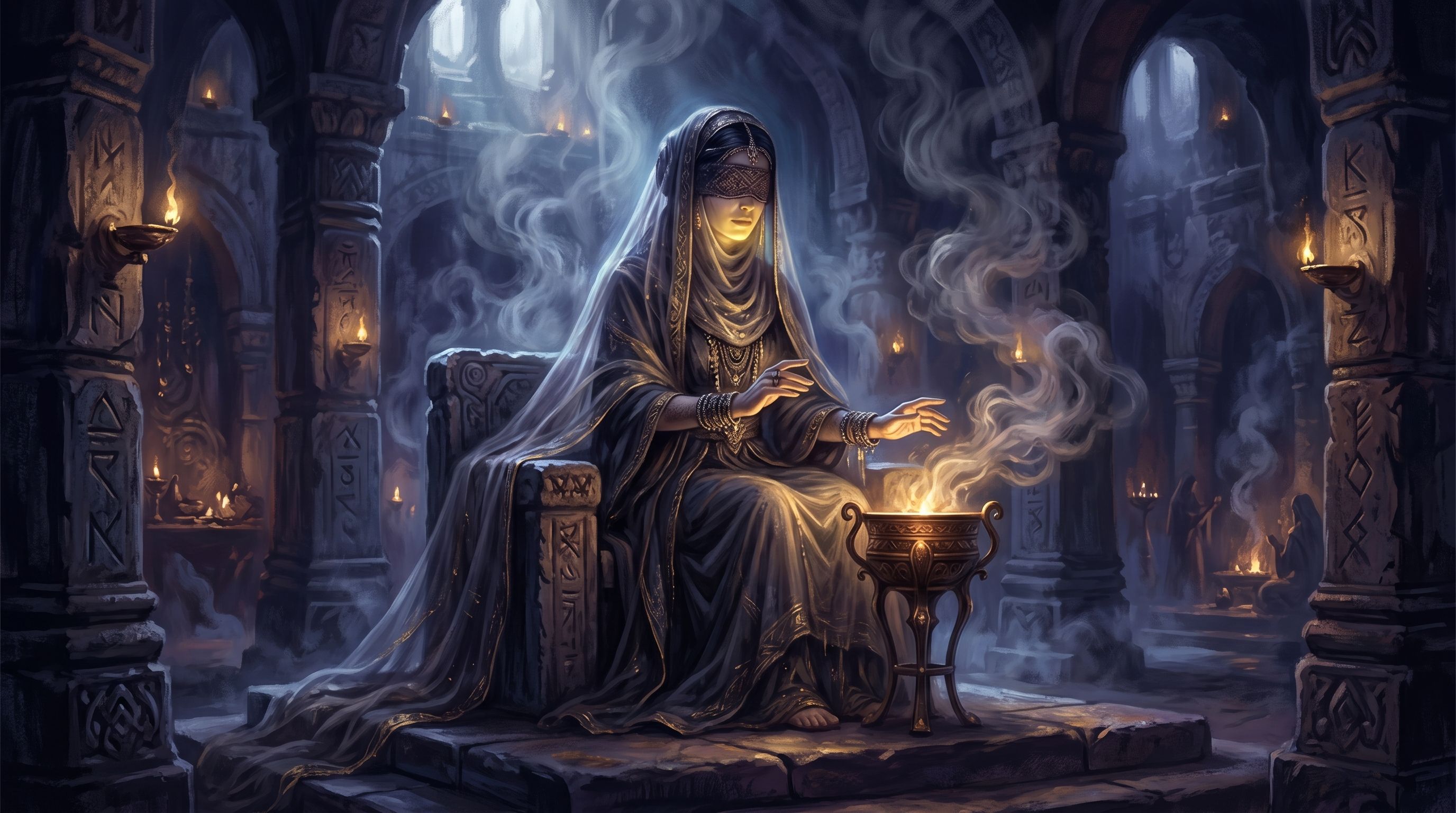
How did you feel when you crossed the threshold of your dream temple? The act of entering is often more important than what you find inside. It represents your willingness to look inward, to leave the "profane" world of chores and logic behind for a few moments of introspection.
If you found it difficult to enter—perhaps the doors were locked or the stairs were too steep—it might suggest that you are currently resisting a truth about yourself. You might be afraid of the silence you will find there. But remember, the silence of a temple is never empty; it is full of answers that are too quiet to be heard during the day.
In your waking life, the world can feel as vast and overwhelming as a globe spinning out of control. Your dream temple is the counterweight to that vertigo. It is the place where you are allowed to simply be, without performing or producing.
---
Honoring the Silence
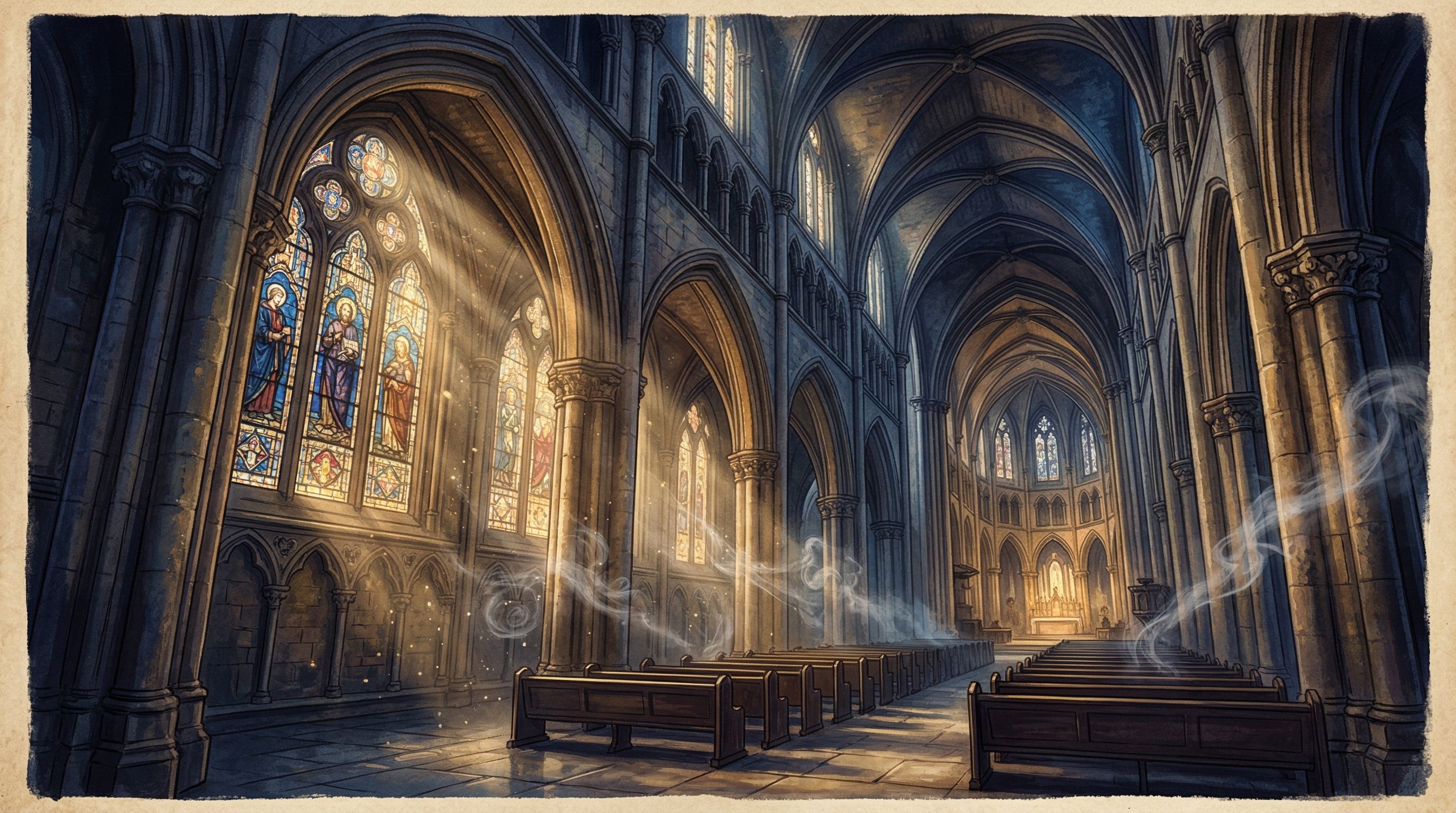
When you wake up from such a dream, I invite you to stay still for a moment. Don't reach for your phone immediately. Try to carry the "atmosphere" of the temple into your morning. What was the air like? Was there a specific scent, like old paper or dried flowers?
These sensory details are clues. A scent of incense might suggest a need for more ritual in your life, while the smell of rain might point toward a need for emotional cleansing. Your subconscious is giving you a map; it is up to you to walk the path.
You don't need to be a monk or a mystic to have a sacred life. You only need to acknowledge that there is a part of you that requires quiet reflection. Treat your mind with the same respect you would show a physical temple. Don't clutter it with noise that doesn't belong to you.
If you feel the need to document these inner architectures or to keep a record of the symbols that visit you at night, your Baku is always here to help you listen. If you want to explore your dreams more in depth, your Baku is waiting for you.
Fear your nights no longer. Even when the world feels chaotic, you have a sanctuary within you that is always open, always silent, and always yours.
I once met a dreamer who spent weeks climbing a mountain in her sleep, desperate to reach a golden temple at the summit. When she finally pushed open the heavy wooden doors, there was no deity inside, no glowing chalice—only a single, worn wooden bench. She woke up furious, feeling cheated by her own mind. But as we sat with her dream, she began to see the truth: the temple wasn't a library of answers; it was a permission slip to rest. Sometimes your psyche builds these towering monuments just to offer you a quiet refuge, a way of dreaming of sanctuary far from the relentless noise of your waking life. Do you feel the coldness of the stone under your bare feet when you walk through those doors? That physical chill is your mind's way of grounding you, pulling you out of your spinning thoughts and back into the simplicity of the present moment.
It always slightly annoys me when modern dream guides reduce every sacred building to rigid dogma or moral guilt. In the old traditions of my home, the boundary between the sacred and the wild is beautifully thin. A temple isn't meant to keep nature out; it is designed to let it in. If you dream of a temple where ancient roots are cracking the flagstones, do not mistake this for decay. You are witnessing a beautiful reconciliation between your structured ego and your wild, instinctual self. Your mind is reminding you that your true essence cannot be confined to neat, intellectual boxes. If your dream temple is overgrown, it is a beautiful bridge, a way of dreaming of trees growing through the cold floor of your rigid beliefs. It is a sign that your spirit is learning to breathe again, wild and untamed, beneath the open sky.