The theater of the ego: between narcissism and truth
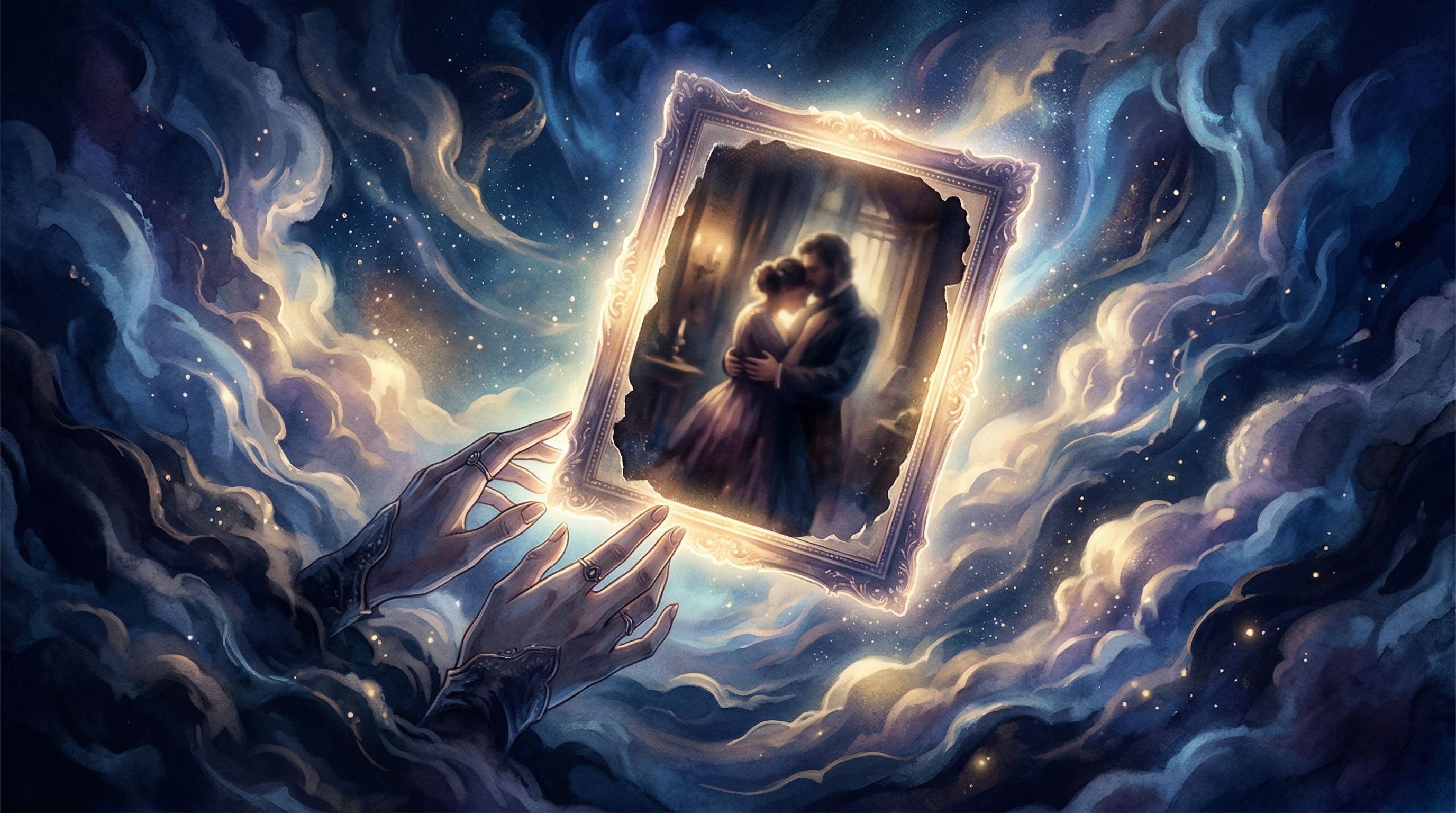
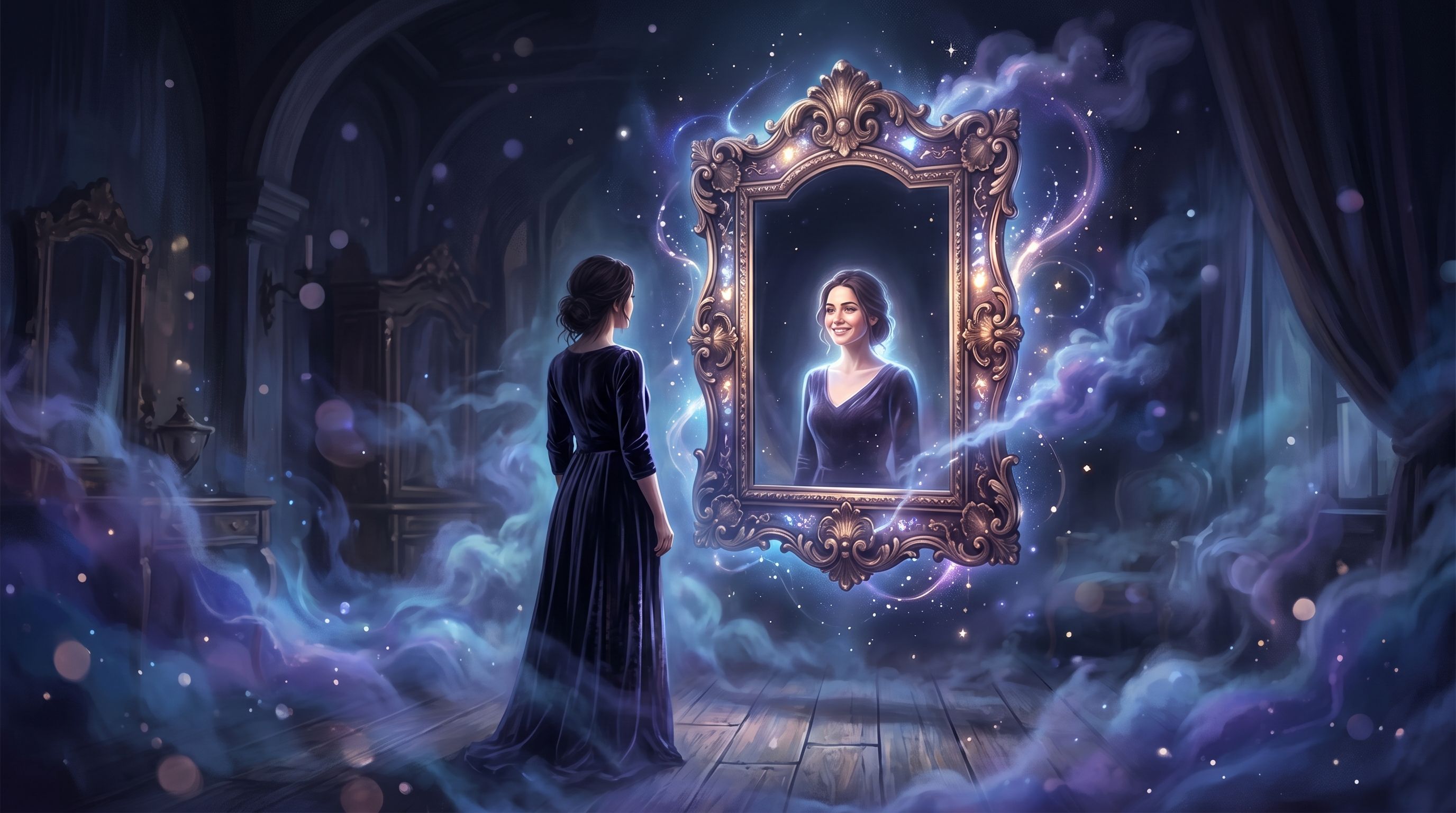
I sometimes hear voices rise to criticize these dreams, calling them superficial. "More narcissism!" they say. But I disagree. I find that a bit reductive, even unfair. In the world of dreams, nothing is ever truly hollow. When you take a photo of yourself in your sleep, you aren't posting to Instagram; you are trying to capture a version of yourself at a specific moment in time.
It’s a bit like that sensation of freedom and hesitation one feels on a swing: there is a movement, a back-and-forth between who you are on the inside and what you project outward. The selfie is an attempt to freeze that movement. Are you smiling in the photo? Is your gaze sad? Often, the dream highlights the contrast between your real emotion at the moment of the dream and the expression you force for the image on the screen. This is where the message lies: your subconscious is asking if you are spending too much time polishing your "self-image" at the expense of your authenticity.
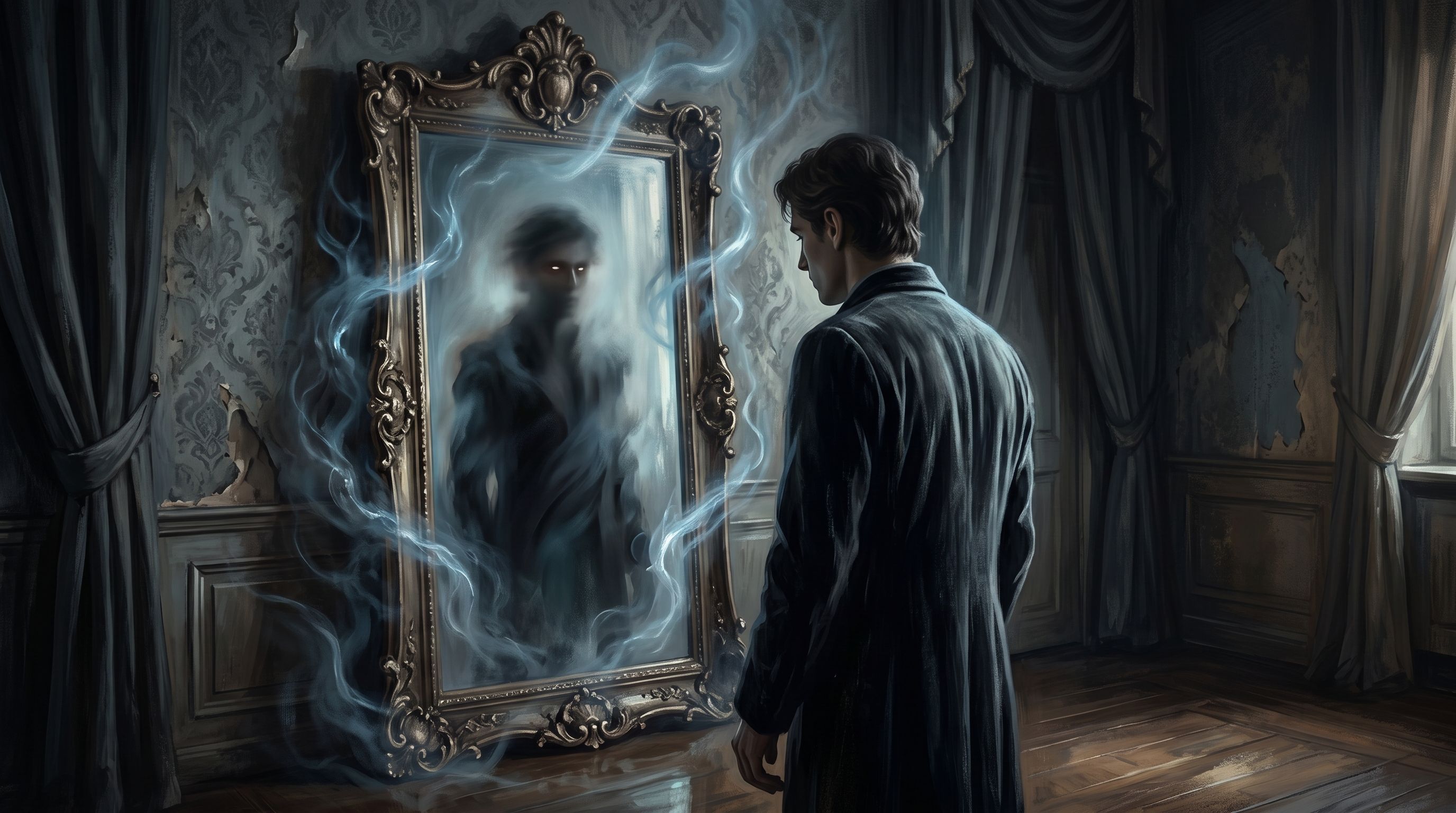
Personally, this symbol fascinates me because it shows how much our technological tools have colonized our imagination to express archaic needs. The selfie is the Mirror of Narcissus, but with the option to add a filter. If, in your dream, you spend an infinite amount of time choosing the right angle, perhaps you feel observed, scrutinized, or even judged in your waking life. You seek perfection because you fear your true face might not be enough.
When the device malfunctions: cracks in the reflection
Sometimes the dream turns into a little nightmare—the kind I love to nibble on to bring you relief. The screen stays black, the image is monstrously distorted, or worse, you don’t recognize yourself at all in the shot. Do not let these visions frighten you. They are not omens of madness, but wonderful markers of your inner growth.
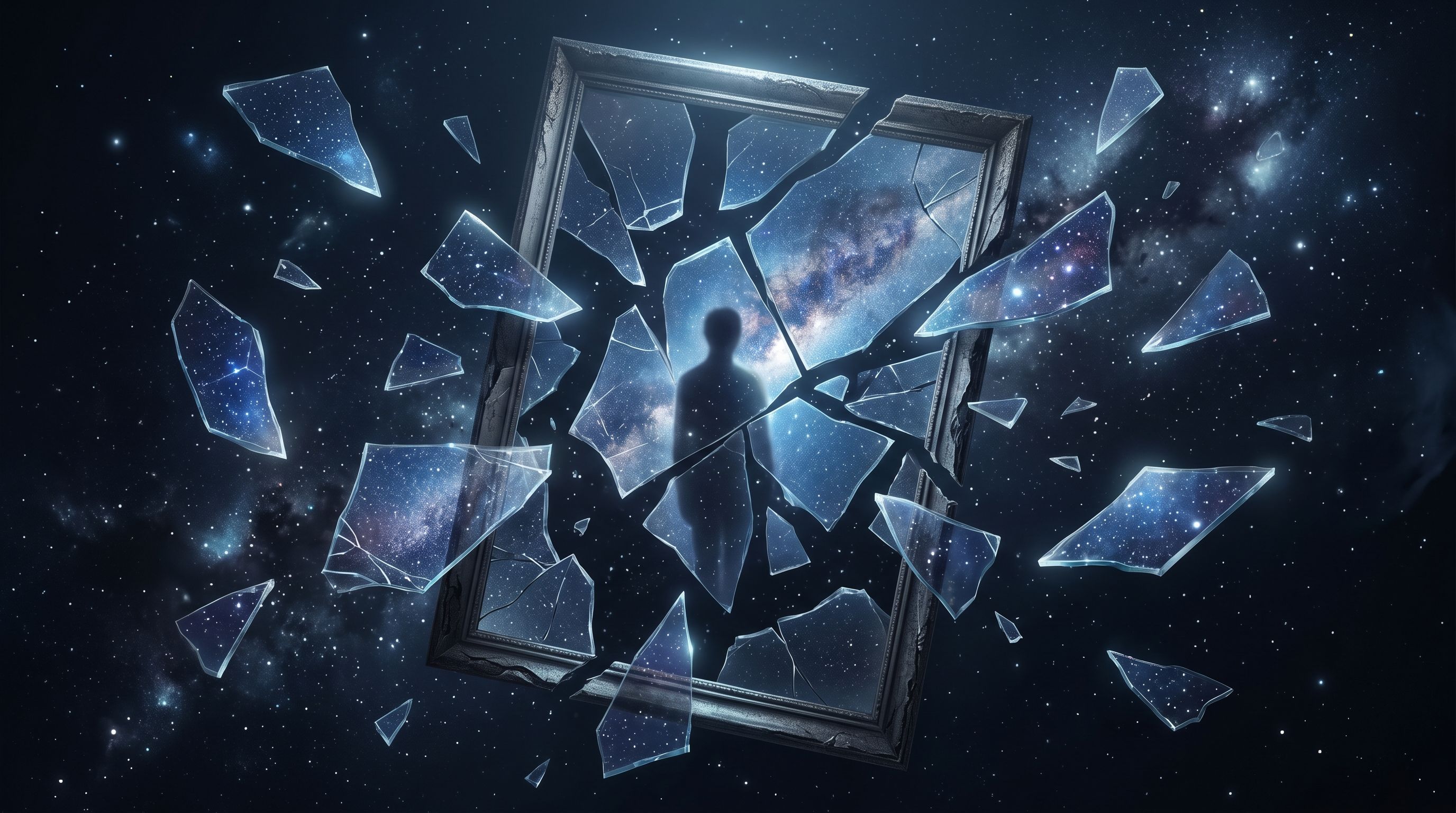
Imagine your mind is a lake. If you try to take a selfie while the surface is stirred by an emotional storm, the reflection will inevitably be shattered. These distortions are invitations to let go of control. We can sometimes feel as vulnerable as if we were losing our balance, much like those dreams where we feel ourselves falling into the void, except here, it is your identity that seems to waver.
Here are a few situations I have often encountered in the stories of my dreamers:
A selfie with a stranger: Who is this person photobombing you? They often represent a "shadow self" or a quality you haven't yet integrated. If they are smiling while you are serious, they might represent the joy you are denying yourself.
A broken camera or cracked screen: This is a sign of a breakdown in communication with yourself. You can no longer see yourself clearly, perhaps because you rely too heavily on external opinions.
Taking a selfie in an unusual place: If you are photographing yourself in a church, a graveyard, or a dark forest, ask yourself: why do you need to prove you were there? Is it a need to mark your territory in a situation that is slipping away from you?
Honestly, interpretation is never an exact science. A selfie can be a cry of joy ("Look, I exist and I am happy!") just as it can be a silent plea for help. What matters is the emotion that remains when you wake up—that little shiver when you remember the flash of the light in the darkness of your mind.
Learning to love oneself without the lens
My advice as a Baku, if you have this dream often, is to ask yourself which part of you is clamoring for so much attention. We live in a world that constantly asks us to stage our lives, and your subconscious eventually reaches a saturation point. Selfie dreams are often a safety valve to release the social pressure of "seeming" rather than "being."
The next time you see yourself reaching your phone toward your face in a dream, try, if you can, to lower your arm. Look around you. The dream world is vast and full of wonders that do not ask to be photographed, but simply to be lived. You are much more than an image of a few pixels on a dream screen. You are the dreamer, the creator, and the entire landscape itself.
I have always found it curious how the flash of the camera in these dreams behaves. Sometimes, it is so bright it temporarily blinds you, erasing the world around you. This sensory detail is never accidental. When you focus so intensely on framing your own face, the background fades into a blur. I once met a dreamer who was so obsessed with taking the perfect selfie on a cliffside that she didn't notice the beautiful, silent snowfall happening right behind her. It makes me a bit sad, honestly. Your subconscious might be pointing out how your hyper-focus on self-presentation is blinding you to the quiet miracles of your present reality. You are so busy proving you are there, living the moment, that you forget to actually live it. The dream-flash is a gentle warning: put down the lens before the world behind you disappears.
There is another variation that honestly sends a shiver through my spirit-fur: the blank selfie. You press the button, the shutter clicks, but the screen reveals absolutely nothing—just a pale, empty white square where your face should be. Many dream interpreters will rush to tell you this means you have "lost your identity," but I dislike such clinical, absolute diagnoses. To me, this blank screen is a sacred pause. It is highly reminiscent of the quiet anxiety of opening a book with blank pages, where the story has yet to be written. If your dream-self cannot be captured, perhaps it is because you are currently transitioning between two versions of yourself. The old mask has dissolved, and the new one has not yet formed. Do not fear this emptiness; it is not an erasure of who you are, but a clean canvas waiting for your true colors to emerge.
If the faces that inhabit your nights intrigue you—whether they are your own or those of strangers—you might find some peace by recording them in your Dream Character Journal on Midnight Mind; it is a gentle way to give space to all those facets of yourself that are trying to speak to you.