The Clash of Horns: When Impulse Asks to Be Heard
Often, while tasting the dreams of dreamers, I come across that warm, metallic flavor that accompanies the image of the ram. It is a presence that does not apologize for existing. Unlike other more fleeting creatures I have analyzed in Animals in Dreams: Instincts and Desires, the ram does not hide. It stands there, firmly planted on its hooves, ready to engage in battle or climb the steepest slope.
What always strikes me is the duality of this symbol. The ram is, above all, the head. In the morphology of dreams, the head represents our thoughts, our projects, and our ego. When a ram appears, your subconscious might be pointing a finger at that pesky tendency we humans have—blessed as we are with reason—to want to "force our way through." Are you trying to solve a problem by hitting the same spot over and over, hoping the wall will eventually give way? Sometimes, wisdom does not lie in the force of the impact, but in the pause that precedes it.
But please, do not misunderstand my analysis. I am not one to think that stubbornness is a flaw. There is a wild beauty in the ram's perseverance. It is a springtime force, the kind that allows a green shoot to pierce through asphalt. If you feel like you are stagnating right now, the ram comes to lend you its thick skull so that you can finally break down the doors that have remained closed.
Between Protection and Destruction: The Dynamics of the Impact
In some of the stories shared with me, the ram is not the aggressor, but the protector of the home. There is a slender link between the sturdiness of this animal and the structure of our lives. It is interesting to note that in architectural symbolism, we often find this idea of necessary solidity, much like I explained in Dreaming of a Roof: Meaning and Interpretation. While the roof protects you from the elements, the ram defends the territory.
Yet, I have one small reservation, an opinion I often share with the dreamers I encounter: I am wary of the "automatic response." The ram often dreams for us when we have lost our capacity for nuance. If, in your dream, the animal charges without a specific target, it might be that your impulse is disconnected from your heart. We run, we charge, we fight... but why?
Here are a few nuances to meditate on, depending on the context of your nocturnal encounter:
The ram chasing you: This is not an attack; it is a part of you—an energy you refuse to claim—that is nipping at your heels so that you will finally put it to use.
A flock of rams: This represents the strength of the collective, but also the risk of losing your individuality in a thoughtless group action.
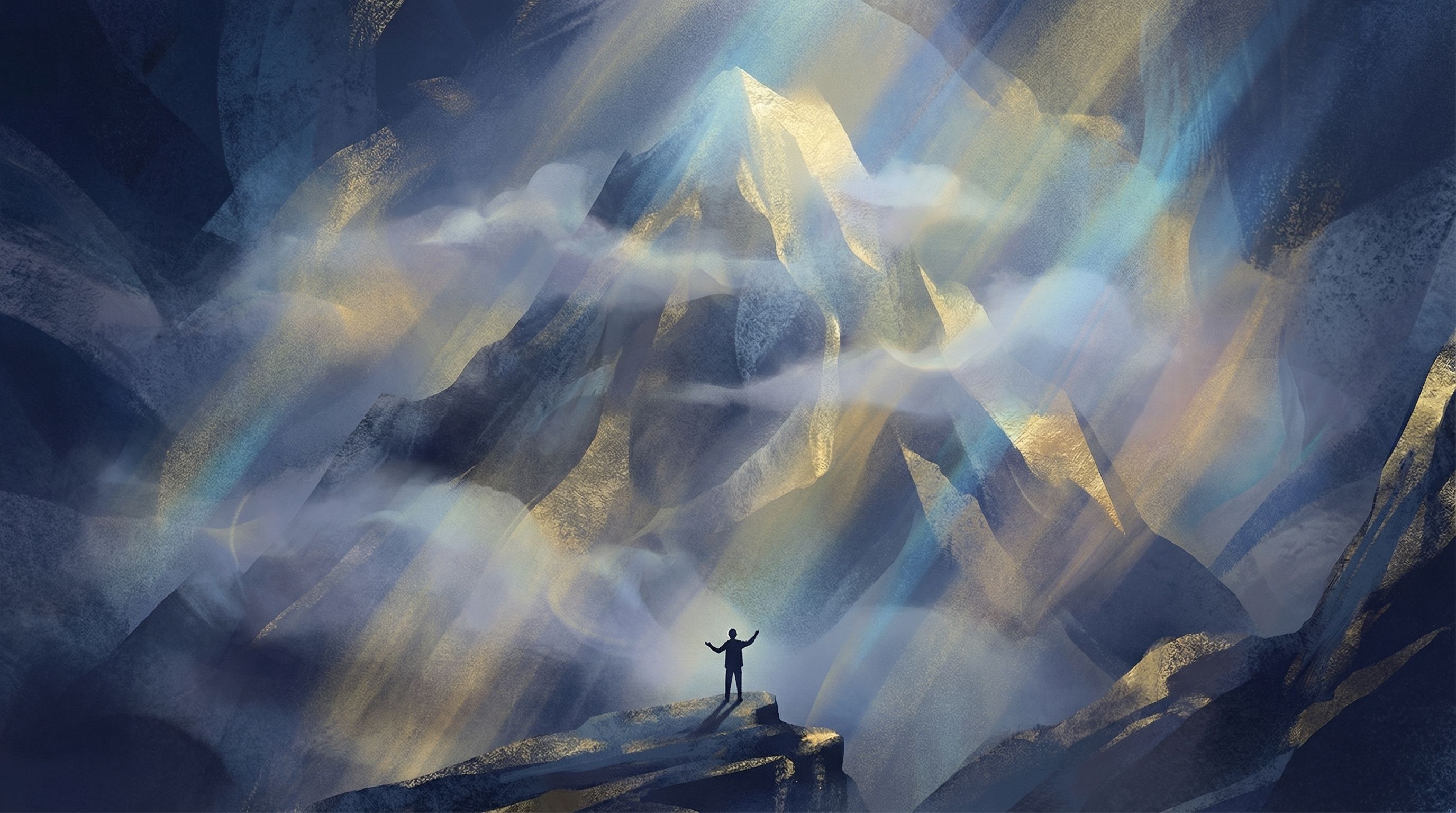
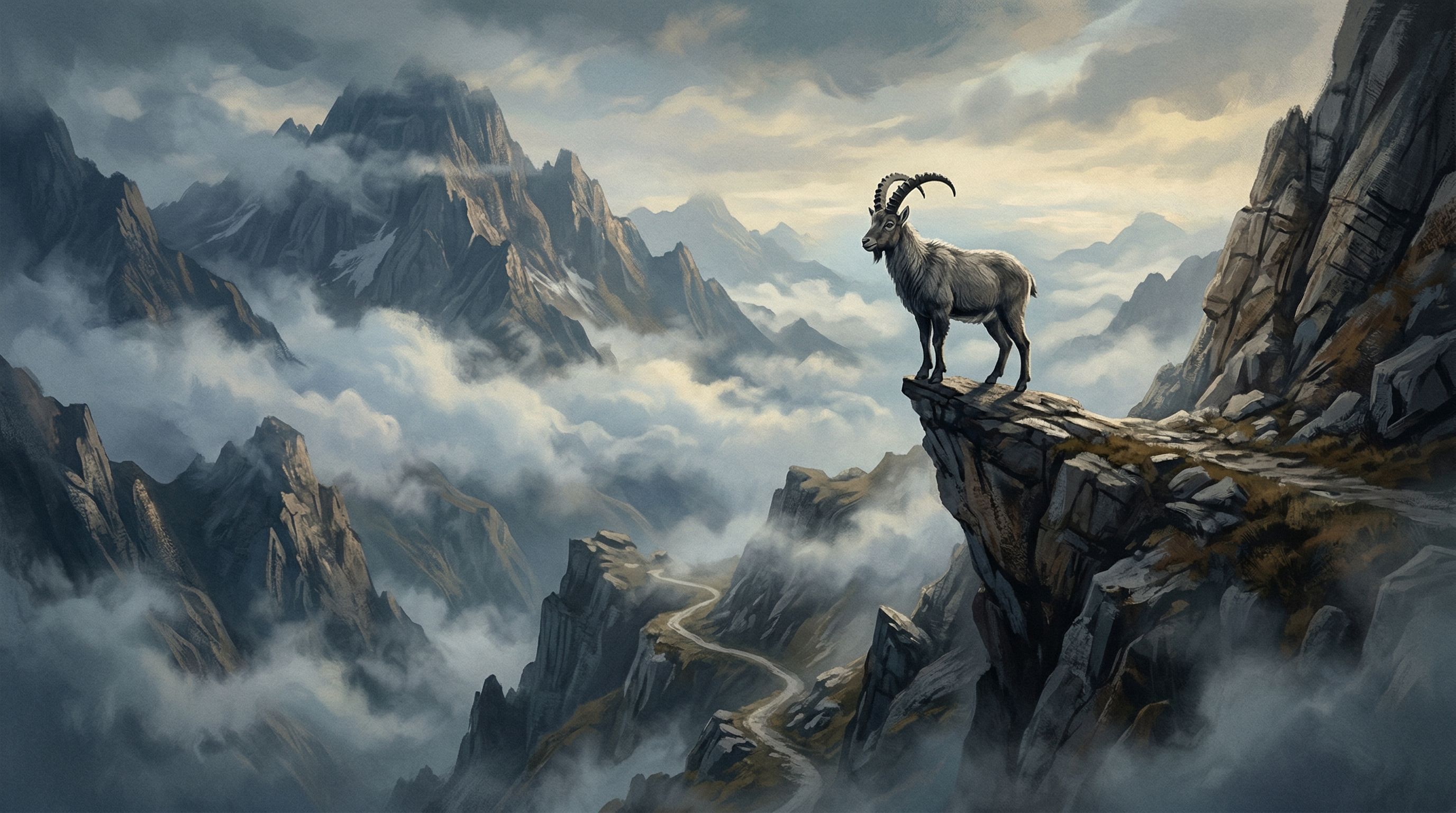
A peaceful ram on a mountain: This is perfect balance. You have mastered your strength, you are standing on the heights, and you have no need to strike anyone to prove your worth.
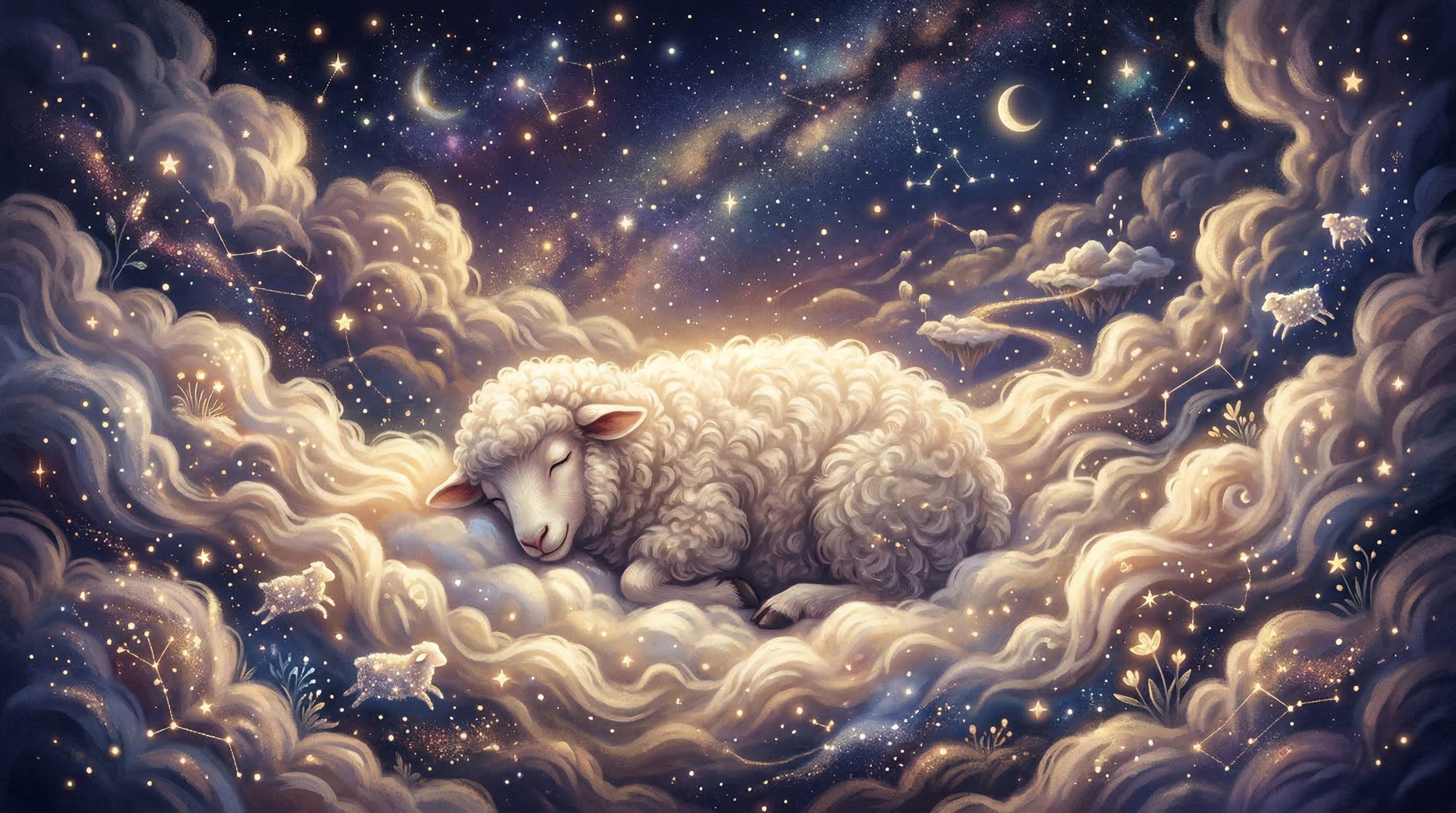
Honestly, the exact interpretation sometimes escapes even me, because every dreamer brings their own color to the ram's wool. Is it white like a summer cloud or black like a moonless night? The feeling you experienced upon waking is your most reliable compass. If you felt powerful, then it is a gift from your subconscious. If you felt oppressed, it is an invitation to let go of a fight that perhaps no longer belongs to you.
Take the time to gently hold the idea of this strength within you. The ram does not ask to be tamed, but to be directed with discernment. Do not fear the shocks of life; sometimes, they are the only sounds loud enough to truly wake us up.
I once met a dreamer—a gentle soul who worked in a library—who told me she didn't see the ram's horns, but could only feel its thick, oily wool pressed against her chest. She woke up feeling suffocated, smelling the dusty scent of dry grass and lanolin. It made me think about how we often focus on the impact, the clash of horns, while forgetting the heavy coat the ram carries. Wool is warmth, but it is also a burden of unsheared history. Are you carrying the expectations of your lineage like a heavy winter coat in the middle of summer? Sometimes, your dream is not asking you to fight, but to shed. It is a quiet reminder that you do not need to wear armor made of old wool to protect your softest parts from the coldness of this world.
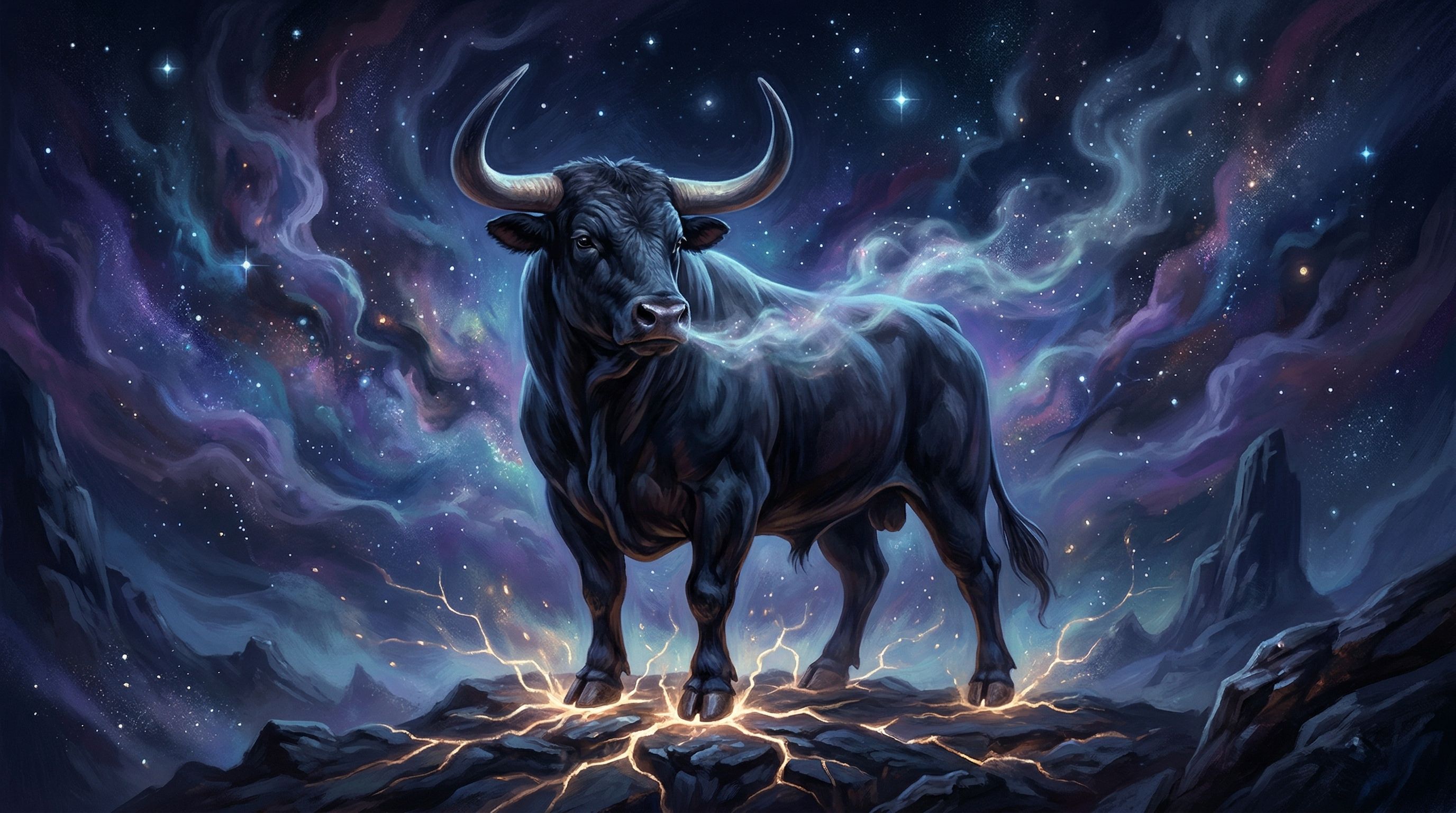
Sincèrement, the geography of this dream fascinates me. Unlike the heavy bull that dominates the flat mud of the arena, the ram is a creature of the heights. It seeks the steep, rocky edges where the air is thin and one misstep means a fall. If your ram is climbing in your dream, it speaks of a lonely ambition. I often see this in people who are going through brutal professional transitions, those who feel they must scale the mountain entirely alone. But there is a difference between climbing with the agile grace of a mountain spirit and dragging your exhaustion up the slope out of pure pride. If you are bleeding on the rocks, the summit will offer no peace. Ask yourself: is it the peak you desire, or are you just running away from the valley?
I am always a bit weary of those popular dream dictionaries that claim a ram always portends victory over enemies. What a tired, aggressive way to look at our inner world! To me, the most beautiful ram dreams are the ones where the animal's horn is chipped or broken. It is a vulnerable image, almost melancholic. A cracked horn is not a sign of defeat; it is a symbol of a boundary that has finally softened. In ancient traditions, the horn was a vessel for abundance—the cornucopia. When your dream-ram shows its scars, it is telling you that your strength no longer needs to be perfect to be useful. Your cracks are where the water enters, where the rigid ego finally lets the soul breathe.
If the gaze of this ram continues to haunt you, or if you want to keep a record of this impulse for your future sleep cycles, you might entrust this image to your personal logbook. In the Midnight Mind app, we have created a space to collect these symbols and even transform them into visual stories if you feel so inclined. This might help you see if this ram visits you often, and why.