The Inner Courtroom and the Weight of Your Own Gaze
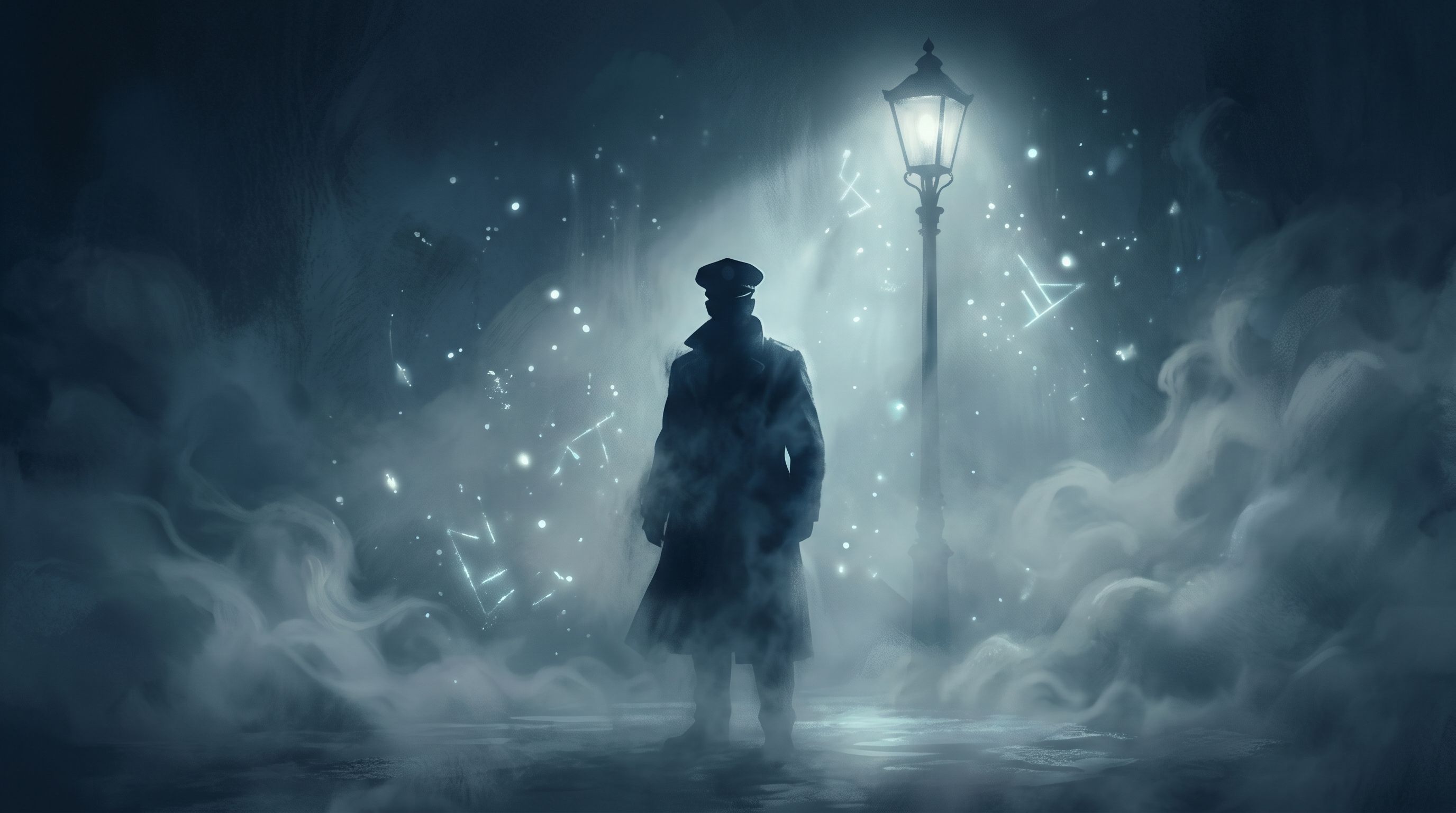
It often saddens me to see how many people interpret a police station as a literal omen of legal trouble. In the realm of dreams, where I wander, a police station is rarely about the law of the land. Instead, it is a mental fortress—a construct where you store your concepts of right and wrong. When you find yourself walking those sterile corridors, you aren't being judged by society; you are being observed by a part of yourself.
This place represents the ultimate seat of authority. However, this authority is almost always internal. It is that small, persistent voice telling you that you aren't doing enough, or that you’ve "acted badly" simply because you chose to prioritize your own well-being. If the atmosphere feels oppressive, it is likely because your inner judge has become too zealous.
I have seen many dreamers lock themselves into symbolic cells because they didn't dare grant themselves the right to make a mistake. It is a fascinating, albeit heavy, realization to see how easily you can become your own jailer. Sometimes, the station is as intimate as the bathroom, a place where you confront your "dirt" or secrets, but under a much harsher, public light.
---
Between Protection and Arrest: Navigating the Nuances
The meaning of your dream shifts radically depending on your role within the station. The structure of a police station is inherently rigid, and it is this rigidity that your mind is currently testing.
If you enter the station to ask for help or file a report, it is a significant sign of growth. It means you recognize a need for boundaries or protection. Perhaps your waking life feels like a stormy sea, and you are looking for a harbor—even an austere one—to feel safe. You are trying to establish a new order after a period of emotional turmoil.
Conversely, being arrested or pursued is an experience many describe as a nightmare. But for me, as a Baku, I see it as a moment of profound release. Why? Because an arrest is the moment the secret bursts open. Being "caught" often means you can no longer run from a truth about yourself. It is the end of the masquerade. You are stopped so that you are forced to face a problem you have carefully avoided.
🌙 The Echo of Yume : The handcuffs of the mind are often forged from the "shoulds" we carry; unlocking them requires the key of self-compassion.
A Concrete Example: The Case of the Missing File
Imagine you are in a police station, desperately trying to report a theft, but the officer ignores you or tells you that the file is missing. This is a common "use case" for the subconscious. It often reflects a situation in your waking life where you feel your boundaries have been violated—perhaps a friend betrayed your trust or a colleague took credit for your work—but you feel you have no "legal" right to be angry. The dream is staging your struggle to have your pain validated. You are looking for a witness to your own suffering, seeking a sense of legitimacy that you are currently denying yourself.
---
Learning to Dialogue with Your Own Guardians
This symbol remains mysterious even to me, despite centuries of observing the human mind. Every station is different: some are futuristic and cold, while others look like dusty offices from a vintage film. This aesthetic says a lot about how you perceive morality. Is it something modern and technocratic to you, or a heavy, old family inheritance that you still carry?
If you wake up with the memory of a siren, do not go looking for what "mistake" you made in reality. Instead, look for where you feel "under surveillance." Is it at work? In your relationship? Or is it simply you, refusing to let yourself off the hook? Some psychological perspectives suggest that these figures of authority are manifestations of the "Superego," the part of your psyche that strives for perfection and follows the rules.
Dreams are messages, not threats. If your mind has built an entire police station, it is to show you that you have the resources necessary to bring justice to yourself—but perhaps with a little more gentleness. You don't need a hard shell like a seashell to protect your vulnerability; you just need to understand the rules you are playing by.
Remember that every character you meet in those offices, from the suspect to the chief, is a part of you. By listening to them, you can transform this place of oppression into a space of understanding. The next time you return there in your sleep, try to ask the officer what they are truly trying to protect. The answer might surprise you.
If you want to explore your dreams more deeply, your Baku is waiting for you.
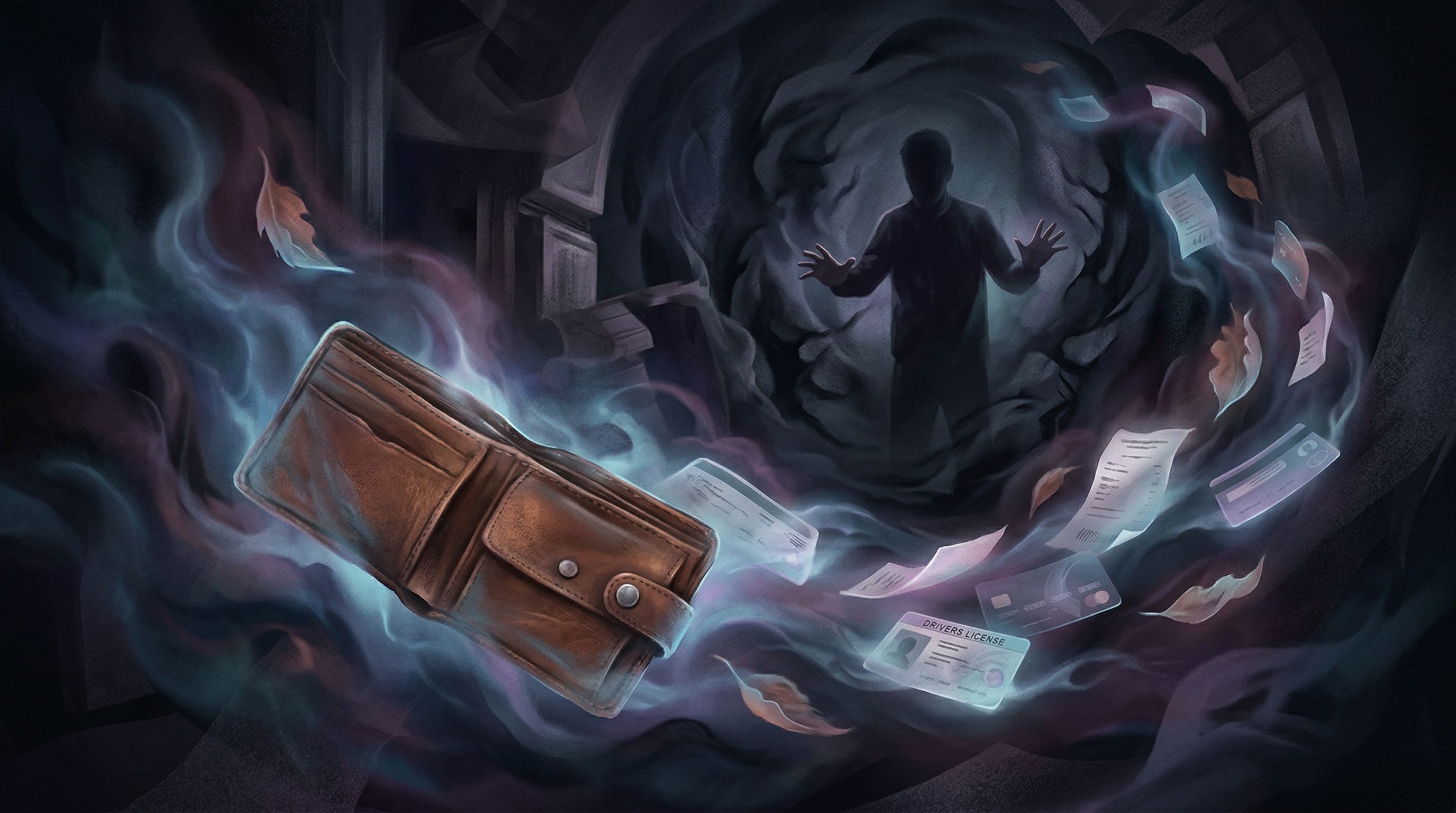
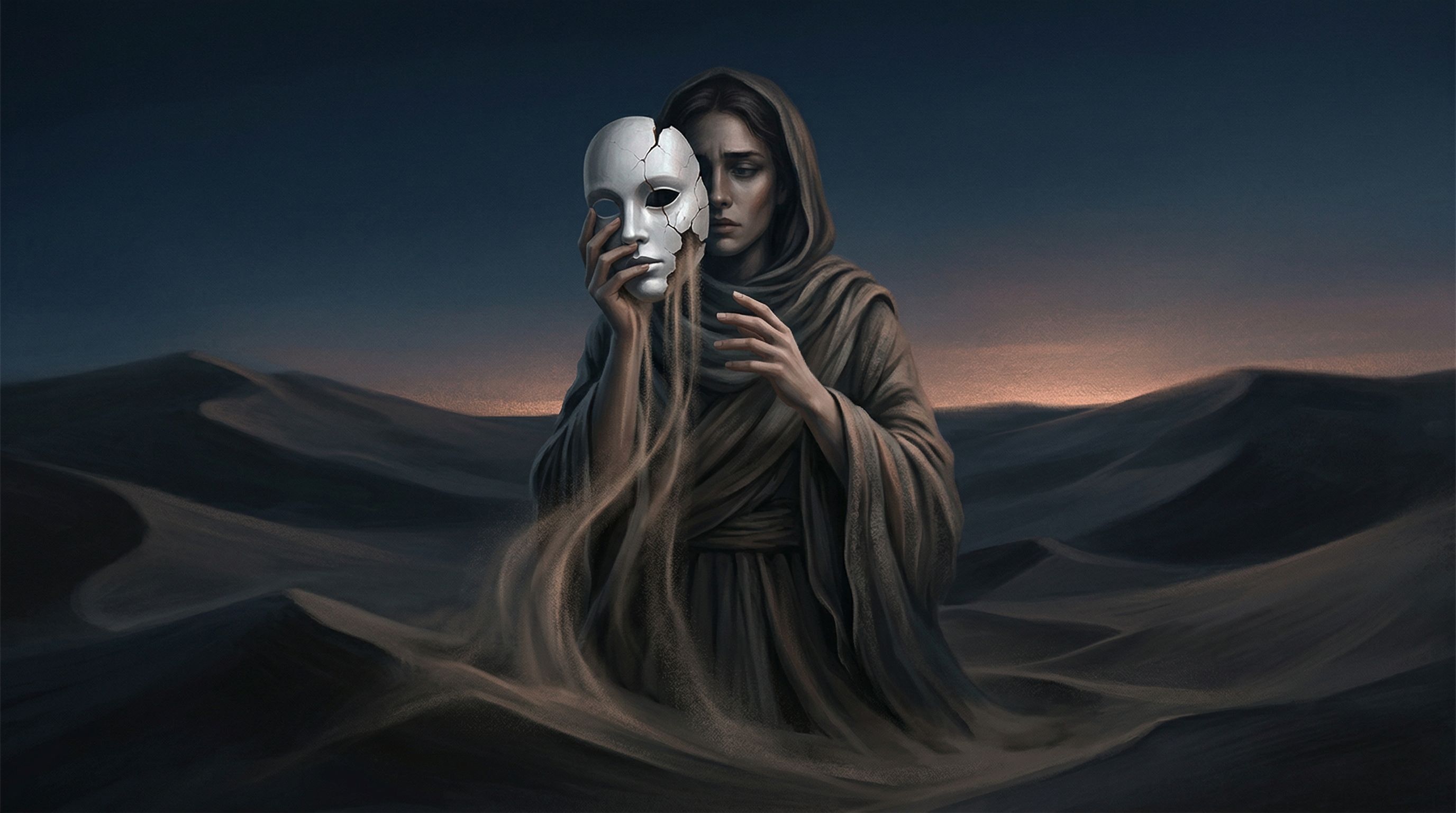
I once met a dreamer—a quiet artist who had spent decades living to please her traditional family—who dreamed of standing in a crowded police station lobby, frantically trying to prove her identity without any papers. The desk officer simply stared at her, face completely blank. Sincerely, this specific struggle has fascinated me for years. When you are going through a major life transition, like leaving a secure career or stepping out of a toxic relationship, your psyche often experiences a form of bureaucratic panic. While confronting a stern police officer represents a direct clash with your internal rules, losing your papers inside their station reveals a deeper fear: the dread of losing your social mask. You go to the station looking for validation, only to find that the old registry doesn't recognize you anymore. It is a terrifying, beautiful void.
It softly annoys me how modern life has turned self-improvement into another set of rigid laws. We are told to be perfectly mindful, perfectly productive, perfectly healed. This pressure creates a new kind of inner precinct. In your dream, this mental tension often manifests as the specific, grating sensory details of the station: the persistent hum of cheap fluorescent lights, the smell of damp paperwork, or the cold metal of a folding chair. These unpleasant sensations are not there to punish you; they are your body's way of whispering that your mind is currently too rigid. When the atmosphere of your dream is frozen in bureaucracy, it is usually because you have stopped letting your life be beautifully messy. Your unconscious is using that cold, gray station to wake you up to the warmth of your own human flaws.
Sometimes, the station doesn't look like a building at all, but rather a twisting, endless maze of corridors where you keep turning corners only to find more closed doors. Honestly? This labyrinthine aspect remains one of the most mysterious layers of the dreaming mind. It occurs when you are caught between what you believe is 'right' and what your deeper instincts are crying out for. You might feel a similar disorientation to wandering through a circular labyrinth of your own thoughts. When the police station becomes a maze, it suggests that your moral compass has become too complex, tangled up in old family loyalties or societal expectations that no longer serve you. You are searching for an exit from a system of rules that you didn't even write in the first place.