The Sanctuary of Innocence: More Than Just a Memory
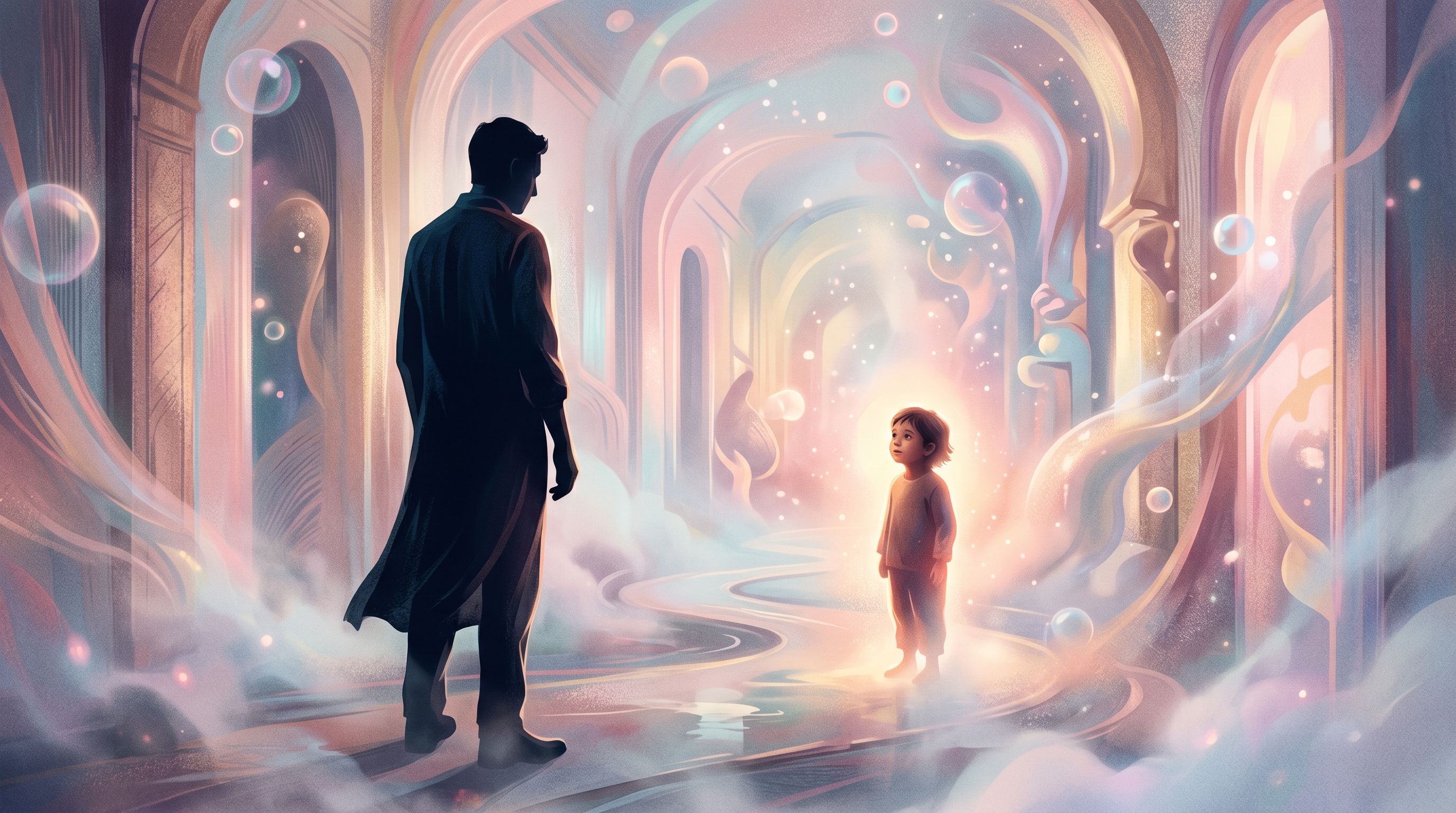
In my work as a Baku, I often observe that dreamers return to this room when they feel lost in the labyrinths of their waking life. Your childhood bedroom isn't just a geographical location from your past; it is a psychic space where time holds no sway. It is the laboratory of the imagination—the place where you learned to dream before you even knew the world could be harsh.
When you dream of this place, your subconscious isn't speaking of sterile nostalgia. It is whispering that something pure, a form of innocence, is asking to be reintegrated into your daily life. I sometimes grow weary of interpretations that claim this is a sign of immaturity. It is quite the opposite! Having access to your inner childhood bedroom means possessing a spring of fresh water in the middle of a desert of responsibilities. It’s a bit like that feeling of gentleness and peace one might feel when watching a little koala snuggled against a tree: it is a return to the essentials, to an accepted vulnerability.
If the room is bright and peaceful, you are likely making peace with a chapter of your story. But if it feels oppressive, perhaps you have locked away emotions there that you didn't have the tools to process at the time.
What the Walls Whisper: Clutter, Dust, and Hidden Treasures
The appearance of the bedroom in your dream is crucial. I remember a dreamer who told me she saw her childhood room completely empty, the walls repainted in a clinical white. She felt empty, too. She had tried so hard to be perfect, to be that "serious adult," that she had erased every trace of her original whimsy. She needed to rediscover that purity of the lily—not a moral purity, but a clarity of intention, a simplicity of being.
Here are a few variations I often encounter and what they tell me about you:
The messy bedroom: This isn't a critique of your housekeeping! It is often a sign of a bubbling creativity that hasn't found an outlet. Your old dreams and the games of your youth are calling for your attention.
A room you don't recognize: Sometimes, we dream of a child’s bedroom that isn't ours. This is fascinating. It suggests you are exploring aspects of your personality that never had the chance to express themselves—"possible childhoods" that you could still inhabit today.
Searching for something under the bed: Ah, the famous monster under the bed... which is often just a forgotten toy or a secret we once feared. Rummaging through the corners of this room is a quest for truth.
Honestly, I don't believe in dream dictionaries that give a single definition for every object. If you see a teddy bear, it doesn't mean "comfort" for everyone. For some, it represents a broken promise. For others, a silent and faithful presence. What matters is what you feel when you touch that old fabric in your dream.
Making Peace with the Past to Better Inhabit the Present
Dreaming of your past, and particularly of this intimate place, is a gift. It is an opportunity to check if you haven't left your joy for living behind a closed door. We are taught so well how to "grow up" that we eventually believe childhood is an illness to be cured. But for us Bakus, childhood is the fertile soil of all wisdom.
If this dream recurs often, ask yourself this question, without judgment: "What part of the child I once was does the adult I’ve become miss the most?" Is it the ability to find wonder in the small things? Is it the right to say "no" without guilt? Is it the need to be nurtured?
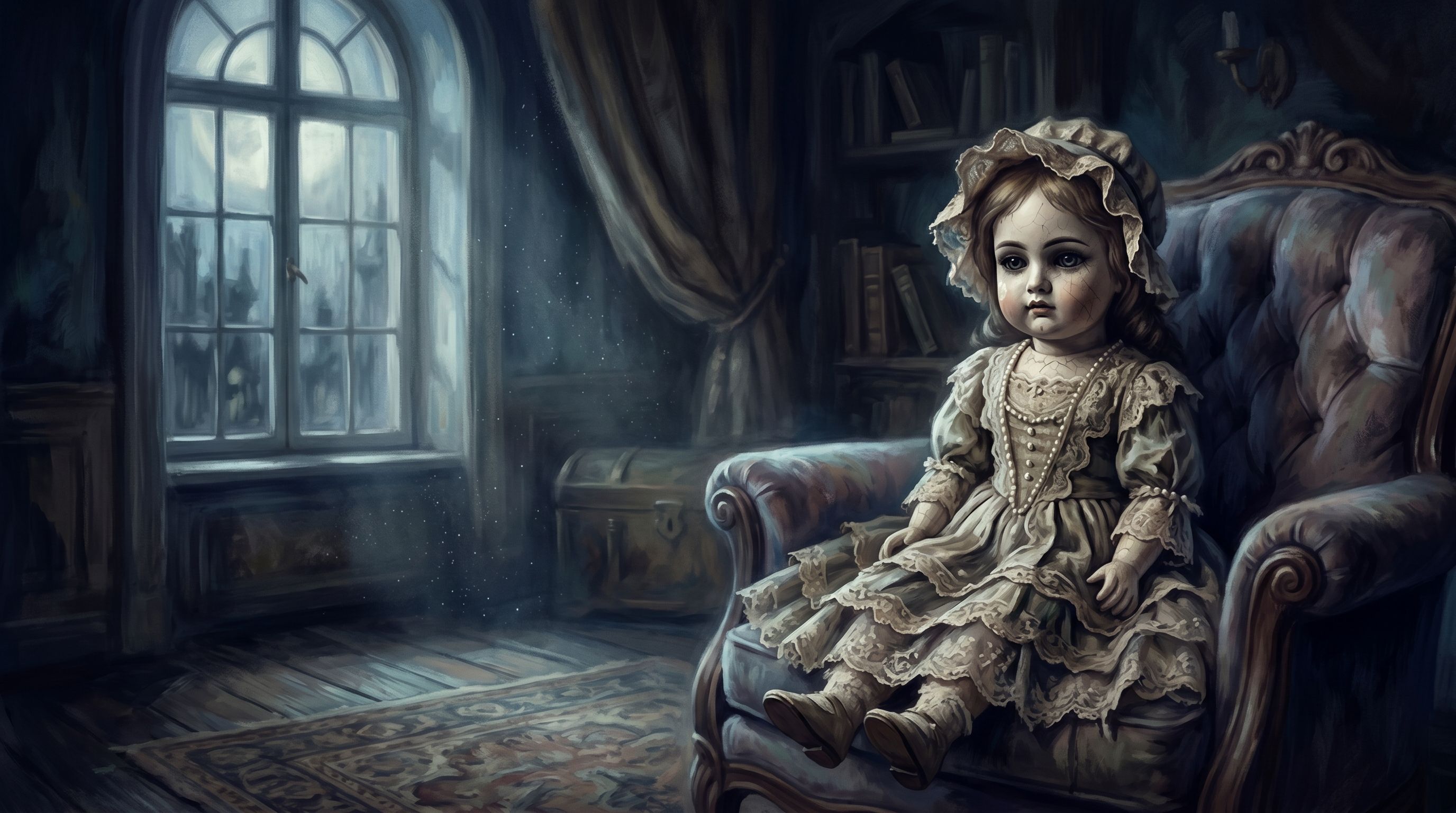
Do not fear these nocturnal visits. The childhood bedroom is a mirror. If it seems dusty to you, you need only open the imaginary window to let in the air of the present. You are not a prisoner of your past; you are its heir. You have the right to pick up the toys that still please you and leave the others in the chest.
Have you ever noticed how the air smells in these dreams? It is never a neutral space. Sometimes it smells of old floor wax, damp paper, or the exact brand of laundry detergent your mother used thirty years ago. I find it beautiful how our minds preserve these scent-memories like pressed flowers in a heavy book. Often, this sensory rush happens when you are standing on the threshold of a massive life shift—perhaps you are about to become a parent yourself, or you are facing the quiet vertigo of midlife. Your unconscious isn't trying to make you regress; it is grounding you. It is reminding you of the soil you grew from before you transplant yourself into a new garden. It is a sensory anchor, a way of whispering that you must remember how you built the first version of yourself, so you can safely build the next.
In Japan, we have a concept called Genfukei, which refers to the primal landscape of one's soul—the fundamental scenery that permanently shapes how we perceive beauty, safety, and distance. For many, this isn't a mountain or a river, but the four walls of a childhood bedroom. I occasionally get annoyed by modern dream dictionaries that dismiss this sacred space as mere infantile regression. What nonsense. When you step back into this room, you are visiting the architect of your emotional blueprint. It is the place where you first felt the weight of loneliness, but also where you first felt the spark of absolute freedom. If you find yourself sitting on that small bed, you are directly interacting with your vulnerable inner child, not to dwell on the past, but to ask them if you are still honoring the promises you made when you were small.
I once met a dreamer who dreamt she was trying to repair a music box in her old room, but the gears had rusted solid. She woke up weeping, convinced her childhood was lost forever. I had to gently remind her that finding a broken toy in a dusty corner of your dream isn't a tragedy—it is a retrieval mission. The mind is a strange archive; it keeps the damaged things because it knows they still hold value. Honestly, even I sometimes doubt the exact meaning of these ruined childhood spaces. Is the decay a sign of neglected grief, or is it simply the natural, healthy fading of a past that no longer needs to be carried? Perhaps it is both. Dreams don't demand that we repair every broken relic; sometimes they just want us to witness them, to hold them in our hands for a moment, and then softly close the door.
Every symbol you bring back from this room is a key. If you feel the need to document these journeys or to understand the presence of a specific person you met in those hallways of yesterday, the Midnight Mind app offers a Dreamed People Log that could help you weave the threads between then and now.
Take care of this little space within you. It is there that the most beautiful futures are grown. Be gentle with your memories; they are but shadows waiting for your light to start dancing.