The Mourning of Innocence and the Mirror of the Inner Child
I have devoured thousands of nightmares over the centuries, but those featuring broken toys always have a distinct flavor. It is not the bitterness of fear, but rather the taste of nostalgia and dust. Why? Because a toy, in the language of your subconscious, is an extension of your ability to create, to imagine, and to feel safe in the world.
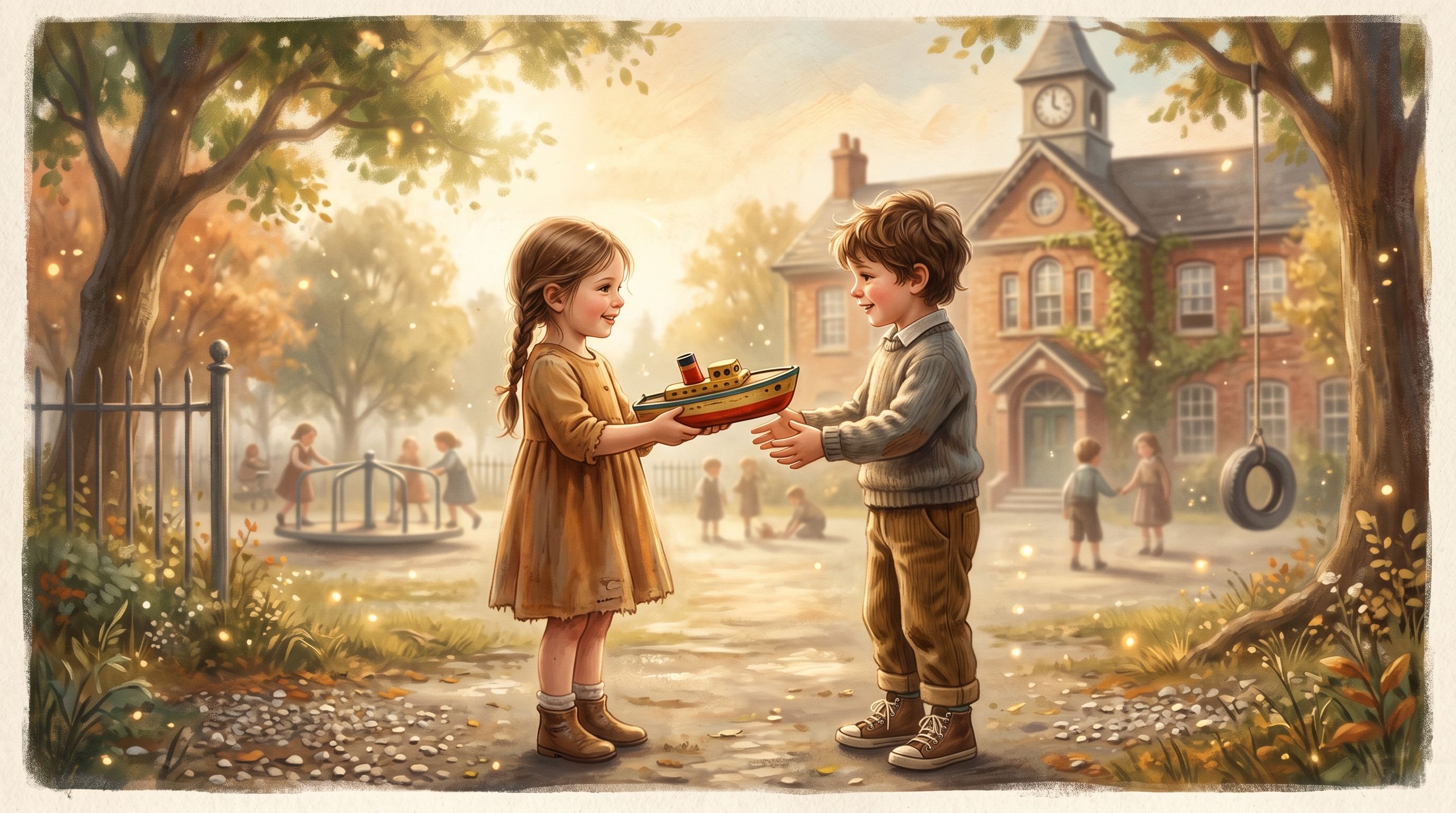
When a toy breaks in a dream, it is often a sign that a layer of protection has cracked. Perhaps you have recently realized that the world isn't quite as benevolent as you hoped, or that a situation you thought you could control has slipped through your fingers. We often speak of a loss of innocence, but I prefer to see it as a passage. The broken toy is a tool that is no longer sufficient. You are growing, and your old ways of functioning—those childhood games you used to interact with others—are becoming obsolete.
Honestly, I find interpretations that systematically link this symbol to future misfortune to be distressingly lazy. The subconscious is not an omen of bad luck; it is a poet using what is dearest to your heart to capture your attention. If you see this damaged toy, perhaps you are examining your own vulnerability as if observing it through a microscope, focusing on the flaw rather than the history of the object. What is broken is not "ruined"; it is simply transformed.
The Typology of Debris: What the Form Tells Us
In the astral realm, the nature of the object matters just as much as its injury. Not all toys tell the same story. I once met a dreamer who saw nothing but robots without batteries. He felt exhausted, unable to act, as if his own vital energy had "broken down."
Here is how I perceive these different nuances:
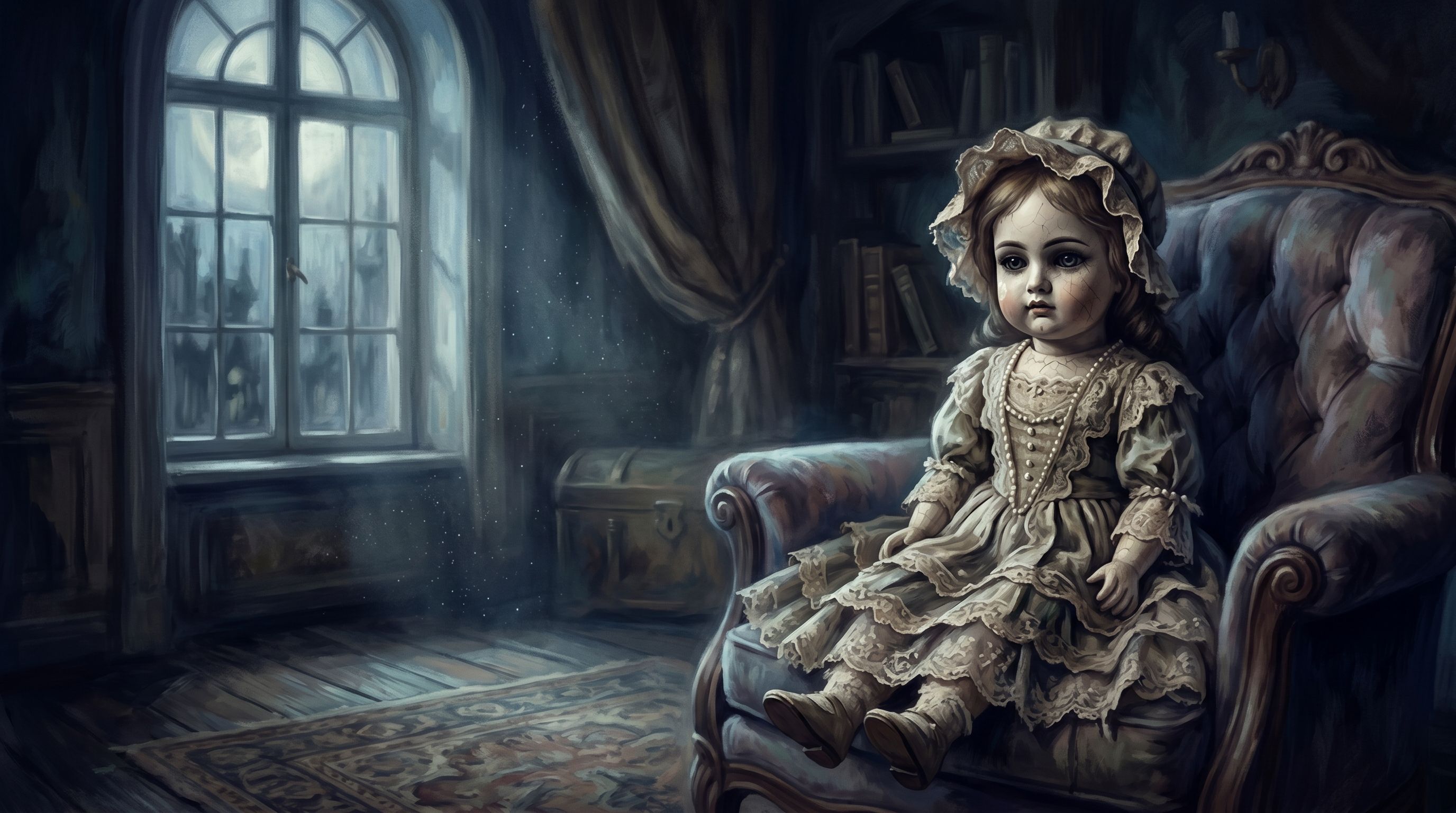
- The broken doll or figurine: This is often a question of self-image. If the doll has a cracked face, perhaps you feel you are wearing a social mask that is starting to feel too heavy. You no longer wish to play the role expected of you.
- The stalled vehicle (train, car): This touches upon your ambitions and how you move forward in life. The loss of mobility in the dream reflects frustration regarding a project that has stagnated.
- The toy you break yourself: This is an act of subconscious rebellion. It is you saying "enough!" You are breaking your own chains, even if they look like toys.
Sometimes, the toy is surrounded by danger, becoming almost prickly or inaccessible, much like a cactus that one no longer dares to touch. This is a sign that your childhood memories have become a defense zone rather than a zone of pleasure. You are protecting yourself behind past wounds so you no longer have to play the "game" of your current life.
But never forget: a broken toy can be mended. In Japan, we have Kintsugi, the art of repairing ceramics with gold. The dream shows you the break so that you may pour your own gold into it: your understanding, your patience, and your love for yourself.
Welcoming the Fragment: Toward a Gentle Healing
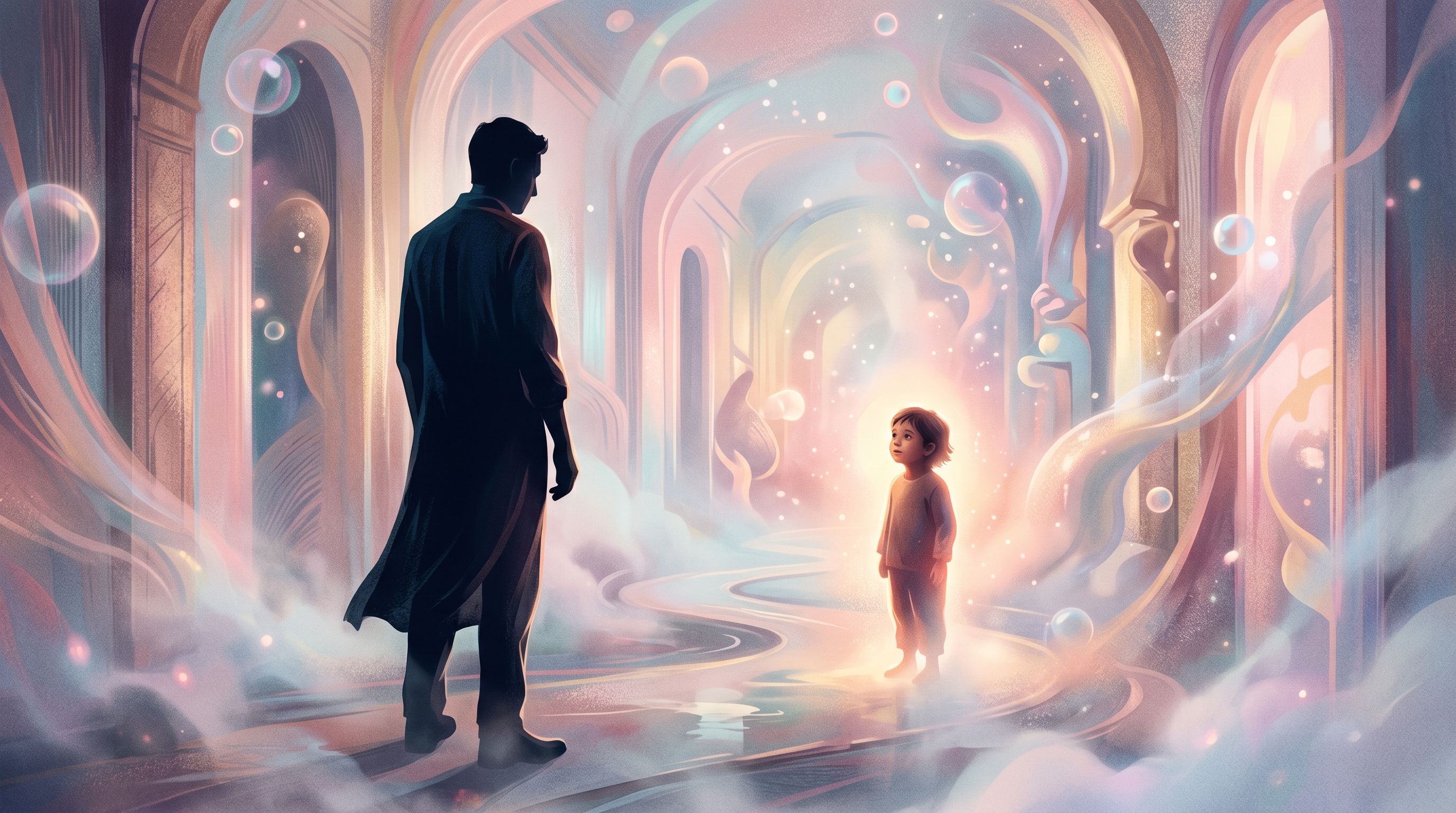
My advice, if this dream returns to haunt you, is not to try and "throw away" this imaginary toy. In the world of dreams, nothing is lost, everything is transformed. Instead of seeing this as proof of failure or insurmountable sadness, ask yourself: "Which part of me needs rest? What childhood expectation must I leave behind to become stronger?"
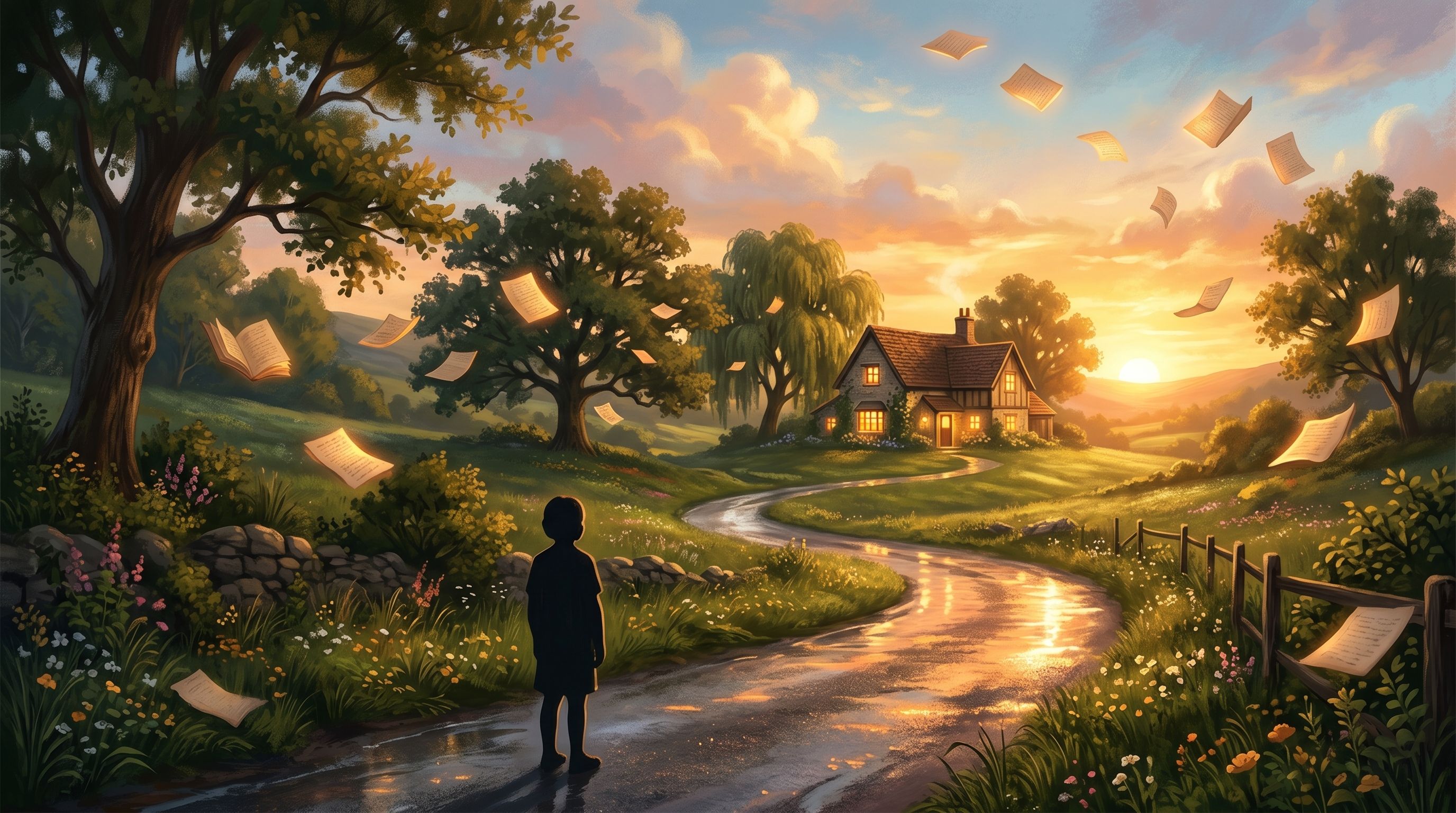
Sometimes, we cling to dreams that no longer belong to us, like an adult desperately trying to fit into their seven-year-old shoes. It is painful, and eventually, something snaps. That snap is the sound of your approaching freedom. You no longer need that toy to exist. You have become the artisan—the one who can create new tools, new games, better suited to the magnificent and complex person you are today.
The next time you close your eyes, imagine that you are gathering these pieces and laying them in an imaginary garden. Let them sink into the earth. From there, something new will grow—something that will no longer need to be perfect to be precious.
Have you ever noticed the specific, heavy silence that fills these dreams? It is rarely a loud crash; more often, it is the quiet, disappointing click of a wind-up key turning in a void, or a music box that suddenly chokes on its own melody. This sensory absence of sound is what I find most telling. It usually visits those who are pushing themselves too hard, treating their passions like demanding chores. When your play becomes a performance, your subconscious simply pulls the plug. I once watched over a designer who dreamed night after night of a silent, rusted tin carousel. She was utterly exhausted, trying to force inspiration. If your dream toy has lost its voice, it is not a tragedy. It is your mind gently demanding that you stop trying to produce, and simply allow yourself to sit in the quiet, unproductive dust for a while.
I often grow tired of how quickly we discard things—both objects and parts of ourselves—the moment they lose their initial, flawless shine. In the folklore of my homeland, there is a belief that neglected objects can develop a soul, sometimes weeping in the dark for their lost purpose. When you see a cracked doll or a chipped wooden horse, you might feel a sudden, irrational wave of guilt, as if you have abandoned a living friend. A dreamer once told me about a cracked porcelain rabbit she found while wandering through dreaming of a child's room, sobbing because she felt she had broken her own life path. But the crack is where the light enters. What if you treated the fracture with the grace of kintsugi, realizing that the break itself makes you entirely unique? Your scars are not design flaws; they are proof of your survival.
Sometimes, a broken toy represents a game you are finally refusing to play. We spend so much of our adult lives engaging in complex social dynamics that are, if we are being completely honest, just sophisticated playground rules—chasing status, pretending to be unbothered, or manipulating situations to feel secure. When your dream self stands over a shattered board game or a cracked plastic crown, it is actually a sign of healthy rebellion. You are waking up to the absurdity of the hustle. It is a terrifying moment, of course, because without the toy, you might feel empty-handed, experiencing a vulnerability akin to dreaming of losing a treasure. Yet, this destruction is incredibly liberating. It means you are finally ready to step off the artificial playing field and engage with your life on a much more authentic, grounded level.
If the fragments of your nights remain mysterious and you feel the need to keep an inventory of these broken treasures, the Midnight Mind app can become your secret logbook—a place where every symbol finds its place and its meaning. Every broken toy you record there is one more step toward a peaceful heart.