When flesh becomes feathers: the anatomy of the possible
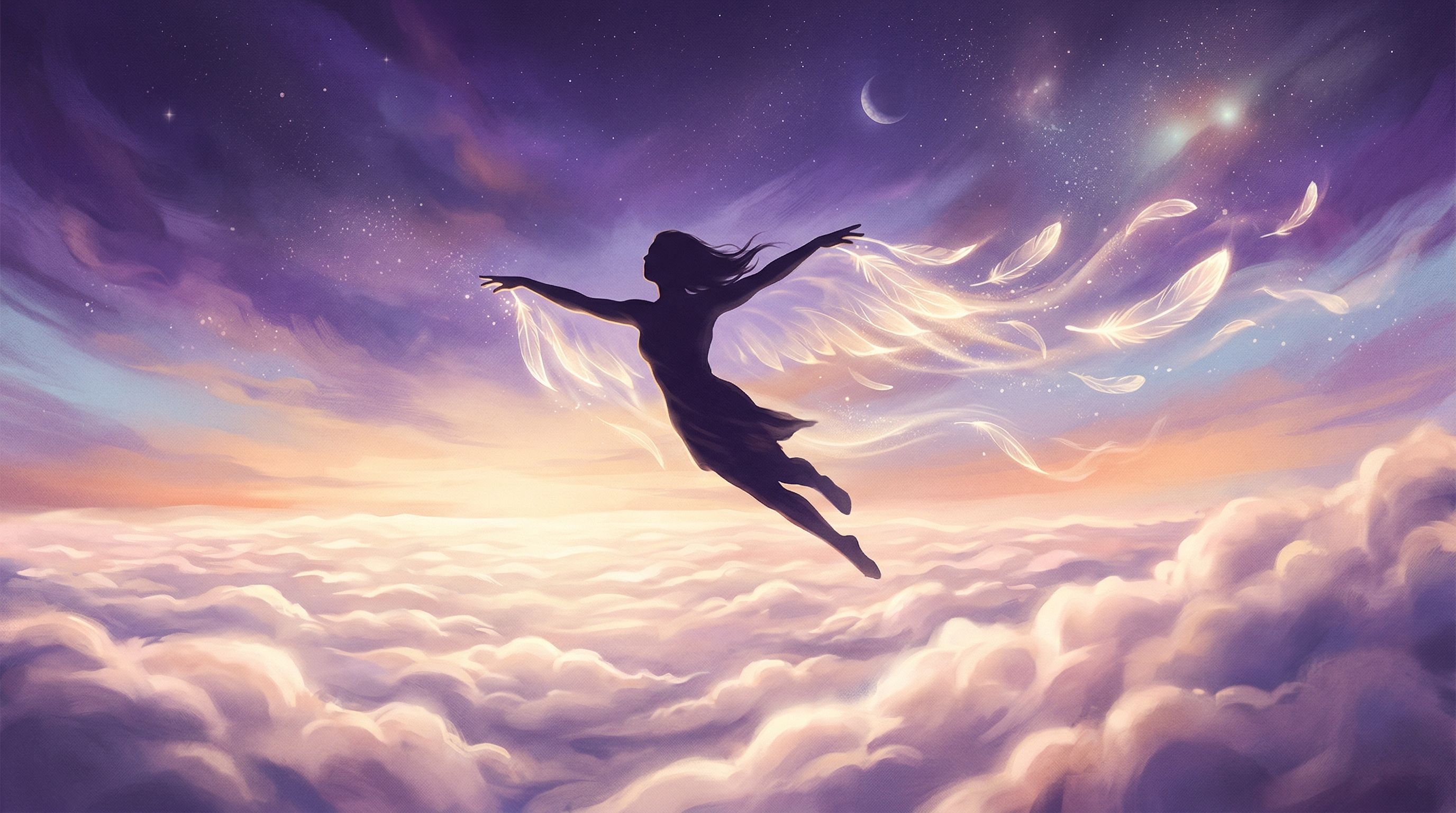
I remember a dreamer who once told me she felt "heavy with wings." It’s an image that haunts me still, because it is so true. Often, we think dreaming of wings is a symbol of pure lightness, but for the one wearing them, it is first and foremost an intense physical transformation. It isn’t like simply rising into the air by magic; here, the effort comes from within you.
To carry body wings in the world of dreams is to accept the idea that the solution to your problems is not external, but literally part of your psychic anatomy. If you feel these wings beating strongly, it’s because your desire for freedom has reached a point of no return. You can no longer be satisfied with walking the well-trodden paths.
However, I’m sometimes skeptical of interpretations that are too "angelic." Not everyone is an angel just because they have wings in a dream! Sometimes, they are cumbersome. You bump into walls; you can no longer fit through doors. If you feel this awkwardness, ask yourself: what in your current life is a "talent" or "capacity" that ultimately isolates you from others? Wisdom is a wing, but it can also be a wall.
The texture of your flight: what the feathers tell us
I have noticed, during my travels through your nights, that the material of these wings changes the entire meaning of the message. The subconscious is a meticulous artist; it doesn’t choose its materials at random.
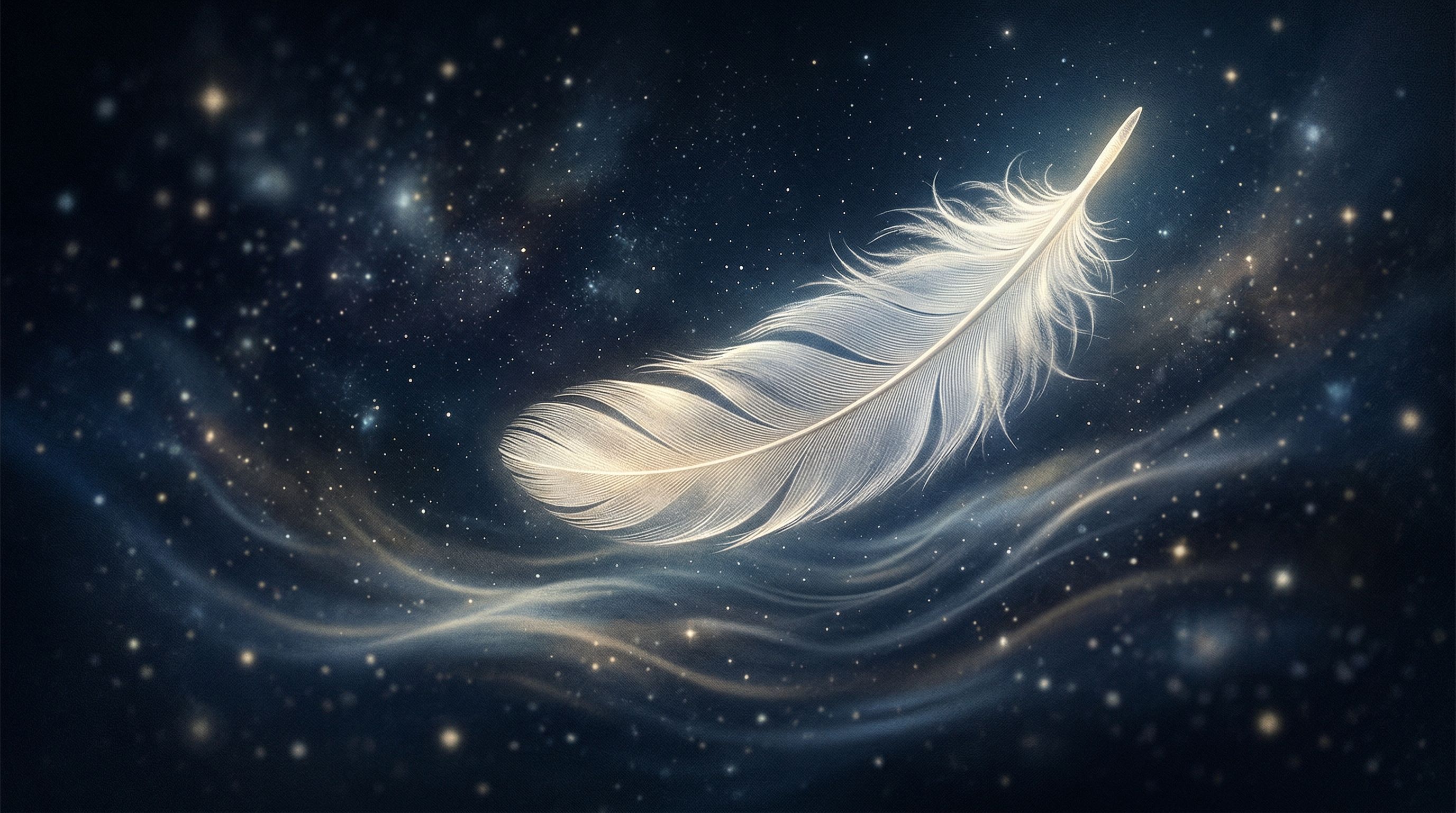
Silky white feathers: Here we touch on an ideal of purity, a need to extract oneself from the mud of daily life for a form of spiritual elevation. It’s beautiful—almost too much so. Be careful not to despise the ground too much, for that is where we find our nourishment.
Leathery or membranous wings (like a bat): We often fear these wrongly. They speak of your instincts, your ability to navigate the darkness within your own shadow zones. This is raw strength—a freedom that doesn’t need the light of others to exist.
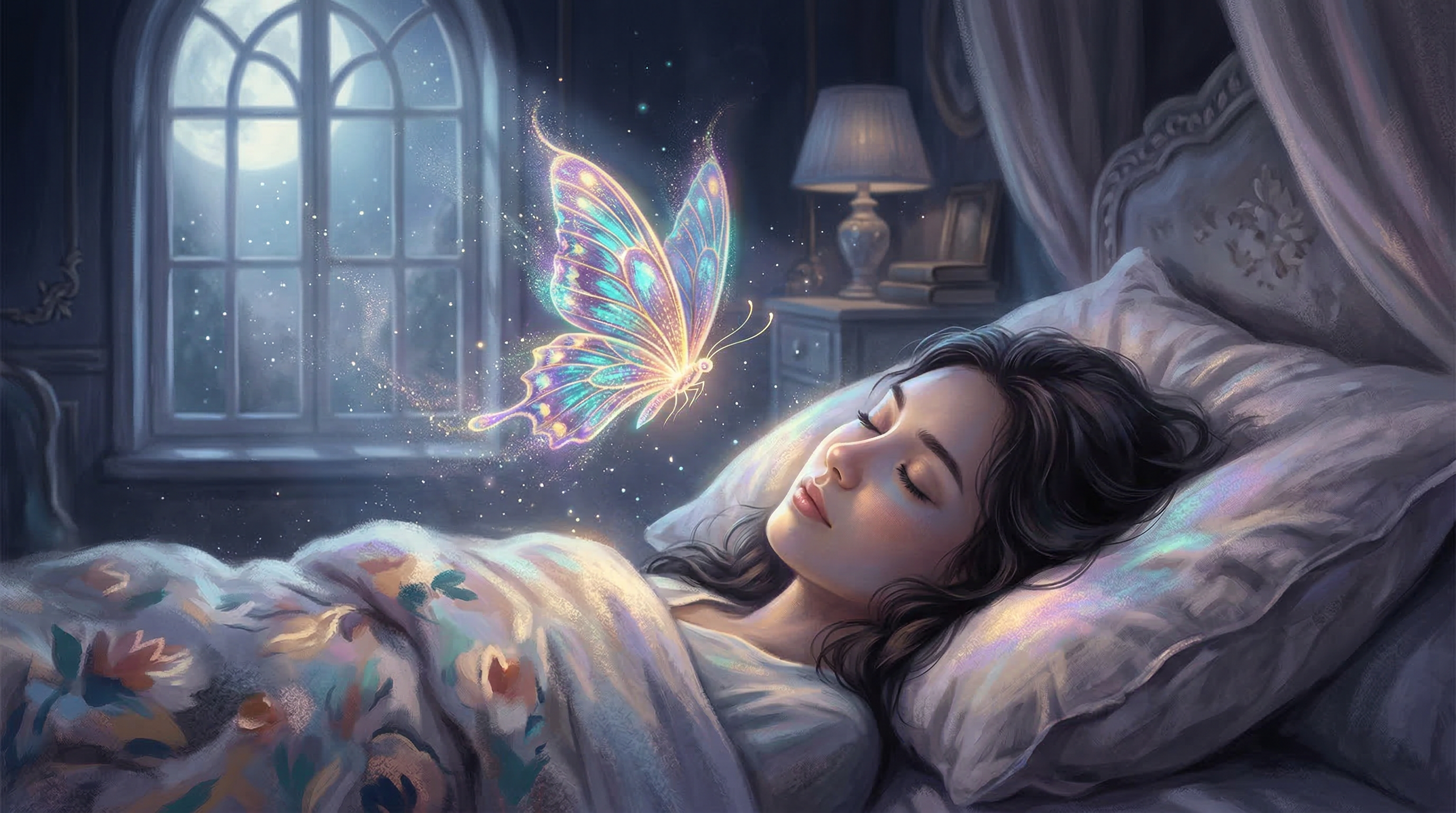
Butterfly wings: Fragile, colorful, ephemeral. They evoke a transformation in progress, a metamorphosis. You might be emerging from a cocoon, but you still feel vulnerable. Much like the cry of a solitary seagull above the ocean, this can express a freedom won at the cost of a certain loneliness.
Honestly, I find it fascinating that our minds are capable of simulating the tactile sensation of feathers that do not exist. It is proof that your body "knows" what it means to be free, even if your conscious self has forgotten.
The weight of freedom and the vertigo of the fall
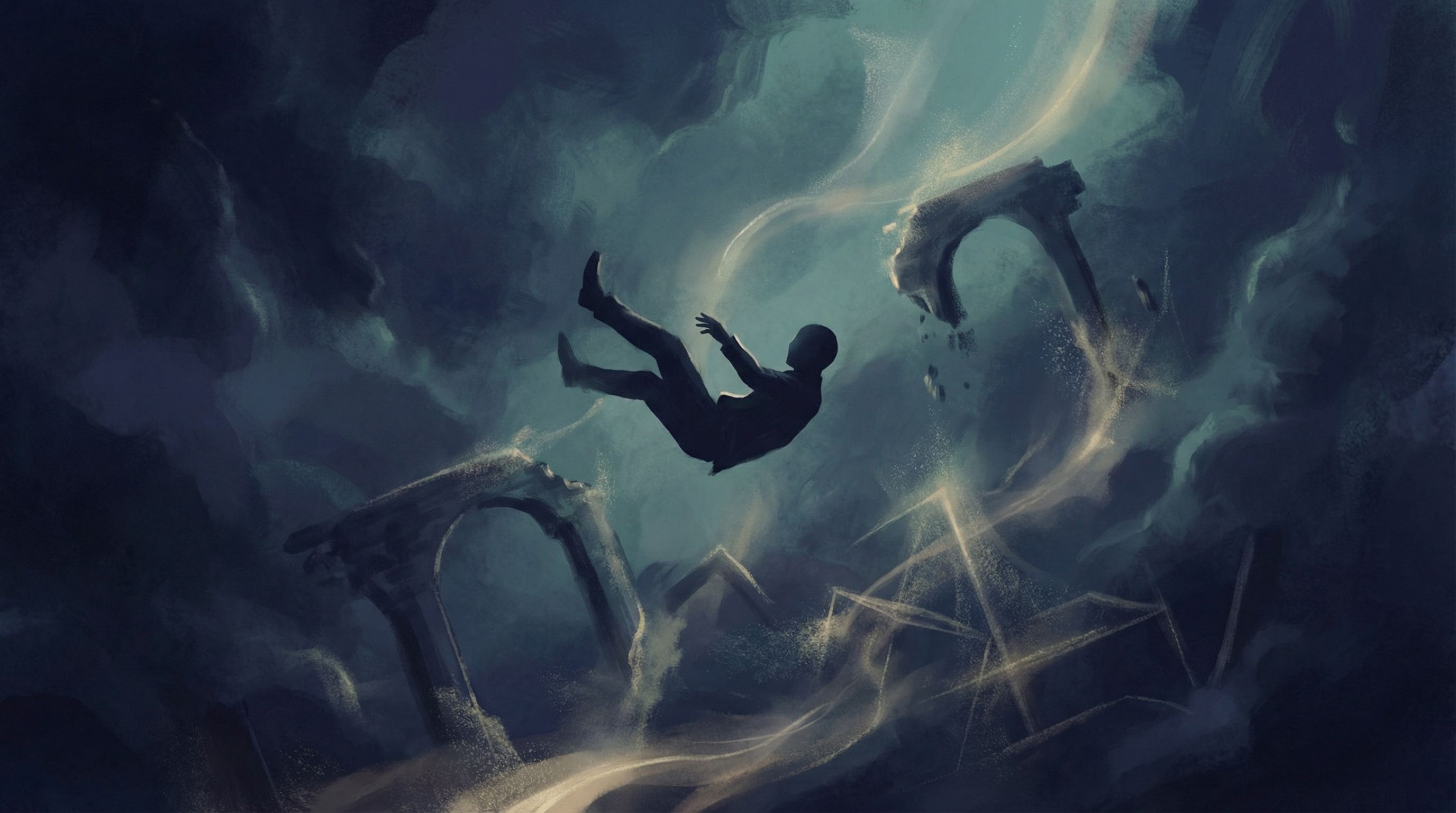
There is a dimension of the dream we often forget to mention: fear. Having wings also means having the responsibility not to fall. If, in your dream, you possess these attributes but refuse to take off, or feel paralyzed by their wingspan, it’s because the concept of freedom scares you more than it attracts you.
True freedom is a kind of vertigo. We all dream of soaring over a vast flowering meadow, but carrying the tools of that flight yourself means you can no longer blame the wind or luck if you stay on the ground.
I’m wary of dream dictionaries that say: "Wings = Success." It’s so reductive! For some, wings are a scar—the memory of a failed flight or an ambition too large for their current reality. If your wings seem injured or plucked, don’t worry about it as a threat. Instead, see it as a tender message from your subconscious: "You tried to carry too much weight. Rest; your feathers will grow back."
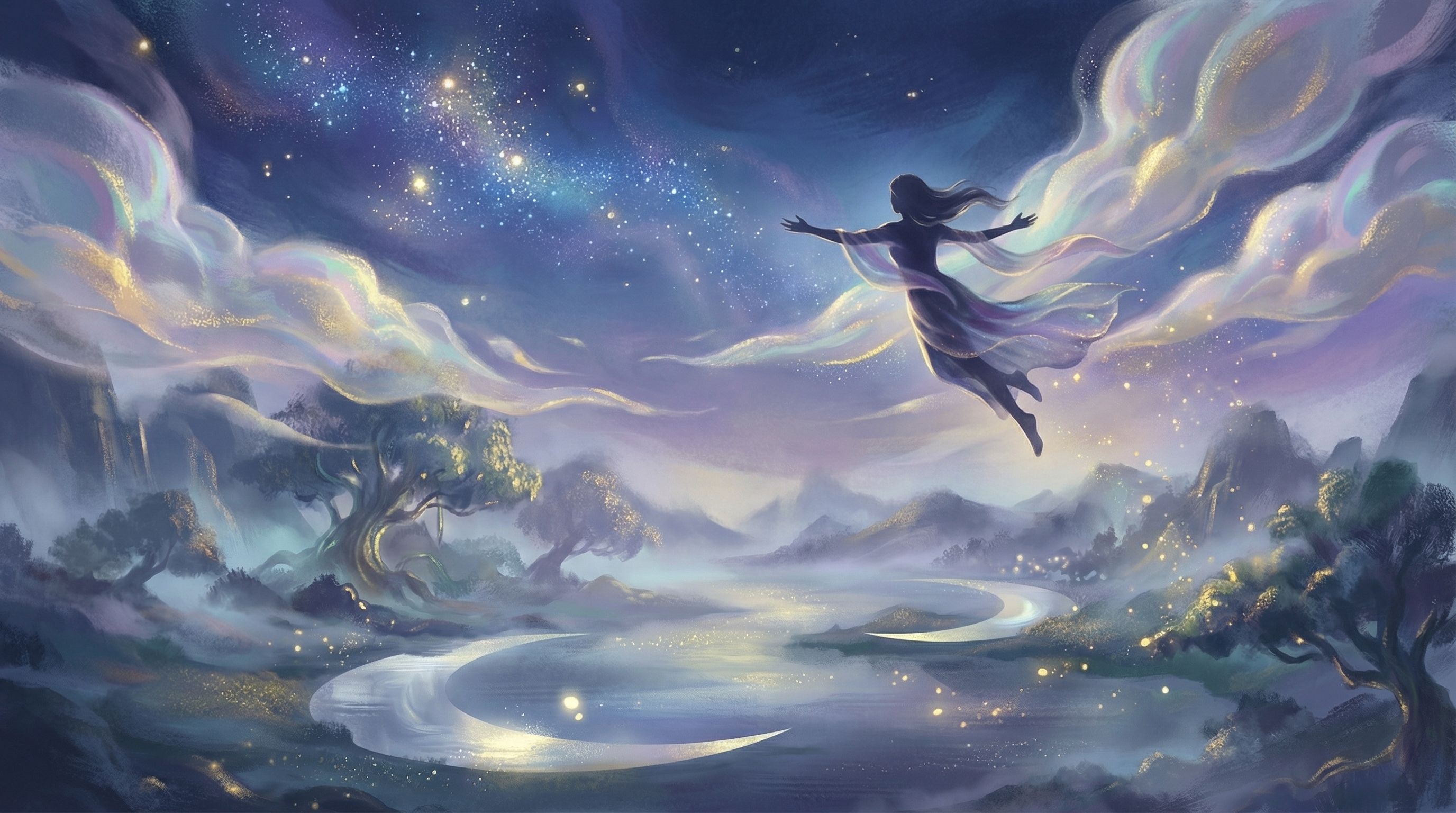
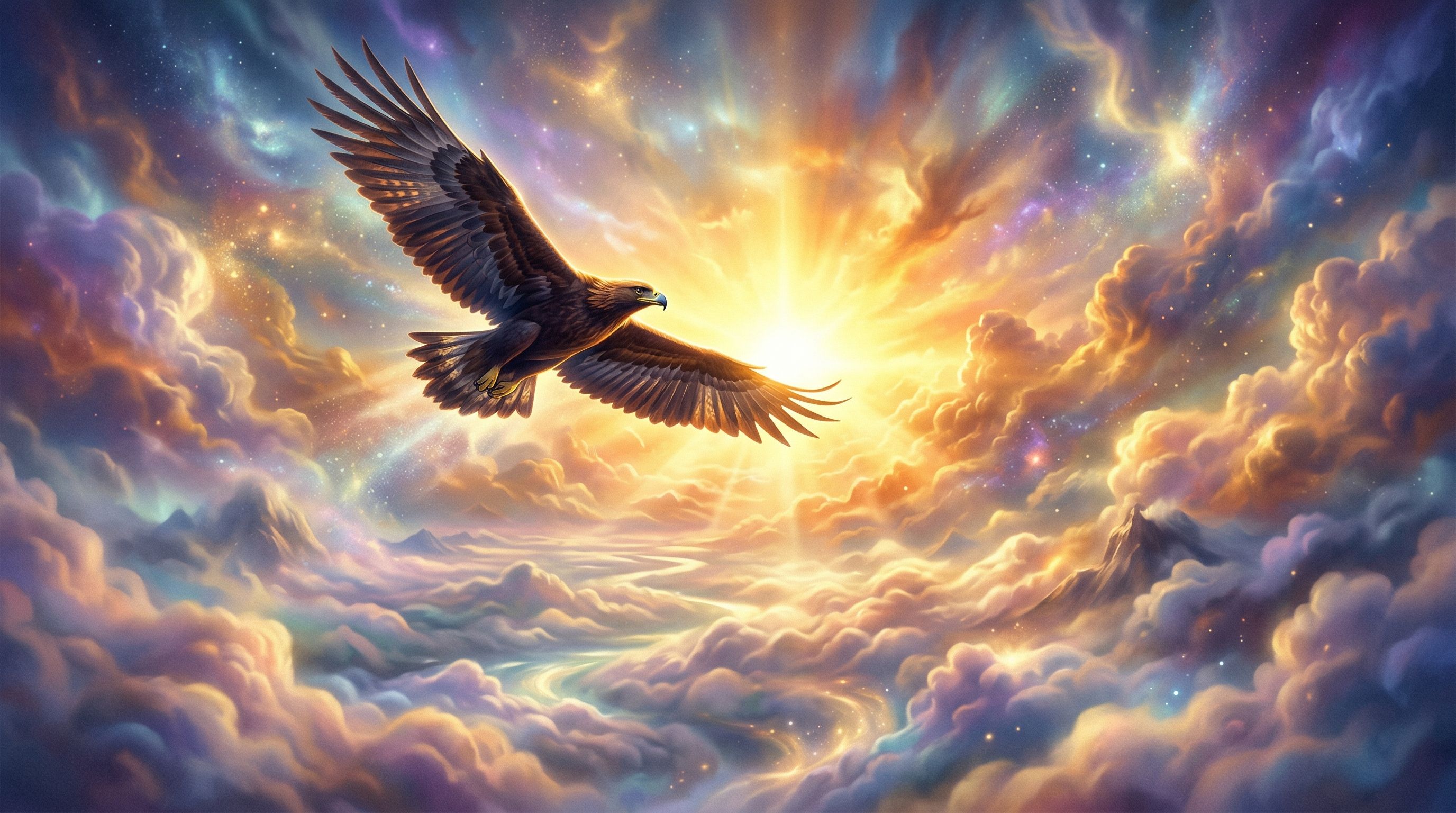
Dreams are never sentences; they are metaphorical landscapes where we come to test our strength before applying it when we wake. If you have wings tonight, don’t necessarily look for "where" to go. Simply feel the air passing between your feathers. Elevation begins with that feeling—with the acceptance that you are much vaster than your simple body of flesh.
Have you noticed how your breathing changes when these limbs begin to unfold in your sleep? It is not just about the shoulders; it is a deep, resonant echo in your chest. I have always found it beautiful how closely wings are tied to your capacity to breathe deeply. In the dreaming world, to grow feathers is often to relieve a suffocating pressure in your waking life. Your subconscious isn't just giving you a tool for flight; it is carving out space in your chest, giving your spirit room to expand. When the weight of daily worries constricts you, the mind compensates by grafting these massive, air-catching sails to your spine. It is a physical demand for oxygen, a silent scream from your body saying, I need to breathe, I need room, I need to exist outside of this cage.
I once met a dreamer who was terrified because her wings were made of dry, rustling autumn leaves. She woke up crying, thinking she was rotting away. But death in the dream realm is rarely an end; it is simply a change of clothes. In many old stories, particularly in Eastern traditions, taking on the attributes of a beast or a bird isn't a sign of superiority, but of dissolution. You are melting into the wilder currents of the cosmos. To have wings is to surrender your human rigidity. Are you ready to stop thinking like a person bound by gravity and start feeling like the wind itself? It is a dizzying prospect. We are so obsessed with "understanding" our dreams that we forget to simply feel the cold air rushing past our phantom feathers. Sometimes, the dream is just inviting you to shed your human skin for an hour and see how the world looks from a branch.
There is also a quiet melancholy to this dream that I often witness in those who are undergoing a profound loss. When a relationship ends, or when you must leave a place you loved, wings appear because you are preparing for a solo journey. It is the bittersweet anatomy of independence. You are being forced to realize that, ultimately, your path must be flown alone. This can feel incredibly isolating, mirroring that heavy quietude of being entirely solitary in a vast universe. Yet, the wings are there to remind you that this solitude is not a punishment. It is a necessary clearing. Your mind grafts these feathers to your body because it knows you have the strength to carry your own weight across the abyss, even when there is no hand left to hold.
Are your feathers still a bit ruffled from waking up? If you want to keep a record of this strange nocturnal anatomy and see how it evolves through your nights, I’ve created a space for that. In the Midnight Mind app, you can add this symbol to your personal collection to see if it returns, or even ask my fellow Bakus—Sora, Hoshi, or Tsuki—to help you explore the exact shape of your flight.
Take care of your dreams; they are the only places where gravity is purely optional.