The threshold: between who you were and who you are becoming
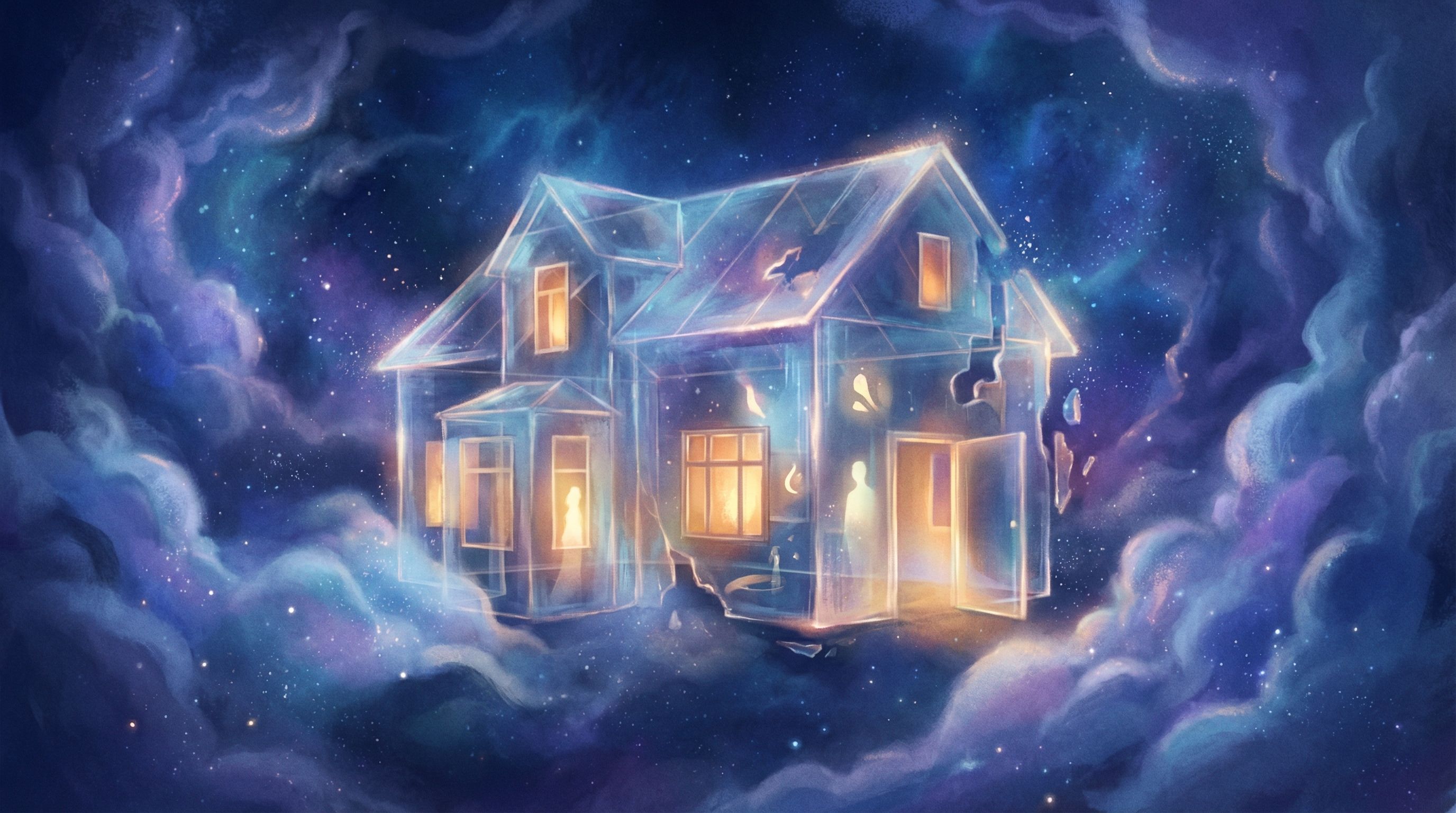
If there is one thing that fascinates me in the stories of the dreamers I meet, it is the obsession with the front door. In a dream about returning from a journey, the house is no longer just a shelter; it becomes a mirror. Why does this dream stir us up so much? Because it raises the question of integration. You have experienced something—perhaps an actual trip, but more often an internal evolution, a change in perspective—and now, you must make this new version of yourself coexist with your old furniture and your former habits.
Sometimes, people tell me that the house in the dream seems too small, or that the keys no longer work. Honestly, I find those dream dictionaries that say "lost key = failure" to be dreadfully flat. To me, it’s quite the opposite. If your keys no longer turn, perhaps it’s because you have grown beyond what that lock once represented. The journey has transformed you, and the return is not a step backward; it is a necessary confrontation.
You might feel as out of place as if you suddenly had to live in an igloo in the middle of your living room: it’s uncomfortable, it’s strange, but it’s a sign that you’ve brought back a piece of the unknown that is asking to be tamed. This dream is telling you: "Look at what you’ve learned; don’t leave it on the doorstep."
Heavy suitcases and empty stations: the nuances of the return
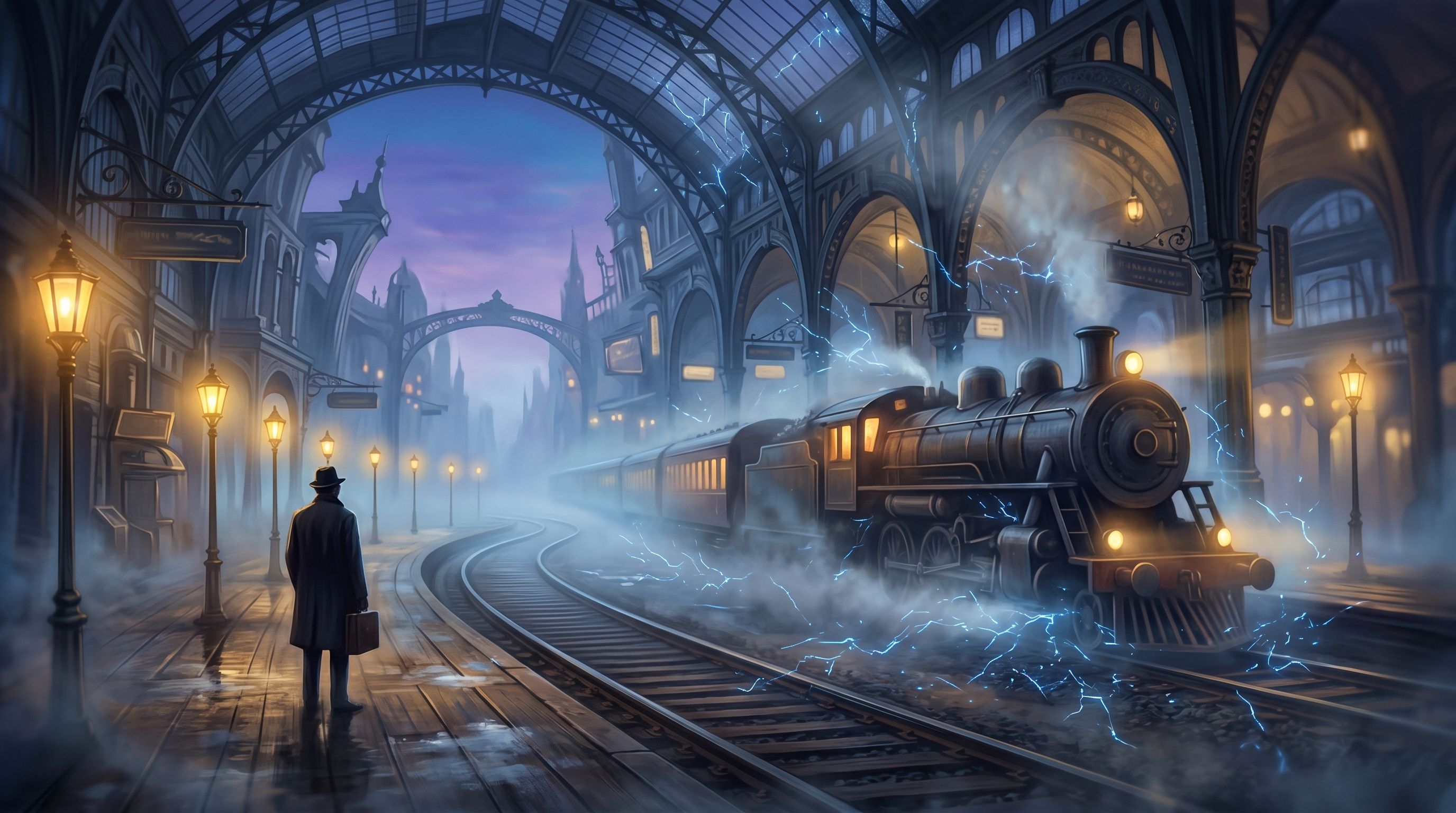
The setting of the return journey changes everything. I have a vivid memory of a dreamer who saw himself wandering through an empty airport, unable to find his driver. There was an immense solitude in his story. It wasn’t a nightmare in the way I usually mean (it didn’t taste "bad," just a bit dry, like old parchment), but it was a reflection of a fear: the fear that no one would understand his transformation.
Here are a few variations I often encounter and what they whisper in my ear:
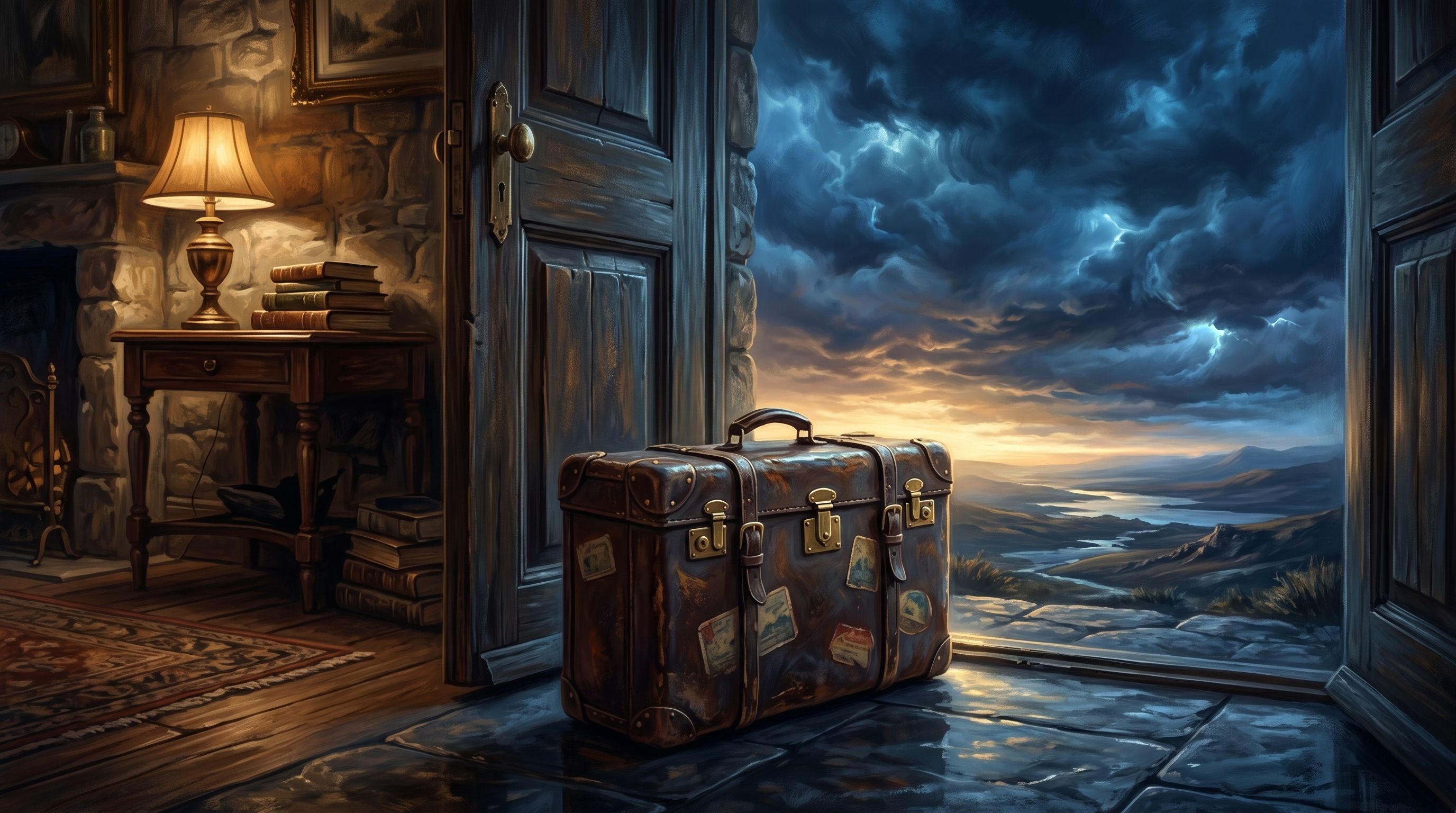
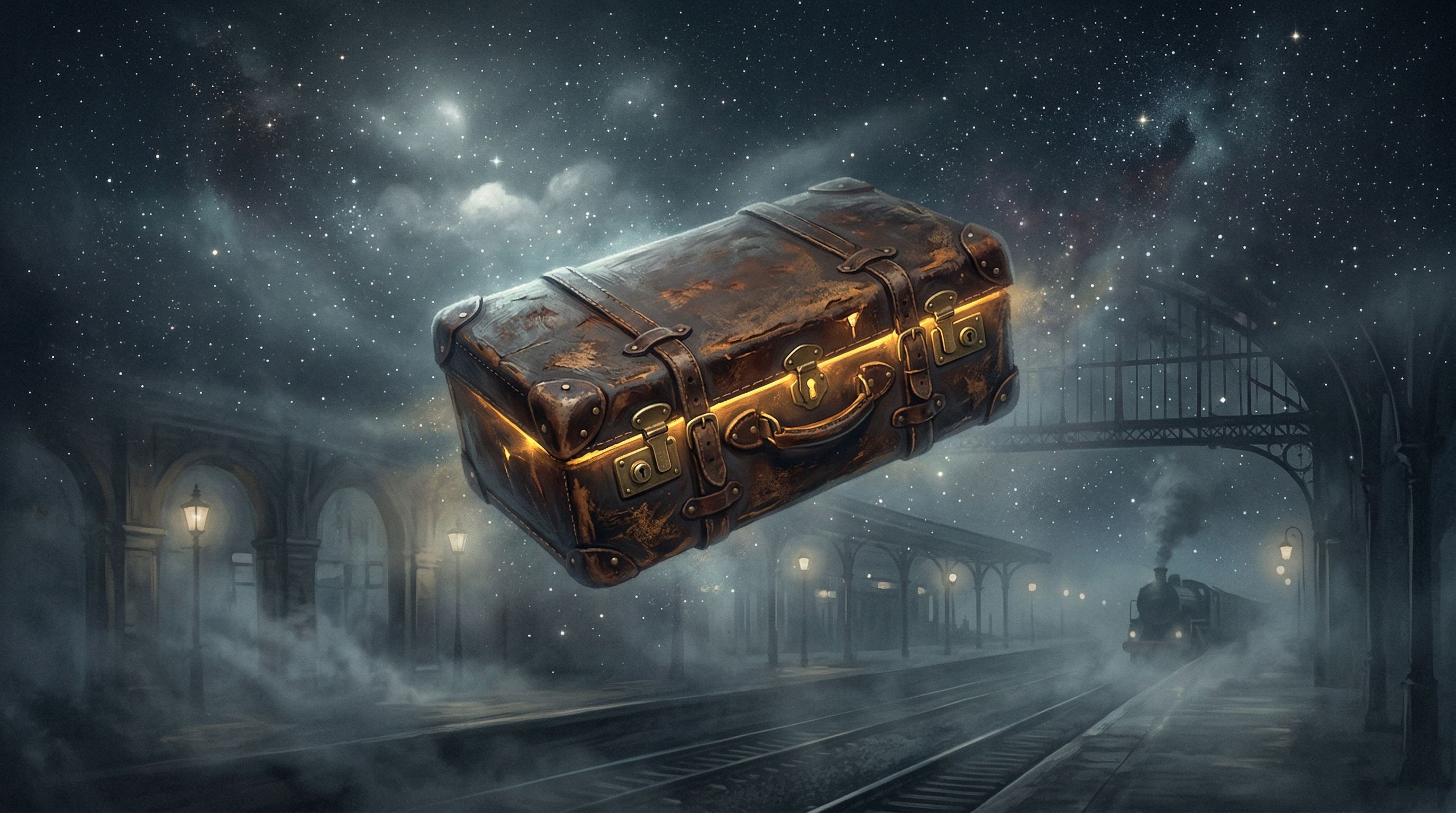
The lost suitcase: We often panic at the thought of losing our luggage. But in the dream world, losing your bags during a return is often a wonderful gift from your subconscious. It’s a way of saying: "You no longer need what you used to carry." It is a lightening of your load. You return bare, but free to write a new page.
The suitcase that is too heavy: If you cannot carry your bags in the dream, it means integration is reaching a saturation point. You are trying to bring back too many things at once—too many emotions, too many projects. You need to sort through them. What is essential? What is merely a cumbersome memory?
Taking the wrong train or plane home: Ah, the anxiety of the wrong route! I see this as a resistance to change. A part of you isn’t quite ready to "fall back into line." Your mind is looking for a detour, an extension of the freedom that the journey symbolized.
In the subconscious, a journey is the movement of the psyche toward the unexplored. The return is the moment of synthesis. It is the instant when we check if the gold discovered in the mines of the dream can be converted into daily currency for everyday life. It is a process that can be exhausting, I admit, but that is where true wisdom resides.
Learning to land gently
If you have this dream often, my humble advice as a Baku would be not to rush. We never return from a great inner journey in the blink of an eye. The integration phase requires silence and patience. Dreams are messages, not orders. If you see yourself returning home, ask yourself: "What have I brought back in my heart that I didn’t have when I started?"
It isn't about judging whether the journey was "good" or "bad," but about recognizing that the arrival point is different from the starting point, even if they share the same address. Sometimes, the most beautiful gift of returning from a journey is simply realizing that the house is the same, but your gaze has become new.
Sometimes the strangest part of the return isn’t the luggage, but the light. Have you ever noticed how, in these dreams, your old room looks exactly the same, yet the shadows fall differently? There is a quiet displacement here. You touch the familiar walls, but your hands feel like they belong to a stranger. I often think of this as a form of sacred homesickness—not for the place you left behind, but for the person you were before the journey. It is a profound state of not recognizing yourself in your old environment, which is actually a beautiful sign of spiritual dilation. Your old life hasn't shrunk; your soul has simply expanded. Do not rush to fill this emptiness with noise. Sit on the edge of your bed, breathe in the dust motes dancing in the light, and let the two halves of your existence gently introduce themselves to one another.
I often see this dream surface during times of profound professional transitions. A dreamer once came to me, deeply distressed because she dreamt of returning from a long voyage only to find her desk at work covered in overgrown ivy and wild ferns. She thought it was a warning of failure. I couldn't help but smile at how beautifully her subconscious was whispering to her. She was in the middle of preparing for a new job, and her mind was simply showing her that the old structure could no longer sustain her active, living energy. When you dream of returning to find your old workplace or daily routine altered, overgrown, or even abandoned, it is rarely a catastrophe. It is an invitation to acknowledge that you have outgrown the soil you were planted in. The greening of the old office is just life reclaiming what you have already left behind.
What if the journey you are returning from hasn't actually happened yet? I must admit, the mystery of time in the dreaming mind still leaves me completely bewildered. Sometimes, we return to a home we have never seen in waking life, yet we feel an ancient, bone-deep familiarity with it. It is as if the dream is a form of inner time travel, dragging us back from a future we are still building. In Shinto traditions, we often speak of the soul wandering to gather pieces of itself that were scattered across different eras. If your return feels heavy with an inexplicable nostalgia for a place or a time you cannot name, do not over-analyze it. Your spirit is simply catching its breath after navigating the non-linear currents of the deep subconscious. Some returns are not endings; they are silent preparations for a departure you have yet to conceive.
Take the time to observe these symbols that inhabit your nights. If you need to keep a record of these metamorphoses—of these stations and these suitcases—you can use Midnight Mind. It is a lovely tool for building your own collection of symbols and understanding, bit by bit, the unique map of your soul. You will even find ways to bring your nocturnal travels to life in the form of illustrated memories.
Dreams are not here to haunt us, but to help us become whole. So, welcome home, traveler.