Clarity in the Heart of the Mist: When Consciousness Awakens
To be honest, the symbol of the lucid dream has fascinated me for centuries. For many sleep "specialists," it is a simple matter of the prefrontal cortex firing by accident. But for me, as I nourish myself with the substance of your nights, it is something far more poetic. It is the moment when the dreamer ceases to be a leaf blown by the wind and becomes the wind itself.
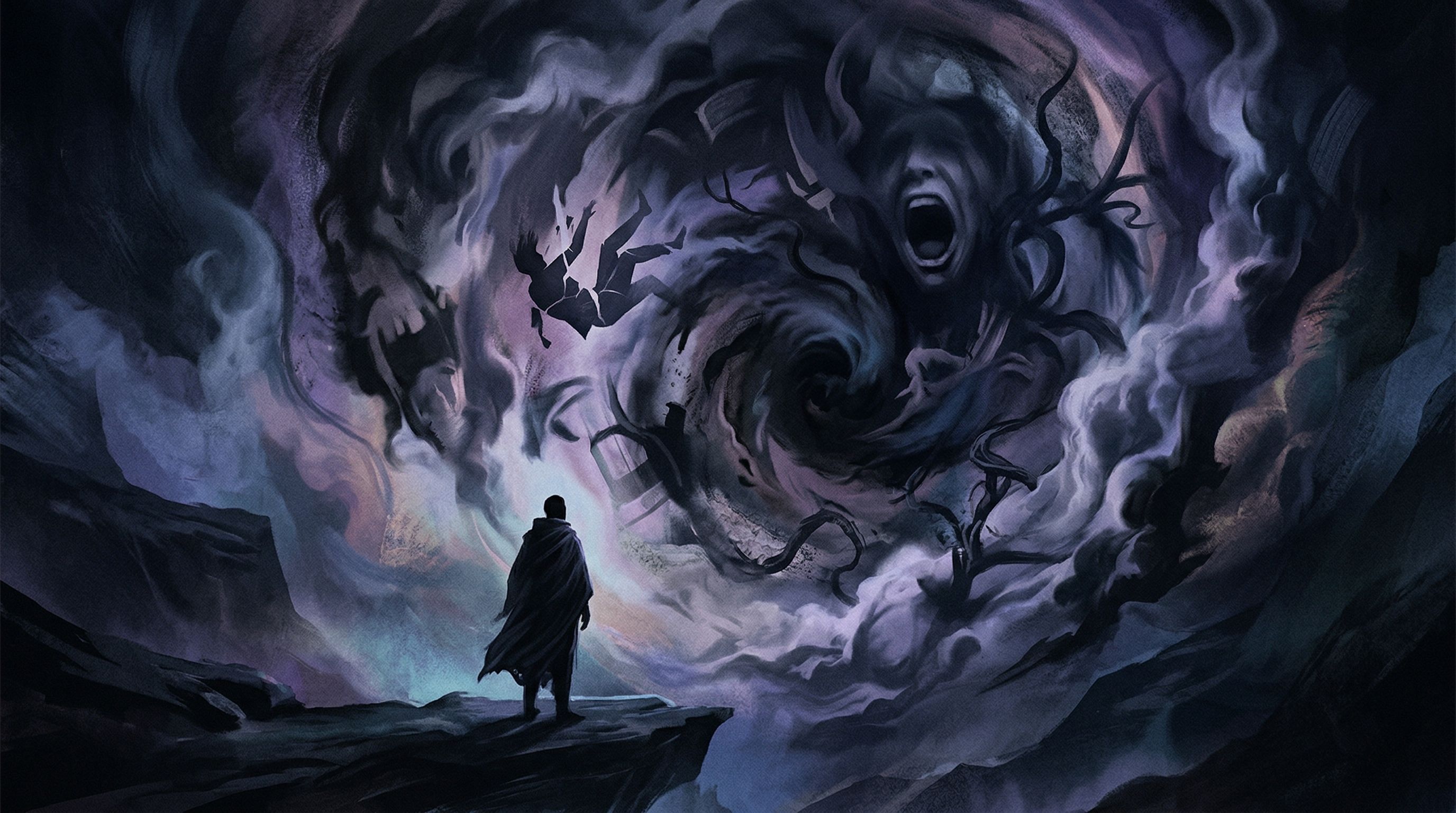
When you dream that you are having a lucid dream, your spirit is trying to tell you that the veil between your will and your reality has become very thin. It is often a sign of spiritual maturity. You are beginning to understand that the monsters chasing you are nothing more than shadows cast by your own hands. In these moments, the darkness is no longer frightening. In fact, if you tend to dread the phases of deep sleep, I suggest you read about how total darkness resets your consciousness and your dreams, for it is often in this fertile void that the greatest light is born.
However, I must confess something that bothers me a little: this modern obsession with absolute control. We see methods everywhere to "tame" dreams, as if they were a video game. But a lucid dream is not a conquest. It is a conversation. If you become lucid and immediately begin to tear everything down to build a golden castle, you are missing the message. True wisdom is being lucid and asking the dream: "Why are you here?" That is when control becomes true self-mastery, rather than simple manipulation of the scenery.
The Illusion of Control and the Necessity of Letting Go
I occasionally encounter dreamers who exhaust themselves trying to remain lucid. They cling to the walls of their own minds, terrified of sinking back into unconsciousness. This is a striking metaphor for what we sometimes experience during the day: that fear of losing our grip, of no longer being the one steering. We often find this sentiment in the theme of the Vehicle Out of Control: Who is driving your life?. The lucid dream is the inverse mirror of this anxiety; it shows you that you can take back the wheel.
But be careful—being conscious in your dream does not mean you must direct everything. I once came across the dream of a woman who, knowing she was dreaming, chose to change nothing at all. She sat in the middle of a dream-storm and simply watched the lightning. It was a rare beauty. She wasn’t using her control to stop the storm, but to no longer be afraid of it.
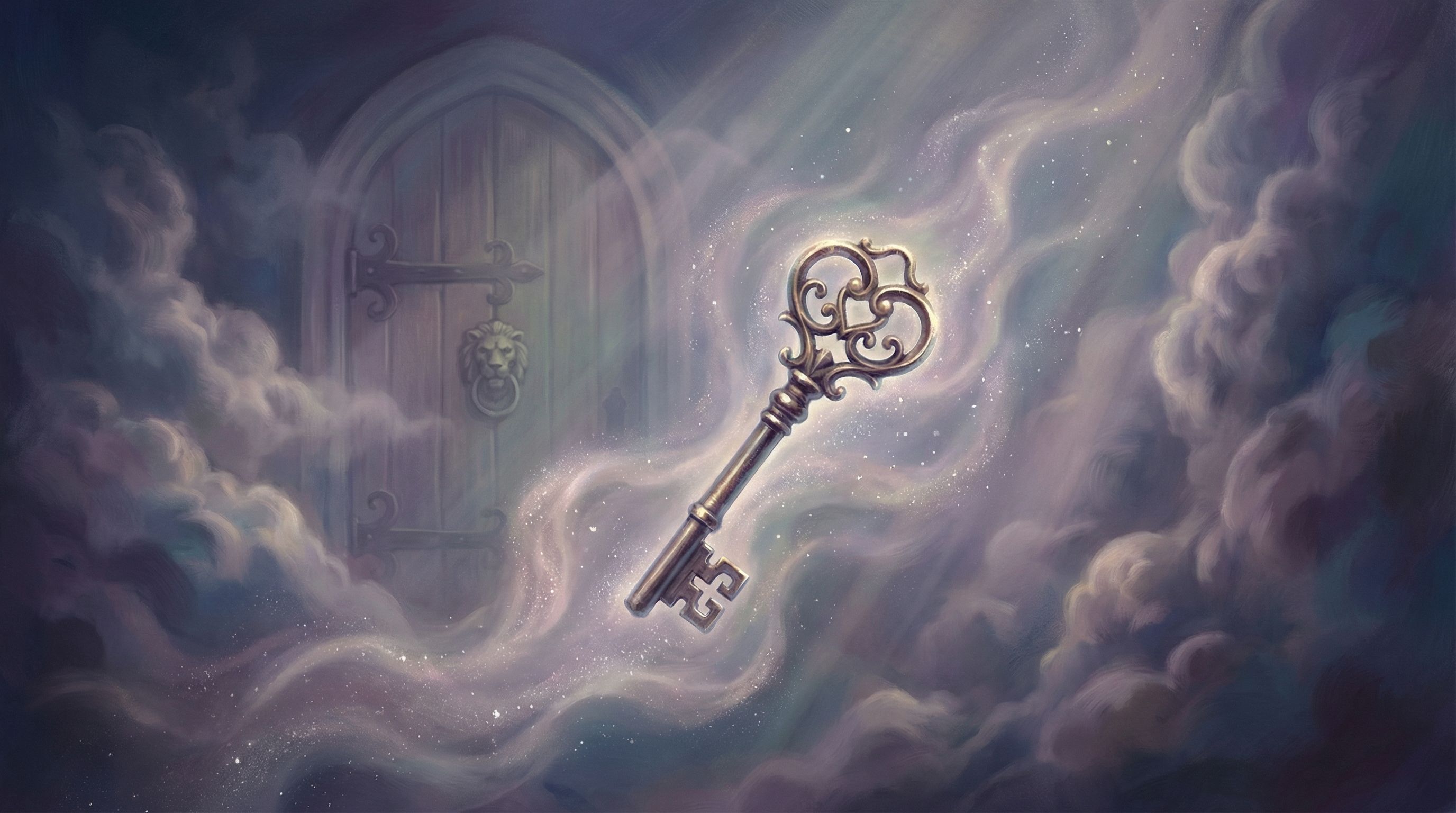
Lucid dreaming can also be a defense mechanism of your psyche. If your waking reality feels blurred, uncertain, or if you feel you are merely enduring your daily life, your subconscious offers you a "test zone." It is a safe space where you can experiment with your own power. But if you awaken within the dream and feel stuck, or if the lucidity brings a sense of panic, perhaps you are trying to force a door that should open on its own. For those seeking to explore this gently, I always advise learning to initiate lucidity without forcing the door. We must never forget that a dream is a garden: you don't make flowers grow by pulling on the stems.
Honestly? This symbol remains mysterious even to me, the old Baku. There are nights where lucidity is a gift from the heavens, and others where it seems to be a distraction to keep us from seeing a darker, more necessary truth. Never forget that even if you know you are dreaming, the dream also knows exactly who you are.
I often think of the old mountain temples where dream yoga has been practiced for over a thousand years. To those sages, realizing you are dreaming was never about flying through walls or summoning gold; it was a quiet, sacred threshold. They saw it as a training ground for the soul to recognize that the waking world, too, is a beautifully woven illusion. When you find yourself awake inside the mist, try not to change a single detail. Savor the temperature of the dream-wind, listen to the crackle of a fire that doesn't burn, and let the scenery exist without your interference. It is a state of profound reverence, a gentle pause where the ego finally steps aside to let the deeper self speak. You don't need to be the architect of your nights to be their custodian.
I once met a dreamer—a weaver of silks from Nara—who became so obsessed with controlling her nights that she would write elaborate scripts before sleeping. She wanted to banish every shadow, every tear, every memory of her lost brother. When I came to eat her nightmares, I found none. Instead, her mind was a silent, sterile palace of glass where nothing moved unless she willed it. She looked so tired, sitting on her imaginary throne. 'Yume,' she whispered to me within her dream, 'why does this beauty feel so cold?' We often use lucidity as a shield, acting like a rigid puppeteer pulling the strings of our own subconscious to avoid pain. But pain, like joy, needs to breathe. By choosing what we see, we sometimes blind ourselves to what we desperately need to heal.
There is also a lovely, mischievous trick your mind likes to play: dreaming that you are having a lucid dream, without actually gaining control. It is a marvelous double-mirror. You find yourself declaring, 'Ah, I am dreaming!' and yet you continue to follow the script of the dream, powerless but convinced of your own awakening. Honestly, this loop makes me smile; it shows how playful our subconscious can be. It is a soft training-wheels phase for the spirit, much like the strange loop of waking up in a dream only to realize you are still wrapped in blankets of sleep. If this happens to you, do not be frustrated. Your psyche is simply testing the waters, warming up the engine of your consciousness before you are fully ready to take the wheel.
If these flashes of nocturnal awareness are beginning to transform your nights, why not start noting those moments when the scenery wavers? On the Midnight Mind app, you can capture these instants of clarity in your journal and even use the Studio to illustrate those landscapes where you finally opened your eyes—ensuring these messages don't evaporate with the very first ray of sun.