The Radiance of the Past and the Weight of Regret
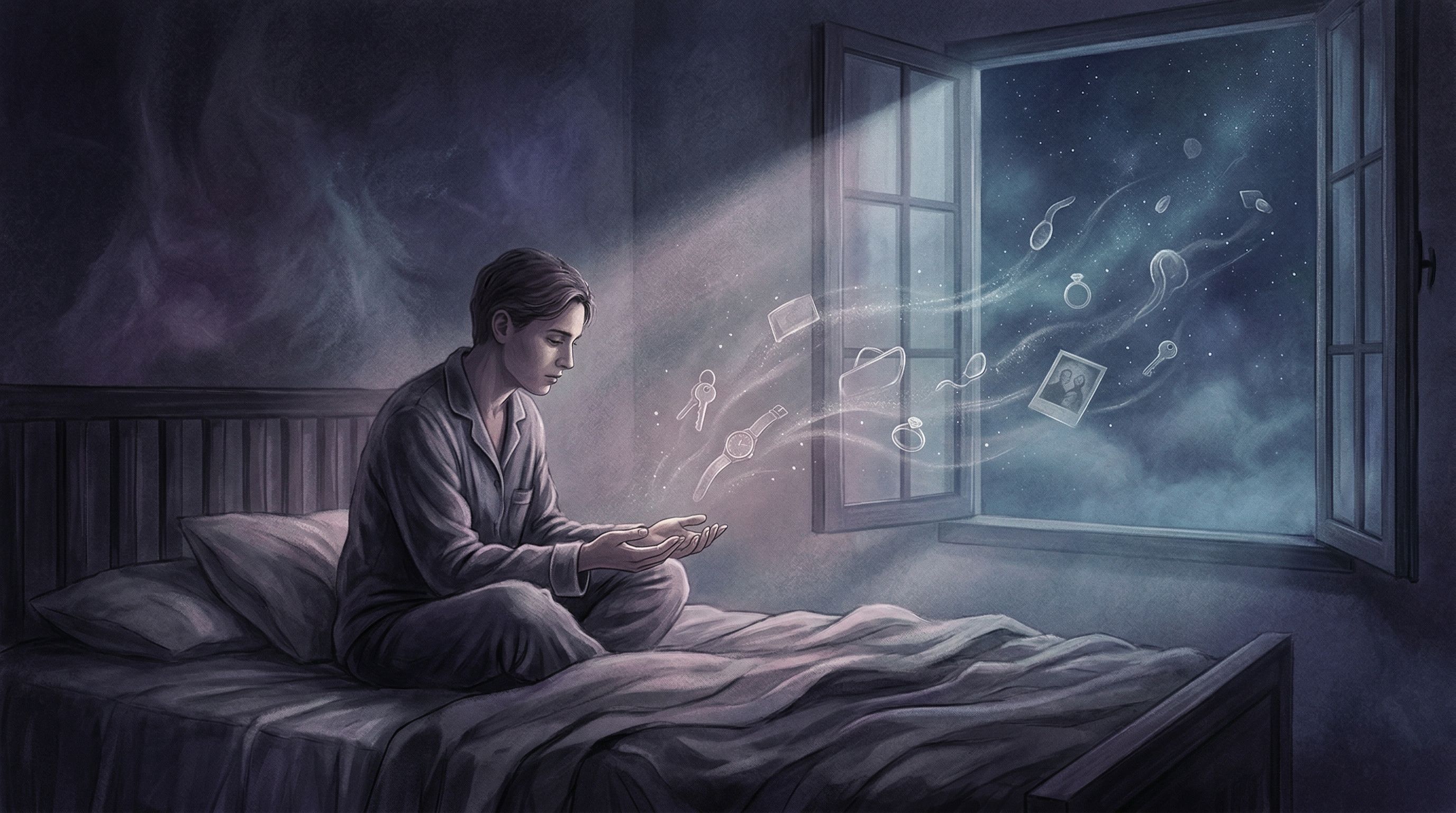
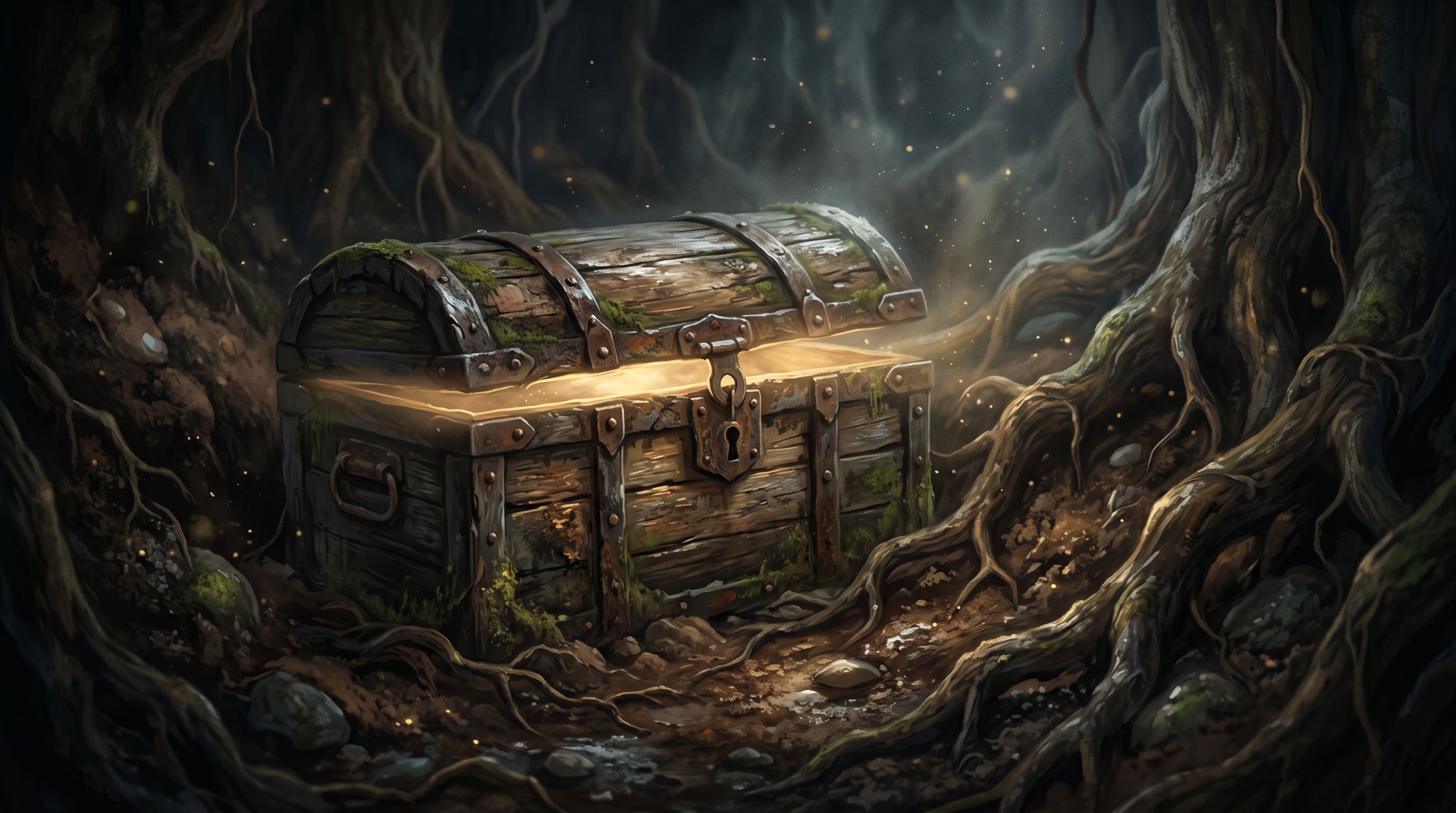
I often see dreamers tossing in their sleep, their fingers clenched around an invisible void. You might have just lost a treasure you had only recently discovered in a dark cave or at the bottom of a dusty attic. What fascinates me about these stories is the very nature of the treasure itself. In the realm of dreams, it is almost never about monetary wealth. For your subconscious, gold and jewels are metaphors for your inner light—that part of you that is pure, unalterable, and entirely unique.
When you experience this loss in your sleep, the dominant feeling is often a consuming regret. You might find yourself thinking: "If only I had paid more attention," or "Why did I put it there?" This regret is rarely linked to a material object in your daily life. Instead, it is usually about a talent you’ve allowed to wither, a passion you’ve sacrificed on the altar of productivity, or a version of yourself that you loved and feel you’ve misplaced along the way.
I am not a fan of those rigid dream dictionaries that claim "losing a treasure equals an imminent loss of money." That interpretation is heartbreaking and, quite frankly, almost always incorrect. Your subconscious is far more poetic than a bank statement. If you feel this pain, it is likely because you feel dispossessed of your own value. You might find yourself searching for it within a mysterious chest, only to find it empty. The treasure is your substance; to lose it is to fear becoming transparent in a world that demands constant visibility.
---
Why Does Your Mind Make You Experience This Loss?
You might ask me: "Yume, why does my mind inflict the pain of losing what I’ve just found?" It’s a question that makes me smile with a hint of melancholy. You see, the mind is a master director. To help you understand the true importance of something, it sometimes shows you exactly what it would feel like to no longer possess it. It uses the "contrast method" to wake up your gratitude.
Sometimes, this dream occurs at a major turning point in your life. You might be changing careers, ending a long-term relationship, or moving to a new city. This treasure that goes astray represents your fear of losing your identity during that transition. It is a form of symbolic mourning.
🌙 The echo of Yume : A dream of loss is often the soul's way of practicing for change, teaching you that while the object may vanish, the capacity to find it remains within you.
Some specialists in the psychology of sleep suggest that these dreams are related to "loss aversion," a cognitive bias where the pain of losing something is twice as powerful as the joy of gaining it. Your brain is simply running a simulation to help you process the anxiety of life's inherent impermanence.
---
Concrete Example: The Locket in the Current
Imagine you are walking along a crystalline river. In your hand, you hold a golden locket that contains a glowing light. Suddenly, the ground shifts, and the locket slips from your fingers, swallowed by the rushing water. You dive in, but the current is too strong, and the treasure is gone.
In this scenario, the water represents your emotions. Losing the treasure here suggests that you feel your "value" or your "inner light" is being overwhelmed by an emotional situation you cannot control. You aren't losing your worth; you are losing your grip on it because you are emotionally exhausted. The dream isn't telling you the locket is gone forever; it's telling you that the river is currently too turbulent for you to hold onto anything heavy.
---
The Luminous Side of Dispossession
There is another, more luminous interpretation that I love to share with the dreamers I visit. What if losing a treasure was actually a liberation? In many spiritual traditions, it is said that to receive something new, you must first have empty hands.
If your dream treasure was actually a burden—perhaps a heavy family legacy or a rigid, perfectionist self-image—then losing it is an act of profound healing. Your subconscious might be stripping away what shines with a "false light" to allow you to seek a more authentic, less fragile radiance.
It is a sensation not unlike the strange feeling of gaining weight in a dream; sometimes we carry things that don't belong to us, and losing them, however painful it feels in the moment, is the only way to walk freely again.
---
Learning to Look into the Shadows
Honestly, dream interpretation isn’t a science etched in stone, and even for a Baku like me, some symbols keep their share of mystery. If this dream of loss returns to haunt you, try not to see it as a threat. Instead, view it as a compass. It points directly to where your attention is currently focused. Are you too focused on what you might lose rather than what you already possess?
This symbol has fascinated me for millennia because it touches the very essence of being human: the quest for meaning. If you lost this treasure in a crowd, ask yourself if you are losing your sense of self in the gaze or expectations of others. The dream isn't trying to make you sad; it’s trying to wake you up to your own importance.
🌙 The echo of Yume : You are the chest, not just the contents. Even when the jewels are gone, the gold-lined wood of your soul remains.
My advice, as a devourer of nightmares, is not to try and "find" the treasure at all costs in your waking thoughts. Accept the loss within the dream. Imagine that this treasure has returned to the earth to nourish new flowers. By letting go of that specific regret, you will see that your own value doesn't depend on what you carry, but on who you are.
If this feeling of lack persists and you need to see more clearly into the collection of symbols your mind gathers each night, your Baku is here to help you navigate these shadows. You can record your findings—even those that seem to evaporate upon waking—and perhaps discover that a treasure lost in a dream can become a pearl of wisdom in your personal journey. What message is your subconscious trying to engrave in the palm of your hand tonight?
If you want to explore your dreams more in depth, your Baku is waiting for you.
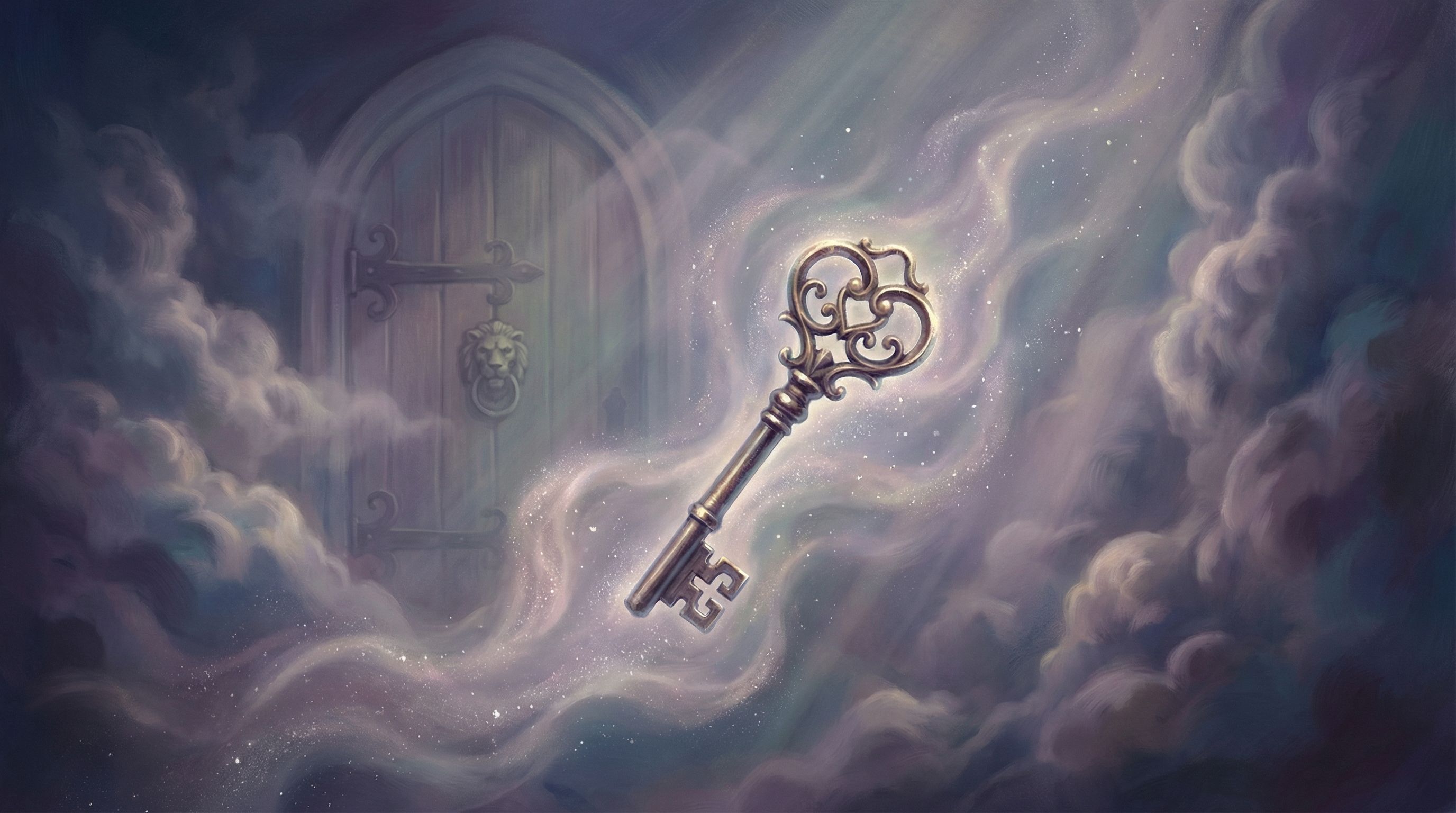
I once met a dreamer who was absolutely devastated because she dropped a glowing crystal key down a bottomless well in her sleep. She woke up crying, convinced she had ruined her life’s purpose. But honestly? Sometimes, losing the treasure is the best thing that can happen to you. We hold onto old versions of our inner worth so tightly that they become heavy, calcified. If you never lose what you cherish, you never have to go looking for it again. The loss forces you to become a seeker once more, transforming a passive owner into an active adventurer. Instead of staring at the empty spot on your shelf, your mind is urging you to consult a different treasure map. The gold isn't truly gone; it has merely returned to the depths, waiting for you to find it under a different light, with a wiser set of eyes.
There is a distinct, visceral panic to these dreams that leaves a physical echo in your body. You wake up with your fingers curled, still trying to grasp the cold iron of the chest or the smooth surface of the gem. It’s a phantom limb sensation of the soul. This sudden, empty feeling is remarkably similar to the raw vulnerability of losing your teeth in a dream—that unsettling feeling of having a part of your foundation suddenly stripped away. But while bodily loss often speaks to a fear of aging or losing control over your self-expression, losing a treasure is actually gentler. It doesn't mean you are decaying. It is simply your subconscious reminding you of your own depth. If you didn't contain something of immense, sacred value within you, you wouldn't feel such a profound ache when it slips out of sight.