The Soul’s Effort: Why Do You Labor Over the Earth?
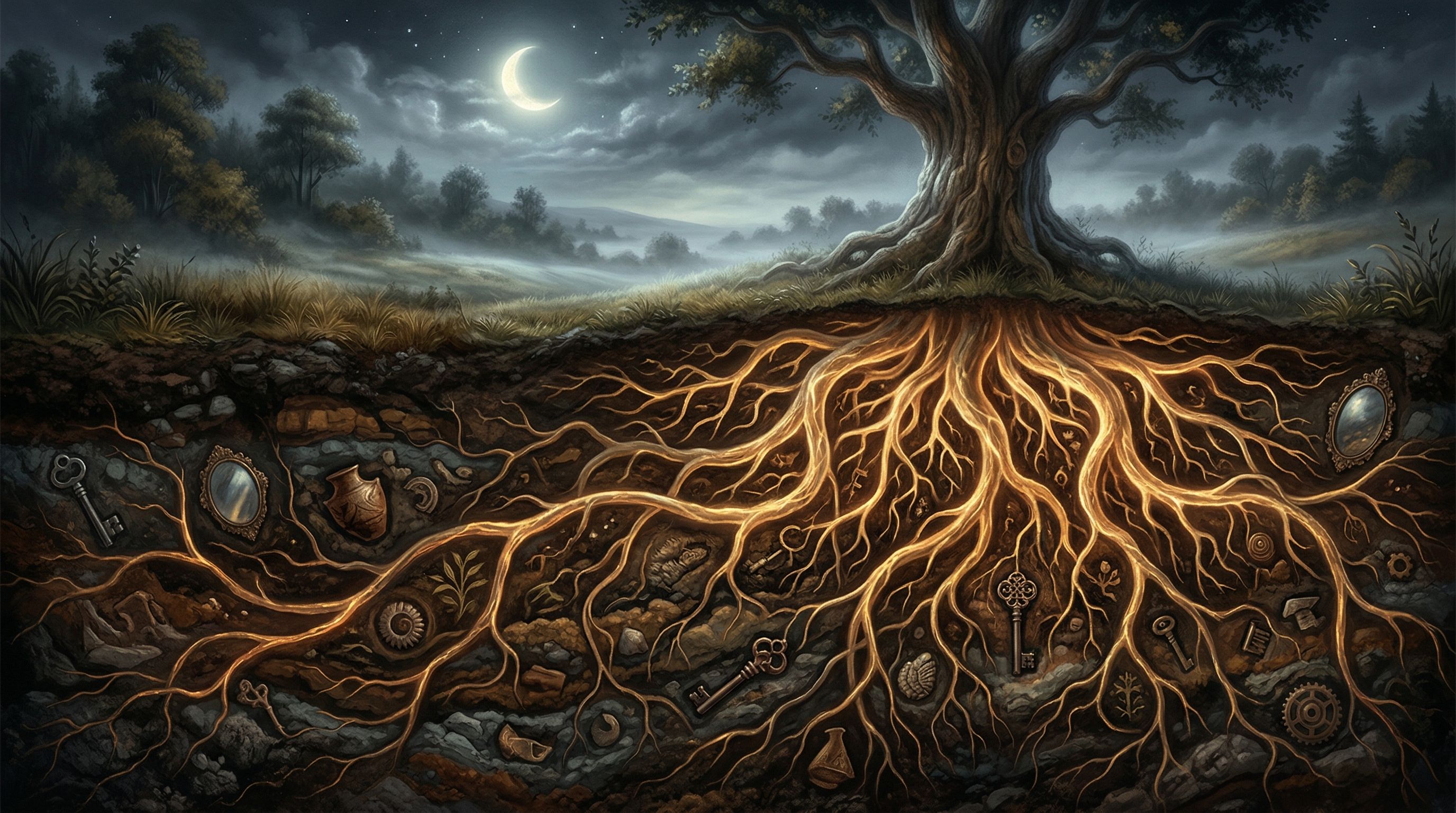
In the quiet theater of your sleep, the ground is never just a collection of dust and stones. It represents the thickness of your personal history, the slow sedimentation of your days, your joys, and your unspoken sorrows. When you see yourself digging, you aren't merely a laborer; you are an archaeologist of your own soul. It is a noble undertaking, though I know how exhausting it can feel when you open your eyes in the morning.
I have always been wary of those rigid dream dictionaries that claim "digging equals an imminent inheritance" or some other fixed omen. Such interpretations frustrate me because they ignore the beautiful complexity of your unconscious. Every shovel stroke in a dream is unique. Sometimes, you might find yourself digging with an overflowing, frantic energy, moved by the burning hope of finding a long-lost treasure. Other times, you might be scratching at the dry earth with your bare fingernails in a gesture of quiet despair, as if searching for an emergency exit that the waking world refuses to provide.
In my reflections as a Baku, I remember a dreamer who spent his nights digging an immense hole in the middle of a perfectly manicured, luxurious living room. He was drained. By sitting with his shadow, we realized he was trying to break through the "perfect" appearances of his life. He was starving for "real earth"—something raw, something tangible that wasn't covered by a carpet of expectations. Digging is, at its core, a refusal to settle for what is merely visible. It is a quest for substance.
---
Spiritual Meaning of What You Unearth
What you unearth while digging is rarely treasure in the lottery sense—it is a buried layer of yourself reaching the surface. Keys, boxes, bones, or water each tilt the reading toward access, secrecy, old grief, or released feeling, but the shared thread is descent on purpose. You are not falling into a hole; you are choosing to go deep. Whatever surfaces asks to be integrated, not displayed. If your hands hurt, the work is real; if the hole refills, you may not be ready for the full truth yet.
The Texture of Your Inner Terrain
The environment in which you dig tells a story of its own. In the realm of dream psychology, the "material" you encounter reflects the current state of your psyche. If the earth is soft, dark, and rich, it suggests that you are in a fertile period of your life. Even if the work is hard, the "soil" of your mind is ready to yield answers. You are moving through your emotions with relative ease, and whatever you uncover will likely nourish your growth.
However, if you find yourself striking a ground that is hard as granite or dry as desert sand, your dream might be whispering about the barriers you’ve built around your heart. You are trying to reach your deeper feelings, but your internal armor is still very solid. This isn't a sign to stop; rather, it's an acknowledgment of your effort. Every strike against that stone is a necessary vibration, a step toward softening the walls you once built for protection.
🌙 The Echo of Yume : Sometimes, the hole we dig isn't meant to hold a treasure, but to give us a place to finally sit down, shielded from the wind of the world.
If you feel lost in the middle of this vast internal landscape, you might find yourself wishing for a compass to guide your direction. Just as a navigator needs a North, the dreamer who digs needs to know if they are searching for a beginning or trying to find an end.
---
To Plant or to Bury: The Duality of the Shovel
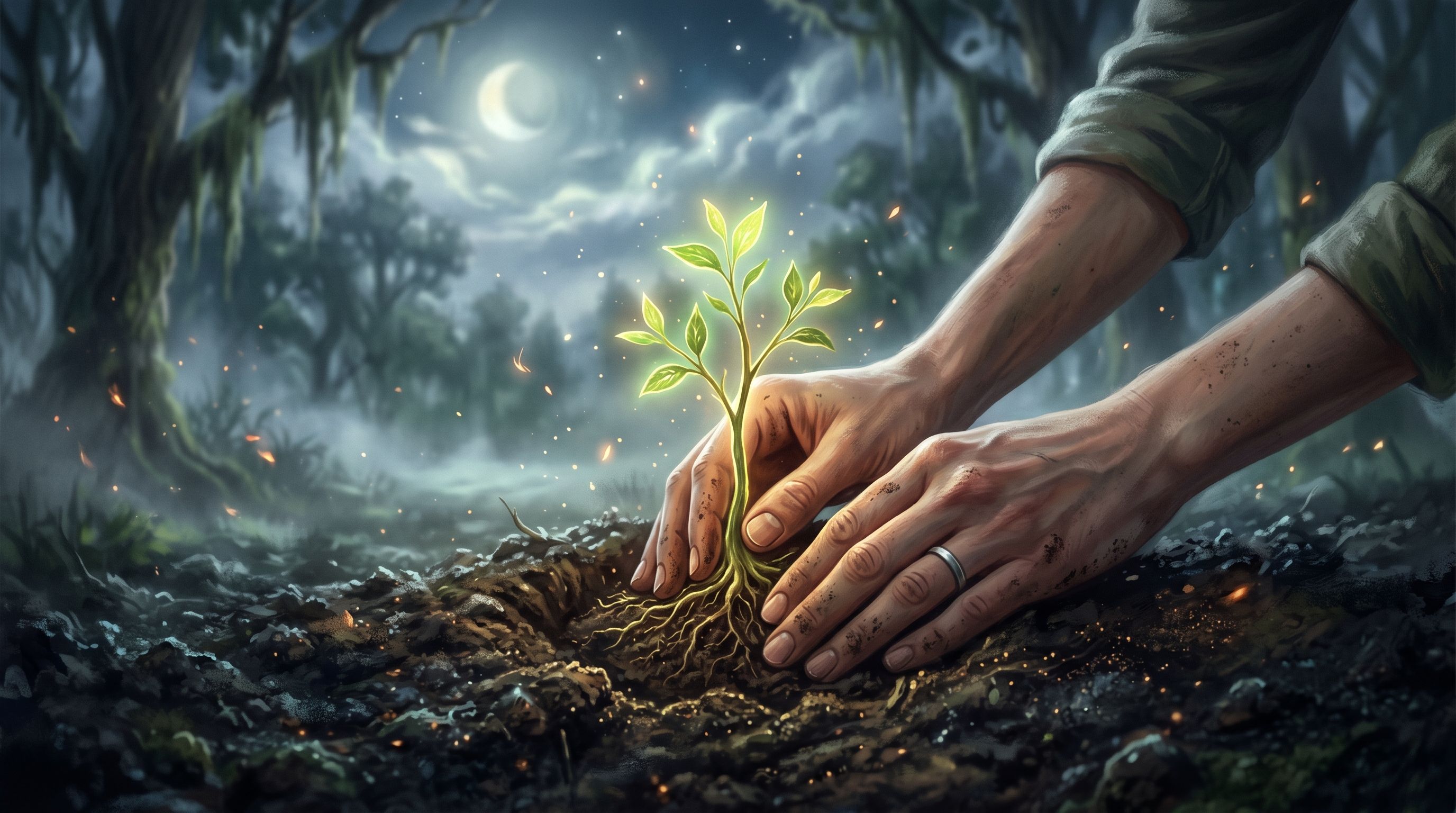
To be honest, what you find at the bottom of that hole remains a mystery that only you can truly solve. But the intention behind your movement is a powerful indicator of your path. If you are digging with the goal of planting something—a seed, a tree, a foundation—it is a magnificent image of renewal. You are accepting the natural law that for anything to bloom, it must first spend time in the darkness of the soil. You are preparing the bed for your future self.
But there is also the shadow side: digging to bury. What are you trying to hide from the world’s eyes, or perhaps more painfully, from your own? Is it a secret, a past version of yourself, or a mistake you wish to forget? We often believe that by piling dirt over a problem, we make it vanish.
Yet, the earth of dreams is a living, breathing thing. It doesn't just hide secrets; it digests and transforms them. The more you try to bury something that is still "alive" or unresolved, the more the pressure builds beneath your feet. Eventually, the earth will heave. Instead of burying, your dream might be asking you to look at the object one last time before deciding its fate.
---
Concrete Example: The Case of the Buried Key
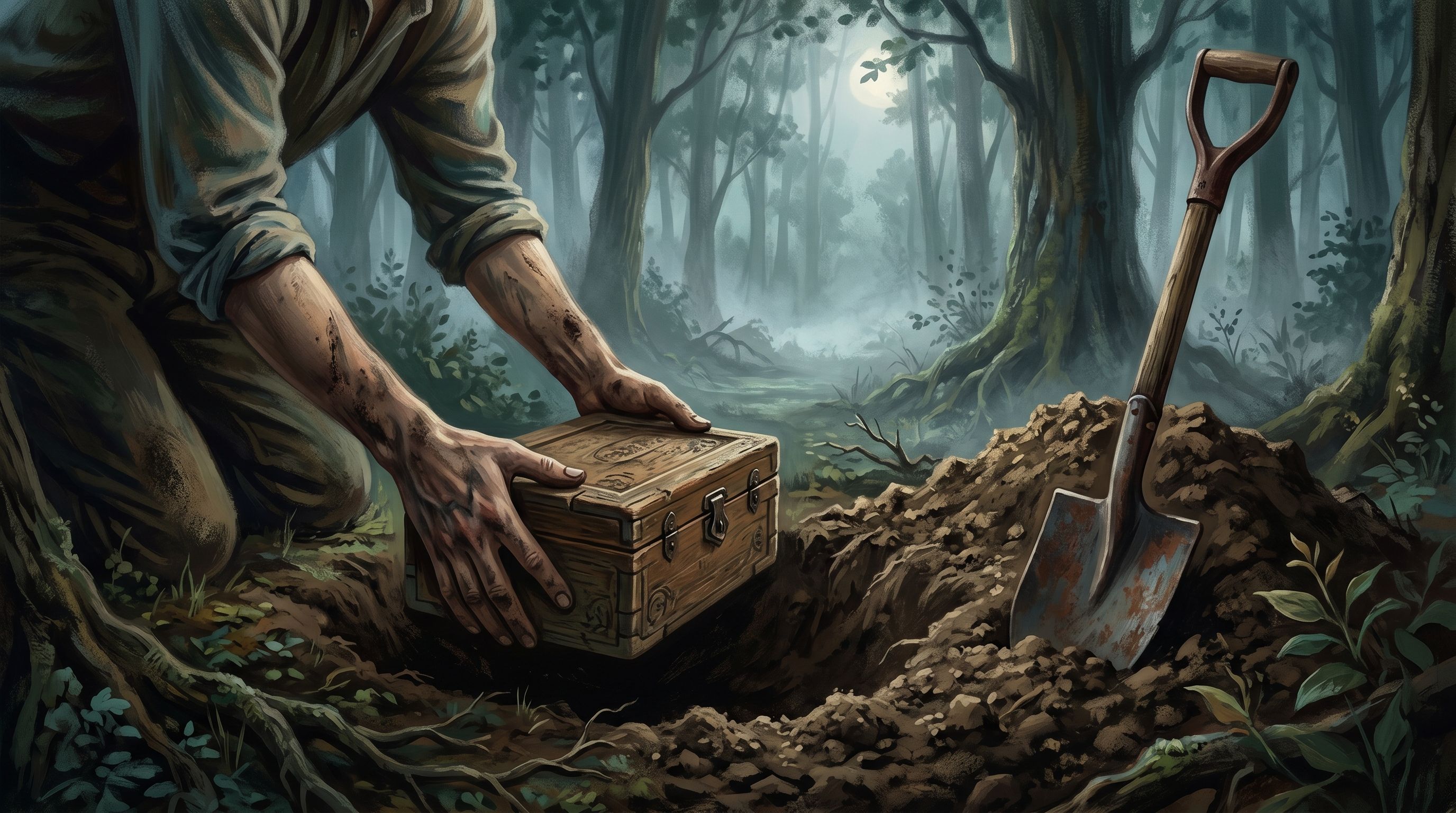
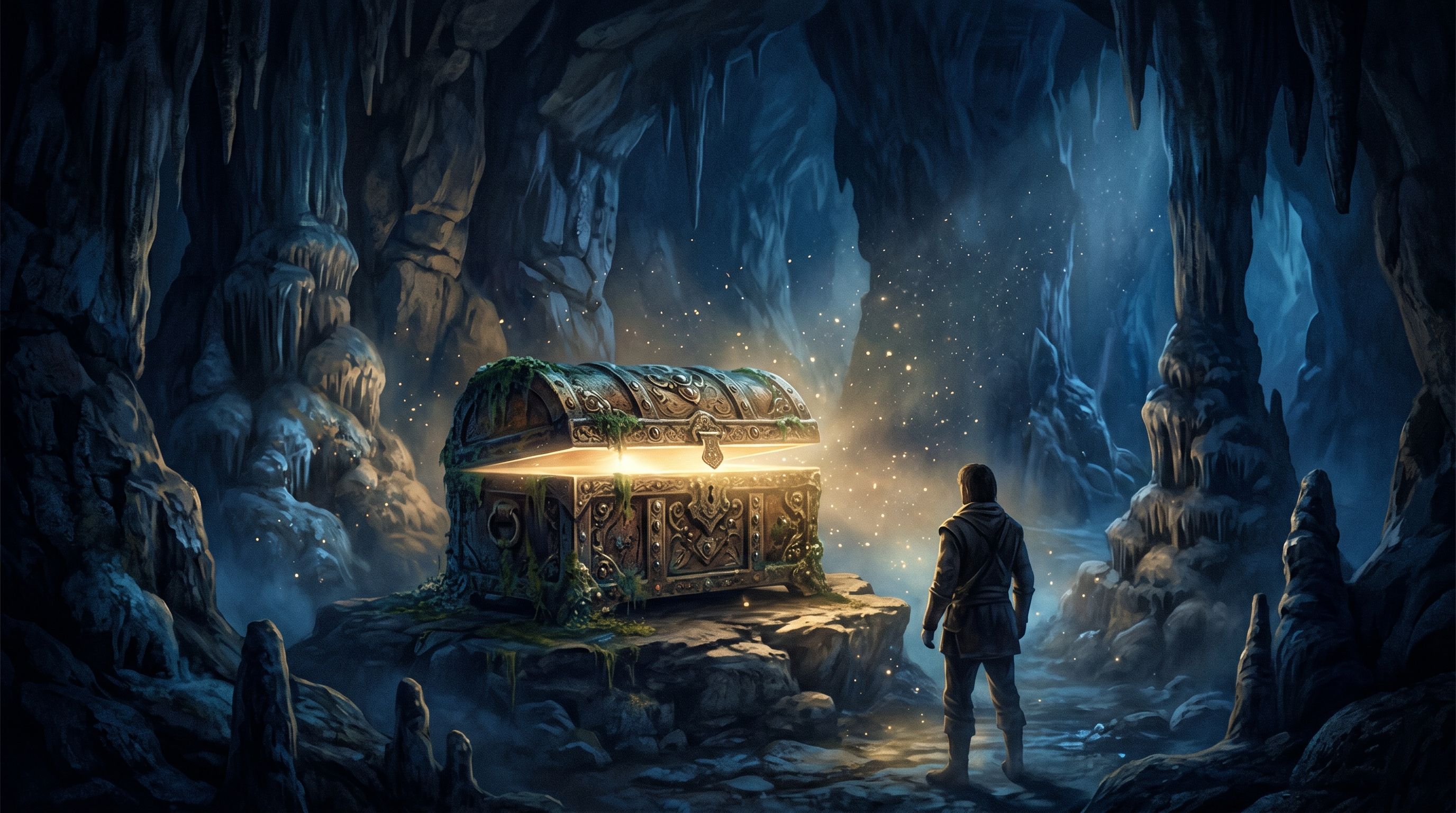
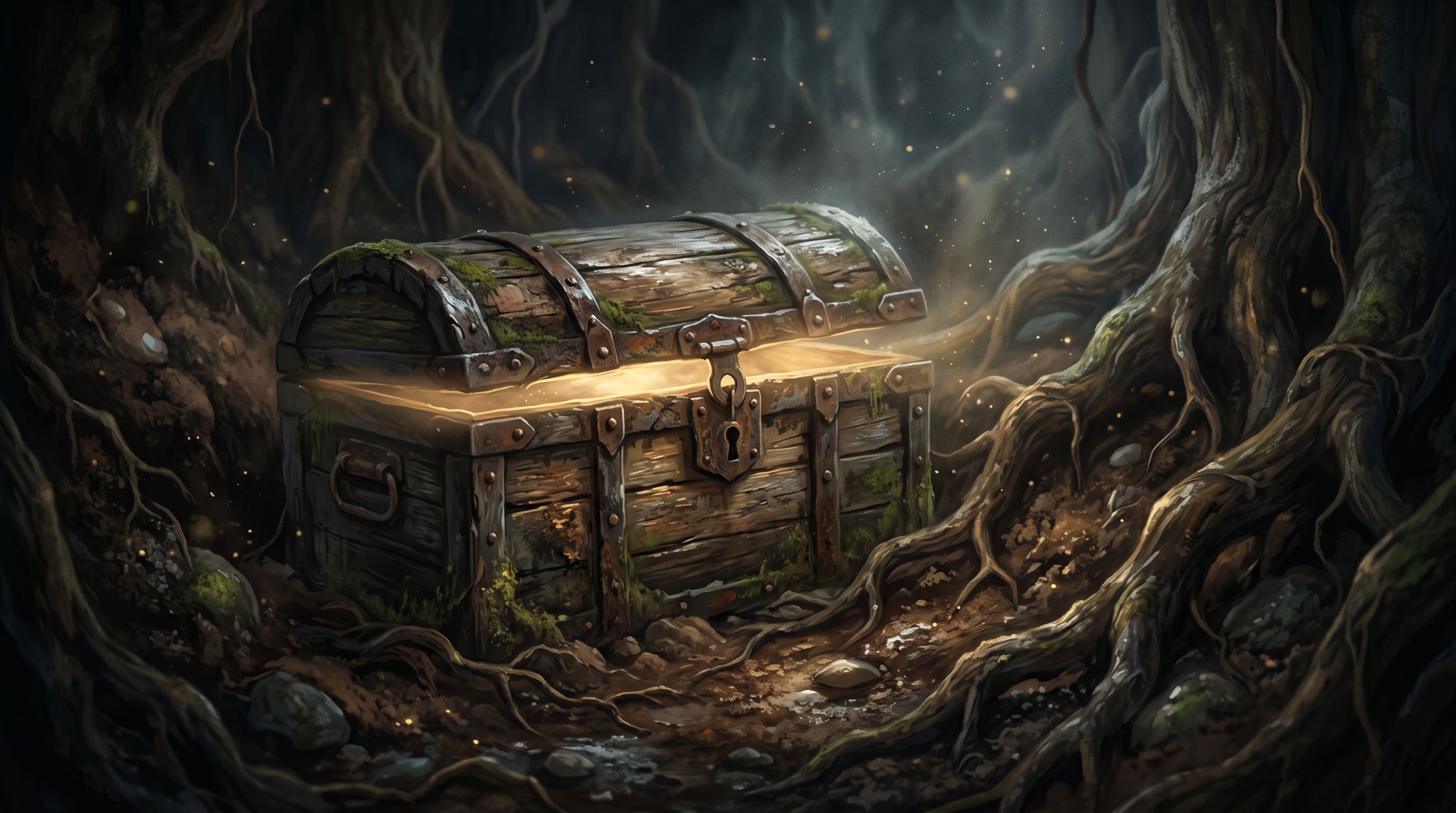
Consider the experience of a young woman who repeatedly dreamt of digging in her childhood garden. Every night, she would dig until her hands bled, searching for something she couldn't name. One night, she finally unearthed a small, rusted iron box. Inside was a simple key.
In her waking life, she was facing a major career change but felt "locked out" of her own confidence. The garden represented her foundational beliefs, and the act of digging was her mind's way of retrieving the "key" to her self-worth that she had buried years ago to fit in with others. Once she recognized that the key was already in her possession—just waiting to be exhumed—the dreams stopped, and her path forward became clear.
She realized that her mind was acting like a pendulum, swinging between the need to stay safe and the urge to uncover her true potential. The digging was the bridge between those two states.
---
The Courage of Verticality
There is a specific kind of bravery in the one who digs. While many people dream of soaring like a rocket to escape the gravity of their problems, the one who digs chooses to embrace that gravity. You are sinking into the humus of your own existence to find your substance. This is "downward verticality"—the willingness to go deep rather than just far.
However, I must invite you to be gentle with yourself. There is a dimension of searching that can become obsessive. If, in your dream, you never stop digging but the hole remains empty and the bottom is never reached, perhaps you are in a phase of over-analysis. You might be dissecting every emotion and every past conversation to the point of exhaustion.
Sometimes, your unconscious is showing you the hole to tell you that you’ve gone deep enough. It might be time to set down the shovel, climb out of the pit, and simply breathe in the air of the surface. The truth doesn't always require more digging; sometimes it requires more light.
---
Listening to the Soil
A dream of digging is, above all, a message of patience. We do not find the center of our being in a single night of effort. It is a long-term labor, a silent and sacred conversation between you and the elements that compose your history.
Dreams are never threats, even when they leave you feeling spent at the bottom of a dark pit. They are simply mirrors reflecting the work you are already doing in the shadows. They tell you: "Do not be afraid of the darkness of the soil, for that is where all life begins."
If you feel like you are discovering strange objects in your dream-soil and want to keep a record of these inner treasures, your Baku is always here to listen. Exploring these depths is a journey best taken with a gentle guide, one night at a time.
There is a distinct, almost painful intimacy in the way we dig. Sometimes we find ourselves scratching at the soil with our bare fingers, feeling the cold moisture of the earth wedge beneath our nails—a desperate, raw attempt to touch our roots without any shield. Other times, the dream provides us with a rusted iron shovel, a tool that acts as both a leverage and a protective boundary between our hands and our hidden truths. I find this distinction crucial. Working with a tool suggests a structured approach to your healing, a conscious decision to handle what is heavy with a bit of leverage. But bare-handed digging? That is the soul’s emergency. It is the cry of someone who cannot wait for the proper instruments because the need to uncover—or perhaps to hide—is too urgent to delay. It makes me wonder what is burning so deeply inside you that you would disregard your own skin to reach it.